Manage Cholesterol for a Healthier Heart in 2026
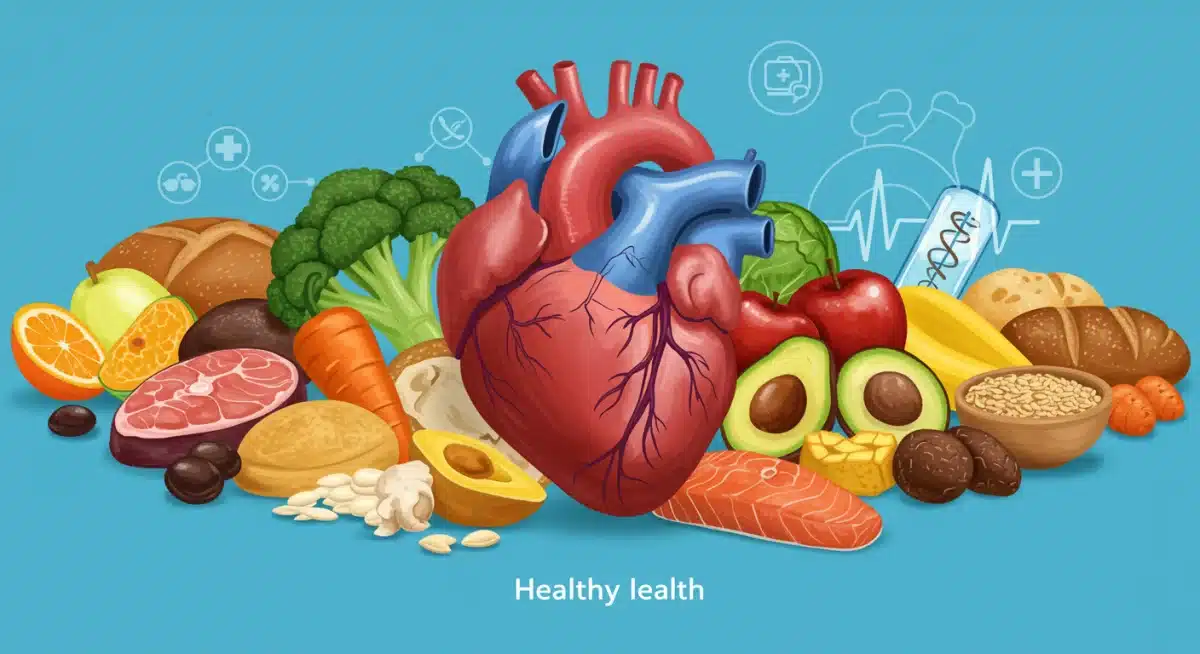

Embarking on a journey to a healthier heart begins with a clear understanding of your body’s vital components, and among them, cholesterol plays a pivotal role.
In 2026, the emphasis on proactive health management is stronger than ever, making it essential to grasp the nuances of understanding cholesterol: how to manage your levels for a healthier heart in 2026.
This comprehensive guide will illuminate the path to optimal cardiovascular wellness, offering actionable insights and expert advice to help you navigate your cholesterol journey effectively.
The Basics of Cholesterol: Friend or Foe?
Cholesterol often gets a bad rap, but it’s not inherently evil. In fact, it’s a waxy, fat-like substance found in all your body’s cells, essential for producing hormones, vitamin D, and substances that help you digest foods. Your liver makes all the cholesterol you need, but you also get it from certain foods.
The problem arises when there’s too much of the ‘bad’ kind of cholesterol, leading to potential health issues. Understanding the different types and their functions is the first step toward effective management.
Understanding LDL and HDL Cholesterol
Not all cholesterol is created equal. There are two main types, and knowing the difference is crucial for your heart health.
LDL (Low-Density Lipoprotein) Cholesterol: Often called ‘bad’ cholesterol, high levels can lead to plaque buildup in your arteries, narrowing them and increasing the risk of heart attack and stroke.
HDL (High-Density Lipoprotein) Cholesterol: Known as ‘good’ cholesterol, HDL helps remove excess cholesterol from your arteries and transport it back to the liver for removal from the body, thereby protecting against heart disease.
Triglycerides: While not cholesterol, these are another type of fat in your blood. High triglyceride levels, especially when combined with high LDL or low HDL, can increase your risk of heart disease.
Maintaining a healthy balance between these types is key. Lifestyle choices significantly impact these levels, making proactive management a powerful tool for your well-being.
Regular check-ups with your healthcare provider will help you monitor these levels and adjust your strategy as needed.
In essence, cholesterol isn’t inherently detrimental; it’s the imbalance and the prevalence of unhealthy types that pose risks.
By educating yourself on these fundamental distinctions, you lay the groundwork for informed decisions regarding your diet and lifestyle, paving the way for a healthier cardiovascular system.
Dietary Cornerstones for Cholesterol Management
Your plate is a powerful tool in the fight against high cholesterol. What you eat directly influences your cholesterol levels, making dietary choices a cornerstone of effective management. Focusing on nutrient-dense foods and limiting those high in saturated and trans fats can make a significant difference.
Adopting a heart-healthy diet doesn’t mean sacrificing flavor or enjoyment. It’s about making informed choices that nourish your body and support your cardiovascular system.
Foods to Embrace for Lower Cholesterol
Incorporating certain foods into your daily diet can actively help lower your LDL cholesterol and boost your HDL. These foods are rich in soluble fiber, omega-3 fatty acids, and plant sterols.
Oats and Barley: Excellent sources of soluble fiber, which reduces the absorption of cholesterol into your bloodstream. Start your day with a bowl of oatmeal.
Fatty Fish: Salmon, mackerel, and tuna are rich in omega-3 fatty acids, which can lower triglycerides and reduce blood pressure. Aim for at least two servings per week.
Nuts and Seeds: Almonds, walnuts, chia seeds, and flaxseeds are packed with healthy fats, fiber, and plant sterols that can help lower LDL cholesterol.
Avocados: A good source of monounsaturated fats, which can improve cholesterol levels and reduce the risk of heart disease.
Olive Oil: Opt for extra virgin olive oil as your primary cooking oil. It’s rich in monounsaturated fats and antioxidants.
Beyond these specific items, a diet abundant in fruits, vegetables, and whole grains provides a broad spectrum of nutrients that support overall heart health. The diversity of these foods ensures you’re not only managing cholesterol but also receiving essential vitamins and minerals.
Foods to Limit or Avoid
Just as important as what you eat is what you choose to limit. Certain foods can elevate your LDL cholesterol and negatively impact your heart health. Being mindful of these can significantly contribute to your cholesterol management goals.
Saturated Fats: Found in red meat, full-fat dairy products, and some processed foods. These can raise your LDL cholesterol.
Trans Fats: Often found in commercially baked goods, fried foods, and some margarines. Trans fats are particularly harmful as they raise LDL and lower HDL.
Dietary Cholesterol: While less impactful than saturated and trans fats, some people are more sensitive to dietary cholesterol found in egg yolks and shellfish.
Refined Sugars and Processed Foods: These can contribute to high triglyceride levels and overall weight gain, both risk factors for heart disease.
Making conscious decisions about reducing your intake of these foods doesn’t mean complete deprivation.
It’s about moderation and finding healthier alternatives that satisfy your cravings without compromising your heart health.
For instance, lean protein sources can replace fatty cuts of meat, and homemade snacks can substitute for processed options.
By prioritizing a balanced diet rich in beneficial nutrients and consciously limiting harmful fats and sugars, you empower your body to naturally regulate cholesterol levels.
This dietary discipline forms a crucial pillar in your strategy for a healthier heart in 2026, working in tandem with other lifestyle adjustments.

The Power of Movement: Exercise and Cholesterol
Physical activity is a potent ally in your quest for healthy cholesterol levels. Regular exercise not only helps you manage your weight but also directly impacts your lipoprotein profile, often increasing beneficial HDL cholesterol and lowering harmful LDL and triglycerides. It’s a cornerstone of a heart-healthy lifestyle.
Integrating movement into your daily routine doesn’t require becoming a marathon runner; even moderate activities can yield significant benefits. The key is consistency and finding activities you genuinely enjoy.
Types of Exercise for Heart Health
Different forms of exercise offer various benefits, but a combination often provides the most comprehensive approach to cardiovascular health and cholesterol management.
Aerobic Exercise: Activities like brisk walking, jogging, swimming, and cycling elevate your heart rate and are excellent for improving HDL levels. Aim for at least 150 minutes of moderate-intensity aerobic activity or 75 minutes of vigorous-intensity activity per week.
Strength Training: Building muscle mass can help with weight management, which indirectly benefits cholesterol levels. Incorporate strength training exercises two to three times a week.
Flexibility and Balance: While not directly impacting cholesterol, activities like yoga and stretching contribute to overall physical well-being, complementing your heart health regimen by reducing stress and improving mobility.
The beauty of exercise is its versatility. Whether you prefer structured workouts or incidental activity, every step counts.
Consider walking during lunch breaks, taking the stairs instead of the elevator, or engaging in active hobbies like gardening or dancing. The goal is to make movement a natural and enjoyable part of your day.
Making Exercise a Habit
Consistency is more important than intensity when it comes to long-term health benefits. Building a sustainable exercise routine requires planning and a bit of self-compassion.
Start small, celebrate your progress, and don’t get discouraged by occasional setbacks.
Finding an exercise buddy can provide motivation and accountability. Joining a class or a local sports team can also transform exercise from a chore into a social and engaging activity.
Remember, the goal is to integrate physical activity seamlessly into your life so it becomes a habit you look forward to, not dread.
Regular physical activity is an indispensable component of managing your cholesterol levels and fostering a healthier heart.
By embracing a diverse range of exercises and committing to consistency, you not only improve your lipid profile but also enhance your overall vitality and well-being, making it a pivotal strategy for 2026.
Lifestyle Adjustments Beyond Diet and Exercise
While diet and exercise are paramount, effective cholesterol management extends to other critical lifestyle factors.
These often overlooked aspects can significantly influence your heart health, making them integral to a holistic approach. Addressing these areas can provide an additional layer of protection and support your overall well-being.
From stress management to sleep quality, every facet of your daily life contributes to your body’s delicate balance. Being mindful of these elements can empower you to create a truly heart-healthy environment.
Stress Management and Its Impact
Chronic stress can indirectly affect your cholesterol levels. When you’re stressed, your body releases hormones like cortisol, which can lead to increased production of triglycerides and LDL cholesterol. Finding healthy ways to manage stress is crucial.
Mindfulness and Meditation: Regular practice can reduce stress hormones and promote a sense of calm.
Hobbies and Relaxation: Engaging in activities you enjoy, whether it’s reading, listening to music, or spending time in nature, can significantly lower stress levels.
Social Connection: Strong social ties provide emotional support and can act as a buffer against stress.
Prioritizing stress reduction isn’t just about feeling better; it’s about actively protecting your cardiovascular system from the physiological tolls of chronic anxiety and tension.
Incorporating relaxation techniques into your daily routine can have profound positive effects on your cholesterol profile.
The Role of Sleep in Heart Health
Quality sleep is often underestimated in its impact on heart health and cholesterol. Insufficient or poor-quality sleep can disrupt metabolic processes, potentially leading to higher LDL cholesterol and triglycerides, as well as increased blood pressure.
Aim for 7-9 Hours: Most adults need 7 to 9 hours of quality sleep per night.
Establish a Routine: Go to bed and wake up at consistent times, even on weekends, to regulate your body’s internal clock.
Create a Conducive Environment: Ensure your bedroom is dark, quiet, and cool. Avoid screens before bedtime.
Making sleep a priority is a simple yet powerful way to support your body’s natural regulatory systems and maintain healthy cholesterol levels.
It allows your body to repair and rejuvenate, contributing directly to a healthier heart and overall vitality.
Quitting Smoking and Limiting Alcohol
Smoking is a major risk factor for heart disease and significantly impacts cholesterol. It damages blood vessels, lowers HDL cholesterol, and makes LDL cholesterol more harmful.
Quitting smoking is one of the most impactful steps you can take for your heart health.
Excessive alcohol consumption can also raise triglyceride levels and contribute to high blood pressure.
While moderate alcohol intake may have some benefits for certain individuals, it’s generally best to limit consumption, especially if you have existing cholesterol concerns.
These lifestyle adjustments, though sometimes challenging, offer substantial rewards for your cardiovascular health.
By consciously managing stress, prioritizing sleep, and eliminating harmful habits like smoking, you create a robust foundation for maintaining healthy cholesterol levels and fostering a healthier heart in 2026.
Medical Interventions and Monitoring in 2026
While lifestyle modifications are foundational, sometimes they aren’t enough to achieve optimal cholesterol levels. In such cases, medical interventions and consistent monitoring become crucial components of your management plan.
Healthcare professionals utilize a range of tools, from regular blood tests to prescribed medications, to ensure your heart health remains on track.
Staying informed about your numbers and adhering to your doctor’s recommendations are vital for effective, long-term cholesterol management. The landscape of medical care continues to evolve, offering new insights and treatment options.
Regular Cholesterol Screenings
Knowing your numbers is the first step. Regular lipid panel screenings provide a snapshot of your cholesterol levels, including total cholesterol, LDL, HDL, and triglycerides. The frequency of these tests typically depends on your age, risk factors, and current health status.
Adults 20 and Older: Generally, screenings every 4 to 6 years if you’re at low risk.
Higher Risk Individuals: More frequent screenings may be recommended if you have a family history of heart disease, diabetes, high blood pressure, or are already managing elevated cholesterol.
Understanding Results: Your doctor will interpret your results in the context of your overall health profile and discuss appropriate next steps.
These screenings are invaluable for early detection and intervention. They allow your healthcare provider to track changes over time and make timely adjustments to your treatment plan, preventing potential complications down the line. Don’t underestimate the power of routine check-ups.
Medication Options for High Cholesterol
When lifestyle changes alone don’t bring cholesterol levels into a healthy range, your doctor might recommend medication.
Several classes of drugs are effective in lowering cholesterol, each working through different mechanisms.
Statins: The most commonly prescribed medications, statins reduce the amount of cholesterol your liver makes. They are highly effective at lowering LDL cholesterol.
PCSK9 Inhibitors: These newer injectable drugs are powerful LDL-lowering agents, often used for individuals who cannot tolerate statins or need additional LDL reduction.
Ezetimibe: This medication works by blocking the absorption of cholesterol in the small intestine.
Fibrates and Niacin: Primarily used to lower triglycerides and increase HDL cholesterol, though their use has become more selective in recent years.
It’s crucial to discuss all potential medication options, their benefits, and side effects with your doctor.
Adherence to your prescribed regimen is key, and never adjust or stop medication without consulting your healthcare provider.
The right medication, coupled with a healthy lifestyle, forms a powerful defense against cardiovascular disease.
In 2026, medical science continues to provide advanced tools for cholesterol management. Regular monitoring and, when necessary, appropriate medical interventions, are critical components of a comprehensive strategy.
Collaborating closely with your healthcare team ensures that you receive personalized care and remain on the optimal path to a healthier heart.

Understanding Your Risk Factors and Personalizing Your Plan
Effective cholesterol management isn’t a one-size-fits-all approach. It requires a personalized plan tailored to your unique risk factors, medical history, and lifestyle. Understanding what elevates your individual risk for high cholesterol and heart disease is crucial for developing the most effective strategy.
By identifying these factors, you and your healthcare provider can create a targeted and comprehensive plan that addresses your specific needs, maximizing your chances of maintaining a healthy heart.
Key Risk Factors for High Cholesterol
Several factors can increase your likelihood of having high cholesterol, some of which are modifiable, while others are not. Awareness of these factors empowers you to take proactive steps.
Genetics: A family history of high cholesterol or early heart disease can significantly increase your risk, even if you lead a healthy lifestyle.
Age and Gender: Cholesterol levels tend to rise with age. Before menopause, women often have lower LDL levels than men, but after menopause, women’s LDL levels tend to increase.
Unhealthy Diet: Diets high in saturated and trans fats are primary contributors to elevated LDL cholesterol.
Lack of Physical Activity: Insufficient exercise can lead to lower HDL and higher LDL cholesterol.
Obesity: Being overweight or obese often correlates with higher LDL and triglyceride levels and lower HDL.
Smoking: As mentioned, smoking damages blood vessels and negatively impacts cholesterol levels.
Diabetes: High blood sugar can lead to higher VLDL (a type of bad cholesterol) and lower HDL.
While you can’t change your genetics or age, recognizing these non-modifiable factors can prompt you to be even more diligent about managing the factors you can control. This holistic view allows for a more informed and strategic approach to your health.
Tailoring Your Management Strategy
Once you understand your personal risk profile, you can work with your doctor to create a customized management plan. This might involve a combination of lifestyle changes and, if necessary, medication.
For someone with a strong genetic predisposition, aggressive lifestyle changes might be recommended earlier, or medication might be introduced sooner. For others, focusing intensely on dietary modifications and increased physical activity might be sufficient.
Your plan should be dynamic, evolving as your health status changes and as new research emerges. Regular follow-ups with your healthcare provider are essential to assess the effectiveness of your current strategy and make any necessary adjustments.
Personalizing your cholesterol management plan is about understanding that your body and its needs are unique.
By diligently assessing your risk factors and collaborating with medical professionals, you can craft a highly effective strategy for understanding cholesterol:
how to manage your levels for a healthier heart in 2026, ensuring a proactive and successful journey toward optimal cardiovascular health.
| Key Aspect | Brief Description |
|---|---|
| Dietary Changes | Focus on soluble fiber, omega-3s, and healthy fats; limit saturated and trans fats. |
| Regular Exercise | Incorporate aerobic and strength training to boost HDL and lower LDL/triglycerides. |
| Lifestyle Modifications | Manage stress, prioritize sleep, quit smoking, and limit alcohol for better heart health. |
| Medical Oversight | Regular screenings and potential medication are crucial for optimal management. |
Frequently Asked Questions About Cholesterol Management
Generally, a total cholesterol level below 200 mg/dL is considered desirable. LDL (bad) cholesterol should ideally be below 100 mg/dL, while HDL (good) cholesterol should be 60 mg/dL or higher. Triglyceride levels should be less than 150 mg/dL. These targets can vary based on individual risk factors.
Yes, chronic stress can indirectly impact cholesterol. When the body is under stress, it releases hormones like cortisol, which can lead to increased production of very low-density lipoprotein (VLDL) cholesterol and triglycerides. Managing stress through relaxation techniques is beneficial for heart health.
For most healthy adults over 20, a cholesterol check every 4 to 6 years is recommended. However, if you have risk factors for heart disease, such as a family history, diabetes, high blood pressure, or a history of high cholesterol, your doctor may suggest more frequent screenings.
Absolutely. Foods rich in soluble fiber like oats, barley, apples, and beans are excellent. Plant sterols and stanols, found in fortified foods and some vegetables, can also help block cholesterol absorption. Nuts, seeds, and avocados provide healthy fats that positively influence cholesterol profiles.
Genetics can play a significant role. Conditions like familial hypercholesterolemia (FH) are inherited and cause very high LDL cholesterol levels from birth, increasing the risk of early heart disease.
Even without FH, a family history of high cholesterol can predispose individuals to elevated levels, emphasizing the need for proactive management.
Conclusion
Successfully navigating the complexities of understanding cholesterol: how to manage your levels for a healthier heart in 2026 is a continuous journey that combines knowledge, proactive lifestyle choices, and diligent medical oversight.
By embracing a heart-healthy diet, committing to regular physical activity, managing stress, prioritizing quality sleep, and adhering to your healthcare provider’s recommendations, you empower yourself to significantly reduce your risk of cardiovascular disease.
The future of cholesterol management is increasingly personalized and technologically advanced, offering more precise tools and therapies. Taking an active role in your heart health today lays the foundation for a vibrant and healthier future.