Declutter Like a Pro: 10 DIY Storage Ideas That Work
 Transform your living space by implementing 10 ingenious DIY storage solutions over a single weekend, offering practical methods to declutter and create a more orderly, efficient home environment.
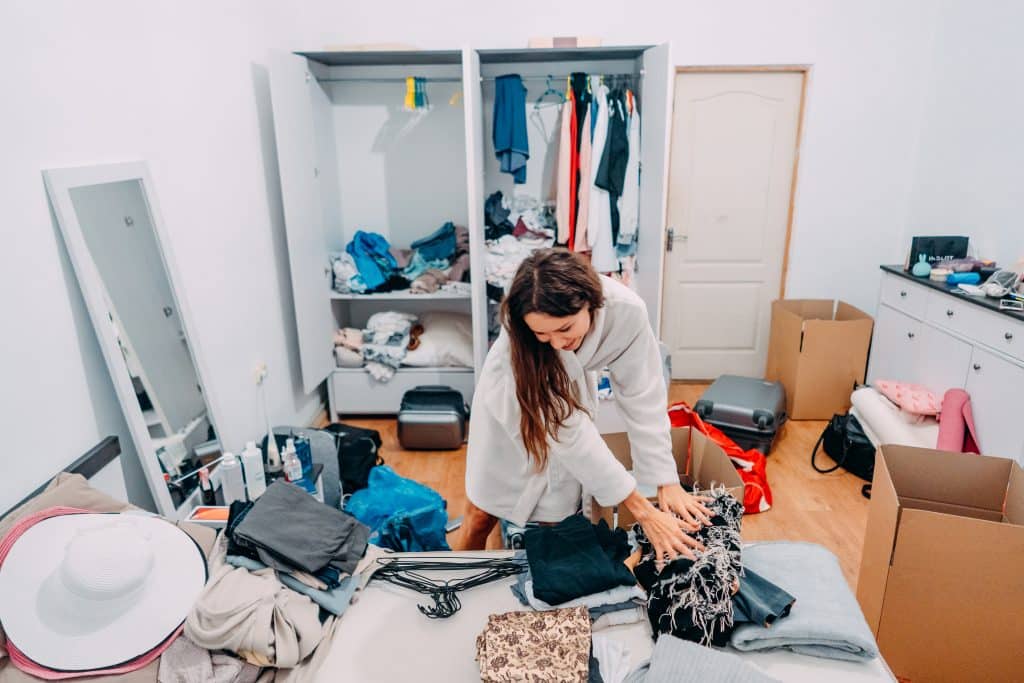
Are you tired of tripping over clutter or endlessly searching for misplaced items? It’s time to take control of your home.
This guide will show you how to Declutter Like a Pro: 10 DIY Storage Solutions for a More Organized Home in Just One Weekend, turning chaos into calm with practical, budget-friendly projects. Get ready to reclaim your space and enjoy a more functional living environment.
Understanding the Clutter Conundrum and the Power of DIY
Before diving into specific projects, it’s crucial to understand why clutter accumulates in the first place. Often, it’s not a lack of space but a lack of effective storage systems. Many homes, especially older ones, weren’t designed with today’s volume of possessions in mind.
This leads to overflowing drawers, stacked-up surfaces, and a general feeling of disarray. The good news is that you don’t need to embark on a costly renovation to solve these issues. DIY storage solutions offer an empowering and affordable way to tailor storage to your exact needs, making every inch of your home work harder for you.
The beauty of DIY projects lies in their adaptability and the personal satisfaction they bring. Instead of settling for generic, ill-fitting storage units, you can create custom solutions that perfectly match your space and style.
This approach not only saves money but also ensures that your storage is truly functional, addressing the specific items causing your clutter. Furthermore, tackling these projects over a weekend provides a tangible sense of accomplishment, transforming your home quickly and efficiently.
The psychological benefits of an organized home
Beyond aesthetics, an organized home significantly impacts your mental well-being. A cluttered environment can contribute to stress, anxiety, and decreased productivity.
Conversely, a tidy and well-arranged space promotes a sense of calm, enhances focus, and even improves sleep quality. By investing a weekend in DIY storage, you’re not just organizing your belongings; you’re investing in a more peaceful and productive lifestyle.
Reduces stress and anxiety associated with mess.
Boosts productivity by minimizing distractions.
Creates a more welcoming and comfortable living space.
Enhances a sense of control and accomplishment.
In conclusion, addressing clutter with DIY solutions is more than just a home improvement task; it’s a strategic move towards a more harmonious life.
By understanding the root causes of disorganization and embracing the power of custom storage, you can achieve a remarkable transformation in just one weekend, setting the stage for long-term tidiness and peace of mind.
Maximizing Vertical Space with Floating Shelves and Wall Organizers
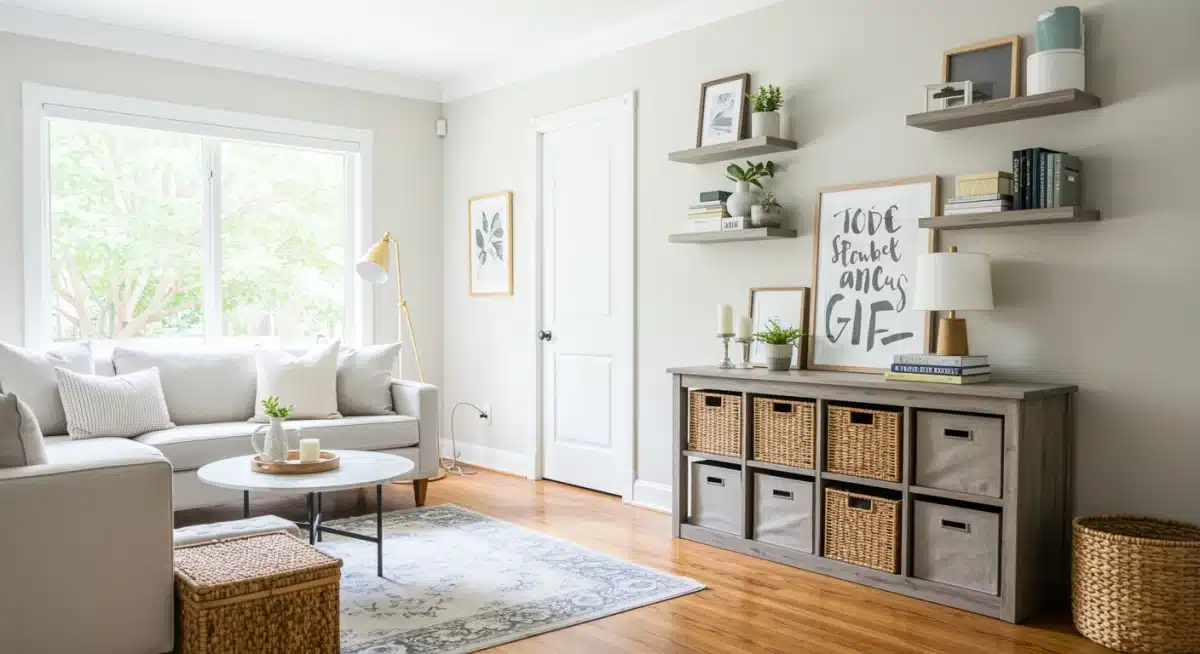
One of the most underutilized assets in any home is vertical space. Walls are not just for hanging pictures; they are prime real estate for storage. Floating shelves and various wall organizers can dramatically increase your storage capacity without taking up valuable floor space.
These solutions are particularly effective in smaller rooms, kitchens, bathrooms, or entryways where every square foot counts. The installation process for many of these DIY projects is straightforward, making them perfect for a weekend endeavor.
Floating shelves, for example, offer a sleek and modern look while providing substantial storage for books, decorative items, or everyday essentials. You can customize their length, depth, and finish to perfectly complement your existing decor.
Wall-mounted organizers, such as pegboards or magnetic strips, are incredibly versatile, ideal for tools in a garage, pots and pans in a kitchen, or craft supplies in a home office. These solutions allow you to keep items visible and easily accessible, reducing the need to rummage through drawers or cabinets.
DIY floating shelves for any room
Creating your own floating shelves is a rewarding project. You’ll need some basic tools like a saw, drill, level, and stud finder, along with your chosen wood and shelf brackets (concealed or visible).
Measure your space carefully, cut your wood to size, sand and finish it, then secure the brackets to wall studs for maximum stability. This project is highly customizable, allowing you to create a single statement shelf or an entire wall of tiered storage.
Choose appropriate wood (pine, MDF, plywood).
Select sturdy hidden or decorative brackets.
Ensure proper wall stud identification for secure mounting.
Consider painting or staining for a personalized finish.
Pegboard systems for ultimate flexibility
Pegboards are a fantastic, adaptable solution for organizing a multitude of items. From kitchen utensils to garage tools and craft supplies, a pegboard allows for dynamic rearrangement of hooks, shelves, and bins as your needs change.
Installing a pegboard is relatively simple, requiring you to mount the board securely to the wall, often with spacers to allow hooks to fit properly. Paint it to match your room’s aesthetic for an integrated look.
In summary, embracing vertical space through DIY floating shelves and wall organizers is a game-changer for home organization.
These projects are not only effective in decluttering but also add a personalized touch to your living areas, proving that smart storage can be both functional and stylish. A weekend dedicated to these solutions will yield enduring benefits.
Clever Under-Bed and Under-Sink Storage Solutions
Often overlooked, the spaces under beds and sinks are treasure troves of potential storage. These areas, while sometimes awkward to access, can be transformed into highly efficient storage zones with a little creativity and DIY effort.
Maximizing these hidden spots is key to decluttering smaller homes or apartments where every inch counts, offering discreet ways to store seasonal items, cleaning supplies, or extra linens without creating visual clutter.
Under-bed storage is perfect for items you don’t need daily but want to keep accessible, such as off-season clothing, extra bedding, or sentimental keepsakes.
Under-sink areas, frequently a chaotic jumble of bottles and brushes, can become models of organization with the right custom solutions. These projects typically require minimal materials and can be completed swiftly, making them ideal for a productive weekend.
DIY rolling under-bed storage bins
Constructing rolling bins for under your bed is an excellent way to keep dust out and access items easily. You can use plywood or even repurpose old dresser drawers by adding casters to the bottom.
Measure the height clearance under your bed accurately to ensure your bins slide in and out smoothly. Adding a lid is highly recommended to protect contents from dust and maintain a tidy appearance.
Measure under-bed clearance precisely.
Use lightweight yet sturdy materials like plywood.
Attach small casters for easy maneuverability.
Consider adding handles for pulling out the bins.
Custom under-sink organizers
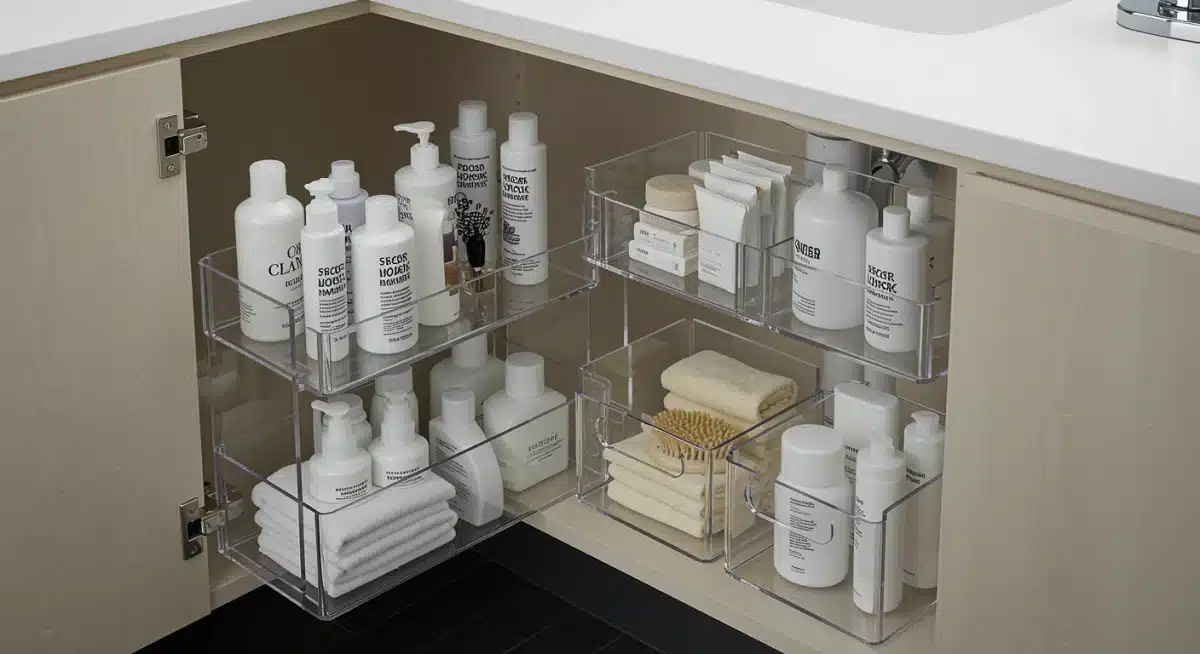
The area under sinks, particularly in bathrooms and kitchens, often becomes a dumping ground. Custom tiered shelving or pull-out drawers can revolutionize this space.
You can build simple wooden frameworks to create multiple levels, or use tension rods to hang spray bottles, maximizing vertical space around pipes. Clear acrylic bins or small baskets within these organizers help to categorize and contain smaller items, preventing them from toppling over.
In conclusion, by thinking strategically about under-bed and under-sink spaces, you unlock significant storage potential.
DIY solutions for these areas are not only practical but also incredibly satisfying to create, providing hidden havens for your belongings and contributing significantly to an overall decluttered home environment.
Repurposing and Upcycling for Unique Storage
One of the most sustainable and creative approaches to home organization is repurposing and upcycling existing items into functional storage solutions.
This method not only reduces waste but also infuses your home with unique, character-filled pieces that tell a story. Instead of buying new, consider what you already have or what you can find at thrift stores and flea markets that might serve a new purpose. This approach often leads to truly one-of-a-kind storage that reflects your personal style.
From old wooden crates becoming stylish shelving to vintage suitcases transforming into charming hidden storage, the possibilities are endless.
Repurposing requires a bit of imagination and sometimes a lick of paint or minor modification, but the results are often far more interesting and effective than mass-produced alternatives. This weekend, challenge yourself to see everyday objects not just for what they are, but for what they could become in your organized home.
Vintage ladder as a towel or blanket rack
An old wooden ladder, cleaned and perhaps given a fresh coat of paint, can be leaned against a wall in a bathroom or living room to serve as a decorative and functional rack.
In the bathroom, it can hold neatly folded towels; in the living room, it’s perfect for displaying throws and blankets. This adds a rustic or farmhouse chic touch while providing practical storage.
Old drawers into wall-mounted cubbies
Got old dresser drawers that are no longer needed? Remove the hardware, clean them up, paint or wallpaper the inside, and mount them directly to a wall.
These instantly become charming cubbies for displaying small collections, holding mail in an entryway, or storing spices in a kitchen. Arrange them in a creative pattern for an artistic display.
Clean and sand old drawers thoroughly.
Paint or line the interiors for a fresh look.
Securely mount to wall studs for stability.
Mix and match sizes for visual interest.
In summary, repurposing and upcycling are not only environmentally friendly but also offer an exciting avenue for creating personalized and effective storage. These DIY projects prove that with a little ingenuity, you can transform forgotten items into functional and beautiful organizational assets, making your home more organized and uniquely yours.
Crafting Custom Closet Organizers and Drawer Dividers
Closets and drawers, while designed for storage, often become black holes of disorganization without proper internal structuring. Custom closet organizers and drawer dividers are essential for maximizing every inch of these spaces, ensuring that clothes, accessories, and small items have a designated home.
While store-bought options exist, DIY solutions allow for precise customization, addressing the unique dimensions and contents of your personal storage areas. This weekend, you can transform chaotic closets and messy drawers into models of efficiency.
The key to effective closet and drawer organization is creating specific compartments for different types of items.
This prevents things from getting lost at the bottom of piles or tangled together. DIY projects for these areas can range from simple cardboard dividers to more elaborate wooden shelving systems, all designed to bring order and accessibility to your daily routine. By tailoring these solutions, you ensure that your storage truly works for you.
Simple DIY drawer dividers
For drawers, simple dividers can make a huge difference. You can use thin pieces of wood, cardboard covered in fabric, or even repurpose old shoeboxes.
Measure your drawer’s dimensions and the sizes of the items you want to store (socks, ties, utensils, office supplies). Cut your chosen material to create a grid or individual compartments that fit snugly, preventing items from shifting and mixing.
Measure drawer dimensions and item sizes.
Use thin wood, sturdy cardboard, or plastic sheets.
Create a modular system for flexibility.
Secure with wood glue or double-sided tape if needed.
Building custom closet shelving and cubbies
For closets, building custom shelves or cubbies can double or triple your storage capacity. Instead of relying solely on a hanging rod, add adjustable shelves for folded clothes, shoes, or bins. You can use plywood or MDF for these projects.
Plan your layout carefully, considering the types of items you need to store and their dimensions. Remember to secure all shelving units to wall studs for safety and stability.
In conclusion, custom closet organizers and drawer dividers are indispensable tools for maintaining a truly organized home.
By dedicating a weekend to these DIY projects, you can transform previously chaotic spaces into highly functional and aesthetically pleasing storage areas, making your daily routines smoother and more efficient.
Entryway Organization: Hooks, Benches, and Shoe Racks
The entryway is often the first and last impression of your home, and it can quickly become a dumping ground for coats, shoes, bags, and mail.
A well-organized entryway isn’t just about aesthetics; it’s about functionality, creating a smooth transition into and out of your home.
DIY solutions for this high-traffic area can dramatically reduce clutter, making mornings less hectic and arrivals more welcoming. These projects are typically straightforward and can be completed within a weekend, providing immediate relief from entryway chaos.
Declutter Your Entryway with Smart DIY Organization
Effective entryway organization starts with the goal to declutter and create clearly defined spots for everyday items. When coats, shoes, and keys don’t have a designated home, clutter builds up quickly, creating visual chaos and slowing you down as you enter or leave the house.
Custom DIY solutions allow you to declutter efficiently while tailoring storage to the exact size and needs of your entryway.
By intentionally designing this space to declutter daily routines, you eliminate bottlenecks and create a welcoming first impression—no matter how small or large the entryway may be.
DIY Mudroom-Style Bench to Declutter the Entryway
Even without a formal mudroom, you can declutter your entryway by creating a DIY bench with built-in storage. A simple wooden bench with hidden compartments or open cubbies keeps shoes, bags, and accessories neatly organized while providing a comfortable place to sit.
Measure your entryway to maximize space and declutter effectively
Use sturdy wood for long-lasting support
Add cubbies or a lift-top lid to declutter the floor area
Include a cushion to blend comfort with style
This type of bench helps declutter visual clutter and keeps everyday items off the floor.
Wall-Mounted Coat Rack and Key Holder to Declutter Surfaces
A custom wall-mounted coat rack is a powerful way to declutter flat surfaces. By repurposing reclaimed wood and adding hooks, shelves, and even a mirror, you create a functional focal point that keeps essentials organized and easy to grab.
Adding a dedicated key holder prevents last-minute searches, while a small shelf for mail helps declutter countertops before clutter spreads.
Declutter the Kitchen with Command Centers and Pantry Makeovers
The kitchen is often the hardest space to declutter, as it naturally attracts papers, cables, groceries, and everyday chaos. Creating a DIY kitchen command center and upgrading pantry storage are two of the most effective ways to declutter the heart of your home.
These projects focus on assigning a clear purpose and place for everything—helping you declutter once and maintain order long-term.
DIY Kitchen Command Center to Declutter Daily Chaos
A kitchen command center helps declutter countertops by centralizing schedules, mail, notes, and charging devices in one organized zone.
To build one:
Choose an accessible wall area to declutter high-traffic surfaces
Install a corkboard, whiteboard, or chalkboard for reminders
Add hooks for keys and shelves for mail and paperwork
Include a charging station to declutter tangled cords
This system simplifies daily routines and prevents clutter from spreading throughout the kitchen.
Pantry Organization to Declutter and Maximize Storage
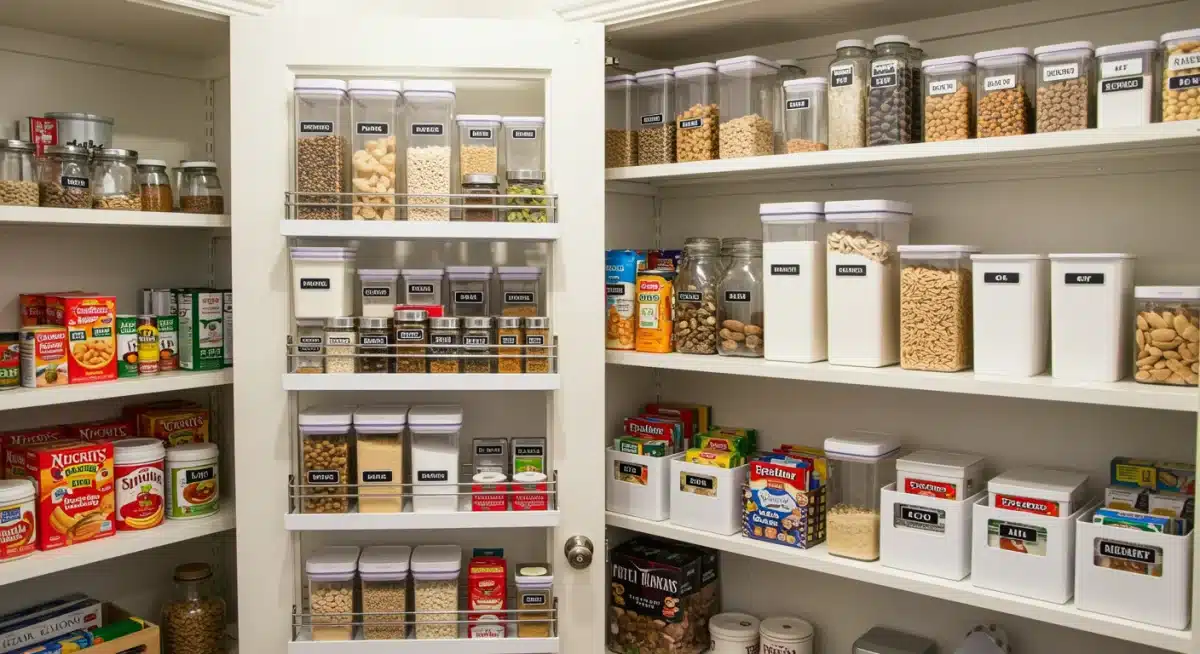
A pantry makeover is one of the fastest ways to declutter the kitchen. DIY shelving allows you to create zones for dry goods, snacks, and cooking essentials. Pull-out shelves, door-mounted racks, and labeled containers make everything visible and accessible.
Clear bins and consistent labels help you declutter by:
Reducing duplicate purchases
Making meal prep faster
Preventing food waste
Maintaining long-term organization
Declutter Once, Enjoy Every Day
Dedicating a weekend to declutter your entryway and kitchen can completely change how your home functions. DIY benches, wall-mounted organizers, command centers, and pantry upgrades turn clutter-prone spaces into calm, efficient zones.
By designing systems that help you declutter naturally, you create a home that stays organized with less effort—saving time, reducing stress, and making everyday life smoother. 🏡✨
| Storage Solution | Key Benefit |
|---|---|
| Floating Shelves | Maximizes vertical space, adds modern aesthetic. |
| Under-Bed Bins | Discreet storage for seasonal items, reduces dust. |
| Drawer Dividers | Keeps small items organized and easily accessible. |
| Entryway Bench | Provides seating and integrated shoe/bag storage. |
Frequently Asked Questions About DIY Home Organization and How to Declutter
What are the best materials for DIY storage projects when you declutter your home?
When you declutter and build DIY storage, common materials include plywood, MDF, and reclaimed wood for shelves and bins. For lighter items, sturdy cardboard or plastic containers work well. The best material depends on what you’re storing and your design style, ensuring durability while supporting long-term decluttering goals.
How should I declutter before building DIY storage solutions?
Before starting any DIY project, declutter the space completely. Remove everything and sort items into clear categories: keep, donate, recycle, or discard. Decluttering first prevents you from building storage for unnecessary items and ensures your DIY storage is designed only for what truly belongs in your home.
Are DIY storage solutions cheaper when you declutter on a budget?
In many cases, yes. DIY storage solutions are often more affordable when you declutter strategically and use repurposed materials or bulk supplies. You save on labor costs and gain the flexibility to customize storage dimensions, making DIY an excellent choice for budget-friendly decluttering.
What tools are essential to declutter and build basic DIY storage?
To declutter and complete most DIY storage projects, you’ll need a tape measure, pencil, saw, drill, level, and stud finder. Additional tools like sandpaper, wood glue, paint, or stain may be needed depending on the project. Always use basic safety gear, including gloves and eye protection.
How can I maintain organization after I declutter and finish a DIY project?
Maintaining order after you declutter requires consistency. Return items to their designated spots daily, review storage systems periodically, and declutter regularly to prevent clutter from building up again. Labeling shelves and bins makes it easier for everyone in the household to stay organized.
Conclusion
Transforming your home into an organized sanctuary doesn’t require a massive budget or endless time. As we’ve explored, dedicating just one weekend to thoughtful DIY storage solutions can yield remarkable results.
From maximizing vertical space with floating shelves to repurposing old drawers into unique cubbies, each project contributes to a more functional, aesthetically pleasing, and stress-free living environment.
These hands-on endeavors not only solve immediate clutter problems but also empower you with a renewed sense of control over your surroundings. Embrace the satisfaction of creating custom storage that perfectly fits your needs and style, and enjoy the lasting benefits of a truly organized home. Your weekend efforts will pay off with a calmer, more efficient daily life.