DIY Home Repairs: Save Hundreds Annually on Maintenance
 In today’s economy, every dollar saved counts. That’s why understanding the power of DIY: home repairs that save you hundreds every year is not just a hobby, but a smart financial strategy for any homeowner.
Empower yourself by learning simple fixes and maintenance tasks that can prevent costly professional call-outs.
Understanding the True Cost of Home Ownership
Home ownership is often lauded as a cornerstone of the American dream, yet many homeowners are caught off guard by the ongoing costs beyond the mortgage.
Maintenance and repairs represent a significant portion of these expenses, often fluctuating unpredictably.
From a leaky faucet to a malfunctioning appliance, these issues can quickly drain your savings if you rely solely on professional services.
The average homeowner in the United States spends between 1% and 4% of their home’s value on maintenance and repairs annually.
For a $300,000 home, this could mean anywhere from $3,000 to $12,000 each year.
This wide range highlights the potential for savings, especially when you consider that many common problems are well within the scope of a capable DIY enthusiast.
The Hidden Costs of Neglect
Ignoring minor issues can lead to far more expensive problems down the line.
A small leak under the sink, if left unattended, can cause extensive water damage, mold growth, and structural rot, transforming a simple O-ring replacement into a major renovation project.
Proactive DIY maintenance is not just about saving money on immediate repairs; it’s about preventing future financial catastrophes.
Water Damage: Leaks can cause thousands in repairs.
HVAC Issues: Neglected filters lead to inefficient systems and costly breakdowns.
Structural Problems: Ignoring minor cracks can compromise your home’s integrity.
Appliance Lifespan: Regular cleaning and minor fixes extend the life of expensive appliances.
By understanding these costs, you begin to see that investing time in learning DIY skills is an investment in your home’s longevity and your financial well-being.
It shifts you from a reactive stance, constantly paying for problems, to a proactive one, where you control your home’s health and your budget.
Essential Plumbing Fixes You Can Tackle
Plumbing issues are among the most common and often the most intimidating for homeowners.
However, many basic plumbing repairs don’t require a professional plumber and can be resolved with a few simple tools and a bit of guidance.
Tackling these tasks yourself can save you hundreds, if not thousands, over time.
A dripping faucet, for instance, might seem minor, but it can waste gallons of water per day, leading to higher utility bills.
Replacing a worn-out washer or O-ring is a straightforward fix that can be completed in under an hour.
Similarly, a running toilet often only requires adjusting or replacing a flapper or fill valve – parts readily available at any hardware store.
Stopping Leaky Faucets and Toilets
Leaky fixtures are not just annoying; they are money literally going down the drain. Understanding the anatomy of a faucet or toilet can demystify these repairs.
Most leaks stem from worn rubber components that lose their seal over time.
- Faucets: Turn off the water supply, disassemble the handle, remove the cartridge or stem, and replace the rubber O-rings or washers.
- Toilets: Open the tank, identify the flapper or fill valve mechanism, and replace any faulty parts. Adjustment screws can often fix a constantly running toilet.
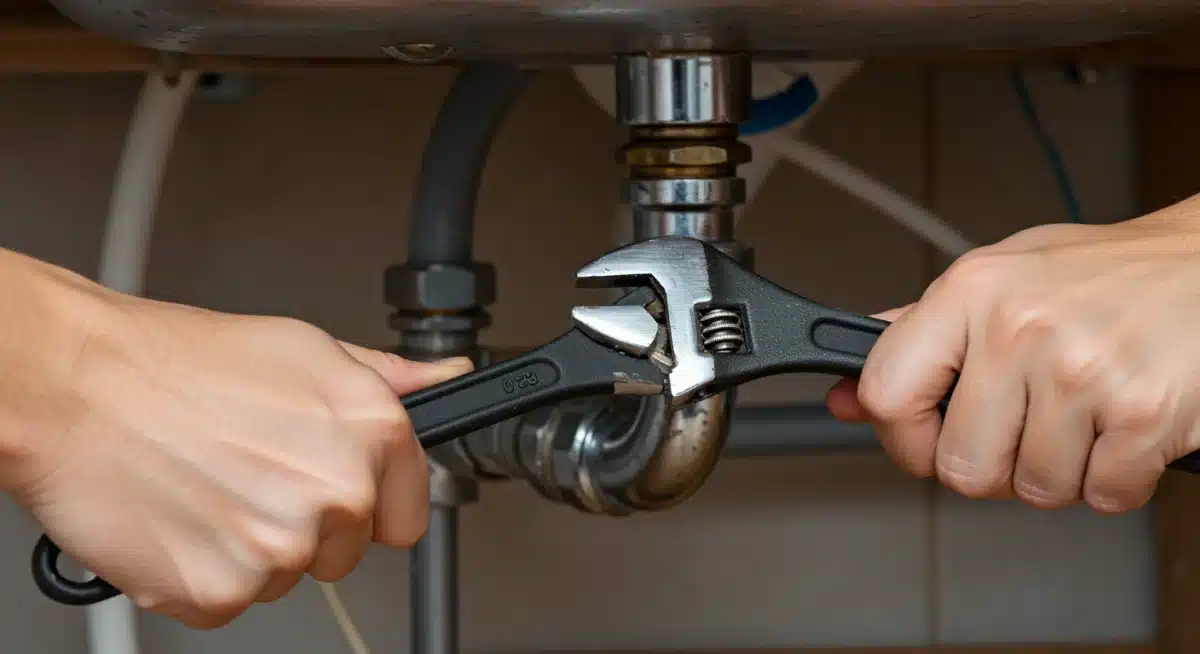
These tasks require minimal tools: a screwdriver, an adjustable wrench, and perhaps a pair of pliers.
Online tutorials and manufacturer instructions are excellent resources for step-by-step guidance. The satisfaction of fixing something yourself, coupled with the immediate savings, is incredibly rewarding.
Beyond immediate fixes, understanding how to clear minor clogs in sinks and drains is another invaluable skill. A plunger is often sufficient for most blockages.
For tougher clogs, a drain snake can be rented or purchased, providing a chemical-free solution that protects your pipes from harsh corrosive agents.
Remember, proper disposal of grease and food scraps can prevent many clogs from ever forming.
Maintaining Your HVAC System for Efficiency and Savings
Your home’s heating, ventilation, and air conditioning (HVAC) system is one of its most critical and expensive components.
Regular maintenance is not just about comfort; it’s about extending the life of the unit and significantly reducing your energy bills. Neglecting your HVAC can lead to higher utility costs, frequent breakdowns, and premature system replacement, which can cost thousands.
Many homeowners overlook the simple tasks that keep their HVAC running smoothly, often waiting until a problem arises before calling a technician.
However, a few DIY steps can dramatically improve efficiency and prevent costly repairs. These actions are typically easy to perform and require no specialized tools.
The Importance of Air Filter Replacement
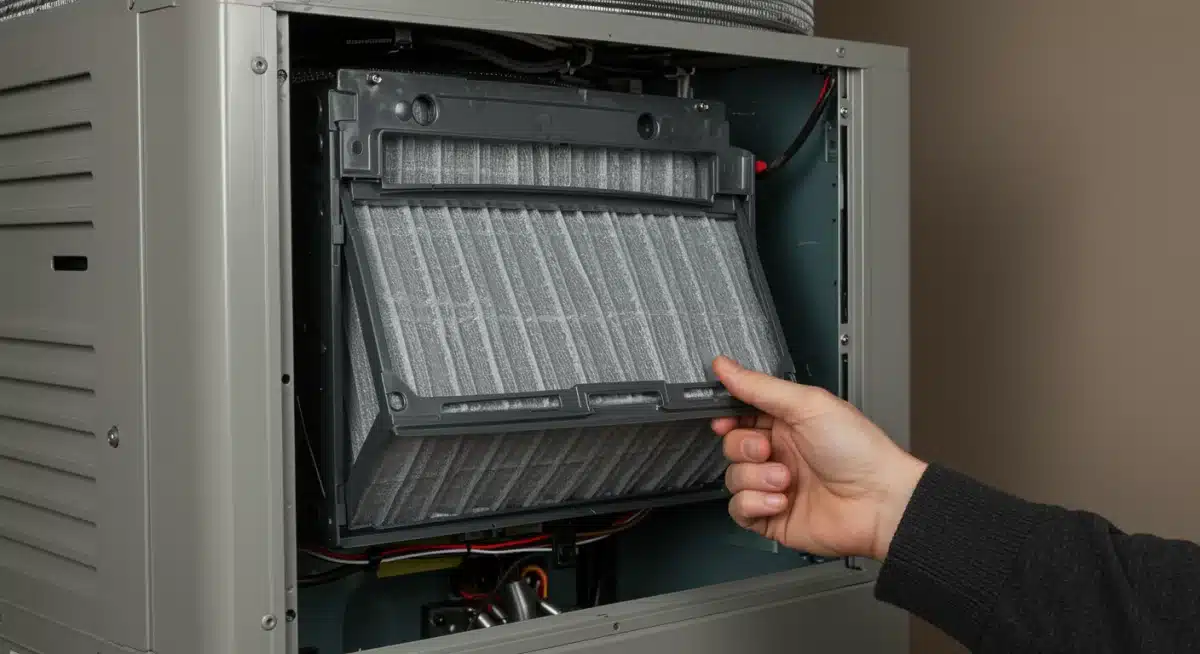
The single most important DIY HVAC maintenance task is regularly changing your air filters.
A dirty air filter restricts airflow, forcing your system to work harder, consume more energy, and potentially lead to overheating or compressor failure.
Frequency: Change filters every 1-3 months, depending on pet ownership, allergies, and system usage.
Benefits: Improves air quality, reduces energy consumption, and extends HVAC lifespan.
How-to: Locate your filter slot (usually in the return air vent or the furnace unit), note the size, purchase a new filter, and slide it in, ensuring the arrow points in the direction of airflow.
Beyond filters, keeping the outdoor condenser unit clean is crucial. Over time, leaves, dirt, and debris can accumulate on the coils, impairing heat exchange.
Safely turn off the power to the unit at the breaker box, then gently spray the coils with a garden hose to remove buildup. Ensure coils are dry before restoring power.
Additionally, regularly cleaning your vents and checking for blockages can ensure optimal airflow throughout your home.
Proper maintenance not only saves you money on energy bills and repairs but also contributes to a healthier indoor environment by reducing allergens and dust.
These simple, consistent actions demonstrate how DIY home repairs are directly linked to substantial annual savings.
Electrical and Lighting: Safe DIY Approaches
When it comes to electrical work, safety is paramount. While complex wiring projects should always be left to certified electricians, there are many minor electrical and lighting tasks that homeowners can safely perform, saving on labor costs.
Understanding basic electrical safety principles is the first step toward tackling these projects confidently.
Always remember to turn off the power at the circuit breaker before beginning any electrical work. Test the circuit with a non-contact voltage tester to ensure it’s truly dead.
This simple precaution can prevent serious injury.
Many lighting and switch issues are surprisingly easy to diagnose and fix with common household tools.
Replacing Outlets, Switches, and Light Fixtures
Faulty outlets or switches can be a nuisance and a potential hazard. Replacing them is a common DIY task:
Outlets/Switches: After cutting power, carefully unscrew the old unit, disconnect wires (usually black for hot, white for neutral, bare copper for ground), and connect them to the new unit in the same configuration.
Light Fixtures: Similar to outlets, ensure power is off. Disconnect the old fixture’s wires from the ceiling box, then securely connect the new fixture’s wires to the corresponding house wires. Always ensure proper grounding.
These tasks often involve color-coded wires, making them relatively straightforward for those who follow instructions carefully.
Beyond replacements, troubleshooting minor lighting problems, such as flickering lights or dead bulbs, can often be resolved by checking connections or replacing the bulb itself, rather than calling an electrician.
Another area of potential savings lies in upgrading to energy-efficient LED lighting. While the initial cost of LED bulbs might be higher, their longevity and lower energy consumption translate into significant long-term savings on utility bills and replacement costs.
This simple DIY upgrade can contribute to the overall power of DIY: home repairs that save you hundreds every year.
Exterior Maintenance for Long-Term Home Value
The exterior of your home is its first line of defense against the elements and plays a crucial role in its curb appeal and overall value.
Neglecting exterior maintenance can lead to costly structural damage, energy inefficiencies, and a diminished aesthetic. Fortunately, many exterior tasks are perfectly suited for DIY, offering substantial savings.
Regular inspection of your home’s exterior can help you catch small problems before they escalate. Look for cracked caulk, peeling paint, loose siding, or compromised roofing materials.
Addressing these issues promptly can prevent water intrusion, pest infestation, and more extensive damage that would require professional repair.
Gutter Cleaning and Repair
Clean gutters are essential for directing rainwater away from your home’s foundation, preventing basement flooding, and protecting siding and landscaping. Clogged gutters can cause water to overflow, leading to rot, mold, and foundation damage.
Cleaning: Safely use a ladder to remove leaves and debris from gutters. Flush with water to ensure proper drainage.
Minor Repairs: Seal small leaks with gutter sealant, reattach loose sections, or replace damaged downspout elbows.
Another vital exterior task is inspecting and sealing cracks in your home’s foundation and exterior walls. Using appropriate caulk or sealant, you can prevent water intrusion and improve your home’s energy efficiency.
Repainting exterior trim or small sections of siding not only enhances appearance but also provides a protective barrier against weather damage.
Furthermore, maintaining your deck or patio involves cleaning, staining, or sealing to protect the wood from rot and weathering.
These tasks, while time-consuming, require no specialized skills and can add years to the life of your outdoor living spaces, avoiding the expense of professional restoration or replacement. Proactive exterior care is a clear example of how DIY home repairs contribute to significant annual savings and preserve your home’s value.
Appliance Care and Troubleshooting for Extended Lifespan
Household appliances represent a significant investment, and their premature failure can lead to unexpected expenses.
While some appliance repairs require a certified technician, many common issues can be resolved with simple DIY troubleshooting and regular maintenance.
Extending the lifespan of your appliances means delaying costly replacements and professional service calls.
Understanding the basic operation and common failure points of your appliances can empower you to perform preventative care and minor fixes.
Always consult your appliance manual for specific maintenance instructions and safety warnings. Disconnect power to any appliance before attempting repairs or cleaning.
Dishwasher and Washing Machine Maintenance
These water-using appliances are prone to issues caused by mineral buildup, food debris, or lint. Regular cleaning and inspection can prevent many common problems.
Dishwasher: Clean the filter at the bottom regularly to prevent food particle buildup and ensure proper drainage. Run a cycle with a dishwasher cleaner or vinegar to remove mineral deposits and odors.
Washing Machine: Clean the detergent dispenser, wipe down the drum, and leave the door ajar after use to prevent mold and mildew. For front-loaders, clean the rubber gasket around the door. Check and clean the lint trap in dryers after every load to prevent fire hazards and improve efficiency.
For refrigerators, regularly cleaning the condenser coils (usually located on the back or underneath) can significantly improve efficiency and extend the compressor’s life.
Dust and pet hair can accumulate on these coils, making the refrigerator work harder to cool. Unplug the unit, then use a vacuum cleaner with a brush attachment to gently remove debris.
Even for minor appliance glitches, a quick online search can often yield troubleshooting tips or step-by-step repair guides.
Many appliance parts are available for purchase online, allowing you to replace a faulty component yourself rather than paying for a technician’s visit.
Embracing these simple maintenance and repair strategies for your appliances is a tangible way to realize the power of DIY: home repairs that save you hundreds every year.
Building Your DIY Toolkit and Skillset
Embarking on a journey of DIY home repairs doesn’t require an extensive workshop or professional training. It begins with a basic set of tools and a willingness to learn. Gradually building your toolkit and acquiring new skills will make you more self-reliant and significantly reduce your reliance on expensive professionals.
Start with the essentials: a good screwdriver set, a hammer, pliers, an adjustable wrench, a tape measure, a utility knife, and a non-contact voltage tester.
These fundamental tools will cover a wide range of common household repairs, from tightening loose screws to basic electrical checks. As you gain confidence, you can expand your collection with more specialized items.
Learning Resources for DIY Enthusiasts
The internet is a treasure trove of information for DIYers. Online tutorials, videos, and blogs provide step-by-step instructions for almost any home repair task. Websites like YouTube, This Old House, and numerous home improvement blogs offer visual guides that can demystify complex processes.
Video Tutorials: Visual learners benefit immensely from watching repairs being performed.
Online Forums: Connect with experienced DIYers for advice and troubleshooting tips.
Home Improvement Stores: Many offer workshops or clinics on basic home repair skills.
Manufacturer Manuals: Always consult these for specific appliance or fixture repair guidance.
Beyond specific tasks, developing a general problem-solving mindset is key. Learn to identify the root cause of an issue before attempting a fix.
Understand when a repair is within your capabilities and when it’s time to call a professional. Knowing your limits is just as important as knowing how to fix things.
Investing in quality tools, even if gradually, is more cost-effective in the long run than buying cheap alternatives that break easily.
A well-maintained toolkit is an asset that will serve you for years, helping you to consistently leverage the power of DIY: home repairs that save you hundreds every year.
With each successful repair, your confidence will grow, enabling you to tackle even more ambitious projects and further enhance your home and your savings.
Maximizing Savings Through Preventative Maintenance
The ultimate goal of embracing DIY home repairs is not just to fix problems as they arise, but to prevent them from occurring in the first place.
Preventative maintenance is the cornerstone of long-term home savings, allowing you to proactively address potential issues before they become costly emergencies.
By adopting a routine maintenance schedule, you can extend the life of your home’s systems and components, ensuring they operate efficiently and reliably.
Think of your home as a complex machine that requires regular tune-ups. Just as you wouldn’t wait for your car to break down before changing the oil, you shouldn’t wait for your furnace to fail before checking its filter.
A consistent schedule of inspections and minor upkeep can save you from unexpected expenses and significantly reduce your annual home maintenance budget.
Creating a Home Maintenance Checklist
A systematic approach to preventative maintenance is the most effective. Develop a seasonal or annual checklist of tasks to ensure nothing is overlooked. This might include:
Spring: Inspect roof and gutters, clean windows, check exterior caulk, service AC unit.
Summer: Inspect deck/patio, clean dryer vents, check for pest entry points, trim landscaping.
Fall: Clean gutters, inspect furnace, check smoke/carbon monoxide detectors, seal drafts.
Winter: Test sump pump, insulate pipes, monitor energy usage, clear snow from vents.
By following such a checklist, you can spread out tasks throughout the year, making them less daunting and more manageable.
Many of these items are simple visual inspections or quick cleanings that require minimal time but offer maximum preventative impact.
For example, regularly checking weatherstripping around doors and windows can prevent heat loss in winter and cool air escape in summer, leading to lower energy bills.
Furthermore, learning to identify early warning signs of potential problems, such as unusual noises from appliances, subtle changes in water pressure, or small cracks in paint, can prompt timely intervention.
Addressing these minor indicators can prevent them from escalating into major repairs that would undeniably negate the power of DIY: home repairs that save you hundreds every year. Preventative maintenance is truly the most powerful DIY strategy for financial peace of mind.
| Key DIY Area | Annual Savings Potential |
|---|---|
| Plumbing Fixes | $100 – $500 (leaks, clogs) |
| HVAC Maintenance | $200 – $800 (energy, repairs) |
| Exterior Upkeep | $150 – $600 (gutters, sealing) |
| Appliance Care | $100 – $400 (extended life, minor fixes) |
Frequently Asked Questions About DIY Home Repairs
Beginners can start with simple tasks like fixing a running toilet, replacing a leaky faucet washer, patching small holes in drywall, cleaning clogged drains, and changing HVAC air filters. These repairs require minimal tools and offer immediate savings, building confidence for more complex projects.
The savings can vary significantly, but many homeowners report saving hundreds to over a thousand dollars annually.
By avoiding labor costs for minor repairs and extending appliance lifespans through preventative maintenance, DIY efforts quickly add up to substantial financial benefits.
Always call a professional for tasks involving major electrical wiring, gas lines, structural integrity, or significant plumbing issues that could lead to extensive water damage.
If you’re unsure or uncomfortable with a repair, it’s safer and often more cost-effective in the long run to hire an expert.
A basic DIY toolkit should include screwdrivers (Phillips and flathead), a hammer, pliers, an adjustable wrench, a tape measure, a utility knife, a non-contact voltage tester, and a good quality flashlight. Expand your kit as your skills and project complexity grow.
Preventative maintenance helps you identify and address small issues before they escalate into costly problems.
Regular tasks like cleaning gutters, changing air filters, and sealing cracks extend the lifespan of systems and components, reducing the frequency and expense of major repairs and improving energy efficiency.
Conclusion
Embracing the world of DIY home repairs is more than just a trend; it’s a powerful financial strategy that empowers homeowners to take control of their budgets and safeguard their most valuable asset.
By learning essential maintenance tasks and tackling minor fixes, you not only save hundreds of dollars annually on professional services but also gain a deeper understanding of your home’s systems and prevent costly emergencies.
The journey begins with a willingness to learn, a basic toolkit, and a commitment to proactive care.
As you develop your skills, you’ll discover the immense satisfaction and significant financial benefits that come with harnessing the power of DIY:
home repairs that save you hundreds every year, transforming your home into a more efficient, resilient, and financially manageable space.