Vitamin D Deficiency in the US 2026: Are You Getting Enough?

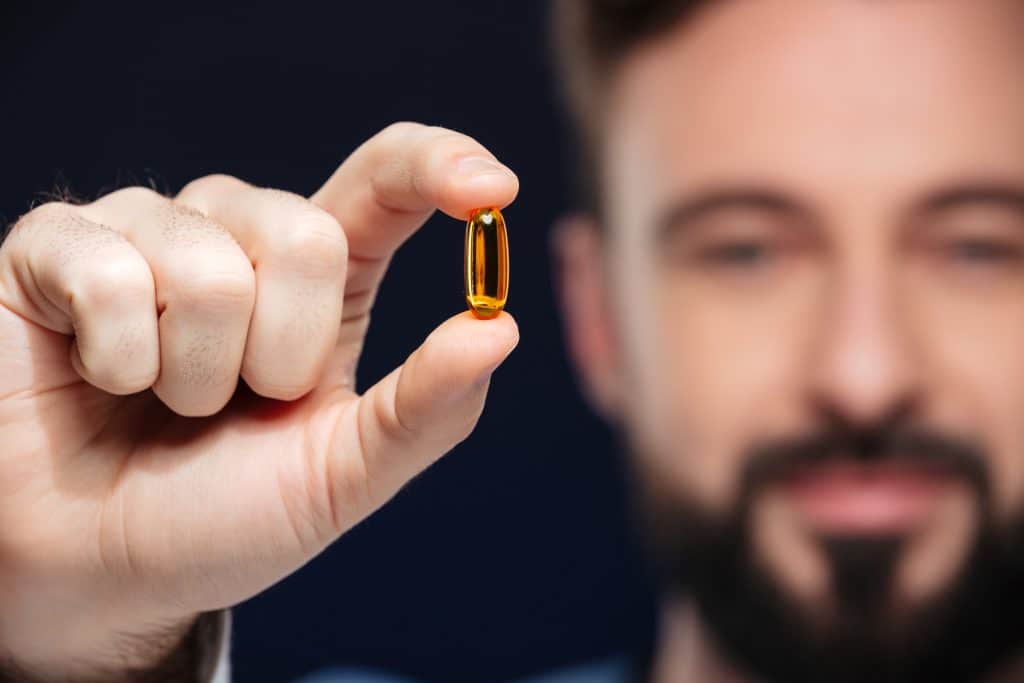 Are you concerned about your vitamin D levels? In 2026, understanding vitamin D deficiency in the US is more critical than ever, with ongoing research shedding light on its widespread impact on health and well-being.
This essential nutrient, often dubbed the “sunshine vitamin,” plays a pivotal role far beyond just bone health, influencing everything from immune function to mood regulation. Join us as we delve into the latest findings and explore how you can ensure you’re getting enough.
Understanding the Current Landscape of Vitamin D Deficiency
The landscape of vitamin D deficiency in the United States continues to evolve, with new data constantly refining our understanding of its prevalence and contributing factors.
Despite increased awareness and supplementation efforts, a significant portion of the population still struggles to maintain optimal levels. This section will explore the most recent statistics and demographic trends.
Recent studies in 2026 indicate that while severe deficiency rates might be slightly declining in some demographics, suboptimal levels remain alarmingly common across various age groups and ethnic backgrounds.
This persistent challenge highlights the multifaceted nature of vitamin D metabolism and the complex interplay of lifestyle, geography, and genetics.
Prevalence Across Demographics
The impact of vitamin D deficiency is not evenly distributed across the US population. Certain groups face a higher risk due to a combination of physiological, environmental, and socio-economic factors.
Elderly Individuals: As we age, the skin’s ability to synthesize vitamin D from sunlight diminishes, making older adults particularly vulnerable. Reduced outdoor activity and certain medications can further exacerbate this risk.
Individuals with Darker Skin Tones: Melanin acts as a natural sunscreen, reducing the skin’s capacity to produce vitamin D. This means individuals with darker complexions require significantly more sun exposure to synthesize the same amount of vitamin D as those with lighter skin.
Obese Individuals: Vitamin D is fat-soluble and can be sequestered in adipose tissue, making it less bioavailable in individuals with higher body fat percentages. This often necessitates higher doses of supplementation.
Those with Limited Sun Exposure: Modern lifestyles, characterized by extended periods indoors, the use of sunscreen, and geographical locations with less intense sunlight, contribute significantly to insufficient vitamin D levels.
Understanding these demographic disparities is crucial for targeted public health interventions and personalized medical advice. It underscores the need for a nuanced approach to addressing vitamin D inadequacy.
The Multifaceted Health Impacts of Low Vitamin D Levels
Vitamin D’s role extends far beyond its well-known contribution to bone health. Emerging research in 2026 continues to uncover its critical involvement in numerous physiological processes, making its deficiency a potential contributor to a wide array of chronic health issues.
This section will delve into the diverse impacts of suboptimal vitamin D levels on the human body.
From supporting immune function to influencing cardiovascular health and even mental well-being, adequate vitamin D is foundational. When levels are insufficient, the body’s ability to perform these vital functions can be compromised, leading to a cascade of potential health problems that might not be immediately apparent.
Beyond Bone Health: Systemic Effects
While often associated primarily with strong bones, vitamin D receptors are present in almost every tissue and cell in the body, indicating its broad influence. Its systemic effects are a major area of ongoing scientific inquiry.
Immune System Modulation: Vitamin D plays a crucial role in regulating the immune system, helping to prevent excessive inflammatory responses and supporting the body’s defense against pathogens. Low levels have been linked to increased susceptibility to infections and autoimmune diseases.
Cardiovascular Health: Research suggests a correlation between vitamin D deficiency and an increased risk of cardiovascular diseases, including hypertension, heart failure, and stroke. It may influence blood pressure regulation and endothelial function.
Mental Health and Neurological Function: Studies have explored the link between vitamin D levels and mood disorders, such as depression and seasonal affective disorder. Its role in brain development and function is also an area of active investigation.
These findings emphasize that addressing vitamin D deficiency is not merely about preventing rickets or osteoporosis, but about promoting overall systemic health and resilience against a broad spectrum of diseases. The implications for public health are profound.
Sources of Vitamin D: Sunlight, Diet, and Supplements
Achieving and maintaining optimal vitamin D levels requires a strategic approach, often combining different sources.
While sunlight is the primary natural source, dietary intake and supplementation play increasingly vital roles, especially given modern lifestyles and geographical constraints. Understanding the nuances of each source is key to effective management.
The balance between these sources can vary significantly based on individual needs, location, time of year, and other factors. Relying solely on one source might not be sufficient for many Americans, necessitating a more comprehensive strategy to prevent vitamin D deficiency in the US.
Optimizing Your Vitamin D Intake
Each source of vitamin D comes with its own set of considerations for maximization and safety. It’s important to approach each method thoughtfully to ensure adequate and safe intake.
Sunlight Exposure: Brief, unprotected sun exposure (around 10-30 minutes, several times a week) during peak hours (late morning to early afternoon) can be highly effective. However, factors like skin tone, latitude, season, and sunscreen use significantly impact synthesis. It’s crucial to balance sun exposure with skin cancer prevention.
Dietary Sources: While few foods naturally contain significant amounts of vitamin D, fatty fish (salmon, mackerel, tuna), cod liver oil, and some mushrooms are good sources. Many foods in the US are fortified with vitamin D, including milk, cereals, and some orange juices and yogurts.
Supplementation: For many, especially those at higher risk of deficiency, vitamin D supplements are a reliable way to achieve adequate levels. Doses vary widely based on individual needs, and it’s best to consult with a healthcare provider to determine the appropriate amount.
A balanced approach that considers these three pillars—sunlight, diet, and judicious supplementation—is often the most effective way to combat and prevent vitamin D deficiency, ensuring the body has the necessary building blocks for health.

Latest Research on Recommended Daily Allowances (RDAs)
The scientific community continually reviews and updates guidelines for nutrient intake, including vitamin D. The recommended daily allowances (RDAs) are critical benchmarks for public health and individual dietary planning.
Recent research in 2026 has provided further insights into what constitutes optimal vitamin D levels and how these recommendations might need to adapt.
There’s an ongoing debate regarding the ideal serum 25-hydroxyvitamin D levels, which is the most accurate indicator of vitamin D status.
While consensus exists on preventing overt deficiency, the range for optimal health benefits is still a topic of active discussion among experts. This has direct implications for how we understand and address vitamin D deficiency in the US.
Evolving Guidelines and Optimal Levels
Understanding the current and evolving recommendations is essential for both healthcare providers and individuals aiming to maintain good health. These guidelines are based on extensive scientific evidence.
Current RDAs: The Institute of Medicine (IOM) recommends 600 International Units (IU) of vitamin D per day for most adults up to age 70, and 800 IU for those over 70. However, many experts argue these levels are too low for optimal health.
Beyond RDAs: Some organizations and researchers suggest that higher daily intakes, often in the range of 1,000-4,000 IU, might be necessary for many adults to achieve optimal serum levels (typically defined as 30-60 ng/mL or 75-150 nmol/L).
Individualized Needs: It’s increasingly recognized that a one-size-fits-all approach is insufficient. Factors like age, skin tone, body weight, geographical location, and underlying health conditions can significantly alter an individual’s vitamin D requirements.
These evolving guidelines underscore the importance of personalized approaches to vitamin D management, often requiring consultation with a healthcare professional to determine the most appropriate intake for individual circumstances.
The goal is to move beyond merely preventing deficiency to achieving sufficiency for broader health benefits.
Testing for Vitamin D Levels: When and Why it Matters
Knowing your vitamin D status is the first crucial step in addressing any potential deficiency. Blood tests are the most accurate way to measure 25-hydroxyvitamin D, providing a clear picture of your current levels. This section will discuss when testing is recommended, what the results mean, and the importance of regular monitoring.
For many, particularly those in high-risk categories or experiencing symptoms that could be linked to low vitamin D, getting tested can provide valuable insights.
It allows for a targeted and effective strategy to correct any imbalances, moving beyond guesswork and towards evidence-based interventions for vitamin D deficiency in the US.
Interpreting Your Results and Taking Action
Once you have your test results, understanding what they signify is paramount. Healthcare providers typically use specific ranges to classify vitamin D status, guiding subsequent recommendations.
Deficient: Levels below 20 ng/mL (50 nmol/L) are generally considered deficient, requiring intervention.
Insufficient: Levels between 20-29 ng/mL (50-74 nmol/L) are insufficient, indicating a need for increased intake.
Sufficient: Levels at or above 30 ng/mL (75 nmol/L) are generally considered sufficient for most people. Some experts aim for levels between 40-60 ng/mL (100-150 nmol/L) for optimal health.
When to Test: Testing is often recommended for individuals with symptoms suggestive of deficiency (e.g., bone pain, muscle weakness, fatigue), those with risk factors (e.g., darker skin, obesity, limited sun exposure), or those with conditions affecting vitamin D absorption.
Regular testing, especially when starting or adjusting supplementation, ensures that vitamin D levels are within a healthy range without exceeding safe upper limits.
This proactive approach is vital for maintaining long-term health and preventing complications associated with both deficiency and toxicity.

Future Outlook: Innovations in Vitamin D Research and Public Health
The field of vitamin D research is dynamic, with continuous advancements promising better strategies for understanding, preventing, and treating deficiency. As we look towards 2026 and beyond, several innovations are shaping the future of public health approaches to this vital nutrient, particularly concerning vitamin D deficiency in the US.
From novel delivery methods to advanced diagnostic tools and personalized nutrition, the future holds exciting prospects for more effective management of vitamin D status. These developments could revolutionize how individuals and healthcare systems approach this widespread health concern.
Emerging Trends and Solutions
The ongoing commitment to research is yielding new insights and practical solutions for addressing vitamin D inadequacy. These advancements aim to overcome current challenges and improve population-wide health outcomes.
Personalized Nutrition Approaches: Genetic research is beginning to uncover how individual genetic variations influence vitamin D metabolism. This could lead to highly personalized recommendations for intake, moving beyond generalized RDAs.
Enhanced Fortification Strategies: Innovations in food science may lead to more effective and widespread fortification of staple foods with vitamin D, reaching a broader segment of the population without requiring conscious supplementation.
Advanced Delivery Systems: Research into new forms of vitamin D supplementation, such as transdermal patches or microencapsulated forms, aims to improve absorption and bioavailability, especially for individuals with malabsorption issues.
Public Health Campaigns: Continued and more targeted public health education campaigns, leveraging digital platforms and community outreach, will be crucial in raising awareness and promoting safe sun exposure and appropriate supplementation.
These future directions signify a comprehensive effort to combat vitamin D deficiency, integrating scientific breakthroughs with practical public health initiatives.
The goal is to empower individuals with the knowledge and tools to maintain optimal vitamin D levels for a healthier future.
Preventative Strategies Against Vitamin D Deficiency
Proactive preventative measures are essential in combating the widespread issue of vitamin D deficiency.
Rather than waiting for symptoms to appear, adopting a consistent strategy for adequate intake can significantly improve overall health and reduce risks associated with low levels. This section outlines practical and effective steps individuals can take.
Implementing these strategies requires a conscious effort and an understanding of one’s individual needs and risk factors. It’s about integrating healthy habits into daily life to ensure a steady supply of this crucial nutrient, thereby mitigating the prevalence of vitamin D deficiency in the US.
Practical Steps for Maintaining Optimal Levels
A multi-pronged approach often yields the best results, combining natural exposure with dietary choices and, when necessary, supplementation. Consistency is key to long-term success.
Regular, Safe Sun Exposure: Aim for short bursts of unprotected sun exposure (10-20 minutes) on exposed skin, such as arms and legs, during times of adequate UV-B radiation. Remember to avoid sunburn and use sunscreen for prolonged exposure.
Incorporate Vitamin D-Rich Foods: Make an effort to include fatty fish (salmon, tuna), fortified dairy products, cereals, and plant-based milks in your diet. Egg yolks and some mushrooms also offer smaller amounts.
Consider Supplementation: For many, especially during winter months or if sun exposure is limited, a daily vitamin D supplement (D3 form is generally preferred) can be highly beneficial. Consult a healthcare provider to determine the appropriate dosage.
Regular Health Check-ups: Discuss your vitamin D status with your doctor, especially if you fall into a high-risk group. Periodic blood tests can confirm your levels and guide supplementation adjustments.
By consistently applying these preventative strategies, individuals can significantly reduce their risk of vitamin D deficiency, supporting their immune system, bone health, and overall well-being. Education and adherence are paramount in this ongoing effort.
| Key Aspect | Brief Description |
|---|---|
| Prevalence 2026 | Significant portion of US population still experiences suboptimal vitamin D levels, especially specific demographics. |
| Health Impacts | Affects bone health, immune function, cardiovascular system, and mental well-being beyond just bone health. |
| Sources & Intake | Sunlight, fortified foods, and dietary supplements are crucial for adequate intake, often requiring a combined approach. |
| Testing Importance | Regular blood tests are vital to accurately assess vitamin D status and guide personalized supplementation strategies. |
Frequently Asked Questions About Vitamin D Deficiency
Common symptoms of vitamin D deficiency can include fatigue, bone pain, muscle weakness or aches, and mood changes. More severe deficiency can lead to bone softening conditions like rickets in children and osteomalacia in adults. However, many people experience no noticeable symptoms.
Generally, 10-30 minutes of midday sun exposure (between 10 AM and 3 PM) several times a week on exposed skin (arms, legs, back) can be sufficient. This varies greatly by skin tone, geographic location, season, and cloud cover. Always prioritize sun safety to prevent skin damage.
While some foods are fortified with vitamin D (like milk and cereals) and fatty fish naturally contain it, it’s often challenging to meet daily requirements solely through diet, especially for those with higher needs or limited sun exposure. Supplements are frequently necessary.
Most experts consider a 25-hydroxyvitamin D level of 30 ng/mL (75 nmol/L) or higher to be sufficient. Some advocate for optimal levels between 40-60 ng/mL (100-150 nmol/L) for broader health benefits. Levels below 20 ng/mL are deficient.
Individuals at higher risk include the elderly, people with darker skin tones, obese individuals, those with limited sun exposure, and people with certain medical conditions affecting absorption, such as Crohn’s disease or celiac disease. Testing is especially important for these groups.
Conclusion: Prioritizing Vitamin D for a Healthier Future
The ongoing research into vitamin D deficiency in the US for 2026 underscores its persistent prevalence and profound impact on public health. From bone integrity to immune resilience and mental well-being, adequate vitamin D levels are foundational for optimal physiological function.
While challenges remain in ensuring sufficient intake across all demographics, the combination of safe sun exposure, a balanced diet rich in fortified foods, and strategic supplementation, guided by professional advice, offers a clear path forward.
Prioritizing vitamin D is not merely about addressing a deficiency; it’s about investing in a healthier, more robust future for individuals and the nation as a whole. Staying informed about the latest research and proactively managing your vitamin D status are crucial steps towards enhancing your overall quality of life.