Improve Your Heart Health: 7 Home Exercises, No Equipment

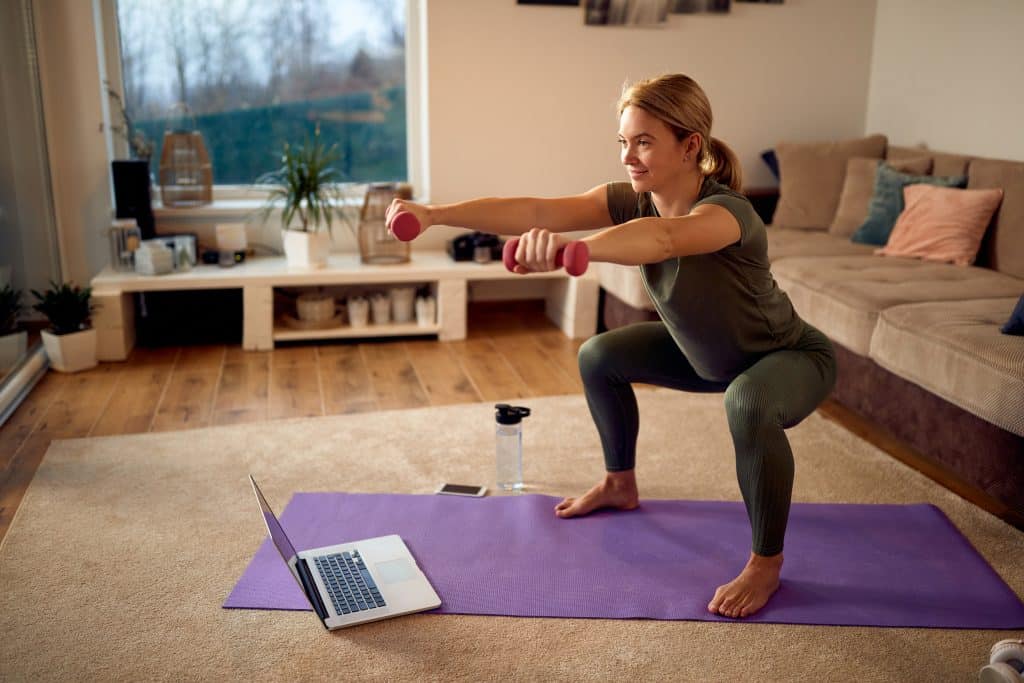 Engaging in regular physical activity is crucial for cardiovascular well-being, and you can significantly improve your heart health with seven simple, equipment-free exercises performed conveniently at home.
Are you looking to improve your heart health but find yourself short on time, intimidated by gyms, or lacking specialized equipment? You’re not alone.
The good news is that you don’t need a fancy gym membership or expensive gear to make significant strides in your cardiovascular fitness. In fact, some of the most effective exercises for a strong heart can be done right in your living room, using nothing but your own body weight and a bit of determination.
Understanding the Importance of Cardiovascular Health
Cardiovascular health is a cornerstone of overall well-being, influencing everything from energy levels to longevity. Your heart, a powerful muscle, works tirelessly every second of your life, pumping blood throughout your body.
Maintaining its strength and efficiency is paramount to preventing a host of health issues, including heart disease, stroke, and high blood pressure. Regular physical activity plays a critical role in this maintenance, acting as a natural tonic for your circulatory system.
When you engage in aerobic exercise, your heart rate increases, and your heart becomes more efficient at pumping blood. Over time, this leads to a stronger heart muscle, lower resting heart rate, and improved blood flow.
It also helps manage cholesterol levels and blood sugar, further reducing risks associated with cardiovascular conditions. Understanding these fundamental benefits provides a powerful motivation to incorporate consistent exercise into your daily routine, even if it’s just for a few minutes each day.
The Benefits of a Strong Heart
A healthy heart doesn’t just prevent illness; it enhances your quality of life in myriad ways. From improved stamina to better mood, the advantages are far-reaching.
Cultivating a robust cardiovascular system can significantly impact how you experience daily activities and your long-term health trajectory.
Increased Energy Levels: A more efficient heart means more oxygen and nutrients reach your muscles and organs, resulting in sustained energy throughout the day.
Better Stress Management: Exercise is a powerful stress reliever, helping to mitigate the negative impact of chronic stress on your heart.
Improved Sleep Quality: Regular physical activity can lead to deeper, more restful sleep, which is vital for recovery and overall health.
Enhanced Immune Function: A healthy heart supports a stronger immune system, making your body more resilient against illnesses.
Ultimately, prioritizing your heart health through accessible exercises is an investment in your future. It’s about empowering yourself with the tools to live a more vibrant, energetic, and disease-resistant life. The beauty of these home-based, no-equipment workouts is their simplicity and adaptability, making them suitable for almost anyone, regardless of current fitness level.
Warm-Up Essentials: Preparing Your Body for Exercise
Before diving into any exercise routine, a proper warm-up is crucial. It’s not just about preventing injury; it also prepares your cardiovascular system and muscles for the impending exertion, making your workout more effective and enjoyable.
A good warm-up gradually increases your heart rate and blood flow, loosening your joints and improving muscle elasticity. This preparatory phase signals to your body that it’s time to work, enhancing performance and reducing post-exercise soreness.
Think of warming up as gently waking up your body. You wouldn’t immediately sprint from a cold start, and similarly, your muscles and heart need a gradual transition into more intense activity. Spending 5-10 minutes on dynamic stretches and light aerobic movements can make a significant difference in how your body responds to exercise, ensuring you get the most out of your heart-healthy routine.
Effective Warm-Up Movements
These simple movements can be done in a small space and require no special equipment. They focus on mobility and light cardiovascular engagement, setting the stage for a productive workout.
Arm Circles: Start with small circles, gradually increasing the size both forward and backward. This mobilizes your shoulder joints and gets your upper body ready.
Leg Swings: Gently swing each leg forward and backward, then side to side. This improves hip mobility and warms up your leg muscles.
Torso Twists: Standing with feet shoulder-width apart, gently twist your torso from side to side, keeping your hips relatively stable. This warms up your core and spine.
Marching in Place: A simple yet effective way to elevate your heart rate gradually. Lift your knees high and swing your arms naturally.
The goal of a warm-up is to feel slightly warm and ready to move, not exhausted. It’s a gentle invitation for your body to prepare for the main event.
By consistently incorporating a warm-up, you’re not only safeguarding yourself from potential strains but also optimizing your body’s readiness to actively improve your heart health.
Exercise 1: Jumping Jacks – A Classic Cardio Booster
Jumping jacks are a fundamental full-body exercise that effectively elevates your heart rate and works multiple muscle groups simultaneously.
This simple, dynamic movement is a fantastic way to kickstart your cardiovascular workout, making it an excellent choice for anyone looking to improve heart health without any equipment. The rhythmic motion involves both your upper and lower body, providing a comprehensive aerobic challenge that can be easily modified to suit various fitness levels.
The beauty of jumping jacks lies in their accessibility and versatility. They require no special instructions beyond the basic movement, yet they deliver significant cardiovascular benefits. Performing them consistently can improve your stamina, coordination, and overall fitness, all while strengthening your heart. It’s a go-to exercise for a quick burst of cardio, perfect for fitting into a busy schedule.
Proper Form for Maximum Benefit
To get the most out of your jumping jacks and avoid any strain, focusing on proper form is key. While seemingly straightforward, small adjustments can enhance effectiveness and safety.
Starting Position: Stand tall with your feet together and your arms at your sides.
The Jump: Simultaneously jump your feet out to the sides, wider than shoulder-width apart, while raising your arms overhead until they meet or almost meet.
Return to Start: Jump your feet back together and bring your arms back down to your sides in a controlled motion.
Rhythm and Breathing: Maintain a steady, controlled rhythm and breathe deeply throughout the exercise.
If high-impact jumping jacks are too intense, you can modify them by stepping one foot out at a time while raising the opposite arm, known as a stepping jack. This reduces impact while still providing cardiovascular benefits.
Aim for 3 sets of 30-60 seconds, or as many repetitions as you can comfortably perform with good form. Incorporating jumping jacks into your routine is an efficient and enjoyable way to boost your heart health from home.
Exercise 2: High Knees – Elevating Your Heart Rate
High knees are a dynamic and highly effective cardiovascular exercise that doesn’t require any equipment and can be performed in a small space.
This movement mimics running in place but with an exaggerated knee lift, engaging your core, quadriceps, and glutes while significantly increasing your heart rate. It’s an excellent way to build stamina and improve cardiovascular endurance, contributing directly to your goal to improve heart health.
The intensity of high knees can be adjusted, making them suitable for beginners and advanced exercisers alike.
You can perform them at a slower pace for a less strenuous workout or pick up the speed for a more vigorous cardio challenge. The key is to focus on lifting your knees as high as possible, ideally to hip height, to maximize muscle engagement and cardiovascular benefit.
Mastering the High Knee Technique
Proper form for high knees ensures you’re working the right muscles and getting the most out of the exercise without undue strain. Pay attention to your posture and movement to optimize effectiveness.
Starting Stance: Stand tall with your feet hip-width apart and your arms bent at a 90-degree angle, similar to a running posture.
The Movement: Begin by rapidly lifting one knee towards your chest, then quickly switch to the other leg. Your arms should pump in opposition to your legs, just like when running.
Core Engagement: Keep your core tight throughout the exercise to maintain balance and stability.
Landing Softly: Land softly on the balls of your feet to minimize impact on your joints.
Try to perform high knees for 30-60 seconds per set, with short rests in between. As you get fitter, you can extend the duration or increase the intensity.
This exercise is a fantastic addition to any home workout, offering a powerful way to challenge your cardiovascular system and strengthen your entire lower body without stepping foot outside or investing in gym gear.
Exercise 3: Mountain Climbers – Core and Cardio Combined
Mountain climbers are a powerhouse exercise that offers a unique blend of cardiovascular training and core strengthening. Performed from a plank position, this dynamic movement involves bringing your knees towards your chest in an alternating fashion, mimicking climbing a mountain.
It’s an incredibly efficient way to elevate your heart rate, engage your abdominal muscles, and work your shoulders, arms, and legs all at once. For those aiming to improve heart health and build functional strength, mountain climbers are an indispensable addition to your routine.
The continuous motion of mountain climbers keeps your heart pumping, providing excellent aerobic benefits, while the plank position demands significant core stability.
This dual benefit makes them a highly effective exercise for burning calories, improving endurance, and developing a strong, resilient core. They can be performed virtually anywhere, making them perfect for home workouts.
Executing Mountain Climbers with Precision
Correct form is vital for mountain climbers to maximize their benefits and prevent potential injury. Focus on maintaining a stable plank and controlled knee movements.
Starting Position: Begin in a plank position, hands directly under your shoulders, body forming a straight line from head to heels.
Core Engagement: Keep your core engaged and your hips stable throughout the exercise. Avoid letting your hips sag or rise too high.
Leg Movement: Drive one knee towards your chest, then quickly return it to the starting position as you simultaneously bring the other knee forward.
Pace Control: You can start slowly and gradually increase your pace as you become more comfortable, ensuring you maintain good form.
Aim for 3 sets of 30-60 seconds, or as many controlled repetitions as you can manage. If the full movement is too challenging, you can slow down the pace or even perform them against a wall at an incline.
Mountain climbers are a testament to how effective bodyweight exercises can be, providing a comprehensive workout that strengthens your heart and your entire body.
Exercise 4: Burpees – The Ultimate Full-Body Challenge
Burpees have a reputation for being one of the most challenging, yet incredibly effective, full-body exercises. They combine a squat, plank, push-up (optional), and jump into one fluid movement, delivering an intense cardiovascular and strength workout.
While daunting at first, mastering burpees is a fantastic way to significantly improve heart health, build endurance, and torch calories, all without any equipment. The holistic nature of burpees means you’re engaging nearly every major muscle group, making them a highly efficient exercise for overall fitness.
The intensity of burpees can be intimidating, but they are also highly adaptable. For beginners, modifications can make them more accessible, gradually building up the strength and stamina needed for the full movement. Their power lies in their ability to rapidly elevate your heart rate and challenge your muscular endurance, contributing to a stronger, healthier cardiovascular system over time.
Breaking Down the Burpee
To successfully perform a burpee, it helps to break it down into its component parts and focus on smooth transitions between each step.
Start Standing: Begin in a standing position, feet shoulder-width apart.
Squat Down: Lower into a squat, placing your hands on the floor in front of you.
Jump Back to Plank: Kick your feet back into a plank position. You can optionally add a push-up here.
Jump Feet Forward: Jump your feet back towards your hands, returning to a squat position.
Jump Up: Explosively jump up, reaching your arms overhead.
If the full burpee is too much, you can step back into the plank instead of jumping, and skip the push-up. Focus on controlled movements rather than speed initially.
Aim for 3 sets of 8-12 repetitions, or as many as you can complete with good form. Burpees are a testament to the power of bodyweight training, offering a complete workout that will undoubtedly push your limits and enhance your cardiovascular fitness.
Exercise 5: Squat Jumps – Explosive Power for Your Heart
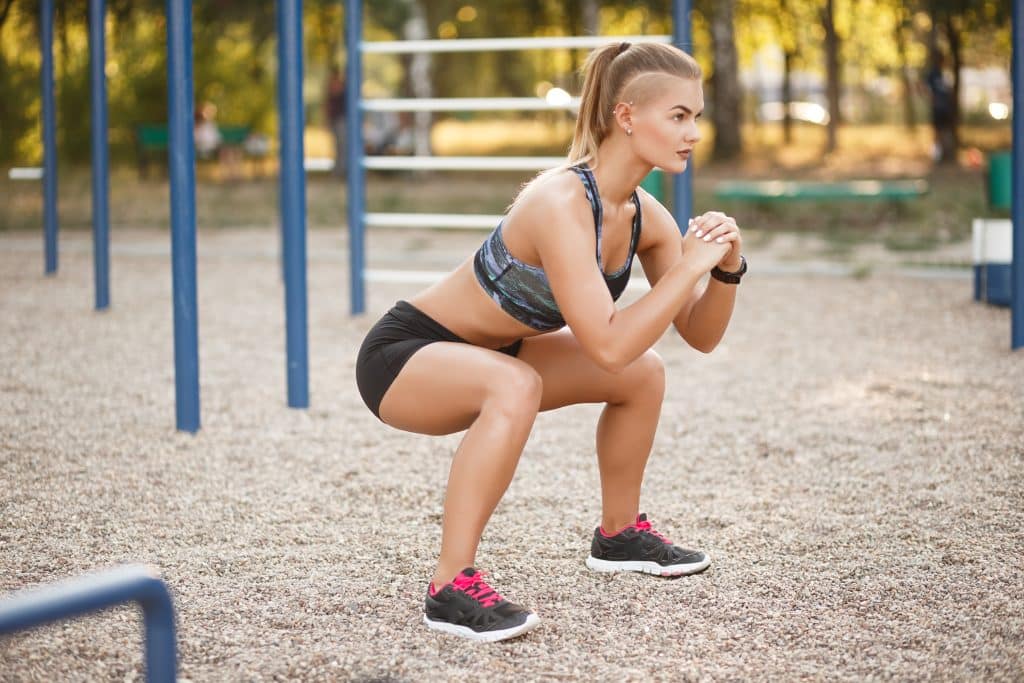
Squat jumps are an excellent plyometric exercise that builds explosive power in your lower body while providing a significant cardiovascular challenge.
This variation of the traditional squat adds a powerful jump at the top, rapidly increasing your heart rate and engaging your leg and glute muscles more intensely. For anyone serious about boosting their aerobic capacity and contributing to a stronger heart, incorporating squat jumps into a no-equipment home workout is a highly effective strategy to improve heart health.
The dynamic nature of squat jumps not only strengthens your muscles but also improves your balance and coordination.
The quick transitions between phases of the movement demand significant energy, making them ideal for high-intensity interval training (HIIT) segments. While impactful, focusing on proper landing technique can mitigate stress on your joints, allowing you to reap the numerous benefits safely.
Perfecting Your Squat Jump Technique
Achieving good form in squat jumps is crucial for both effectiveness and injury prevention. Focus on controlled movements and a soft landing.
Starting Position: Stand with your feet shoulder-width apart, toes pointing slightly outward.
Squat Down: Lower into a regular squat, keeping your chest up and your back straight, as if sitting into a chair.
Explode Up: From the bottom of the squat, powerfully push through your heels and jump vertically, extending your arms for momentum.
Land Softly: Land gently back into a squat position, absorbing the impact through your knees and hips, then immediately transition into the next jump.
Start with a manageable number of repetitions, perhaps 3 sets of 10-15, and focus on form over speed. If jumping is too much, you can perform regular squats with an explosive stand, rising onto your toes at the top.
Squat jumps are a fantastic way to add intensity to your home workouts, providing a robust cardiovascular challenge that will leave your heart stronger and your legs more powerful.
Exercise 6: Lunges with Twist – Dynamic Strength and Core Stability
Lunges with a twist are a fantastic compound exercise that targets multiple muscle groups while simultaneously engaging your core and providing a light cardiovascular benefit.
This variation of the traditional lunge adds a rotational element, enhancing core stability, improving balance, and promoting functional strength. It’s an excellent addition to a no-equipment home workout for those looking to improve heart health through movements that also build strength and flexibility.
By incorporating the twist, you’re not only working your quadriceps, hamstrings, and glutes but also challenging your obliques and deeper core muscles.
This makes it a highly efficient exercise for developing overall body control and coordination, which are essential for everyday movements and maintaining a healthy, active lifestyle. The controlled nature of the lunge also makes it a great way to gradually increase your heart rate without excessive impact.
Executing Lunges with Twist Safely and Effectively
Proper form is paramount when performing lunges with a twist to prevent knee or back strain and to maximize the exercise’s benefits. Focus on a stable base and controlled rotation.
Starting Position: Stand tall with your feet hip-width apart.
Lunge Forward: Step forward with one leg, lowering your hips until both knees are bent at approximately a 90-degree angle. Ensure your front knee is directly above your ankle and your back knee hovers just above the ground.
Add the Twist: While in the lunge position, rotate your torso towards your front leg. Keep your core engaged and avoid twisting from your hips.
Return and Repeat: Untwist your torso, push off your front foot to return to the starting position, and then repeat on the other side.
Perform 3 sets of 10-12 repetitions on each leg, focusing on smooth, controlled movements. If the twist is too challenging initially, you can perform regular lunges and gradually introduce the rotation as your balance and core strength improve.
Lunges with a twist are a versatile exercise that enhances your body’s functional capabilities while supporting your cardiovascular health journey.
Exercise 7: Plank Jacks – Core Stability Meets Cardio Burst
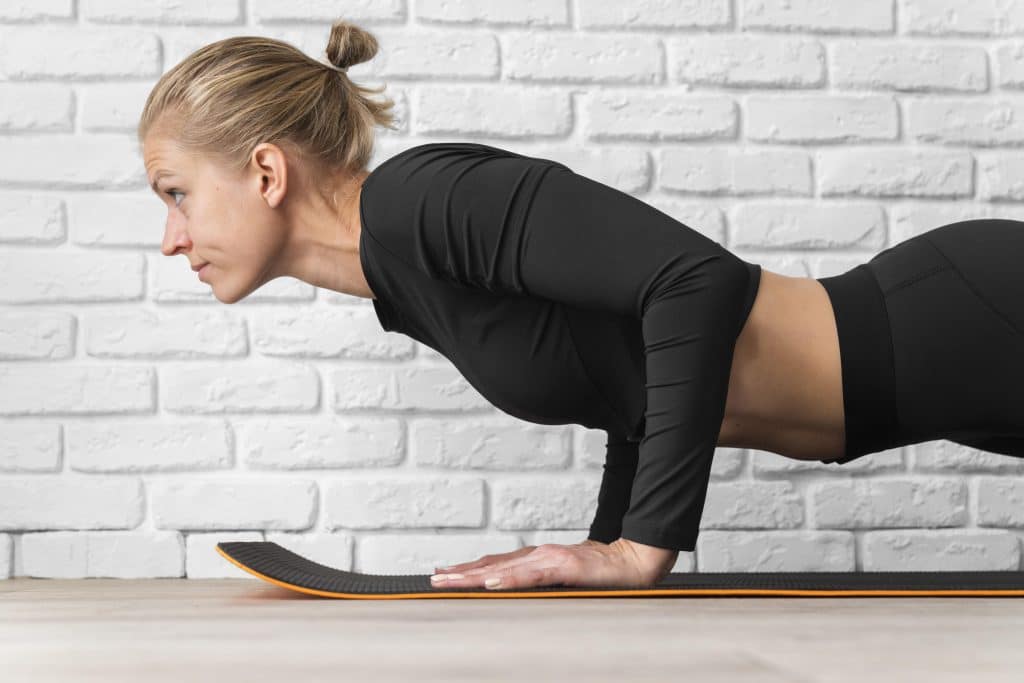
Plank jacks combine the core-stabilizing benefits of a plank with the cardiovascular challenge of a jumping jack. This dynamic exercise requires you to hold a strong plank position while rapidly jumping your feet out and in.
It’s an incredibly effective way to elevate your heart rate, strengthen your entire core, and work your shoulders and glutes simultaneously, making it an excellent choice for those aiming to improve heart health from the comfort of their home without any equipment.
The beauty of plank jacks lies in their efficiency. They offer a high-intensity burst of cardio while also demanding significant isometric strength from your core, which is crucial for overall stability and injury prevention.
This exercise can be easily scaled, making it suitable for various fitness levels, from beginners who can step their feet out one at a time to advanced exercisers who can maintain a fast pace.
Mastering the Plank Jack
To perform plank jacks effectively and safely, maintaining a stable plank position is paramount. Focus on keeping your hips still and your core engaged throughout the movement.
Starting Position: Begin in a high plank position, with your hands directly under your shoulders and your body forming a straight line from head to heels.
Core Engagement: Brace your core tightly to prevent your hips from sagging or rising during the jumps.
The Jump: Keeping your upper body stable, jump both feet out to the sides, similar to the leg movement in a jumping jack.
Return to Start: Quickly jump your feet back together, returning to the starting plank position.
Aim for 3 sets of 30-60 seconds, or as many controlled repetitions as you can perform. If the jumping motion is too intense, you can modify by stepping one foot out at a time, alternating sides.
Plank jacks are a testament to how creative bodyweight exercises can be, providing a challenging and rewarding workout that significantly contributes to a stronger heart and a more resilient core.
Cool-Down and Stretching: The Essential Finish
Just as a warm-up prepares your body for exercise, a cool-down helps it transition back to a resting state. Skipping this vital phase can leave your muscles tight and increase the risk of soreness or injury.
A proper cool-down gradually lowers your heart rate, helps remove metabolic waste products from your muscles, and improves flexibility, all of which are essential for recovery and continued progress in your journey to improve heart health.
The cool-down typically involves 5-10 minutes of light aerobic activity, such as marching in place or slow walking, followed by static stretches.
Static stretches involve holding a stretch for 20-30 seconds, targeting the major muscle groups worked during your workout. This practice enhances muscle elasticity, reduces stiffness, and promotes relaxation, completing the cycle of a beneficial exercise session.
Effective Cool-Down Stretches
Focus on stretches that target the muscles most engaged during your no-equipment home workout. Hold each stretch gently, without bouncing, and breathe deeply.
Quad Stretch: Stand and hold onto something for balance. Grab one ankle and gently pull your heel towards your glutes.
Hamstring Stretch: Sit on the floor with one leg extended. Reach towards your toes, keeping your back straight.
Calf Stretch: Stand facing a wall, place your hands on it. Step one foot back, keeping your heel down, and lean forward.
Triceps Stretch: Reach one arm overhead, bend your elbow, and let your hand fall behind your head. Use your other hand to gently push the elbow down.
Chest Stretch: Interlace your fingers behind your back and gently lift your arms away from your body.
Incorporating a cool-down and stretching routine ensures that your body recovers effectively, preparing you for your next workout. It’s a moment to appreciate the effort you’ve put in and to gently bring your body back to a state of calm.
This holistic approach to exercise, from warm-up to cool-down, maximizes the benefits for your cardiovascular system and overall well-being.
| Key Exercise | Primary Benefit |
|---|---|
| Jumping Jacks | Full-body cardio boost, coordination. |
| High Knees | Elevates heart rate, strengthens lower body. |
| Burpees | Ultimate full-body cardiovascular and strength challenge. |
| Plank Jacks | Core stability with a dynamic cardio burst. |
Frequently Asked Questions About Heart Health and Home Exercises
For significant heart health benefits, aim for at least 150 minutes of moderate-intensity aerobic activity or 75 minutes of vigorous-intensity activity per week. This can be broken down into shorter sessions, such as 30 minutes, five days a week, making it easily manageable at home.
Absolutely. These equipment-free exercises are highly effective for cardiovascular fitness. Consistency and proper intensity are more important than specific equipment. You can achieve excellent heart health results by regularly performing these bodyweight movements from home.
Improvements in heart health can manifest as increased stamina, a lower resting heart rate, easier breathing during activities, and better energy levels throughout the day. You might also notice improved sleep quality and a general feeling of well-being.
It’s generally safe, but always consult your doctor before starting any new exercise program, especially if you have underlying health conditions. Start slowly, modify exercises as needed, and gradually increase intensity and duration. Listen to your body and prioritize good form.
Set realistic goals, track your progress, vary your routine to prevent boredom, and find an accountability partner if possible. Celebrate small victories and remember that even short bursts of activity contribute positively to your long-term heart health. Consistency is key.
Conclusion
Embarking on a journey to improve your heart health doesn’t require complex gym memberships or expensive equipment. As we’ve explored, the power to strengthen your cardiovascular system lies within your immediate reach, utilizing simple yet highly effective bodyweight exercises you can perform right at home.
From the classic cardio boost of jumping jacks to the full-body challenge of burpees and the core-strengthening dynamics of plank jacks, these seven exercises offer a comprehensive approach to enhancing your heart’s vitality.
By consistently incorporating warm-ups, dedicated exercise, and essential cool-downs, you are not only building a stronger heart but also investing in a more energetic, resilient, and healthier future. Start today, one movement at a time, and witness the profound impact on your overall well-being.