Best Smart Home Devices 2026: Automate Your Life

 Are you ready to transform your living space into a truly intelligent environment? In 2026, the landscape of home automation has evolved dramatically, offering innovative solutions that seamlessly integrate into your daily routine.
This article explores the best smart home devices of 2026, guiding you through the cutting-edge gadgets that promise to automate your life, enhance security, and boost energy efficiency, making your home more comfortable and responsive than ever before.
The Evolution of Smart Home Technology: A Glimpse into 2026
The journey of smart home technology has been nothing short of remarkable. From simple remote controls to sophisticated AI-driven systems, our homes are becoming increasingly intuitive. In 2026, this evolution culminates in devices that not only respond to our commands but anticipate our needs, creating a living experience that feels almost magical.
The focus has shifted from mere connectivity to genuine intelligence and seamless integration.
This year, we are seeing a significant push towards interoperability, meaning devices from different manufacturers can communicate and work together effortlessly.
This eliminates the frustration of fragmented ecosystems and allows for a truly unified smart home experience. Furthermore, advancements in artificial intelligence and machine learning are enabling devices to learn our habits, optimize performance, and even detect anomalies, providing a new level of convenience and security.
Enhanced Interoperability and AI Integration
Unified Platforms: Major tech companies are collaborating to create universal standards, allowing diverse devices to connect and operate seamlessly. This means your smart thermostat can now communicate directly with your smart blinds and lighting, optimizing energy use without complex manual configurations.
Predictive Automation: AI algorithms analyze daily routines and environmental factors to predict needs. For instance, your smart coffee maker might start brewing as your alarm goes off, or your HVAC system adjusts temperatures based on predicted weather changes and occupancy patterns.
Voice Assistant Dominance: While voice assistants have been around, 2026 sees them as the central hub for almost all smart home interactions, with improved natural language processing and contextual understanding. Controlling multiple devices with a single, complex command is now commonplace.
The advancements in smart home technology by 2026 represent a leap forward in how we interact with our living spaces.
These devices are designed to simplify tasks, conserve resources, and provide a greater sense of security and well-being. The emphasis is on creating a home that adapts to you, rather than you adapting to your home. This makes daily life smoother and more efficient, freeing up time for other pursuits.
Ultimately, the smart home of 2026 is about more than just gadgets; it’s about creating an intelligent ecosystem that works harmoniously to improve quality of life.
The integration of AI and a focus on user-centric design are driving these innovations, making smart homes more accessible and beneficial to a wider audience. This evolution ensures that smart home devices are not just technological novelties but essential tools for modern living.
Smart Climate Control Systems: Efficiency Meets Comfort
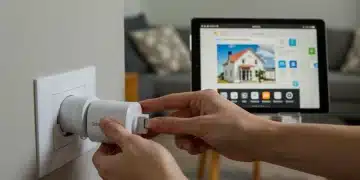
One of the most impactful areas of smart home technology in 2026 is climate control. Gone are the days of manually adjusting your thermostat; today’s smart climate systems offer unparalleled efficiency and comfort, learning your preferences and adapting to environmental conditions. These devices are not only about keeping your home at the perfect temperature but also about significantly reducing your energy consumption and utility bills.
The latest smart thermostats integrate advanced sensors that detect occupancy, humidity, and even external weather forecasts, making real-time adjustments to maintain optimal conditions.
They work in tandem with other smart devices, such as smart windows and ceiling fans, to create a holistic approach to climate management. This level of synchronization ensures that energy is never wasted, and comfort is always prioritized.
Next-Generation Smart Thermostats
Adaptive Learning: Modern smart thermostats learn your schedule and temperature preferences within days, creating personalized heating and cooling plans that evolve with your habits. They can even detect when you’re away and automatically enter an energy-saving mode.
Geofencing Capabilities: These systems can use your smartphone’s location to know when you’re leaving or approaching home, preemptively adjusting the climate to your desired settings before you arrive, ensuring a warm welcome or a cool retreat.
Zone Control: Advanced systems allow for independent temperature control in different areas of your home. This means you can heat or cool only the rooms being used, further minimizing energy waste and maximizing comfort for everyone.

Beyond thermostats, smart vents and smart window coverings play a crucial role in maintaining ideal indoor climates. Smart vents can redirect airflow to specific rooms, while smart blinds can automatically open or close to capitalize on natural light and heat, or to block out harsh sunlight. This integrated approach ensures that every aspect of your home’s climate is optimized for both comfort and energy efficiency.
The benefits extend beyond mere energy savings, contributing to a greener lifestyle and a more sustainable future. By precisely managing your home’s climate, you reduce your carbon footprint and contribute to a healthier planet.
Smart climate control systems in 2026 are truly a testament to how technology can serve both personal comfort and environmental responsibility, making them indispensable components of any modern smart home.
Advanced Smart Security Solutions: Peace of Mind in 2026
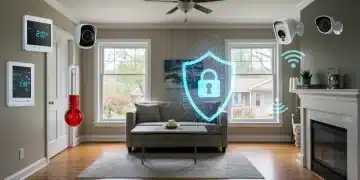
Home security has undergone a radical transformation with the advent of smart technology. In 2026, smart security solutions offer a comprehensive and proactive approach to protecting your home and loved ones.
These systems go far beyond traditional alarms, providing real-time monitoring, intelligent threat detection, and seamless integration with other smart devices to create an impenetrable shield around your property.
Today’s smart security systems incorporate high-definition cameras with advanced analytics, smart locks, motion sensors, and even drone surveillance for larger properties. They are designed to be user-friendly, allowing you to monitor and control your home’s security from anywhere in the world via a smartphone app. This constant connectivity provides unparalleled peace of mind, knowing your home is always safe and secure.
Intelligent Surveillance and Access Control
AI-Powered Facial Recognition: Smart cameras can differentiate between familiar faces (family, friends) and strangers, reducing false alarms and providing more accurate alerts. Some systems can even identify packages left at your door and notify you.
Biometric Smart Locks: Keyless entry systems now offer advanced biometric authentication, including fingerprint and facial recognition, making physical keys obsolete and enhancing security against unauthorized access. You can grant temporary access to visitors or service providers with ease.
Integrated Sensor Networks: Beyond motion detection, smart sensors can now detect glass breaks, unusual vibrations, and even water leaks or smoke, triggering immediate alerts and appropriate responses. These sensors form a comprehensive protective network.
The integration of smart security with other home automation features creates a dynamic defense system. For example, if an intruder is detected, smart lights can automatically turn on, smart blinds can close, and an alarm can sound, all while simultaneously notifying emergency services. This layered approach not only deters potential threats but also provides valuable evidence for law enforcement.
Furthermore, privacy and data security are paramount in 2026’s smart security offerings. Manufacturers are implementing robust encryption protocols and secure cloud storage solutions to protect your personal data and surveillance footage.
Choosing reputable brands that prioritize these aspects is crucial for maintaining trust and ensuring your information remains confidential. The evolution of smart security ensures that safety is not just a feature, but a fundamental pillar of the smart home experience.
Smart Lighting Systems: Ambiance and Energy Savings
Smart lighting has evolved far beyond simple on/off control. In 2026, these systems are integral to creating the perfect ambiance, enhancing security, and achieving significant energy savings. Modern smart lighting solutions offer an incredible range of customization, allowing you to personalize every aspect of your home’s illumination with ease and precision.
From controlling individual bulbs to setting complex lighting scenes, smart lighting systems provide unparalleled flexibility. They can adjust brightness, color temperature, and even color, all at your command or through automated schedules.
This level of control not only impacts the aesthetics of your home but also influences your mood, productivity, and overall well-being. The integration with other smart devices further amplifies their utility.
Dynamic Lighting and Automated Scenes
Tunable White and Full-Color Spectrum: Smart bulbs now offer a vast spectrum of white light temperatures, from warm to cool, as well as millions of colors. You can mimic natural daylight cycles to support your circadian rhythm or set vibrant scenes for entertaining.
Presence Detection and Adaptive Lighting: Lights can automatically turn on when you enter a room and off when you leave, ensuring energy is never wasted. Adaptive lighting can also adjust brightness based on the amount of natural light entering a room, maintaining consistent illumination.
Security Integration: Smart lights can be programmed to simulate occupancy when you’re away, turning on and off at various times to deter potential intruders. This “vacation mode” adds an extra layer of security to your home.

The energy-saving potential of smart lighting is substantial. LED smart bulbs consume significantly less energy than traditional incandescent bulbs, and when combined with smart controls, the savings multiply. Automated scheduling and presence detection ensure that lights are only on when and where they are needed, reducing unnecessary energy consumption and contributing to lower utility bills.
Beyond functionality, smart lighting contributes significantly to the aesthetic appeal and comfort of your home. Imagine waking up to a gentle, gradually brightening light that mimics sunrise, or setting a cozy, warm glow for an evening of relaxation.
These systems allow you to transform the mood and atmosphere of any space at will, making smart lighting an essential component for a truly intelligent and comfortable home environment.
Smart Appliances: The Future of Kitchen and Laundry
The kitchen and laundry room are often the busiest areas of any home, and in 2026, smart appliances are revolutionizing these spaces, making daily chores more efficient, convenient, and even enjoyable. These intelligent machines are designed to save you time, reduce waste, and provide a level of control that was once unimaginable.
From refrigerators that manage your grocery list to washing machines that optimize cycles based on fabric type, smart appliances leverage connectivity and advanced sensors to streamline household tasks.
They can be controlled remotely, integrate with voice assistants, and even perform predictive maintenance, alerting you to potential issues before they become major problems. This integration transforms mundane tasks into seamless, automated processes.
Connected Kitchen and Laundry Innovations
Smart Refrigerators with Inventory Management: These refrigerators can track expiry dates, suggest recipes based on available ingredients, and even automatically reorder groceries when supplies run low, ensuring you never run out of essentials.
Intelligent Ovens and Cooktops: Smart ovens can preheat remotely, follow complex recipes with precise temperature control, and even clean themselves. Induction cooktops offer precise heat management and can communicate with smart ventilation systems.
Automated Laundry Systems: Washing machines and dryers can detect fabric types and soil levels, automatically selecting the optimal cycle. They can also notify you when a load is finished, and some can even dispense detergent automatically.
The benefits of smart appliances extend beyond convenience. They contribute to significant energy and water savings by optimizing their operations.
For example, smart dishwashers can detect how dirty your dishes are and adjust water usage accordingly, while smart washing machines use only the necessary amount of water and detergent for each load. This not only benefits your wallet but also the environment.
Furthermore, smart appliances are designed with user-friendliness in mind. Intuitive touchscreens, voice control, and seamless app integration make them accessible to everyone, regardless of their tech-savviness.
The future of household chores is here, and it’s cleaner, greener, and far more efficient thanks to the advancements in smart appliance technology. These devices truly automate your life, giving you more time for what matters most.
Smart Entertainment and Connectivity: Immersive Experiences
In 2026, smart entertainment and connectivity solutions redefine how we experience media and interact with our digital world. These devices create immersive environments, offering personalized content delivery, superior audio-visual quality, and seamless control across all your entertainment platforms. The goal is to provide an unparalleled user experience, making every interaction intuitive and engaging.
From smart TVs that adapt to your viewing habits to multi-room audio systems that fill your home with sound, smart entertainment hubs are central to the modern living space.
They integrate with voice assistants, allowing for hands-free control, and often include advanced features like gesture recognition and personalized content recommendations. Connectivity is key, ensuring a fluid and uninterrupted entertainment experience.
Unified Entertainment Hubs and Seamless Connectivity
AI-Powered Smart TVs: Beyond streaming, these TVs learn your preferences, recommend content, and seamlessly integrate with other smart devices. They can even adjust picture settings based on ambient lighting and content type for optimal viewing.
Multi-Room Audio Systems: Enjoy synchronized music throughout your home or different audio in each room, all controlled from a single app or voice command. High-fidelity wireless speakers deliver rich, immersive sound experiences.
Advanced Home Networks: Robust Wi-Fi 6E and upcoming Wi-Fi 7 routers ensure ultra-fast, low-latency connectivity for all your smart devices, supporting demanding applications like 8K streaming and virtual reality without a hitch. Mesh Wi-Fi systems eliminate dead zones.
The integration of smart entertainment with other smart home systems enhances the overall experience. For instance, when you start a movie, your smart lights can dim automatically, and your smart blinds can close, creating a cinematic atmosphere.
Voice commands can control everything from changing channels to adjusting volume, making interaction effortless and natural.
Furthermore, smart connectivity extends to optimizing your work-from-home setup. High-speed, reliable internet, combined with smart office devices like intelligent monitors and ergonomic smart desks, creates a productive and comfortable workspace.
The convergence of smart entertainment and robust connectivity ensures that your home is not just a place to live, but a hub for productivity, relaxation, and immersive digital experiences, catering to every aspect of your modern lifestyle.
The Future of Smart Homes: Trends Beyond 2026
As we look beyond 2026, the trajectory of smart home technology points towards even greater intelligence, autonomy, and personalization.
The foundational advancements we see today will pave the way for a future where homes are not just smart, but truly sentient, anticipating our every need and adapting seamlessly to our evolving lives. This next wave of innovation promises to redefine our relationship with our living spaces.
One major trend is the increasing reliance on edge computing and localized AI. This means more processing will happen directly on devices, rather than in the cloud, leading to faster response times, enhanced privacy, and greater reliability.
Homes will become even more self-sufficient, capable of making complex decisions without constant internet connectivity. This shift is crucial for creating truly robust and secure smart home ecosystems.
Emerging Technologies and Concepts
Hyper-Personalization: Smart homes will become even more attuned to individual preferences, adjusting environments based on biometric data, mood, and even health metrics. Your home might subtly change lighting or play calming music if it detects stress.
Robotics Integration: Beyond vacuum cleaners, expect to see more service robots performing tasks like cleaning surfaces, doing laundry, or even assisting with cooking. These robots will seamlessly integrate into the smart home ecosystem, operating autonomously.
Sustainable and Regenerative Homes: Future smart homes will prioritize environmental impact, actively monitoring and optimizing energy, water, and waste. They might even generate their own power and manage resources in a regenerative cycle, moving towards net-zero or even net-positive consumption.
The concept of a “digital twin” of your home will also become more prevalent. This virtual replica will allow for advanced simulations, predicting how changes in temperature, energy usage, or even furniture placement will impact the physical space.
Homeowners can experiment with modifications in a virtual environment before implementing them in reality, optimizing design and functionality.
Ultimately, the future of smart homes is about creating environments that are not only technologically advanced but also deeply human-centric.
The goal is to enhance our lives, simplify daily routines, and foster a sense of well-being, all while being mindful of our planet. These trends beyond 2026 suggest a future where our homes are truly intelligent partners in our daily lives, making the concept of “home” more dynamic and responsive than ever before.
| Key Feature | Description |
|---|---|
| AI-Powered Automation | Devices learn habits and anticipate needs for seamless, intuitive home management. |
| Enhanced Security | Biometric locks, AI surveillance, and integrated sensors offer proactive protection. |
| Energy Efficiency | Smart climate control and lighting optimize resource use, reducing utility costs. |
| Seamless Integration | Diverse devices from various brands communicate, creating a unified ecosystem. |
Frequently Asked Questions About Smart Home Devices in 2026
The most significant advancements include enhanced AI-driven automation, greater interoperability between devices from different brands, and a strong focus on predictive learning that anticipates user needs. Security also sees major leaps with advanced biometric and AI surveillance features, offering a more robust and responsive protective layer for your home.
Smart climate control systems in 2026 use adaptive learning, geofencing, and zone control. They learn your schedule, adjust temperatures based on occupancy and external weather, and allow you to heat or cool specific rooms. This precision minimizes energy waste, leading to significant savings on utility bills and a reduced carbon footprint.
Yes, smart home security systems in 2026 offer superior security. They feature AI-powered facial recognition, biometric smart locks, and integrated sensor networks that detect various threats beyond simple entry. Real-time monitoring, remote control, and immediate alerts to emergency services provide a proactive and comprehensive defense, often deterring threats before they escalate.
Absolutely. Smart appliances in 2026 automate many routine tasks. Refrigerators can manage inventory and order groceries, ovens can follow recipes and clean themselves, and washing machines optimize cycles. These features save time, reduce effort, and often result in better outcomes, making household chores less burdensome and more efficient, allowing you to focus on other aspects of your life.
Before investing, consider interoperability with existing devices, ease of use, and the security and privacy policies of manufacturers. Look for devices that offer seamless integration, robust data protection, and intuitive control. Planning your smart home ecosystem ensures that all your devices work harmoniously, maximizing convenience and avoiding compatibility issues in the long run.
Conclusion
The year 2026 marks a pivotal moment in home automation, with the best smart home devices of 2026 offering an unprecedented level of convenience, security, and efficiency. From intelligent climate control and advanced security systems to smart lighting and appliances, these gadgets are transforming our living spaces into truly responsive and intuitive environments.
The ongoing evolution promises even more personalized and sustainable solutions, making smart homes an indispensable part of modern life. Embracing these innovations not only simplifies daily routines but also contributes to a more connected, comfortable, and conscious way of living.