Walking for Fitness: Achieve Your 2026 Goals

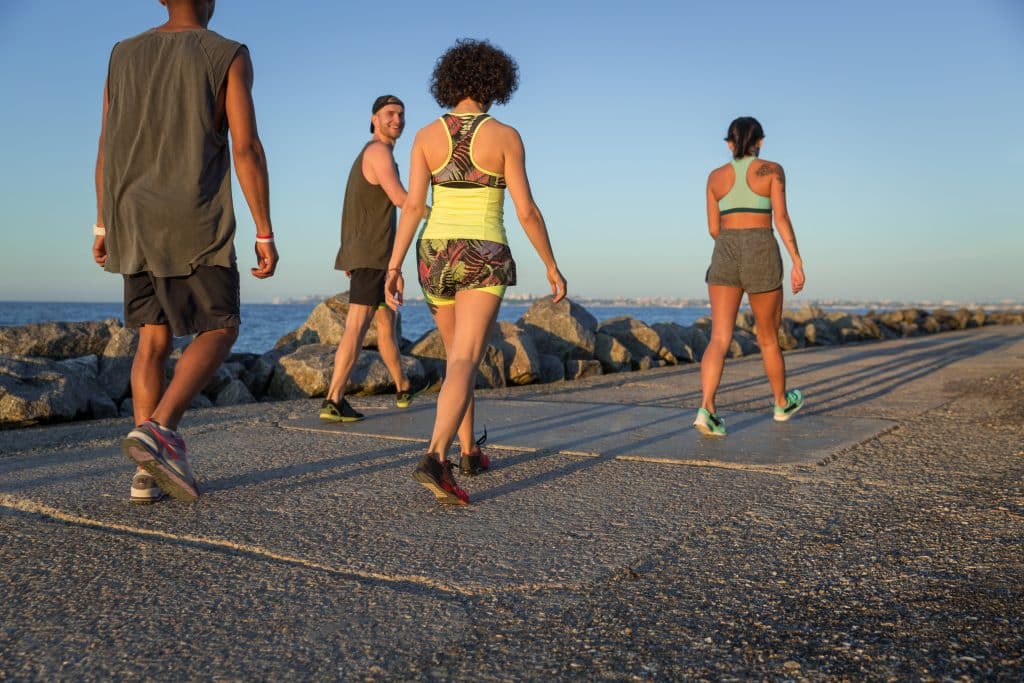 As we look towards a healthier future, embracing simple yet powerful habits can make all the difference.
For many, embarking on a fitness journey can feel overwhelming, but what if the key to unlocking your potential in the new year was as straightforward as putting one foot in front of the other?
This year, let’s explore how The Benefits of Walking: Achieve Your Fitness Goals in 2026 can transform your health and well-being, offering a sustainable and enjoyable path to a fitter you.
The foundational health benefits of regular walking
Regular walking, often underestimated in its power, forms the cornerstone of a healthy lifestyle. It’s an activity that requires no special equipment beyond a good pair of shoes and can be integrated seamlessly into almost any daily routine.
The beauty of walking lies in its accessibility and the wide array of health benefits it confers, touching nearly every system in the body.
From strengthening your heart to improving your mood, the physiological and psychological advantages are profound. It’s not just about burning calories; it’s about building a resilient body and a clear mind, setting a solid foundation for all your other fitness aspirations.
Cardiovascular health and disease prevention
One of the most significant benefits of walking regularly is its positive impact on cardiovascular health.
Engaging in moderate-intensity walking helps to strengthen your heart, making it more efficient at pumping blood throughout your body. This, in turn, can lead to a reduction in several risk factors associated with heart disease.
Lower blood pressure: Regular walks can help to naturally reduce high blood pressure, a major risk factor for heart attacks and strokes.
Improved cholesterol levels: Walking can increase high-density lipoprotein (HDL), the ‘good’ cholesterol, while reducing low-density lipoprotein (LDL), the ‘bad’ cholesterol.
Reduced risk of stroke: Studies indicate that consistent walking can significantly lower the risk of stroke, promoting better blood flow to the brain.
Better blood sugar control: Physical activity like walking helps your body use insulin more effectively, which is crucial for preventing and managing type 2 diabetes.
Weight management and metabolic health
Walking is an excellent tool for weight management. While it might not burn as many calories per minute as high-intensity exercises, its sustainability and ease of integration into daily life make it highly effective over time.
Consistent walking helps create a caloric deficit necessary for weight loss or maintenance, without putting excessive strain on your joints. It also boosts your metabolism, turning your body into a more efficient fat-burning machine even at rest.
Beyond calorie expenditure, walking plays a vital role in improving overall metabolic health. It helps regulate hormones that influence appetite and fat storage, contributing to a healthier body composition.
Incorporating brisk walks into your routine can be a game-changer for anyone looking to achieve sustainable weight goals.
The cumulative effect of daily walks, even short ones, can lead to substantial improvements in your overall health profile. It’s a low-impact activity that offers high-impact results, making it an ideal starting point for anyone looking to enhance their fitness in 2026.
Mental well-being: how walking enhances mood and reduces stress
Beyond the physical transformations, walking offers profound benefits for mental health, serving as a powerful antidote to stress, anxiety, and even symptoms of depression.
In our fast-paced world, finding simple, effective ways to decompress and recharge is more crucial than ever. Walking provides just that—a readily available therapy that nurtures both mind and body.
The rhythmic motion of walking, combined with exposure to natural environments, can significantly alter brain chemistry, promoting feelings of calm and contentment. It’s a mindful activity that allows for reflection, problem-solving, or simply a refreshing break from daily pressures.
Stress reduction and anxiety relief
When you walk, your body releases endorphins, natural mood elevators that can help reduce feelings of stress and anxiety. The act of walking also provides a distraction from worrying thoughts, allowing your mind to switch gears and focus on the present moment. This can be particularly beneficial for those struggling with chronic stress or generalized anxiety.
Endorphin release: These neurochemicals interact with receptors in your brain, producing feelings of pleasure and reducing pain perception.
Cortisol reduction: Regular physical activity like walking helps to lower levels of cortisol, the body’s primary stress hormone.
Mindfulness practice: Paying attention to your surroundings, the rhythm of your steps, and your breathing can serve as a form of moving meditation.
Improved sleep quality: Reducing stress through walking often leads to better sleep, which is fundamental for overall mental and physical health.
Boosted mood and cognitive function
Walking has been shown to be as effective as antidepressants for some individuals in improving mood and reducing symptoms of mild to moderate depression.
The combination of physical activity, sunlight exposure (which boosts vitamin D and serotonin), and social interaction (if walking with others) creates a potent recipe for emotional upliftment. Moreover, walking enhances cognitive functions, including memory, attention, and executive function.
Even a short, brisk walk can clear your head, improve focus, and spark creativity. For those working from home or spending long hours indoors, stepping out for a walk can provide a much-needed mental break, leading to increased productivity and a more positive outlook.
The consistent practice of walking cultivates a more resilient mind, better equipped to handle life’s challenges.
Strategic planning: setting realistic walking fitness goals for 2026
Achieving any fitness goal requires a well-thought-out plan, and walking is no exception. While it’s wonderfully accessible, setting realistic and progressive goals for 2026 will ensure sustained motivation and measurable success.
The key is to start where you are, gradually increase your intensity and duration, and celebrate every milestone along the way.
Avoid the trap of aiming for perfection from day one. Instead, focus on consistency and incremental improvements. A well-structured plan not only makes your goals attainable but also builds confidence and establishes long-term healthy habits.
Defining your starting point and progression
Before you can set goals, you need to understand your current fitness level. How far can you comfortably walk? How long can you sustain a brisk pace?
Use this as your baseline. From there, you can begin to set SMART goals: Specific, Measurable, Achievable, Relevant, and Time-bound. For instance, instead of saying ‘I want to walk more,’ aim for ‘I will walk 30 minutes, five days a week, at a brisk pace for the next month.’
Gradual progression is vital to prevent injury and burnout. Increase your walking time or distance by no more than 10% each week.
Listen to your body and adjust your plan as needed. Some weeks you might progress faster, others slower, and that’s perfectly fine. The goal is consistent effort, not perfection.
Integrating walking into your daily routine
Making walking a non-negotiable part of your day is crucial. This might involve strategic scheduling, like blocking out time in your calendar, or finding ways to incorporate it naturally.
Consider walking to work, taking the stairs instead of the elevator, or using your lunch break for a quick stroll. Small changes accumulate into significant progress over time.
Accountability can also play a huge role. Share your goals with a friend or family member, or use a fitness tracker to monitor your steps and progress.
Seeing your achievements visually can be incredibly motivating. Remember, the ultimate goal is to make walking an enjoyable and ingrained part of your lifestyle, not just a temporary chore.
Maximizing your walking routine: tips for effectiveness and enjoyment
To truly unlock the full potential of walking for fitness, it’s beneficial to go beyond simply putting one foot in front of the other.
By incorporating a few strategic tips and techniques, you can enhance both the physical effectiveness and the overall enjoyment of your walking routine. This means paying attention to form, varying your routes, and leveraging technology to keep things interesting and challenging.
Making walking an engaging experience ensures you stick with it, transforming it from a mere exercise into a cherished part of your day that you look forward to.
Proper form and technique
While walking seems intuitive, adopting proper form can prevent injuries and maximize calorie burn. Focus on maintaining good posture: head up, shoulders back and relaxed, and eyes looking forward, not down at your feet.
Engage your core muscles to support your back. Your arms should swing naturally from your shoulders, bent at a 90-degree angle, to help propel you forward.
Head position: Keep your head up, looking about 10-20 feet in front of you.
Shoulder relaxation: Avoid hunching; keep shoulders relaxed and slightly back.
Arm swing: Bend elbows at 90 degrees and swing arms naturally, forward and back, not across your body.
Foot strike: Land on your heel, then roll through to your toes, pushing off with your big toe.
Varying intensity and terrain
To keep your body challenged and prevent plateaus, periodically vary the intensity and terrain of your walks. Incorporate brisk walking intervals where you increase your pace significantly for a few minutes, then return to a moderate pace.
Walking uphill or on uneven terrain, like hiking trails, adds resistance and engages different muscle groups, boosting calorie expenditure and strength.
Exploring new routes also keeps your mind engaged and prevents boredom. Discover local parks, nature trails, or even different neighborhoods.
The change of scenery can make your walks feel fresh and exciting, encouraging you to go further and more often. Consider adding a weighted vest for an extra challenge, but ensure it’s comfortable and doesn’t strain your back.
Nutrition and hydration: fueling your walking journey
Just as a car needs the right fuel to run efficiently, your body needs proper nutrition and hydration to support your walking regimen and optimize your fitness gains.
What you eat and drink directly impacts your energy levels, recovery, and overall health. Neglecting these aspects can undermine even the most consistent walking efforts.
Focusing on a balanced diet rich in whole foods and maintaining adequate hydration are fundamental pillars for anyone looking to achieve their fitness goals through walking in 2026.
Pre-walk and post-walk nutrition
Before a walk, especially if it’s a longer or more intense one, fuel your body with easily digestible carbohydrates for energy.
A banana, a slice of whole-wheat toast, or a small handful of oats can provide sustained energy without causing digestive discomfort. Avoid heavy, fatty, or sugary foods right before exercising, as they can lead to sluggishness or stomach upset.
After your walk, particularly if it was strenuous, focus on a combination of protein and carbohydrates to aid muscle recovery and replenish glycogen stores.
A Greek yogurt with berries, a turkey sandwich, or a protein shake are excellent options. This post-walk nutrition is crucial for repairing muscle tissue and preparing your body for your next activity.
The critical role of hydration
Staying well-hydrated is paramount for overall health and exercise performance. Even mild dehydration can lead to fatigue, reduced endurance, and impaired cognitive function. Make sure to drink water consistently throughout the day, not just when you feel thirsty.
The general recommendation is eight 8-ounce glasses of water daily, but this can increase significantly with physical activity.
During your walks, especially in warmer weather or for longer durations, carry a water bottle and sip regularly. For walks exceeding an hour or involving significant sweating, consider an electrolyte-rich drink to replenish lost minerals.
Proper hydration ensures your body’s systems function optimally, helping you perform better and recover faster from your walking sessions.
Overcoming common challenges and staying motivated
Even with the best intentions, maintaining a consistent walking routine can present challenges. Life happens, motivation wanes, and sometimes, simply finding the time feels impossible.
However, recognizing these common hurdles and having strategies in place to overcome them is key to staying on track and achieving your fitness goals in 2026.
The journey to better health is rarely a straight line, but with resilience and adaptive strategies, you can navigate the ups and downs and make walking a lasting habit.
Battling boredom and finding variety
One of the most common reasons people abandon exercise routines is boredom. Walking the same route day after day can quickly become monotonous.
To combat this, actively seek out variety. Explore new parks, trails, or even different streets in your neighborhood. Utilize apps like AllTrails or Google Maps to discover new walking paths. Listen to podcasts, audiobooks, or a diverse music playlist to keep your mind engaged.

Consider joining a walking group or inviting friends and family to join you. Social interaction can make walks more enjoyable and provide a sense of accountability.
Setting new challenges, such as aiming for a certain number of steps each week or participating in a charity walk, can also add an exciting dimension to your routine.
Consistency in adverse weather and busy schedules
Adverse weather conditions like rain, snow, or extreme heat can be significant deterrents. Develop a backup plan for such days. This might include walking indoors at a mall, using a treadmill at a gym, or exploring indoor walking videos.
Layering clothing appropriately for colder weather and choosing cooler times of day for summer walks can also make outdoor walking more comfortable.
Busy schedules are another frequent obstacle. Break up your walks into shorter segments throughout the day. Even three 10-minute walks can provide significant health benefits.
Schedule your walks in advance, treating them like any other important appointment. Remember that even a short walk is better than no walk at all. Prioritizing your health is an investment that pays dividends in energy and well-being.
The long-term impact: sustaining your walking habit beyond 2026
Achieving your fitness goals in 2026 through walking is a fantastic accomplishment, but the real victory lies in sustaining that habit for years to come.
The long-term impact of consistent walking extends far beyond immediate fitness metrics, influencing your overall quality of life, longevity, and capacity to enjoy an active, vibrant existence. Building a lasting walking habit transforms it from a goal into an integral part of who you are.
This means cultivating intrinsic motivation, adapting your routine as life changes, and continuously finding joy in the simple act of movement.
Building intrinsic motivation and enjoying the process
While external motivators like weight loss or a specific step count can kickstart your journey, intrinsic motivation is what truly sustains a habit.
This comes from finding genuine enjoyment in walking itself – the fresh air, the feeling of your body moving, the mental clarity it offers. Focus on how walking makes you feel, both physically and mentally, rather than solely on outcomes.
Celebrate small victories, acknowledge your progress, and be kind to yourself on days you don’t meet your targets.
Developing a positive relationship with walking, where it’s viewed as a source of pleasure and well-being rather than a chore, is fundamental for long-term adherence. The more you enjoy it, the more likely you are to keep doing it.
Adapting and evolving your walking routine
Life is dynamic, and so too should be your walking routine. What works in 2026 might need adjustment in 2027 or beyond.
As your fitness improves, you might naturally increase your pace, duration, or incorporate more challenging terrains. Conversely, during periods of injury, illness, or increased life demands, you might need to scale back, focusing on gentle movement rather than intense exercise.
The key is flexibility and listening to your body. Don’t be afraid to experiment with new walking styles, such as Nordic walking with poles, or integrate other low-impact activities like cycling or swimming.
The goal is consistent movement and a commitment to an active lifestyle, with walking remaining a central, adaptable component. By embracing walking as a lifelong practice, you are investing in a healthier, happier future, making it a cornerstone of your well-being for decades to come.
| Key Benefit | Description |
|---|---|
| Cardiovascular Health | Strengthens heart, lowers blood pressure and cholesterol, reduces stroke risk. |
| Mental Well-being | Boosts mood, reduces stress and anxiety, improves cognitive function. |
| Weight Management | Burns calories, boosts metabolism, aids in sustainable weight loss or maintenance. |
| Accessibility & Sustainability | Low-impact, requires minimal equipment, easily integrated into daily life for long-term health. |
Frequently Asked Questions About Walking for Fitness
How much walking is recommended daily for fitness benefits?
For overall fitness, most health organizations recommend at least 30 minutes of moderate-intensity walking on most days of the week — about 150 minutes weekly.
This can be divided into shorter 10–15 minute sessions. If your fitness goal includes weight loss or improved endurance, increasing to 45–60 minutes per day can provide greater results.
Can walking really improve fitness and support weight loss?
Yes. Walking is a highly effective and sustainable way to improve fitness. While it may not feel as intense as other workouts, consistent walking burns calories, supports metabolic health, and helps build cardiovascular fitness over time.
When paired with balanced nutrition, it can significantly contribute to long-term weight management.
What are the best shoes for walking for fitness?
The right footwear is essential for safe and effective fitness walking. Choose lightweight, flexible shoes with good arch support and cushioning.
Walking-specific or well-fitted running shoes work well. Proper shoes protect joints, enhance comfort, and allow you to maintain a consistent fitness routine without injury.
How can I stay motivated to maintain a walking fitness routine?
To stay consistent with your fitness goals, vary your walking routes, listen to music or podcasts, walk with a friend, or set step targets.
Tracking progress and celebrating small milestones can boost motivation. The key to long-term fitness success is finding enjoyment in your routine so it becomes a habit.
Is brisk walking enough to improve cardiovascular fitness?
Absolutely. Brisk walking raises your heart rate and improves circulation, strengthening your heart muscle and enhancing overall fitness.
Regular brisk walks can lower blood pressure, improve cholesterol levels, stabilize blood sugar, and significantly improve cardiovascular fitness over time.
Conclusion
As we’ve explored, embracing The Benefits of Walking: Achieve Your Fitness Goals in 2026 offers a remarkably accessible yet profoundly effective pathway to enhanced health and well-being.
From bolstering cardiovascular health and aiding in sustainable weight management to significantly improving mental clarity and reducing stress, the simple act of walking provides a comprehensive suite of advantages.
By setting realistic goals, adopting proper techniques, fueling your body wisely, and strategically overcoming common challenges, you can seamlessly integrate walking into your daily life, transforming it into a cornerstone of your long-term fitness strategy.
The journey to a healthier you in 2026 and beyond begins with that first intentional step, promising not just physical changes but a richer, more vibrant quality of life.