Exercise & Cognitive Function: New Research for Older Adults

 Have you ever wondered if staying active can genuinely keep your mind sharp as you age? New research strongly suggests a powerful connection between exercise and cognitive function in older adults, offering compelling insights into how physical activity can preserve and even enhance our mental abilities. This isn’t just about physical fitness; it’s about safeguarding your brain’s vitality for years to come.
The evolving understanding of brain health and aging
For many years, the decline in cognitive function was often viewed as an inevitable part of aging. However, our understanding of the brain is constantly evolving, revealing that its health is far from predetermined.
Modern neuroscience is demonstrating that the brain possesses remarkable plasticity, meaning it can adapt and change throughout life, even into older age. This paradigm shift encourages a more proactive approach to maintaining mental acuity.
The concept of brain health now encompasses not just the absence of disease, but also the optimization of cognitive abilities like memory, attention, and executive function.
Researchers are increasingly focusing on modifiable lifestyle factors that can influence this, moving beyond purely genetic or pathological explanations for cognitive decline.
Challenging old assumptions about memory loss
It was once commonly believed that significant memory loss was a normal and unavoidable consequence of growing older.
While some age-related changes in memory processing do occur, severe memory impairment is not an inherent part of healthy aging. Instead, it often signals underlying issues that can sometimes be mitigated or even prevented.
Normal age-related memory changes involve slower recall, not loss of information.
Significant memory loss can be a symptom of conditions like dementia.
Lifestyle interventions are proving effective in supporting memory function.
This evolving perspective empowers individuals to take a more active role in their cognitive well-being. By understanding the dynamic nature of brain health, we can explore various strategies to support it, with physical activity emerging as a leading contender.
In conclusion, the scientific community is moving away from a passive acceptance of cognitive decline and towards an active pursuit of lifelong brain health.
This shift is fueled by groundbreaking research that highlights the brain’s capacity for resilience and adaptation, particularly in response to lifestyle choices.
How physical activity impacts brain structure and function
Beyond its well-known benefits for cardiovascular health and muscle strength, physical activity exerts profound effects directly on the brain. Regular exercise can lead to measurable changes in brain structure, enhancing areas crucial for memory and learning, and optimizing neural communication.
These changes are not merely theoretical; they are observable through neuroimaging and cognitive assessments.
The mechanisms by which exercise benefits the brain are complex and multifaceted, involving improvements in blood flow, reduction of inflammation, and the stimulation of neurogenesis, the process of generating new brain cells. Understanding these pathways helps us appreciate the holistic impact of movement on our cognitive faculties.
Neurogenesis and brain-derived neurotrophic factor (BDNF)
One of the most exciting discoveries is the role of exercise in promoting neurogenesis, particularly in the hippocampus, a brain region critical for memory formation. This process is largely mediated by a protein called brain-derived neurotrophic factor (BDNF), often referred to as ‘Miracle-Gro for the brain.’
BDNF supports the growth and survival of existing neurons.
It encourages the differentiation of new neurons and synapses.
Exercise significantly increases BDNF levels in the brain.
Higher levels of BDNF are associated with improved cognitive function and a reduced risk of neurodegenerative diseases. This highlights a direct biological link between movement and brain cell health.
Furthermore, exercise improves cerebral blood flow, ensuring that the brain receives an adequate supply of oxygen and nutrients.
This enhanced circulation is vital for optimal neuronal function and waste removal, preventing the accumulation of harmful substances that can impair cognitive processes.
The cumulative effect of these physiological changes is a more robust and resilient brain, better equipped to handle the challenges of aging.
Ultimately, the impact of physical activity extends deep into the very architecture and functionality of our brains, offering a powerful tool for maintaining and enhancing cognitive abilities throughout life.
Specific types of exercise and their cognitive benefits
While any form of physical activity is generally beneficial, research suggests that certain types of exercise may offer distinct advantages for cognitive function in older adults.
The key often lies in consistency, intensity, and the engagement of both body and mind. Understanding these nuances can help individuals tailor their exercise routines for maximum brain health impact.
It’s not just about breaking a sweat; it’s also about challenging your coordination, balance, and even your strategic thinking. A holistic approach that incorporates various movement patterns seems to yield the most comprehensive cognitive benefits.
Aerobic exercise: the cardiovascular connection
Aerobic exercise, such as brisk walking, jogging, swimming, or cycling, is consistently linked to improvements in cognitive function. These activities elevate heart rate and increase blood flow, which in turn enhances oxygen delivery to the brain.
Improves executive functions like planning and problem-solving.
Enhances memory consolidation and recall.
Reduces the risk of vascular dementia by improving blood vessel health.
Engaging in moderate-intensity aerobic exercise for at least 150 minutes per week, as recommended by health organizations, can lead to significant cognitive gains. Consistency is paramount for sustaining these benefits over time.

Strength training and resistance exercises
Beyond aerobic activities, strength training has also shown promise in enhancing cognitive abilities. Lifting weights or using resistance bands can lead to improvements in muscle mass and overall physical function, which indirectly supports brain health.
Studies indicate that strength training can improve attention, processing speed, and executive function. The exact mechanisms are still being explored, but it’s believed to involve systemic effects like reduced inflammation and improved hormonal balance.
Mind-body practices: yoga and tai chi
Activities that combine physical movement with mental focus, such as yoga and tai chi, offer unique cognitive benefits. These practices emphasize balance, coordination, mindfulness, and controlled breathing, all of which can positively influence brain function.
Tai chi has been shown to improve balance and reduce fall risk, indirectly benefiting brain health by preventing head injuries.
Both practices can reduce stress and anxiety, which are known to negatively impact cognitive performance.
They enhance attentional control and working memory through focused movements.
The combination of physical and mental engagement in these practices makes them particularly effective for older adults seeking to optimize their cognitive health.
In summary, a varied exercise regimen that includes aerobic activities, strength training, and mind-body practices offers the most comprehensive approach to supporting cognitive function in older adults. The key is to find activities that are enjoyable and sustainable.
The neurobiological mechanisms at play
Delving deeper into the science, the relationship between exercise and cognitive function is underpinned by a fascinating array of neurobiological mechanisms.
These processes explain how physical movement translates into tangible improvements in brain health, from the cellular level to the overall network activity.
Understanding these intricate pathways reinforces the importance of incorporating regular physical activity into an aging lifestyle.
It’s a symphony of biological responses, where exercise acts as the conductor, orchestrating positive changes across various brain systems. From neurochemical shifts to structural adaptations, the brain responds dynamically to the demands of physical exertion.
Vascular health and brain perfusion
One of the primary mechanisms is the enhancement of vascular health. Exercise strengthens the cardiovascular system, leading to more efficient blood flow throughout the body, including the brain. Improved cerebral perfusion ensures that brain cells receive a consistent and ample supply of oxygen and glucose, their main energy sources.
Better blood flow removes metabolic waste products more effectively.
Reduces the risk of microvascular damage, which can contribute to cognitive decline.
Supports the integrity of the blood-brain barrier.
This optimized blood supply is crucial for maintaining neuronal function and preventing conditions like vascular dementia.
Reduction of inflammation and oxidative stress
Chronic low-grade inflammation and oxidative stress are known contributors to neurodegeneration and cognitive impairment. Exercise has powerful anti-inflammatory and antioxidant effects that can counteract these detrimental processes.
Regular physical activity reduces systemic inflammation markers and boosts the body’s natural antioxidant defenses.
This protective effect helps to shield brain cells from damage and maintain their healthy functioning. By mitigating these harmful processes, exercise creates a more favorable environment for cognitive resilience.
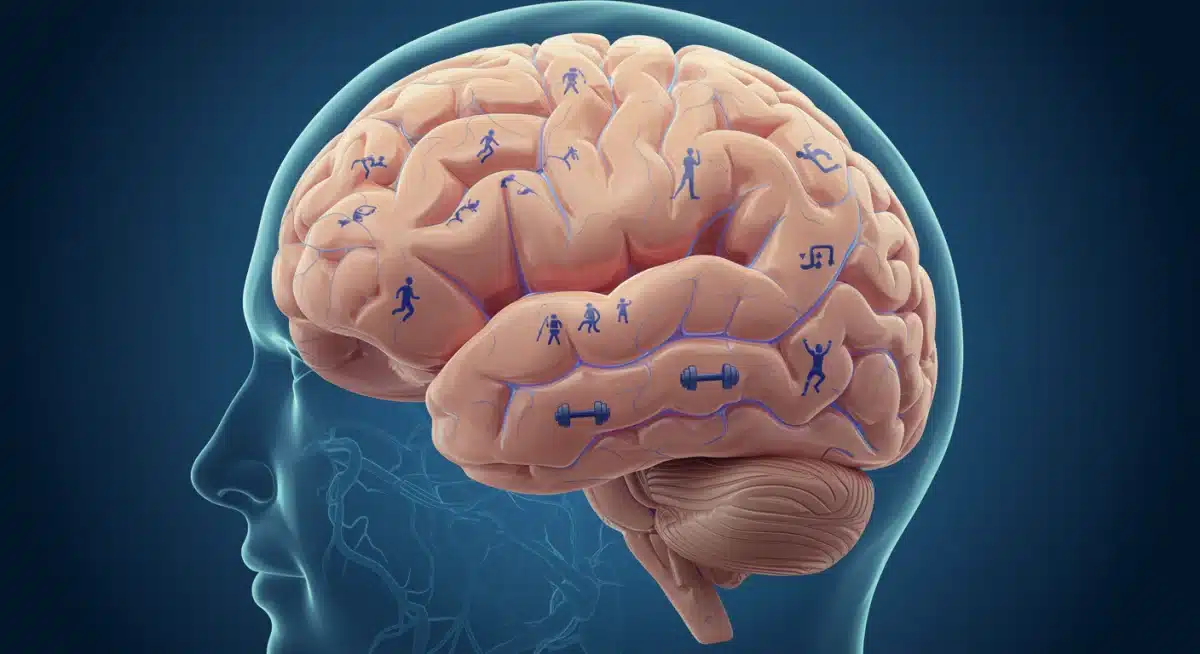
Neurotransmitter regulation and mood enhancement
Exercise also influences the balance of neurotransmitters in the brain, such as serotonin, dopamine, and norepinephrine, which play critical roles in mood regulation, motivation, and cognitive processes. The release of these neurotransmitters during and after exercise can lead to improved mood, reduced stress, and enhanced focus.
A positive mood and reduced stress levels are indirectly beneficial for cognitive function, as stress and depression can significantly impair memory and attention. Thus, exercise offers a dual benefit: direct neurobiological support and indirect cognitive enhancement through psychological well-being.
In essence, the neurobiological mechanisms through which exercise benefits the brain are diverse and interconnected, creating a robust system that promotes cognitive health and resilience in older adults.
Integrating exercise into daily life for lasting cognitive benefits
The challenge for many older adults is not just recognizing the benefits of exercise, but successfully integrating it into their daily routines in a sustainable way.
It’s about finding enjoyable activities, setting realistic goals, and overcoming common barriers. Small, consistent steps can lead to significant long-term cognitive advantages.
Creating a personalized exercise plan that fits individual preferences and physical capabilities is key. The goal is to make movement a natural and enjoyable part of everyday life, rather than a chore.
Overcoming common barriers to physical activity
Many older adults face obstacles such as lack of motivation, physical limitations, fear of injury, or simply not knowing where to start. Addressing these barriers directly is crucial for successful adherence.
Start slowly and gradually increase intensity and duration.
Consult with a healthcare professional to ensure safety and appropriateness.
Find a workout buddy or join a group for social support and accountability.
Choose activities that are genuinely enjoyable to maintain interest.
Remember, even short bursts of activity throughout the day can accumulate and contribute to overall health. It’s about progress, not perfection.
Making exercise a routine: tips and strategies
Establishing a regular exercise routine requires planning and commitment. Here are some practical strategies to help older adults make physical activity a consistent habit:
Schedule your workouts like any other important appointment, blocking out specific times in your calendar. This helps create a sense of commitment and makes it less likely you’ll skip a session. Consider exercising in the morning to get it done before other obligations arise.
Vary your activities to prevent boredom and work different muscle groups. For instance, alternate between walking, gardening, dancing, or light strength training. This keeps your mind engaged and your body challenged in new ways.
Incorporate incidental exercise into your day. Take the stairs instead of the elevator, park further away from your destination, or do household chores with more vigor. These small movements add up and contribute to your overall activity level.
Monitor your progress, perhaps by using a fitness tracker or keeping a journal. Seeing your improvements can be a powerful motivator and reinforces the positive impact exercise has on your physical and cognitive well-being.
By adopting these strategies, older adults can effectively integrate exercise into their daily lives, ensuring they reap the lasting cognitive benefits that physical activity offers.
Future directions and ongoing research
The field of exercise and cognitive function in older adults is continually evolving, with researchers exploring new avenues and refining our understanding.
While current evidence is robust, ongoing studies aim to uncover more specific recommendations, delve deeper into individual variations, and investigate novel interventions. This dynamic research landscape promises even more targeted and effective strategies for brain health in the years to come.
Scientists are particularly interested in understanding how genetic predispositions interact with lifestyle choices, and how exercise might be leveraged as a therapeutic tool for early-stage cognitive decline.
Personalized exercise prescriptions
One key area of future research is the development of personalized exercise prescriptions. Just as medication dosages are tailored to individuals, researchers are working towards understanding what types, intensities, and durations of exercise are most beneficial for specific cognitive domains and for individuals with varying health profiles.
Exploring genetic markers that predict responsiveness to exercise interventions.
Identifying optimal exercise protocols for preventing specific cognitive impairments.
Developing technology to monitor and guide personalized fitness routines effectively.
This tailored approach could maximize the cognitive benefits of exercise for each individual.
The role of exercise in neurodegenerative disease prevention
Beyond general cognitive enhancement, significant research attention is directed towards understanding exercise’s potential role in preventing or delaying the onset of neurodegenerative diseases like Alzheimer’s and Parkinson’s. Early findings are encouraging, suggesting exercise may modify disease progression.
Studies are investigating if consistent physical activity can reduce the accumulation of amyloid plaques and tau tangles, hallmarks of Alzheimer’s disease, or protect dopamine-producing neurons in Parkinson’s. The hope is that exercise could become a cornerstone of preventative strategies for these devastating conditions.
Furthermore, the interplay between physical activity, diet, sleep, and social engagement is being explored. Researchers are keen to understand how these lifestyle factors combine to create a synergistic effect on brain health, potentially leading to comprehensive wellness programs for older adults.
The future of research in this area holds immense promise for developing even more precise and powerful ways to harness the benefits of exercise for optimal cognitive function throughout the lifespan.
| Key Aspect | Brief Description |
|---|---|
| Neurogenesis | Exercise promotes the growth of new brain cells, especially in memory-related regions. |
| BDNF Levels | Physical activity increases brain-derived neurotrophic factor, vital for neuron health. |
| Blood Flow | Improved circulation delivers more oxygen and nutrients to the brain, enhancing function. |
| Inflammation Reduction | Exercise lowers chronic inflammation, protecting brain cells from damage and improving cognitive resilience. |
Frequently asked questions about exercise and cognitive health
Most research suggests at least 150 minutes of moderate-intensity aerobic activity per week, combined with two or more days of strength training. Even shorter, regular bursts of activity can contribute positively to brain health.
Aerobic exercise is particularly beneficial for executive function and memory. However, a combination of aerobic, strength training, and mind-body activities like yoga or Tai Chi offers the most comprehensive cognitive benefits.
While exercise cannot typically reverse significant cognitive decline, it can slow its progression, improve symptoms, and enhance overall brain resilience. Starting early yields the best preventative results.
Absolutely. Consult a doctor or physical therapist to find safe, modified exercises. Seated exercises, water aerobics, or gentle stretching can still provide significant brain health benefits without excessive strain.
Exercise releases endorphins, reducing stress and improving mood, which indirectly benefits cognitive function. High stress and poor mood can impair memory and focus, so exercise offers a protective effect.
Conclusion
The burgeoning body of research unequivocally highlights the profound link between regular exercise and improved cognitive function in older adults.
It’s clear that physical activity is not merely about maintaining physical health but is a critical pillar for preserving and enhancing brain vitality throughout our later years.
By embracing a proactive approach to movement, older adults can unlock significant benefits, from sharper memory and enhanced executive function to a reduced risk of neurodegenerative diseases.
Integrating diverse forms of exercise into daily life, even in small, consistent increments, offers a powerful and accessible strategy for a healthier, more active mind. The journey to optimal brain health is an active one, and the science increasingly shows that every step counts.