Combatting SAD: Light Therapy & Effective Treatments
 As the days grow shorter and the skies turn grayer, many individuals in the United States find themselves grappling with a profound shift in mood and energy.
This isn’t just the ‘winter blues’; it’s often a recognized medical condition known as Seasonal Affective Disorder (SAD).
Understanding and effectively implementing strategies for Combatting Seasonal Affective Disorder (SAD): Light Therapy and Other Effective Treatments is crucial for maintaining mental well-being during these challenging months.
Understanding Seasonal Affective Disorder (SAD)
Seasonal Affective Disorder, or SAD, is a type of depression that recurs with the changing seasons, most commonly appearing during fall and winter and improving in spring and summer.
It’s more than just feeling a little down; SAD can significantly impact daily life, affecting mood, sleep, appetite, and energy levels. The exact cause of SAD is not fully understood, but it is believed to be linked to the reduction in natural sunlight.
The decrease in sunlight during the colder months can disrupt the body’s internal clock (circadian rhythm), leading to feelings of lethargy and depression.
It can also cause a drop in serotonin levels, a brain chemical that affects mood, and a disruption in melatonin levels, which plays a role in sleep patterns and mood. Recognizing the symptoms early is the first step toward effective management and treatment.
Common Symptoms of SAD
SAD symptoms can vary in severity and may include a range of emotional and physical changes. These symptoms often begin subtly and intensify as the season progresses. Awareness of these signs can help individuals seek timely intervention.
Persistent low mood, sadness, or feelings of hopelessness.
Loss of interest or pleasure in activities once enjoyed.
Low energy, fatigue, and increased need for sleep (hypersomnia).
Changes in appetite, often leading to carbohydrate cravings and weight gain.
Difficulty concentrating or making decisions.
Social withdrawal and irritability.
If you experience several of these symptoms consistently during the same time of year, it’s important to consult with a healthcare professional.
They can provide an accurate diagnosis and help you explore appropriate treatment options. Early intervention can make a significant difference in managing SAD and improving overall quality of life.
The Power of Light Therapy for SAD
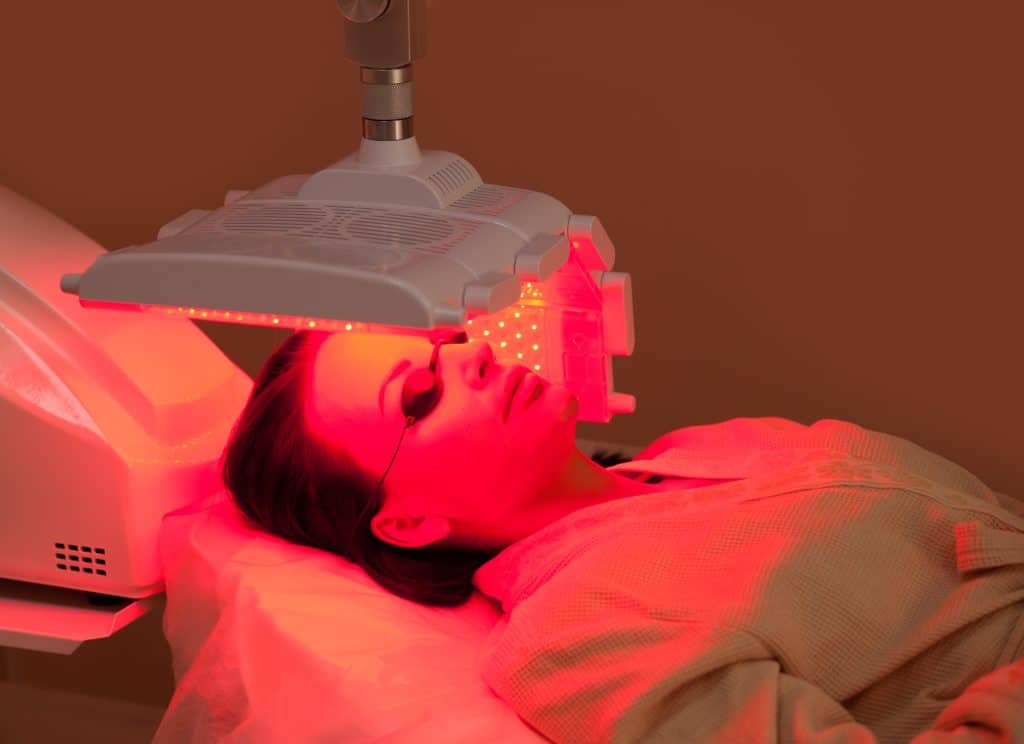
Light therapy, also known as phototherapy, is a cornerstone in the treatment of SAD. It involves daily exposure to a special light box that emits bright light, mimicking natural outdoor light.
This therapy is designed to reset the body’s circadian rhythm and help regulate mood-influencing brain chemicals. It’s a non-invasive and often highly effective treatment option.
The effectiveness of light therapy is attributed to its ability to influence the hypothalamus, a part of the brain that controls sleep, mood, and appetite.
By exposing oneself to bright light, especially in the morning, individuals can help their bodies reduce melatonin production and increase serotonin, thus alleviating SAD symptoms. Consistency is key with light therapy, and many find it most beneficial when used regularly during the darker months.
Choosing the Right Light Therapy Lamp
Selecting an appropriate light therapy lamp is crucial for maximizing its benefits and ensuring safety. Not all lamps are created equal, and specific features are important to consider. A high-quality light box should meet certain criteria to be effective for SAD treatment.
Brightness (Lux): Look for a light box that provides 10,000 lux of illumination. This is the standard recommended brightness for SAD treatment.
UV Filtering: Ensure the lamp filters out most UV light to protect your eyes and skin. Most reputable light therapy devices include this feature.
Light Type: While full-spectrum lights are popular, research suggests that cool-white fluorescent light is just as effective, provided it’s at 10,000 lux.
Portability and Design: Consider the size and design to ensure it fits comfortably into your daily routine, whether at home or in the office.
It’s generally recommended to use the light box for about 20-60 minutes each morning, ideally within the first hour of waking. Position the light box so that the light reaches your eyes indirectly; you don’t need to stare directly into the light.
Consulting with a doctor before starting light therapy is always a good idea, especially if you have eye conditions or are taking medications that increase light sensitivity.
Lifestyle Adjustments to Support Well-being
While light therapy is a powerful tool, it often works best when combined with healthy lifestyle adjustments. These changes can significantly enhance mood, boost energy, and provide a holistic approach to managing SAD symptoms.
Integrating these practices into your daily routine can create a strong defense against the seasonal downturn.
Focusing on consistent routines, conscious nutrition, and regular physical activity can create a more resilient foundation for your mental health.
These strategies are not just about symptom management but about fostering overall well-being and preventing the onset of severe SAD episodes. Small, consistent efforts can yield significant positive outcomes over time.
Prioritizing Outdoor Time and Exercise
Even on cloudy days, exposure to natural light can be beneficial. Spending time outdoors, especially in the morning or early afternoon, can help regulate your circadian rhythm and improve your mood. Combining this with physical activity can further amplify the positive effects, releasing endorphins that naturally elevate mood.
Take daily walks or runs, even for short durations.
Engage in outdoor hobbies like gardening or photography.
Consider exercising near a window if outdoor access is limited.
Regular physical activity is a well-documented mood booster. Aim for at least 30 minutes of moderate-intensity exercise most days of the week. This can include anything from brisk walking to yoga or strength training.
The key is to find activities you enjoy and can stick with consistently, making exercise a sustainable part of your SAD management plan.
Dietary Considerations and Nutritional Support
What you eat can have a profound impact on your mood and energy levels, especially when combatting SAD. During the colder months, there’s often a tendency to crave comfort foods high in carbohydrates, which can lead to energy crashes and exacerbate feelings of lethargy.
A balanced diet rich in certain nutrients can support brain health and mood regulation.
Focusing on nutrient-dense foods helps provide the body with the necessary building blocks for neurotransmitter production, which are vital for mood stability.
Avoiding excessive sugar and processed foods can also prevent blood sugar spikes and subsequent energy dips, which can worsen SAD symptoms. Nutritional support should be seen as a complementary strategy to other treatments.

Key Nutrients and Foods for Mood Regulation
Certain vitamins and minerals are particularly important for mental health. Ensuring adequate intake of these can play a supportive role in managing SAD. It’s always best to get nutrients from whole foods, but supplements might be considered under medical guidance.
Vitamin D: Often called the ‘sunshine vitamin,’ levels tend to drop in winter. Foods like fatty fish, fortified dairy, and supplements can help.
Omega-3 Fatty Acids: Found in fish oil, flaxseeds, and walnuts, these are crucial for brain function and mood.
B Vitamins: Essential for energy production and neurotransmitter synthesis, found in whole grains, leafy greens, and lean meats.
Tryptophan: An amino acid precursor to serotonin, found in turkey, chicken, eggs, and cheese.
Incorporating a variety of fruits, vegetables, lean proteins, and whole grains into your diet can provide a steady supply of energy and nutrients. Limiting caffeine and alcohol intake, especially in the evenings, can also improve sleep quality, which is vital for mood regulation.
A registered dietitian can offer personalized dietary advice tailored to your specific needs.
The Role of Therapy and Professional Support
For many individuals with SAD, professional support from therapists or counselors can be an invaluable part of their treatment plan.
Cognitive Behavioral Therapy (CBT) has shown particular effectiveness in helping people manage SAD by teaching them coping mechanisms and reframing negative thought patterns associated with the seasonal changes. Therapy offers a safe space to explore feelings and develop strategies for resilience.
Therapy can help individuals identify triggers, develop proactive strategies, and build a support system. It provides tools to challenge pessimistic thoughts and behaviors that might emerge during the darker months.
Combining therapy with other treatments like light therapy or lifestyle adjustments often leads to more comprehensive and sustainable improvements in mental health.
Cognitive Behavioral Therapy (CBT) for SAD
CBT for SAD, often referred to as CBT-SAD, is specifically tailored to address the unique challenges of seasonal depression.
It focuses on identifying and changing negative thought patterns and behaviors that contribute to SAD symptoms. Unlike traditional CBT, CBT-SAD often incorporates strategies related to light exposure and seasonal changes.
Behavioral Activation: Encourages engaging in activities that bring pleasure or a sense of accomplishment, even when motivation is low.
Cognitive Restructuring: Helps individuals challenge and replace negative thoughts about winter or themselves with more balanced and realistic ones.
Relapse Prevention: Teaches skills to recognize early warning signs of SAD and implement coping strategies to prevent full-blown episodes in subsequent seasons.
Working with a therapist can provide structured support and guidance, helping individuals break free from cycles of seasonal despair.
They can also help develop a personalized action plan that integrates various treatment modalities. Seeking professional help is a sign of strength and a proactive step towards better mental health, ensuring a more stable and fulfilling life regardless of the season.
Medication and Alternative Therapies
While light therapy, lifestyle changes, and psychotherapy are highly effective for many, some individuals with SAD may benefit from medication, particularly if symptoms are severe or don’t respond to other treatments.
Antidepressants, especially selective serotonin reuptake inhibitors (SSRIs), are commonly prescribed for SAD. They work by increasing serotonin levels in the brain, helping to improve mood.
It’s important to discuss medication options thoroughly with a healthcare provider, weighing the potential benefits against any side effects.
Often, medication is used in conjunction with other therapies for a more comprehensive approach. Additionally, a range of alternative and complementary therapies are explored by some, offering further avenues for support and symptom relief.

Exploring Complementary Approaches
Beyond conventional treatments, several complementary therapies can help manage SAD symptoms. These approaches often focus on holistic well-being, stress reduction, and overall mental balance. While they shouldn’t replace medical advice, they can be valuable additions to a treatment plan.
Mindfulness and Meditation: Practices that focus on present moment awareness can reduce stress and improve mood.
Aromatherapy: Certain essential oils, like lavender or citrus, are believed to have mood-lifting properties.
Acupuncture: Some individuals find relief from depression symptoms through this traditional Chinese medicine technique.
Herbal Supplements: St. John’s Wort is sometimes used for mild depression, but it’s crucial to consult a doctor due to potential interactions with other medications.
When considering medication or alternative therapies, always consult with a qualified healthcare professional. They can provide personalized advice, monitor your progress, and ensure that any treatments are safe and appropriate for your individual health profile.
A collaborative approach involving medical doctors, therapists, and personal wellness practices often yields the best outcomes for Combatting Seasonal Affective Disorder (SAD): Light Therapy and Other Effective Treatments effectively.
| Key Treatment | Brief Description |
|---|---|
| Light Therapy | Daily exposure to bright light from a light box, mimicking natural sunlight to regulate mood. |
| Lifestyle Changes | Regular exercise, outdoor time, and a balanced diet to support overall mental and physical health. |
| Cognitive Behavioral Therapy (CBT) | Therapy focused on changing negative thought patterns and behaviors related to seasonal depression. |
| Medication | Antidepressants, particularly SSRIs, used for severe symptoms or when other treatments are insufficient. |
Frequently Asked Questions About SAD Treatments
How long does it take for light therapy to work for SAD?
Many people begin noticing improvements in Seasonal Affective Disorder (SAD) symptoms within a few days to two weeks of starting consistent light therapy. However, optimal results often take several weeks of daily use.
Most experts recommend:
Using a 10,000 lux light box
Sitting about 16–24 inches away
Using it for 20–30 minutes each morning
Starting in early fall before symptoms fully develop
Consistency is critical. Skipping sessions may reduce effectiveness, and stopping too early can cause symptoms to return. For many individuals, light therapy is continued daily throughout the darker months.
Can I use a regular lamp instead of a SAD light box?
No. Standard household lamps do not provide the therapeutic intensity required to treat SAD effectively.
A medically designed SAD light box:
Delivers 10,000 lux of brightness
Filters out harmful UV rays
Mimics natural outdoor light safely
Provides the proper light spectrum for mood regulation
Regular lamps typically emit far lower light intensity and are not calibrated for therapeutic use. Using an ordinary lamp will not produce the same biological effects needed to regulate circadian rhythms and boost serotonin levels.
If you’re considering light therapy, choose a clinically tested light box specifically labeled for SAD treatment.
Are there any side effects of light therapy?
Light therapy is generally safe and well tolerated, but some individuals may experience mild side effects, especially during the first few days.
Possible side effects include:
Eye strain
Headaches
Nausea
Irritability or agitation
Difficulty sleeping (if used too late in the day)
These symptoms often improve as your body adjusts. Adjusting session length, distance from the light, or timing (earlier in the morning) may reduce discomfort.
You should consult a healthcare provider before starting light therapy if you:
Have bipolar disorder
Have eye conditions such as glaucoma or retinal sensitivity
Take medications that increase light sensitivity
Professional guidance ensures safe and effective treatment.
When should I seek professional help for SAD?
While mild seasonal mood changes are common, professional help is recommended if:
Symptoms significantly interfere with work or relationships
You experience persistent low mood, hopelessness, or fatigue
Self-care strategies are not effective
You have difficulty performing daily activities
You experience thoughts of self-harm
A healthcare provider can evaluate your symptoms and determine whether you have SAD or another mood disorder. Treatment options may include:
Light therapy
Cognitive behavioral therapy (CBT)
Antidepressant medications
Vitamin D supplementation (if deficient)
Early intervention can greatly improve outcomes and prevent symptoms from worsening.
Can diet really affect SAD symptoms?
Yes, nutrition plays an important role in mood regulation and energy balance.
A diet that supports brain health may help reduce the intensity of SAD symptoms. Key nutrients include:
Omega-3 fatty acids
Found in fatty fish, flaxseeds, and walnuts, omega-3s support brain cell communication and may help reduce depressive symptoms.
Vitamin D
Lower sunlight exposure during winter can reduce vitamin D levels. Adequate intake through safe sun exposure, fortified foods, or supplements may help support mood.
B vitamins
B6, B12, and folate are essential for neurotransmitter production.
Complex carbohydrates
Whole grains, legumes, and vegetables provide steady energy and support serotonin production.
Limiting excessive sugar and highly processed foods can help prevent energy crashes and mood instability.
While diet alone may not cure SAD, it can be a valuable complementary strategy alongside light therapy and professional treatment.
Are there treatments beyond light therapy?
Yes. A comprehensive approach often works best.
Additional effective strategies include:
Cognitive Behavioral Therapy (CBT-SAD) – specifically designed to address seasonal mood patterns
Regular physical activity – even 20–30 minutes of daily movement can improve mood
Structured sleep routines – maintaining consistent wake and sleep times supports circadian balance
Social connection – reducing isolation helps counter depressive symptoms
Outdoor exposure – natural daylight, even on cloudy days, can be beneficial
For some individuals, a combination of light therapy and psychotherapy provides the most sustainable relief.
SAD is a real and treatable condition. With early recognition and a proactive approach, symptoms can be effectively managed.
Light therapy remains one of the most researched and recommended first-line treatments, but combining it with lifestyle adjustments, nutritional support, and professional guidance often delivers the best results.
Conclusion
Combatting Seasonal Affective Disorder (SAD): Light Therapy and Other Effective Treatments requires a multi-faceted approach, tailored to individual needs and symptom severity.
From the proven efficacy of light therapy to the foundational benefits of lifestyle adjustments like exercise and a healthy diet, and the critical support offered by psychotherapy, a comprehensive strategy can significantly alleviate the burden of seasonal depression.
Integrating these various treatments, often with the guidance of healthcare professionals, empowers individuals to navigate the darker months with greater resilience and maintain their mental well-being. Recognizing the signs, seeking timely help, and consistently applying these strategies are key to transforming the seasonal challenge into an opportunity for proactive self-care and sustained emotional health.