Flexibility and Mobility: Essential Stretching Tips for 2026
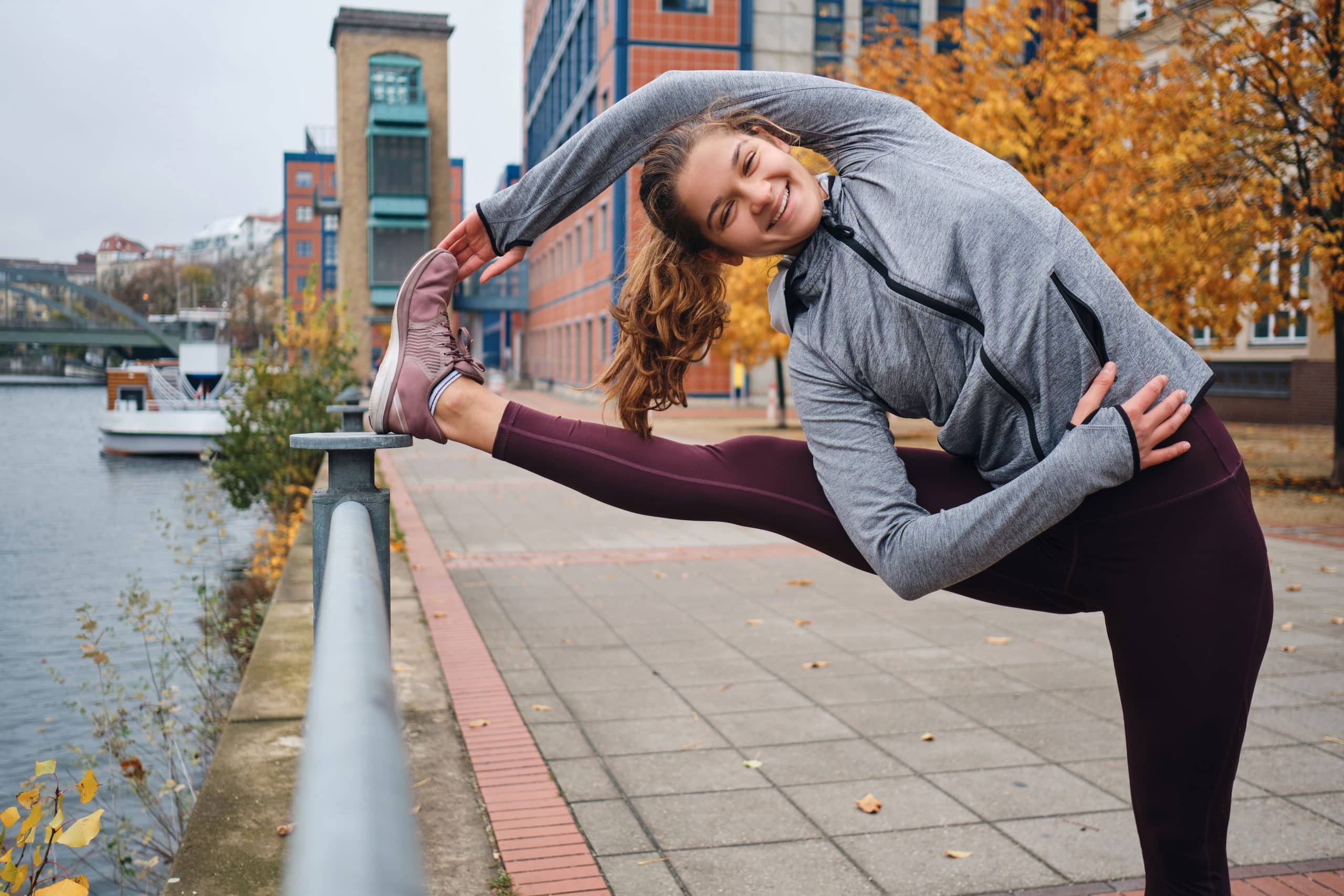
 Stretching is crucial for improving flexibility and reducing muscle soreness by lengthening muscle fibers, increasing range of motion, and promoting blood flow, which collectively enhances physical performance and prevents injuries.
Welcome to The 2026 Guide to Stretching: Improve Flexibility and Reduce Muscle Soreness, your essential resource for understanding and implementing effective stretching practices. In a world that often prioritizes intense workouts, the foundational benefits of a consistent stretching routine are frequently overlooked. This guide aims to bring clarity and practical advice to help you unlock a more flexible, less painful existence, ensuring your body functions at its peak.
The Science Behind Stretching: Why It Matters
Understanding the physiological mechanisms behind stretching is the first step toward appreciating its profound impact on your body. Stretching isn’t just about ‘feeling good’; it’s a critical component of musculoskeletal health, influencing everything from daily movement to athletic performance.
Muscles are complex structures composed of fibers that contract and relax. When these fibers become tight or shortened due to inactivity, strenuous exercise, or poor posture, they can restrict movement and cause discomfort.
Stretching works by gently elongating these muscle fibers, increasing their elasticity and promoting a greater range of motion around joints.
Connective Tissues and Their Role
Beyond muscle fibers, stretching also targets connective tissues such as tendons and ligaments. While ligaments (connecting bone to bone) have limited elasticity, tendons (connecting muscle to bone) can benefit from stretching by increasing their extensibility. This improved extensibility contributes to overall joint health and stability.
Elastin and Collagen: The primary proteins in connective tissues that determine their flexibility. Stretching helps maintain their optimal structure.
Viscoelasticity: Tissues exhibit both viscous (fluid-like) and elastic (spring-like) properties. Stretching improves their viscoelastic response, allowing for greater deformation without damage.
Proprioceptors: Sensory receptors in muscles and tendons that provide information about body position and movement. Stretching can enhance their sensitivity, improving balance and coordination.
Ultimately, the science confirms that regular stretching is not merely an optional add-on but a fundamental practice for maintaining a healthy, functional body. It prepares muscles for activity, aids in recovery, and significantly contributes to long-term physical well-being by improving the resilience and adaptability of your tissues.
Distinguishing Dynamic from Static Stretching in 2026
The landscape of stretching techniques has evolved, and understanding the differences between dynamic and static stretching is paramount for effective and safe practice. Each method serves a distinct purpose and is best applied at specific times within your fitness routine.
Dynamic stretching involves moving your body through a full range of motion, often mimicking movements you’ll perform during your workout. It’s about controlled, fluid movements that prepare your muscles for activity by increasing blood flow and activating nerve pathways. Think arm circles, leg swings, or torso twists.
Static stretching, conversely, involves holding a stretch for a period, typically 20-30 seconds, at the point of mild tension. This method aims to lengthen muscles and increase flexibility, and it’s generally recommended for post-workout recovery or as a standalone flexibility session.
When to Employ Each Method
The timing of your stretches is as important as the stretches themselves. Performing the wrong type of stretch at the wrong time can actually hinder performance or even increase injury risk.
Dynamic Stretching: Ideal for warm-ups before any physical activity. It primes your muscles, increases core body temperature, and improves joint mobility without decreasing muscle power. Examples include high knees, butt kicks, and walking lunges.
Static Stretching: Best reserved for cool-downs after exercise or as a separate session focused purely on flexibility. Holding static stretches when muscles are warm allows for greater elongation and can help reduce post-exercise soreness.
Incorporating both dynamic and static stretching into your overall routine, at the appropriate times, provides a comprehensive approach to flexibility and muscle health. Dynamic movements get you ready to move, while static holds help you recover and improve your long-term range of motion.
Effective Techniques to Improve Flexibility
Achieving greater flexibility requires a strategic approach, focusing on specific techniques that target muscle groups effectively. Beyond just static and dynamic stretching, there are advanced methods that can further enhance your range of motion and overall suppleness.
Proprioceptive Neuromuscular Facilitation (PNF) stretching is one such advanced technique. PNF involves a combination of stretching and contracting the targeted muscle group.
For instance, you might stretch a muscle, then contract it against resistance for a few seconds, relax, and then stretch it further. This method is highly effective for rapidly increasing flexibility but often requires a partner or specialized equipment.
Incorporating Active and Passive Stretching
Active stretching uses your own muscle power to move a limb into a stretched position and hold it, without external assistance. A good example is lifting your leg high and holding it there using only your leg muscles. Passive stretching, on the other hand, involves using an external force, like gravity, a partner, or a strap, to help you achieve a deeper stretch.
Yoga and Pilates: These disciplines seamlessly integrate active and passive stretching, along with strength training, to promote holistic flexibility and body awareness.
Foam Rolling: While not a stretch in the traditional sense, foam rolling is an excellent tool for myofascial release, breaking up adhesions in connective tissue and allowing for more effective stretching.
Assisted Stretching: Working with a qualified professional who can guide you through stretches, applying appropriate pressure and ensuring correct form, can yield significant improvements in flexibility.
No matter the technique, consistency is key. Daily practice, even for short durations, will yield far better results than infrequent, intensive sessions. Focus on listening to your body, never stretching to the point of pain, and gradually increasing your range of motion over time.
Reducing Muscle Soreness: The Role of Stretching
Muscle soreness, particularly delayed onset muscle soreness (DOMS), is a common experience after intense or unaccustomed physical activity. While stretching alone might not eliminate DOMS entirely, it plays a vital role in its management and prevention, contributing significantly to a faster and more comfortable recovery.
Post-exercise static stretching helps to calm the nervous system and promote blood flow to the fatigued muscles. Increased blood flow delivers oxygen and nutrients essential for repair and carries away metabolic waste products that contribute to soreness. By gently lengthening muscles, stretching can also reduce the feeling of tightness and stiffness often associated with DOMS.
Beyond the Stretch: Holistic Recovery
While stretching is a powerful tool, it’s part of a larger recovery puzzle. Combining stretching with other recovery modalities can amplify its benefits and accelerate your return to peak performance.
Hydration: Adequate water intake is crucial for cellular function and nutrient transport, both vital for muscle repair.
Nutrition: Consuming protein and carbohydrates post-workout aids in muscle rebuilding and glycogen replenishment.
Sleep: During sleep, the body releases growth hormone, which is essential for tissue repair and regeneration.
Active Recovery: Light activities like walking or cycling can help maintain blood flow and reduce stiffness without further stressing muscles.
By understanding that stretching is a component of a holistic recovery strategy, you can more effectively mitigate muscle soreness. It’s about creating an environment where your muscles can heal and adapt, preparing them for your next challenge with less discomfort and greater readiness.
Common Stretching Mistakes to Avoid
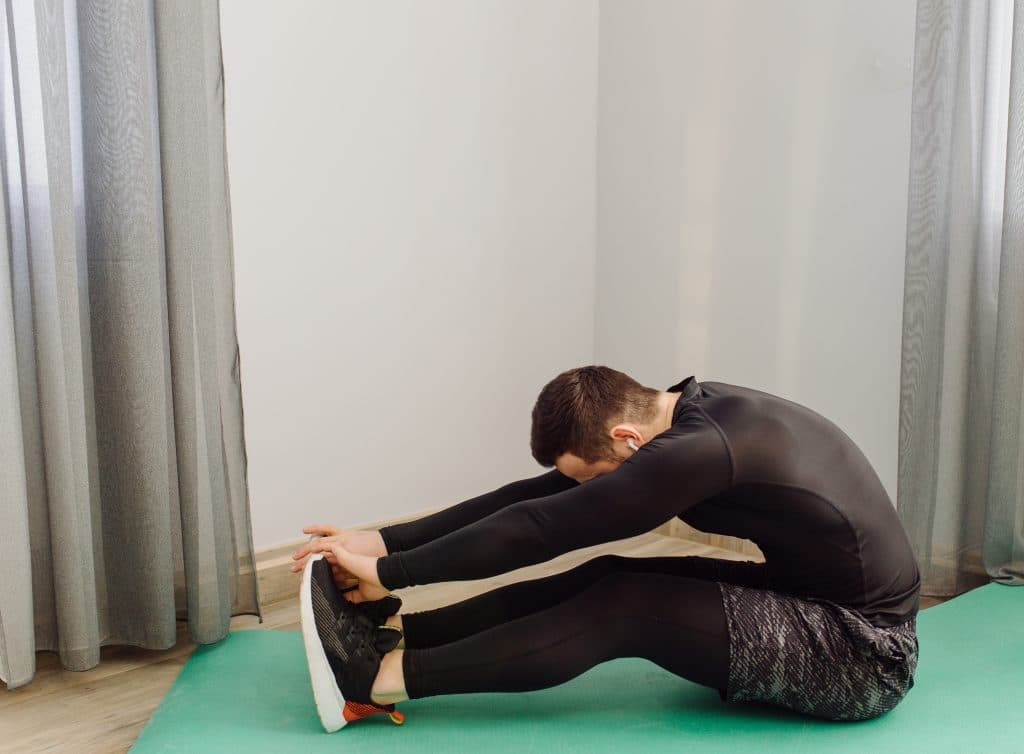
While stretching offers numerous benefits, improper technique or timing can negate its advantages and even lead to injury. Being aware of common mistakes is crucial for maximizing the effectiveness and safety of your stretching routine.
One of the most prevalent errors is bouncing during static stretches. This ballistic stretching, unless done by highly trained athletes for specific purposes, can activate the stretch reflex, causing muscles to contract rather than relax and lengthen. This counterproductive action can increase the risk of muscle pulls or tears.
Overstretching and Ignoring Pain Signals
Another significant mistake is pushing too far into a stretch, ignoring the body’s pain signals. Stretching should feel like a gentle pull or tension, never sharp pain. Pain indicates that you’re overstretching or potentially injuring tissue. Respect your body’s limits and gradually increase your range of motion over time.
Cold Stretching: Attempting deep static stretches on cold muscles is a recipe for injury. Always warm up with light cardio or dynamic movements before engaging in static stretching.
Holding Breath: Holding your breath during a stretch creates tension in the body. Instead, focus on slow, deep breathing to promote relaxation and allow muscles to lengthen more effectively.
Inconsistent Routine: Skipping stretching or only doing it sporadically diminishes its long-term benefits. Consistency is key for lasting flexibility improvements.
By avoiding these common pitfalls, you can ensure your stretching routine is not only effective but also safe. Pay attention to your body, maintain proper form, and integrate stretching intelligently into your overall fitness regimen for optimal results.
Designing Your Personalized Stretching Routine for 2026
A one-size-fits-all approach to stretching rarely yields optimal results. For 2026, the emphasis is on creating a personalized stretching routine that aligns with your individual needs, goals, and lifestyle. This tailored approach ensures maximum effectiveness in improving flexibility and reducing muscle soreness.
Begin by assessing your current flexibility and identifying any areas of tightness or imbalance. Are your hamstrings always tight? Do you have limited shoulder mobility? Pinpointing these areas will help you prioritize which stretches to include. Consider your daily activities and any sports or exercises you engage in, as these will dictate which muscle groups require the most attention.
Key Considerations for Customization
Your routine should evolve as your body changes and your flexibility improves. What works today might need slight adjustments next month. Flexibility is a journey, not a destination.
Frequency: Aim for at least 3-5 stretching sessions per week. Even short, consistent sessions are more beneficial than long, infrequent ones.
Duration: For static stretches, hold each for 20-30 seconds. For dynamic stretches, perform 10-15 repetitions per movement.
Variety: Include a mix of dynamic stretches for warm-ups and static stretches for cool-downs or dedicated flexibility sessions. Incorporate PNF or foam rolling if appropriate for your goals.
Listen to Your Body: Never force a stretch. If you feel pain, ease off. Stretching should be challenging but not painful.
Consulting with a fitness professional or physical therapist can provide invaluable guidance in designing a routine specifically for you. They can help identify imbalances, teach proper form, and suggest stretches tailored to your unique body mechanics and goals, ensuring your personalized stretching routine is both effective and safe for the long term.
Advanced Stretching for Peak Performance and Longevity

For those looking to move beyond basic flexibility and achieve peak physical performance or ensure long-term joint health, advanced stretching techniques and concepts become essential. This level of stretching often integrates with other aspects of physical training, focusing on specific goals like injury prevention in sports or maintaining mobility into older age.
Myofascial Stretching (MFS) is an advanced technique that targets the fascia, the connective tissue surrounding muscles and organs. Unlike traditional stretching, MFS often involves sustained pressure and movement to release fascial restrictions, which can significantly improve overall mobility and reduce chronic pain. Tools like foam rollers and massage balls are often employed in MFS.
Integrating Mobility and Stability
True flexibility is not just about range of motion; it’s also about stability within that range. Advanced stretching routines often combine mobility drills with stability exercises. For example, after improving hip flexor flexibility, one might perform exercises that strengthen the core and glutes to stabilize the pelvis in its new, more mobile range.
Active Isolated Stretching (AIS): This technique involves contracting the opposing muscle group to facilitate the stretch of the target muscle, holding for only a couple of seconds before releasing. This avoids activating the stretch reflex and allows for deeper, safer stretches.
Resistance Stretching: A method where the muscle is stretched while simultaneously being resisted. This can lead to increased strength throughout the full range of motion and improved flexibility.
Neural Glides: Specific movements designed to improve the mobility of nerves within their surrounding tissues, which can be a source of perceived tightness or pain, particularly in conditions like sciatica.
Advanced stretching methods go far beyond basic warm-up routines and require a more intentional approach to movement, muscle activation, and recovery. Techniques such as proprioceptive neuromuscular facilitation (PNF), loaded stretching, active isolated stretching, and mobility flow training are designed to improve flexibility, joint stability, muscular coordination, and overall movement efficiency.
cccccccccccccccccccccccccccc vvvvvvvBecause these approaches place greater demands on the body, understanding proper biomechanics and individual physical limitations becomes essential for both effectiveness and safety.
Working with an experienced coach, physical therapist, or mobility specialist can help ensure that each movement is performed correctly while reducing the risk of strain or injury.
A professional can assess posture, muscular imbalances, joint restrictions, and movement patterns to create a flexibility plan tailored to your body’s unique needs. This personalized guidance is especially important for athletes, older adults, individuals recovering from injuries, or anyone aiming to increase performance safely.
Advanced stretching is also closely connected to nervous system regulation and muscular control. Instead of simply forcing muscles to lengthen, modern mobility training teaches the body how to move more efficiently through controlled ranges of motion.
This process can improve athletic performance, enhance balance, reduce chronic stiffness, and support better posture throughout daily activities. Over time, greater mobility may also decrease the likelihood of repetitive stress injuries by improving the body’s ability to absorb force and maintain alignment.
Another major advantage of advanced flexibility training is its role in recovery and long-term resilience. Incorporating strategic stretching sessions after workouts or during recovery days can improve circulation, reduce muscle tension, and help the body recover more efficiently from physical stress. Many people also notice improvements in energy levels, body awareness, and overall comfort during everyday movement.
Consistency remains one of the most important factors for success. Small, regular mobility sessions often produce better long-term results than infrequent intense stretching workouts. Gradually increasing range of motion while respecting the body’s natural limits helps build sustainable flexibility without unnecessary discomfort.
By strategically incorporating advanced stretching techniques into your fitness and wellness routine, you can unlock new levels of physical performance, improve movement quality, enhance recovery, and build a stronger foundation for lifelong health and mobility.
| Key Point | Brief Description |
|---|---|
| Dynamic Stretching | Controlled movements for warm-up, increasing blood flow and preparing muscles for activity. |
| Static Stretching | Holding stretches for 20-30 seconds, ideal for cool-down and improving long-term flexibility. |
| Soreness Reduction | Stretching aids recovery by increasing blood flow and reducing muscle tightness post-exercise. |
| Personalized Routine | Tailor stretching to individual needs and goals for optimal results and injury prevention. |
Frequently Asked Questions About Stretching
For noticeable improvements in flexibility and muscle soreness reduction, aim to stretch at least 3-5 times per week. Consistency is more important than intensity, so even short daily sessions can be highly effective over time.
Dynamic stretching is recommended before a workout to prepare muscles, while static stretching is best performed after a workout during the cool-down phase. This approach optimizes performance and aids recovery effectively.
While stretching alone isn’t a guaranteed injury preventative, it contributes significantly by improving muscle elasticity and range of motion. Combined with strength training and proper warm-up, it forms a strong defense against common injuries.
For most static stretches, holding for 20-30 seconds is generally recommended. This duration allows the muscle fibers and connective tissues to gradually lengthen without triggering the stretch reflex, promoting effective flexibility gains.
Light, gentle stretching can help alleviate muscle soreness by increasing blood flow and reducing stiffness. However, avoid aggressive stretching, which could exacerbate the soreness or cause further muscle damage. Listen to your body’s signals.
Conclusion
Adopting a consistent and informed stretching routine is a powerful investment in your long-term physical health and well-being. By understanding the science, distinguishing between different techniques, avoiding common mistakes, and personalizing your approach, you can significantly improve your flexibility and effectively reduce muscle soreness.
The year 2026 offers us an opportunity to re-evaluate our fitness practices and prioritize holistic body care, with stretching at its core. Embrace these insights, listen to your body, and unlock a more mobile, comfortable, and resilient version of yourself.