Home Security 2026: 5 DIY Cameras Under $300
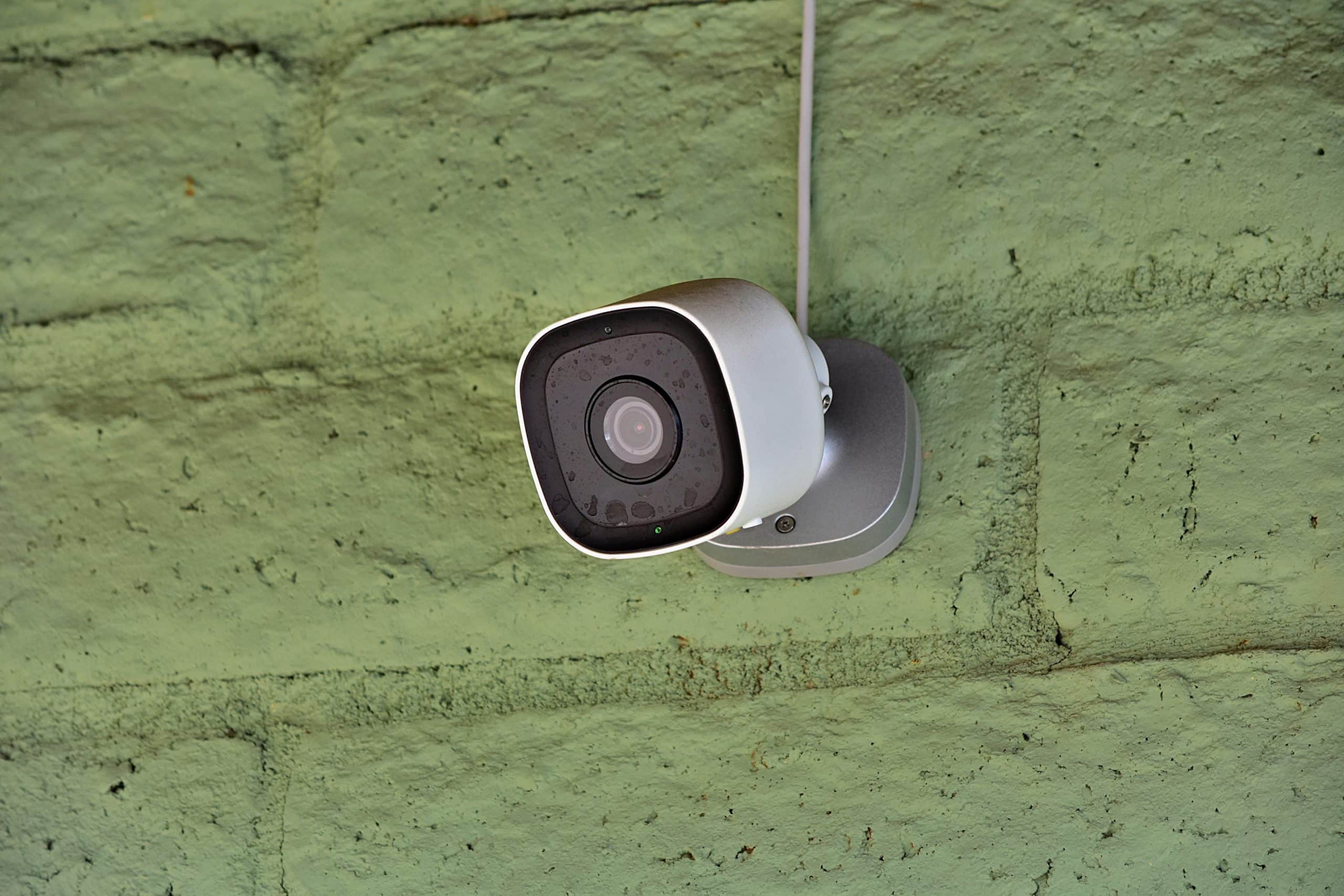
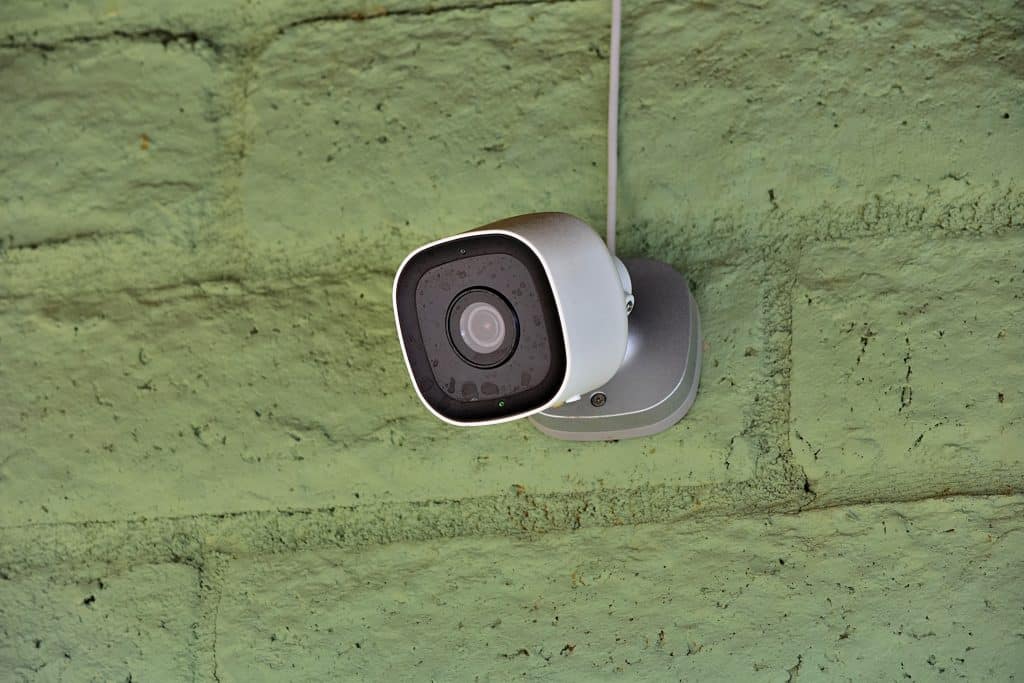 The latest advancements in home security technology in 2026 have made it possible to acquire robust DIY camera systems offering 24/7 monitoring for less than $300, providing accessible and effective protection for any household.
In an era where home safety is paramount, finding effective yet affordable security solutions has become a top priority for many homeowners.
This article delves into The Latest in Home Security: 5 DIY Camera Systems Offering 24/7 Monitoring for Under $300 in 2026, proving that advanced protection doesn’t have to break the bank. We’ll explore innovative systems that empower you to take control of your home’s safety with ease and confidence.
Understanding the DIY Security Revolution
The landscape of home security has undergone a significant transformation in recent years. Gone are the days when comprehensive surveillance systems were exclusively the domain of professional installers and hefty monthly fees. Today, the do-it-yourself (DIY) security market is booming, offering sophisticated technology that is both user-friendly and budget-conscious.
This shift is largely driven by advancements in wireless technology, cloud storage, and artificial intelligence, making it possible for everyday consumers to set up powerful monitoring systems with minimal technical expertise. These systems provide a compelling alternative for those seeking flexibility, affordability, and direct control over their home’s security infrastructure.
Why DIY Security is Gaining Traction
DIY security systems appeal to a broad audience for several key reasons. Their accessibility and ease of installation are often primary motivators, allowing homeowners to customize their setups without scheduling appointments or paying for labor. Furthermore, the absence of long-term contracts and recurring fees for basic monitoring makes them financially attractive.
Cost-Effectiveness: Significant savings on installation and often on monthly monitoring.
Flexibility: Easily expand or reconfigure your system as your needs change.
Personal Control: Direct access to footage and alerts via smartphone apps.
Privacy: You decide how your data is stored and accessed, often with local storage options.
Moreover, the integration with smart home ecosystems means these cameras can often communicate with other devices, creating a more cohesive and automated security environment. This level of integration enhances both convenience and effectiveness, giving homeowners unprecedented control over their property’s safety.
Criteria for Selecting Top DIY Camera Systems Under $300
When searching for an effective DIY camera system, especially within a strict budget of under $300, it’s crucial to evaluate several key features. Not all cameras are created equal, and understanding what truly matters will help you make an informed decision that provides genuine peace of mind.
Our selection process for the top 5 systems considered a balance of performance, reliability, ease of use, and overall value. We focused on systems that offer robust monitoring capabilities without compromising on essential security features.
Essential Features to Look For
To ensure a system provides reliable 24/7 monitoring, certain features are non-negotiable. These include high-definition video, night vision, motion detection, and two-way audio. The ability to store footage, whether locally or in the cloud, is also critical for reviewing incidents.
Video Resolution: At least 1080p for clear image capture.
Night Vision: Infrared (IR) night vision for visibility in low light or complete darkness.
Motion Detection: Customizable zones and sensitivity to reduce false alarms.
Two-Way Audio: Communicate with visitors or deter intruders remotely.
Storage Options: Local (SD card) and/or cloud storage for recorded footage.
App Functionality: User-friendly interface for live viewing, alerts, and settings management.
Beyond these core features, consider factors like weather resistance for outdoor cameras, battery life for wireless models, and integration capabilities with existing smart home platforms. A system that is easy to install and manage through an intuitive app will significantly enhance your user experience and ensure consistent monitoring.
Top 5 DIY Camera Systems for Under $300 in 2026
After extensive research and evaluation, we’ve identified five standout DIY camera systems that offer exceptional value and performance for under $300 in 2026. These systems provide comprehensive 24/7 monitoring capabilities, making advanced home security accessible to a wider audience.
Each of these systems brings a unique combination of features, ease of use, and reliability to the table, ensuring there’s an option suitable for various household needs and preferences. Our goal was to highlight solutions that truly deliver on their promise of affordable and effective security.
Wyze Cam v4 Pro System
The Wyze Cam v4 Pro continues to impress with its incredible feature set at an unbeatable price point. For less than $100 per camera, you can build a multi-camera system that offers 2K QHD video, color night vision, and robust motion detection. Its compact design and versatile mounting options make it ideal for both indoor and outdoor use.
Wyze offers affordable cloud storage plans, but also supports local storage via a microSD card, providing flexibility for users concerned about recurring costs. The Wyze app is intuitive, allowing for easy setup, live viewing, and instant alerts. This system is perfect for those seeking high-quality video and smart features without the premium price tag.
Eufy SoloCam S40 Solar-Powered Camera
The Eufy SoloCam S40 is an appealing option for homeowners who want outdoor security without running power cables or routinely removing a camera to recharge its battery. Its integrated solar panel continuously replenishes the built-in 13,400mAh battery when the camera receives adequate sunlight, making it particularly useful for driveways, backyards, garages, side entrances, and other outdoor areas where electrical outlets may not be conveniently located.
Rather than providing continuous 24/7 video recording, the SoloCam S40 uses motion detection to capture security events. This approach helps conserve battery power and storage space while still providing alerts when relevant activity occurs.
Solar-Powered Convenience
One of the SoloCam S40’s biggest advantages is its integrated solar panel. Eufy recommends positioning the camera where it can receive at least two hours of direct sunlight per day under normal usage conditions.
This can dramatically reduce the amount of manual charging required. However, solar performance will depend on installation location, weather, camera settings, frequency of motion events, and actual sunlight exposure.
For the best results, homeowners should avoid mounting the camera beneath heavily shaded rooflines, dense trees, or other structures that block direct sunlight for most of the day.
Sharp 2K Video Quality
The SoloCam S40 records at 2K resolution, providing additional detail compared with standard 1080p cameras. This improved clarity can make it easier to review activity around entrances, walkways, vehicles, and other important areas of your property.
The camera also offers a 135-degree field of view and digital zoom, allowing homeowners to monitor a relatively wide outdoor area from a single installation point.
For nighttime monitoring, the S40 combines infrared capability with a built-in 600-lumen adjustable spotlight. When configured appropriately, the spotlight enables color night vision, which can provide more visual information than traditional black-and-white infrared footage.
8GB of Built-In Local Storage
Another notable feature is its 8GB of built-in eMMC local storage.
Recordings can therefore be stored directly on the camera without requiring a mandatory monthly subscription for normal operation. When storage becomes full, the system can overwrite older recordings with newer events.
For homeowners trying to keep a DIY security system affordable, eliminating a required monthly storage subscription can make the long-term cost more predictable.
There is an important trade-off, however. Because recordings are stored inside the camera, stored footage can be lost if the entire camera is stolen. The 8GB storage is also built in and cannot be expanded with a microSD card.
AI-Powered Human Detection
Constant notifications caused by moving branches, animals, shadows, or other irrelevant activity can make security cameras frustrating to use.
The SoloCam S40 includes onboard AI functionality that can be configured to distinguish human activity from other motion. This can help homeowners focus on more relevant security events rather than receiving an alert for every movement around the property.
Users can also create up to two activity zones. For example, you could prioritize a driveway or front walkway while reducing unnecessary notifications generated by movement farther away from your property.
Instant Motion Notifications
When qualifying motion is detected, the camera can send a push notification through the Eufy app. This allows homeowners to check activity from a compatible smartphone rather than waiting until they return home.
Two-way audio is another useful feature. The S40 supports half-duplex communication, allowing you to communicate with someone near the camera through the app.
It can be useful when speaking with visitors, delivery drivers, or someone elsewhere on your property.
Built-In Spotlight and 90dB Siren
The integrated spotlight serves more than one purpose. In addition to improving nighttime image quality, visible lighting can make activity around the camera much easier to notice.
The SoloCam S40 also incorporates a 90dB siren that can be triggered manually or configured to activate automatically under certain conditions.
These features give homeowners additional options beyond simply recording motion.
Designed for Outdoor Conditions

Outdoor cameras need to handle considerably harsher conditions than indoor security devices.
The SoloCam S40 carries an IP67 weather-resistance rating and is designed to withstand exposure to conditions such as rain, snow, dust, and sand. Its specified operating temperature range extends from approximately -4°F to 122°F (-20°C to 50°C).
Proper installation is still important. The mounting point should provide both a useful viewing angle and sufficient sunlight for solar charging.
Wi-Fi and Smart-Home Compatibility
The SoloCam S40 connects through 2.4GHz Wi-Fi, so homeowners should verify that their wireless network provides a strong signal at the intended installation location.
This is especially important when installing a camera on a detached garage, at the far end of a house, or in a large backyard. A camera with poor Wi-Fi connectivity may not provide the reliable notifications and remote access expected from a smart security device.
The S40 also supports Amazon Alexa and Google Assistant integrations on compatible devices.
Key Features at a Glance
Solar-Powered: An integrated solar panel helps recharge the built-in battery when adequate direct sunlight is available.
2K Resolution: Provides detailed video for monitoring important outdoor areas.
8GB Local Storage: Built-in eMMC storage keeps recordings locally without requiring a mandatory monthly subscription.
AI Human Detection: Helps distinguish people from other types of movement and can reduce unnecessary notifications.
Color Night Vision: A 600-lumen adjustable spotlight enables color footage at night.
135° Field of View: Provides relatively broad coverage for entrances, yards, and driveways.
Two-Way Audio: Allows communication through the Eufy app.
90dB Siren: Provides an additional security response option.
IP67 Weather Resistance: Designed for year-round outdoor use.
Is the Eufy SoloCam S40 Worth Considering?
For a DIY home security setup, the SoloCam S40 combines several desirable features into a single outdoor camera: solar charging, 2K video, local storage, AI-assisted detection, a spotlight, two-way communication, and weather resistance.
Its biggest advantages are the integrated solar panel and subscription-free local storage. These features can make it particularly attractive to homeowners who want to minimize ongoing maintenance and recurring costs.
However, it’s important to understand what the camera does not provide. The S40 is designed primarily for motion-triggered event recording rather than continuous 24/7 recording, and its internal 8GB storage cannot be expanded.
If those limitations fit your security needs, the SoloCam S40 can serve as a practical component of a budget-conscious DIY home security system in 2026.
Blink Outdoor 4 Camera Kit
Amazon’s Blink Outdoor 4 offers a compelling wire-free solution, with a two-camera kit often available for under $200. These cameras boast an impressive two-year battery life on two AA lithium batteries, making them incredibly low-maintenance. They are weather-resistant and designed for easy outdoor placement.
The Blink system integrates seamlessly with Alexa and provides 1080p HD video. While it offers cloud storage via a subscription, users can also opt for local storage with the Blink Sync Module 2. This system is ideal for those prioritizing long battery life and simple, effective outdoor surveillance.
Arlo Essential Spotlight Camera
While a single Arlo Essential Spotlight Camera might push the upper limit of the $300 budget, it often goes on sale, making it an excellent option. Arlo is known for its superior image quality and advanced features. The Essential Spotlight camera offers 1080p HD video, color night vision, and an integrated spotlight to deter intruders.
Integrated Spotlight: Enhances visibility and acts as a deterrent.
Wire-Free Design: Easy placement without power outlets.
Direct Wi-Fi: Connects directly to Wi-Fi, no hub required.
Rich Notifications: Detailed alerts with images or video clips.
Arlo’s ecosystem offers robust cloud storage plans and smart object detection, providing a premium experience. Its durable design and reliable performance make it a strong contender for those seeking high-end features within a budget.
Ring Stick Up Cam Battery
The Ring Stick Up Cam Battery is a versatile option that can be used both indoors and outdoors, offering 1080p HD video and two-way talk. Priced around $100, it’s easy to integrate multiple cameras into a comprehensive system without exceeding the $300 threshold. Its battery-powered design means flexible placement anywhere you need it.
Ring’s strong integration with the wider Amazon ecosystem, including Alexa, and its optional Ring Protect Plan for cloud video recording and professional monitoring, make it a popular choice. The ability to quickly swap out battery packs for continuous operation is a practical advantage.
Installation and Setup: Making DIY Truly Easy
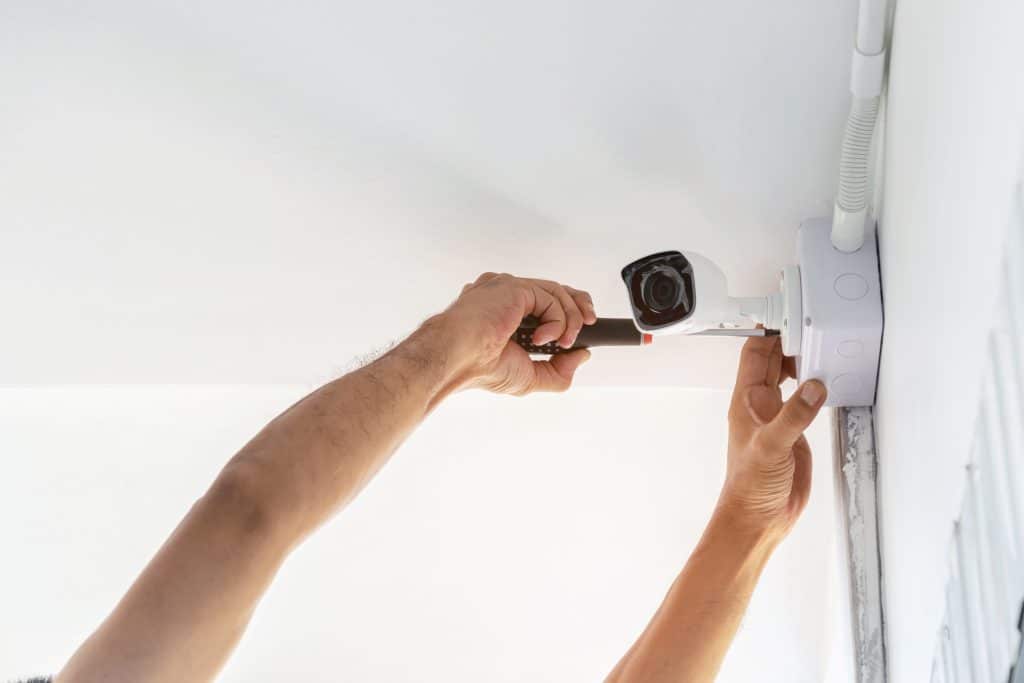
One of the primary advantages of DIY camera systems is their straightforward installation process. Manufacturers have increasingly focused on user-friendly designs, ensuring that even individuals with minimal technical skills can set up their security infrastructure quickly and efficiently.
Most systems follow a similar installation paradigm, typically involving mounting cameras, connecting them to your home Wi-Fi network, and configuring settings via a smartphone application. This simplicity drastically reduces the barrier to entry for robust home security.
Step-by-Step Installation Guide
While specific steps may vary slightly between brands, a general guide can help demystify the process. The key is to plan camera placement strategically, ensuring optimal coverage and power access if applicable.
- Unpack and Charge: Ensure all components are present and battery-powered cameras are fully charged.
- Download the App: Install the manufacturer’s dedicated smartphone app and create an account.
- Connect to Wi-Fi: Follow in-app instructions to connect each camera to your home’s Wi-Fi network.
- Mount Cameras: Secure cameras in desired locations, using provided mounting hardware. Consider optimal angles and avoid obstructions.
- Configure Settings: Customize motion detection zones, alert preferences, and storage options within the app.
Many systems also offer guided tutorials within their apps, simplifying complex steps and providing visual aids. This commitment to user experience ensures that you can have your system up and running in a matter of minutes, not hours.
Maximizing Your 24/7 Monitoring Experience
Having a DIY camera system is one thing; effectively utilizing it for 24/7 monitoring is another. To truly maximize your home security, it’s important to adopt best practices and leverage all the features your system offers. This proactive approach ensures you’re always aware of what’s happening around your property.
Effective monitoring involves more than just receiving alerts; it’s about understanding how to respond, optimizing camera settings, and maintaining your system for long-term reliability. With a bit of attention, your affordable DIY setup can rival more expensive professional solutions.
Tips for Optimal Performance
Regularly reviewing your camera’s field of view, adjusting motion sensitivity, and ensuring strong Wi-Fi connectivity are crucial for uninterrupted monitoring. Consider adding external lighting to enhance night vision capabilities for outdoor cameras.
Strategic Placement: Cover entry points, vulnerable windows, and high-traffic areas.
Wi-Fi Strength: Ensure a strong, stable Wi-Fi signal at all camera locations.
Motion Zones: Define specific areas for motion detection to minimize false alarms from pets or passing cars.
Alert Customization: Tailor notifications to your preferences, distinguishing between person, vehicle, or animal detection.
Regular Maintenance: Clean camera lenses periodically and check battery levels for wireless units.
Data Storage Management: Understand your storage limits and backup important footage.
Furthermore, integrating your cameras with other smart home devices, such as smart lights or alarm sirens, can create an even more robust security ecosystem. For example, motion detection could trigger lights to turn on, deterring potential intruders. This layered approach significantly enhances your home’s overall security posture.
The Future of Affordable Home Security
The trajectory of DIY home security is clear: increasingly sophisticated technology is becoming more accessible and affordable. As we look towards the future, we can anticipate even greater integration of artificial intelligence, enhanced privacy features, and improved battery efficiency in budget-friendly systems.
Innovations like advanced facial recognition, predictive analytics, and self-learning algorithms are slowly making their way into consumer-grade cameras, promising even smarter and more proactive security. The goal remains to provide robust protection that is intuitive, reliable, and within reach for every homeowner.
Emerging Trends to Watch
Several key trends are shaping the next generation of DIY security cameras. These developments promise to make home monitoring even more effective and user-friendly, pushing the boundaries of what’s possible with a limited budget.
Edge AI Processing: More processing done on the device itself, reducing reliance on cloud and improving response times.
Enhanced Privacy Features: Greater emphasis on local storage, end-to-end encryption, and user control over data.
Longer Battery Life/Alternative Power: Continued innovation in power sources, including more efficient solar options and longer-lasting batteries.
Seamless Smart Home Integration: Deeper and more intuitive connections with a wider range of smart home ecosystems.
Modular Systems: Easier expansion and customization of systems with various camera types and sensors.
These trends suggest a future where home security is not just about reactive alerts but also about proactive prevention and seamless integration into our daily lives. The ongoing innovation ensures that securing your home effectively will continue to be an achievable and affordable goal for years to come.
| Key Feature | Benefit for DIY Security |
|---|---|
| Affordable Price Point | Enables comprehensive security without significant financial outlay, making protection accessible. |
| 24/7 Monitoring | Provides continuous surveillance and instant alerts, ensuring constant awareness of your property. |
| Easy DIY Installation | Eliminates professional installation costs and allows for flexible, personalized system setup. |
| Smart Features | Includes motion detection, two-way audio, and app control for enhanced interaction and security. |
Frequently Asked Questions About DIY Home Security
Yes, modern DIY security cameras are highly effective for 24/7 monitoring. Many systems offer continuous recording, motion-activated alerts, and cloud or local storage options, ensuring constant surveillance and immediate notification of any suspicious activity. With proper placement and configuration, they provide robust protection.
Prioritize 1080p or higher video resolution, reliable night vision, customizable motion detection, and two-way audio. Also, consider storage options (local SD card or affordable cloud plans) and user-friendly mobile app functionality. Weather resistance is crucial for outdoor cameras, and battery life for wire-free models.
Not always. Many DIY camera systems offer basic features like live viewing and motion alerts without a subscription. However, cloud video storage, advanced AI detection, and extended warranty options often come with optional monthly plans. Systems like Eufy provide local storage to avoid recurring fees.
Most DIY home security camera systems are designed for easy installation, requiring minimal technical expertise. Typically, you download an app, connect cameras to your Wi-Fi, and mount them using provided hardware. Manufacturers often include clear instructions and in-app guides to simplify the process.
Yes, many affordable DIY camera systems offer integration with popular smart home platforms like Amazon Alexa or Google Home. This allows for voice control, triggering routines based on camera events (e.g., turning on lights when motion is detected), and viewing feeds on smart displays, enhancing overall home automation and security.
Conclusion
Securing your home with a reliable 24/7 monitoring system no longer requires a significant financial investment or complex professional installation. As demonstrated by the top 5 DIY camera systems under $300 for 2026, advanced home security is now more accessible and user-friendly than ever before.
By carefully selecting a system that aligns with your specific needs and leveraging its features effectively, you can achieve comprehensive protection and invaluable peace of mind. The future of home security is in your hands, offering powerful tools to safeguard your property and loved ones without breaking the bank.