2026 Guide to DIY Pest Control: Eliminate 5 Common Pests
 Homeowners can successfully implement effective DIY pest control 2026 strategies by understanding pest behavior, utilizing natural and chemical solutions responsibly, and maintaining consistent preventative measures to eliminate common household nuisances.
Are you tired of sharing your home with uninvited guests? The battle against household pests can feel endless, but with the right knowledge and tools, you can reclaim your space.
This comprehensive guide, The 2026 Guide to DIY Pest Control: Eliminate 5 Common Household Pests Effectively., empowers you to tackle common infestations head-on, ensuring a safer, more comfortable living environment for you and your family.
Understanding the Enemy: Common Household Pests
Before you can effectively eliminate pests, it’s crucial to understand who you’re dealing with. Different pests require different approaches, and a one-size-fits-all solution rarely works. Identifying the specific pest invading your home is the first step towards successful DIY pest control.
Knowing their habits, preferred environments, and life cycles can significantly improve your chances of eradication. For instance, what attracts them to your home? Where do they hide? When are they most active? Answering these questions will guide your strategy, making your efforts more targeted and efficient. Without proper identification, you might be wasting time and resources on ineffective treatments.
Ants: Tiny Invaders, Big Nuisance
Ants are perhaps the most common household pest, often appearing in kitchens and pantries in search of food and water. They are highly organized and can quickly establish large colonies, making their eradication a persistent challenge. Understanding their foraging patterns and entry points is key.
Common Entry Points: Cracks in foundations, gaps around windows and doors, utility line openings.
Attractants: Food crumbs, sugary spills, pet food, moisture.
Behavior: They follow scent trails to food sources, often forming visible lines.
Once you’ve identified an ant problem, you can begin to implement targeted solutions. Simple measures like keeping your kitchen clean and storing food in airtight containers can go a long way in preventing infestations. However, for established colonies, more aggressive tactics may be necessary.
Cockroaches: Resilient and Unsanitary
Cockroaches are notoriously resilient and can thrive in almost any environment, especially those with warmth, moisture, and food. They are nocturnal, often hiding during the day and emerging at night to forage. Their presence indicates unsanitary conditions and can pose significant health risks.
Preferred Habitats: Kitchens, bathrooms, basements, wall voids.
Health Risks: Allergies, asthma, spread of bacteria and pathogens.
Signs of Infestation: Fecal droppings (look like coffee grounds or black pepper), egg casings, musty odor.
Dealing with cockroaches requires persistence and a multi-pronged approach. Sealing entry points and eliminating food sources are critical, but baits and insecticides are often needed for effective control. Their ability to hide in small crevices makes thorough treatment essential.
Preventative Measures: Your First Line of Defense
The best pest control is prevention. By taking proactive steps, you can significantly reduce the likelihood of infestations, saving yourself time, money, and stress down the line. These measures focus on making your home less attractive and accessible to pests.
Regular maintenance and good housekeeping habits form the foundation of effective preventative pest control. It’s about creating an environment where pests struggle to find food, water, and shelter. This includes both indoor and outdoor efforts, as many pests originate from outside your home.
Seal Entry Points
Many pests enter your home through tiny cracks and openings. Sealing these entry points is a fundamental step in pest prevention. Even small gaps can be an invitation for ants, roaches, and rodents.
Caulk and Seal: Use caulk to seal cracks around windows, doors, and utility pipes.
Repair Screens: Fix any tears or holes in window and door screens.
Install Door Sweeps: Add sweeps to the bottoms of exterior doors to close gaps.
Regularly inspect your home’s exterior and interior for new cracks or deteriorating seals. This ongoing vigilance is crucial, as wear and tear can create new vulnerabilities over time. Don’t overlook areas like the attic or crawl space, which are often neglected but can be prime entry points.
Sanitation and Food Storage
Pests are primarily attracted to food and water sources. Maintaining a clean home and storing food properly can drastically reduce their appeal. This is especially true for ants and cockroaches, which are notorious scavengers.
Clean Up Spills Immediately: Don’t leave crumbs or sticky residues.
Store Food in Airtight Containers: This prevents pests from accessing food and hides scents.
Regularly Empty Trash: Use bins with tight-fitting lids and take out garbage frequently.
Beyond the kitchen, consider pet food bowls, which can be a significant attractant. Clean them regularly and avoid leaving food out overnight. Even small details, like wiping down counters after meals, contribute to a pest-resistant environment.
Targeted DIY Strategies for Common Pests
Once you’ve identified your pest and implemented preventative measures, it’s time for targeted action. These DIY strategies combine natural remedies with safe chemical solutions to effectively eliminate infestations. Remember to always follow product instructions carefully.
The key to successful targeted treatment is consistency and patience. Some methods may require repeated application, and it can take time to see significant results. Don’t give up if you don’t see immediate eradication; continuous effort will pay off.
Ants: Baiting and Repelling
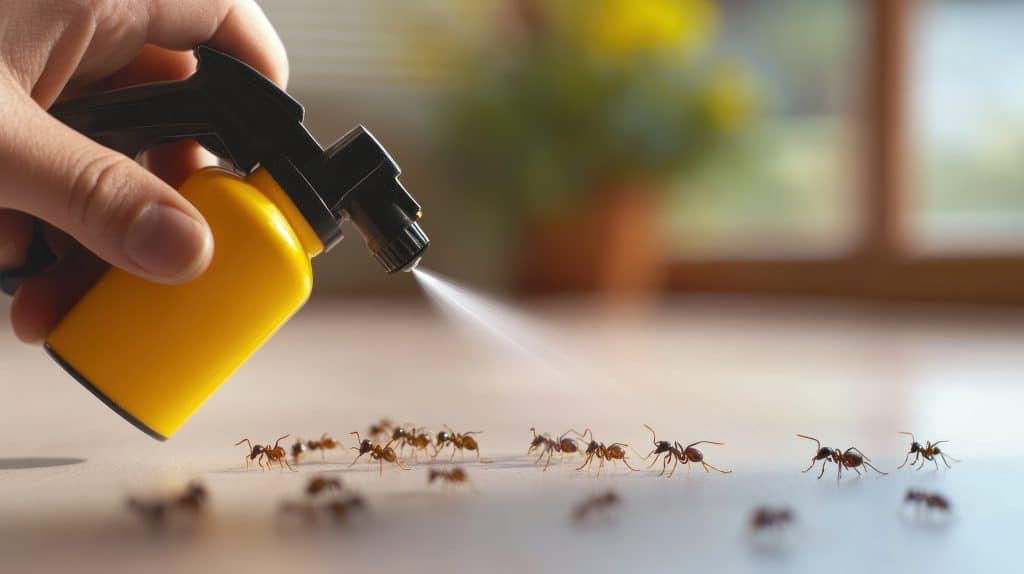
For ants, baiting is often more effective than spraying, as baits are carried back to the colony, eliminating the source. Repellents can also deter them from entering specific areas.
Ant Baits: Use gel or liquid baits containing boric acid or fipronil. Place them near ant trails but out of reach of children and pets.
Natural Repellents: A mixture of vinegar and water can disrupt ant trails. Essential oils like peppermint or tea tree oil can also deter them when applied to entry points.
Diatomaceous Earth: A natural powder that dehydrates ants. Sprinkle it in cracks and crevices.
Observe where ants are most active to strategically place baits and repellents. Be patient, as it can take a few days for baits to work their way through the colony. Continuously monitor for new trails to ensure complete eradication.
Cockroaches: Traps and Growth Regulators
Cockroaches require a more aggressive approach due to their resilience. Combining traps with insect growth regulators (IGRs) can disrupt their life cycle and prevent future generations.
Sticky Traps: Place these in areas where roaches are suspected, such as under sinks, behind appliances, and in dark corners, to monitor activity and catch individuals.
Bait Stations: Similar to ant baits, these contain slow-acting insecticides that roaches carry back to their nests.
Insect Growth Regulators (IGRs): These chemicals prevent roach nymphs from maturing or reproducing. They can be found in sprays or bait formulations.
Thorough cleaning is paramount when dealing with cockroaches. Eliminate all food and water sources, as these will compete with your baits. Consistency in application and ongoing sanitation are vital for long-term control.
Tackling Specific Pests: Mosquitoes, Rodents, and Bed Bugs
While ants and cockroaches are common, other pests like mosquitoes, rodents, and bed bugs present unique challenges. Each requires a tailored approach for effective DIY control.
These pests can be particularly disruptive and, in some cases, pose significant health risks. Understanding their specific behaviors and vulnerabilities is essential for successful eradication. Don’t underestimate their potential impact on your home and health.
Mosquitoes: Eliminating Breeding Grounds
Mosquitoes are not only annoying but also carriers of various diseases. The most effective DIY control involves eliminating their breeding grounds: standing water.
Empty Standing Water: Regularly check and empty bird baths, clogged gutters, old tires, and any containers that collect water.
Maintain Pools: Ensure swimming pools are properly chlorinated and circulated.
Mosquito Larvicides: Use “mosquito dunks” or granular larvicides in standing water sources that cannot be drained, such as ornamental ponds.
For personal protection, consider using EPA-approved insect repellents when outdoors. Installing window and door screens is also crucial to prevent them from entering your home. A multi-faceted approach addressing both outdoor breeding and indoor entry is most effective.
Rodents: Trapping and Exclusion
Mice and rats can cause significant damage to property and spread diseases. DIY rodent control focuses on trapping and, crucially, excluding them from your home.
Snap Traps: Traditional snap traps are effective for mice and small rats. Bait them with peanut butter or cheese.
Bait Stations (Caution): If using rodenticides, always place them in tamper-resistant bait stations, especially if you have children or pets. Follow all safety warnings.
Exclusion: Seal all holes and gaps larger than a quarter-inch in your home’s foundation, walls, and roofline using steel wool, caulk, or mesh.
Regularly inspect your home for signs of rodent activity, such as droppings, gnaw marks, or nests. Remove potential food sources and keep your property tidy to deter them. Patience is key, as rodents can be wary of new objects like traps.
Bed Bugs: Intensive Cleaning and Heat Treatment
Bed bugs are one of the most challenging pests to eliminate DIY due to their elusive nature and rapid reproduction. They feed on blood and hide in cracks and crevices near their hosts.
Thorough Cleaning: Vacuum mattresses, box springs, bed frames, carpets, and furniture thoroughly. Immediately dispose of the vacuum bag in a sealed container outdoors.
Heat Treatment: Wash and dry all bedding, clothing, and curtains on the highest heat setting. Steam clean mattresses, carpets, and upholstered furniture.
Mattress Encasements: Use zippered, bed bug-proof covers on mattresses and box springs to trap any remaining bugs and prevent new ones.
Chemical treatments for bed bugs are often complex and require professional application. For DIY, focus on the intensive cleaning and heat treatment methods. Be persistent, as bed bug eradication often takes multiple rounds of treatment over several weeks. Inspect regularly for any signs of their return.
Eco-Friendly and Safe DIY Pest Control Options
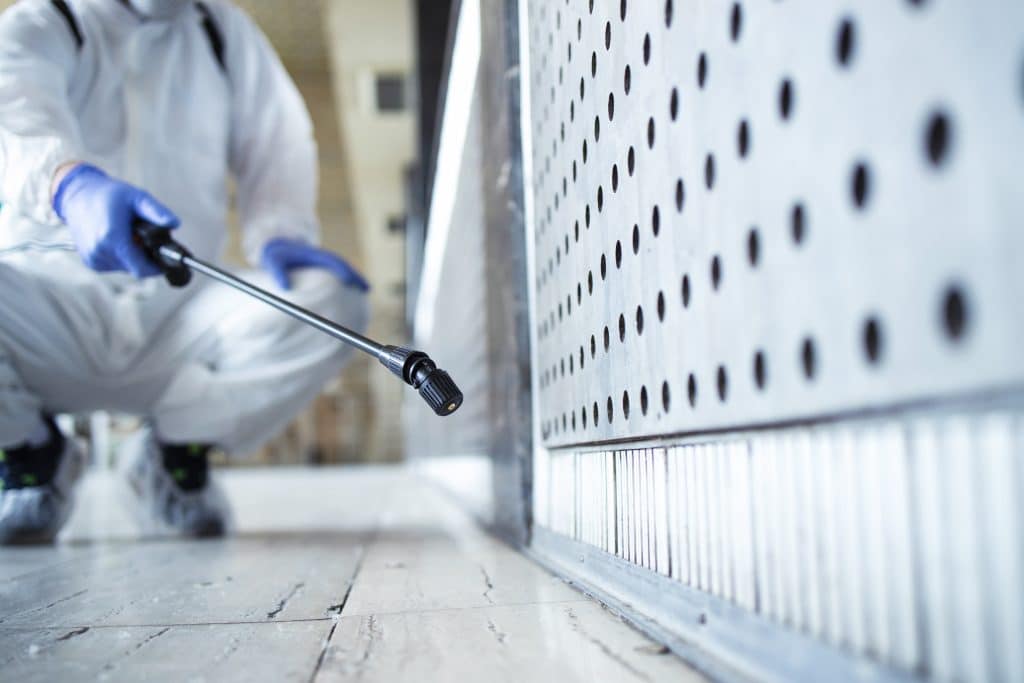
As environmental awareness grows, many homeowners are seeking safer, eco-friendly pest control options. These methods prioritize the health of your family, pets, and the planet, often utilizing natural ingredients and non-toxic approaches.
While some natural solutions might require more frequent application or be less potent than conventional pesticides, they offer peace of mind. It’s about finding a balance between effectiveness and environmental responsibility. Always research and test natural remedies to ensure they are safe for your specific situation.
Natural Repellents and Deterrents
Many common household items and plants possess natural pest-repelling properties. Incorporating these into your DIY strategy can reduce reliance on chemical products.
Essential Oils: Peppermint, lavender, eucalyptus, and tea tree oils can deter various pests. Mix with water and spray or use cotton balls soaked in oil.
Diataomaceous Earth (Food Grade): Safe for use around pets and children, this powder is effective against crawling insects by dehydrating them.
Beneficial Plants: Plant marigolds, citronella grass, or basil around your home to naturally repel mosquitoes and other insects.
These natural solutions are often most effective as part of a broader preventative strategy, or for managing minor infestations. They can significantly reduce the pest population without introducing harsh chemicals into your living space. Always ensure proper ventilation when using essential oils.
Integrated Pest Management (IPM) at Home
Integrated Pest Management (IPM) is a holistic approach that combines various methods to control pests in the most effective and environmentally sensitive way. It emphasizes prevention, monitoring, and minimal use of pesticides.
Inspection and Monitoring: Regularly check for signs of pests to catch infestations early. Use sticky traps to monitor activity.
Cultural Practices: Maintain a clean home, manage moisture, and store food properly.
Physical Controls: Seal entry points, use screens, and employ traps.
Biological Controls: Introduce natural predators (less common for DIY indoor use, but relevant for gardens).
Chemical Controls (Last Resort): Use targeted, low-toxicity pesticides only when necessary and as a last resort.
Implementing IPM principles means understanding that pest control is an ongoing process, not a one-time event. It’s about being smart, proactive, and using the least harmful methods first. This approach ensures long-term success and a healthier home environment.
When to Call a Professional: Knowing Your Limits
While DIY pest control can be highly effective for many common infestations, there are times when calling a professional is the wisest course of action. Recognizing these limits can save you time, money, and frustration, and ensure the problem is dealt with effectively and safely.
Some pests are simply too difficult, dangerous, or persistent for a homeowner to manage alone. Professionals have access to specialized equipment, stronger chemicals, and extensive knowledge that can resolve severe or recurring infestations. Don’t hesitate to seek expert help when necessary.
Persistent or Widespread Infestations
If your DIY efforts aren’t yielding results, or if the infestation is particularly large and widespread, it’s probably time to bring in the experts. Certain pests, like termites or extensive bed bug infestations, almost always require professional intervention.
Termites: These pests cause significant structural damage and are notoriously hard to eradicate without professional tools and expertise.
Severe Bed Bug Infestations: If bed bugs have spread beyond one room or are deeply entrenched, professional heat treatments or targeted chemical applications are often needed.
Rodent Overpopulation: A large rodent population can be difficult to manage with simple traps and may require more extensive exclusion and baiting strategies.
A professional pest control service can accurately identify the scope of the problem, implement a comprehensive treatment plan, and provide follow-up services to ensure the pests are gone for good. They can also offer advice on long-term prevention strategies.
Dangerous Pests and Health Risks
Some pests pose direct health risks or can be dangerous to handle. In these cases, it’s always best to defer to a professional to ensure your safety and the safety of your family.
Wasps, Hornets, and Bees: Nests of stinging insects, especially in high-traffic areas, should be handled by professionals due to the risk of allergic reactions and multiple stings.
Venomous Spiders: While most spiders are harmless, some, like black widows or brown recluse spiders, require expert handling due to their venomous bites.
Wildlife: Dealing with larger animals like raccoons, possums, or bats often requires specialized knowledge and permits for removal and exclusion.
Professionals are equipped with the right protective gear and knowledge to safely remove dangerous pests and prevent their return. They can also address any potential health hazards associated with the infestation, such as contaminated areas or droppings. Prioritizing safety is paramount.
| Key Pest | DIY Control Strategy |
|---|---|
| Ants | Baiting, natural repellents (vinegar, essential oils), diatomaceous earth, sealing entry points. |
| Cockroaches | Sticky traps, bait stations, insect growth regulators (IGRs), rigorous sanitation. |
| Mosquitoes | Eliminate standing water, use larvicides, repair screens, maintain pools. |
| Rodents | Snap traps, secure bait stations, extensive exclusion (sealing holes), food removal. |
Frequently Asked Questions About DIY Pest Control
The most common household pests suitable for DIY control include ants, cockroaches, mosquitoes, rodents (mice and small rats), and bed bugs. Each requires specific strategies, but general principles of sanitation and exclusion apply across the board.
Regular inspections are crucial. A monthly visual check of common entry points, kitchens, bathrooms, and basements is recommended. More frequent checks, perhaps weekly, are advisable if you’ve recently dealt with an infestation or live in a high-risk area.
Natural pest control methods can be very effective, especially for prevention and minor infestations. Ingredients like essential oils, vinegar, and diatomaceous earth work as repellents or desiccants. For severe infestations, they may need to be combined with other methods or professional help.
You should call a professional if DIY efforts are unsuccessful after consistent application, if the infestation is widespread or recurring, if you suspect dangerous pests like termites or venomous spiders, or if you’re dealing with a large rodent population.
Effective DIY bed bug treatment involves intensive cleaning (vacuuming, hot washing), heat treatment (steam cleaning, high-heat drying), and encasing mattresses and box springs. Persistence and repeated treatments over several weeks are essential for success.
Conclusion
Empowering yourself with the knowledge and tools for DIY pest control 2026 is a significant step towards maintaining a healthy and comfortable home. By understanding the common pests, implementing robust preventative measures, and applying targeted strategies, you can effectively manage and eliminate most household infestations.
Remember that consistency, vigilance, and a willingness to adapt your approach are crucial for success. While many pest problems can be resolved with DIY methods, knowing when to seek professional assistance ensures that even the most challenging infestations are handled safely and effectively. Reclaim your home and enjoy a pest-free environment with these practical, actionable strategies.