Smart Home Integrations for DIY: 2026 Automation Guide
The 3 Latest Smart Home Integrations for DIY Enthusiasts: A 2026 Guide to Seamless Automation explores cutting-edge technologies enabling homeowners to create truly interconnected and intelligent living spaces with ease.
Are you ready to transform your living space into a truly intelligent environment? For the dedicated homeowner and tech-savvy individual, exploring The 3 Latest Smart Home Integrations for DIY Enthusiasts: A 2026 Guide to Seamless Automation offers a compelling glimpse into the future of connected living. This guide is your essential resource for understanding how to leverage cutting-edge technology to achieve unparalleled control and efficiency in your home.
The rise of unified smart home platforms
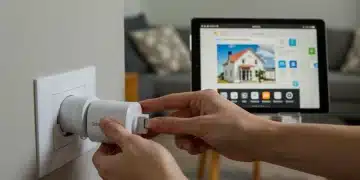
The landscape of smart home technology is constantly evolving, with 2026 marking a significant shift towards more cohesive and user-friendly platforms. Gone are the days of managing disparate devices through multiple apps; the focus now is on creating a single, intelligent ecosystem that communicates seamlessly. This evolution is particularly beneficial for DIY enthusiasts who seek greater control and customization without the complexity.
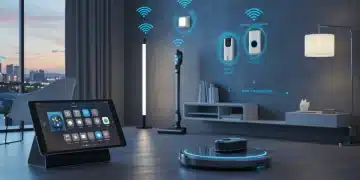
Unified platforms are designed to bring together devices from various manufacturers under one centralized control system. This means your smart thermostat can communicate directly with your smart lighting, and your security cameras can trigger specific actions in conjunction with your door locks. The goal is to eliminate friction and enhance the overall user experience, making advanced automation accessible to everyone.
Interoperability standards and their impact
A key driver behind the success of unified platforms is the adoption of universal interoperability standards. These standards ensure that devices, regardless of their brand, can speak the same language, fostering a truly integrated smart home. For DIY enthusiasts, this means more choice and less worry about compatibility issues.
- Matter Protocol: This emerging standard is rapidly gaining traction, promising a future where devices from different manufacturers work together effortlessly. It simplifies setup and enhances security.
- Thread Networking: A low-power mesh networking technology that creates a robust and self-healing network for smart home devices, improving reliability and responsiveness.
- Zigbee and Z-Wave Evolution: While Matter and Thread are newer, established protocols like Zigbee and Z-Wave continue to evolve, offering broader device compatibility and improved performance.
The impact of these standards cannot be overstated. They empower DIYers to mix and match devices, building a personalized smart home system that perfectly fits their needs and budget. This freedom of choice fuels innovation and drives down costs, making advanced smart home automation more attainable than ever before.
Advanced energy management systems
As energy costs continue to fluctuate and environmental consciousness grows, advanced energy management systems (EMS) have become a cornerstone of smart home integrations. These systems go beyond simple thermostat control, offering comprehensive insights and automation capabilities to optimize energy consumption throughout your entire home. For the DIY enthusiast, this means not only significant cost savings but also a tangible contribution to sustainability.
Modern EMS leverage artificial intelligence and machine learning to analyze your energy usage patterns, identify inefficiencies, and make intelligent adjustments. They can integrate with smart appliances, solar panels, and even electric vehicle charging stations, creating a holistic approach to energy optimization. The ability to monitor and control energy flow from a single dashboard provides unprecedented transparency and power to the homeowner.
Smart grid integration and dynamic pricing
A significant advancement in 2026 is the deeper integration of home EMS with the broader smart grid. This allows your home to dynamically respond to energy pricing and availability, automatically shifting high-consumption tasks to off-peak hours or even selling excess solar energy back to the grid. DIY enthusiasts can now actively participate in energy markets, optimizing their energy expenditure like never before.
- Real-time Usage Monitoring: Detailed breakdowns of energy consumption by appliance, helping identify energy hogs.
- Automated Load Shifting: Programming dishwashers, laundry machines, and EV charging to run when electricity is cheapest.
- Solar Optimization: Maximizing self-consumption of solar energy and intelligently managing battery storage.
These systems offer a level of granular control that was once reserved for commercial buildings. By understanding and influencing your home’s energy footprint, you gain financial benefits and contribute to a more stable and efficient energy infrastructure. The DIY aspect lies in selecting, installing, and configuring these systems to align with your specific energy goals and lifestyle.
Proactive security and environmental monitoring
Smart home security has evolved beyond simple alarms, now encompassing comprehensive environmental monitoring to protect your home from a wider range of threats. In 2026, integrated systems offer proactive protection against intruders, fires, water leaks, and even air quality issues, providing a holistic sense of safety and peace of mind. DIY enthusiasts can now build robust, self-managed security and environmental networks tailored to their specific property.
These advanced systems utilize a network of sensors, cameras, and smart devices that work in concert to detect potential problems and alert homeowners instantly. Integration with voice assistants and mobile apps allows for remote monitoring and control, ensuring you’re always connected to your home, no matter where you are. The shift is towards preventative measures and early detection, minimizing damage and risk.
AI-powered threat detection and anomaly alerts
Artificial intelligence plays a crucial role in enhancing the intelligence of security and environmental monitoring systems. AI algorithms can differentiate between routine occurrences and genuine threats, significantly reducing false alarms. For instance, a smart camera can distinguish between a falling branch and an intruder, while an environmental sensor can predict a potential pipe burst before it happens.
- Facial Recognition: Identifying known individuals and alerting to unknown visitors at your doorstep.
- Predictive Maintenance: Monitoring appliance performance and alerting to potential failures like water heater leaks.
- Air Quality Sensors: Detecting abnormal levels of pollutants, allergens, or carbon monoxide for immediate action.
The DIY aspect here involves strategically placing these intelligent sensors and configuring their responses to create a truly responsive and adaptive home. This proactive approach to home safety and environmental health provides a significant upgrade over traditional systems, empowering homeowners with real-time actionable insights and automated responses.
Future-proofing your smart home investments
Investing in smart home technology means looking beyond immediate needs and considering the longevity and adaptability of your chosen systems. In a rapidly advancing field, future-proofing your integrations is key to ensuring your efforts today continue to pay off tomorrow. For DIY enthusiasts, this involves making informed decisions about scalable platforms, open standards, and devices that receive regular updates.
The goal is to build a foundation that can easily incorporate new technologies and adapt to evolving needs without requiring a complete overhaul. This often means prioritizing devices and hubs that support open protocols like Matter and Thread, as these are designed for long-term compatibility and cross-brand functionality. Avoiding proprietary systems that lock you into a single ecosystem can save considerable frustration and expense down the line.
Modular design and software updates
A modular approach to smart home design allows for easy expansion and upgrades. Instead of replacing entire systems, you can simply add or swap out individual components as new innovations emerge. Furthermore, choosing brands that commit to regular software and firmware updates ensures your devices remain secure, functional, and compatible with new standards over time.
- Open-Source Integrations: Exploring platforms like Home Assistant provides ultimate flexibility and community-driven development.
- Cloud-Agnostic Devices: Devices that can function locally or with various cloud services offer greater resilience.
- Scalable Hubs: Investing in a smart home hub that can handle a growing number of devices and complex automations.
By focusing on these aspects, DIY enthusiasts can build a smart home that not only meets their current needs but is also well-prepared for the technological advancements of the coming years. This strategic planning maximizes the return on your time and financial investment, ensuring your smart home remains cutting-edge and efficient.
| Key Integration | Brief Description |
|---|---|
| Unified Platforms | Centralized control systems for seamless communication between diverse smart devices, simplifying management. |
| Advanced Energy Management | AI-powered systems optimizing energy consumption, integrating with smart grids for cost savings and sustainability. |
| Proactive Security & Monitoring | Integrated systems for comprehensive protection against intrusions, environmental hazards, with AI-driven detection. |
| Voice & Gesture Control | Intuitive, hands-free interaction with smart devices, enabling personalized routines and contextual automation. |
Frequently asked questions about smart home integrations
Unified platforms simplify smart home management by consolidating control of various devices into a single app or interface. This reduces complexity, enhances interoperability between different brands, and allows DIY enthusiasts to create more sophisticated and reliable automation routines without compatibility frustrations.
These systems save money by intelligently monitoring and optimizing energy consumption. They can automatically shift high-energy tasks to off-peak hours when electricity is cheaper, integrate with solar power to maximize self-consumption, and provide detailed insights into energy usage, helping identify and reduce waste.
Proactive security systems in 2026 leverage AI and advanced sensors to not only detect threats but also anticipate them. They can differentiate between real dangers and false alarms, monitor environmental factors like air quality and water leaks, and provide immediate alerts or automated responses, minimizing potential damage.
Yes, with the increasing adoption of interoperability standards like Matter and Thread, integrating devices from various brands is becoming much easier and more reliable. These standards ensure devices speak a common language, allowing DIYers greater flexibility in choosing components for their smart home ecosystem.
Future-proofing involves choosing scalable platforms, supporting open standards, and selecting devices from manufacturers committed to regular software updates. Prioritizing modular design allows for easy upgrades, ensuring your smart home remains adaptable and compatible with emerging technologies without needing a complete system overhaul.
Embracing the automated future
The journey into The 3 Latest Smart Home Integrations for DIY Enthusiasts: A 2026 Guide to Seamless Automation reveals a world of unprecedented control, efficiency, and comfort. For the dedicated DIYer, this era of smart home technology offers not just gadgets, but powerful tools to craft a living environment that truly understands and responds to their needs. By embracing unified platforms, advanced energy management, and proactive security, homeowners are not just adopting technology; they are actively shaping their future living spaces. The satisfaction of building a truly intelligent home, tailored to your exact specifications, is a reward in itself, promising a more convenient, secure, and sustainable lifestyle for years to come.