DIY Natural Pest Control: Keep Your Home Bug-Free This Year
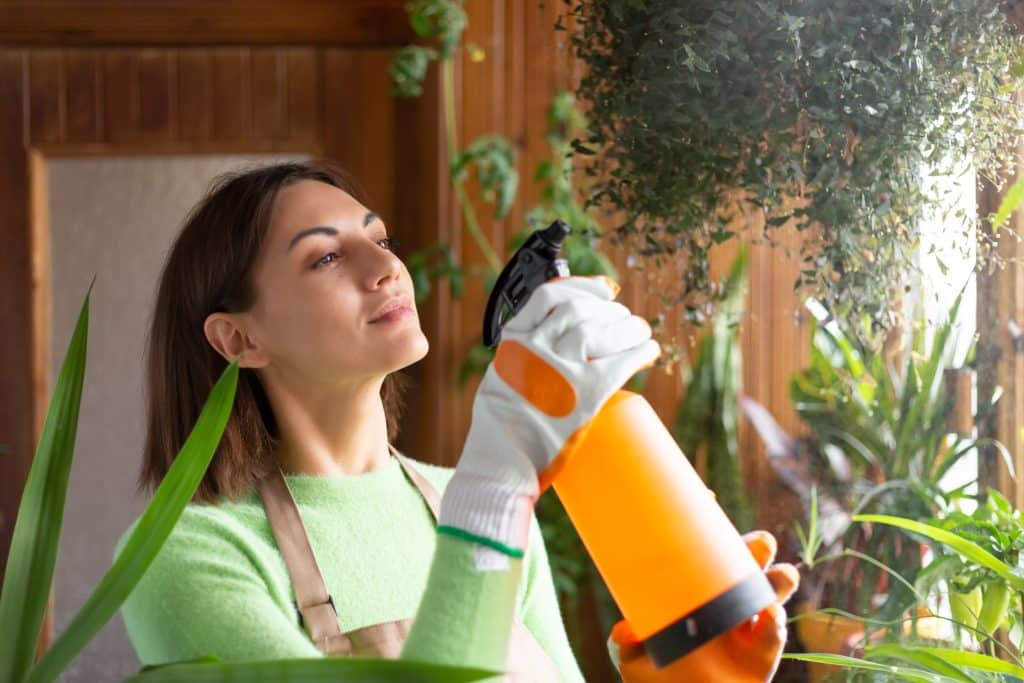 Implementing natural DIY pest control methods can effectively keep your home bug-free this year by leveraging eco-friendly solutions that are safe for your family and pets.
The thought of uninvited guests like ants, spiders, or mosquitoes sharing your living space can be unsettling.
While chemical pesticides offer a quick fix, they often come with environmental and health concerns. This year, consider a safer, more sustainable approach:
natural DIY pest control. Embracing natural solutions not only protects your home from pests but also contributes to a healthier environment for your family and pets.
Let’s explore how you can achieve a bug-free home using methods that are both effective and eco-friendly.
Understanding Common Household Pests and Their Habits
Before you can effectively combat pests, it’s crucial to understand who you’re dealing with and why they’re attracted to your home.
Different pests have different motivations and behaviors, which means a one-size-fits-all solution rarely works.
Identifying the specific pest is the first step towards successful natural DIY pest control, allowing you to tailor your approach for maximum impact.
Knowing their habits can help you target their weaknesses and prevent future infestations.
For instance, ants are often drawn to food sources, particularly sugary and greasy items, and will create trails to and from these areas.
Cockroaches, on the other hand, prefer dark, moist environments and are typically found in kitchens and bathrooms, scavenging for crumbs and water. Mosquitoes are attracted to standing water for breeding and are most active during dawn and dusk.
Understanding these basic patterns helps in implementing preventative measures and targeted treatments.
Identifying Pest Entry Points
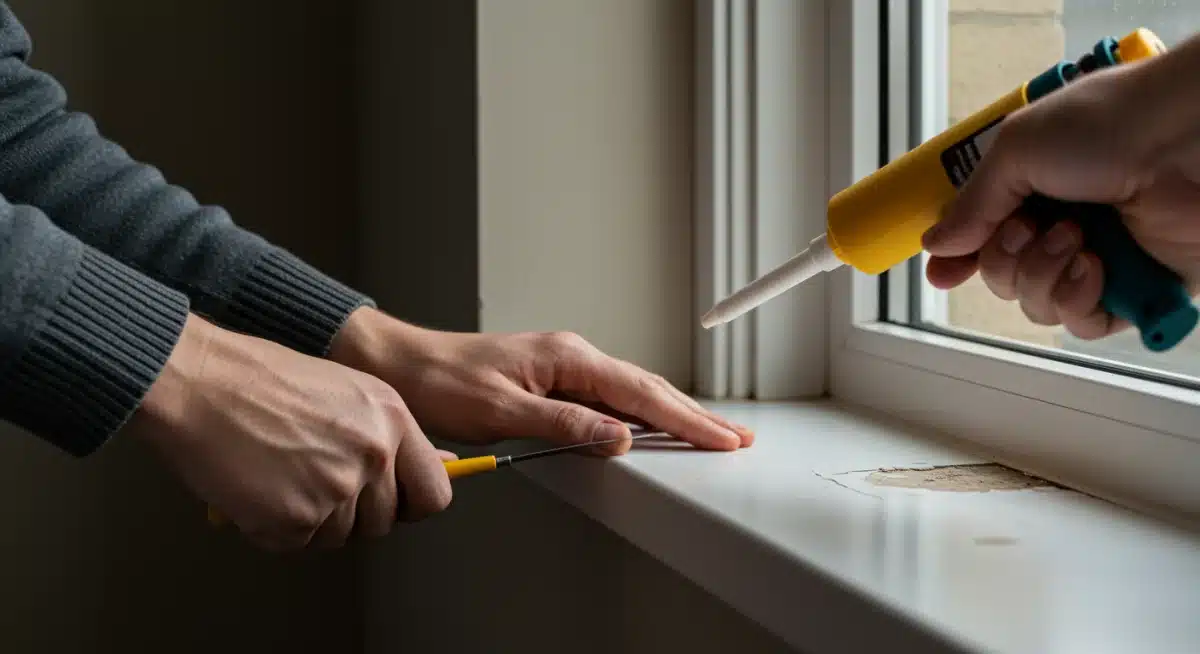
Pests don’t just appear out of thin air; they find ways into your home. Common entry points include cracks in foundations, gaps around windows and doors, utility line openings, and even through vents. Regular inspection of your home’s exterior and interior can reveal these vulnerabilities, allowing you to seal them off before an infestation begins.
This proactive approach is a cornerstone of effective natural pest management.
Cracks and Crevices: Inspect walls, foundations, and floors for any openings.
Window and Door Seals: Check for worn-out weather stripping or gaps around frames.
Utility Openings: Ensure pipes, wires, and vents are properly sealed where they enter the home.
Screens: Repair any tears or holes in window and door screens.
By understanding the specific pests you might encounter and diligently identifying and sealing their entry points, you lay a strong foundation for a bug-free home. This knowledge empowers you to choose the most appropriate and effective natural solutions, making your pest control efforts more efficient and less stressful. A well-informed homeowner is often the best defense against unwanted intruders.
First Line of Defense: Sanitation and Exclusion
Effective natural DIY pest control begins with a strong defense, and that means maintaining a clean home and sealing off potential entry points.
Pests are primarily seeking food, water, and shelter, so eliminating these attractions makes your home far less appealing. Good sanitation practices are fundamental, making your living space inhospitable to a wide array of insects and rodents.
Without these basic necessities, pests are much less likely to settle in.
Regular cleaning, proper food storage, and waste management are simple yet powerful tools in your arsenal. Don’t underestimate the impact of a tidy home on pest prevention. Even small crumbs or drops of liquid can attract a colony of ants or a family of cockroaches.
By being diligent in these areas, you significantly reduce the chances of an infestation before it even starts. This preventative approach saves time and effort in the long run.
Implementing Proper Food Storage
Food is a primary draw for many pests. Storing food correctly is paramount to keeping bugs at bay. Transferring opened packages into airtight containers is a simple step that makes a huge difference. This not only keeps pests out but also keeps your food fresher for longer. It’s a win-win situation for both your pantry and your peace of mind.
- Airtight Containers: Store cereals, grains, pet food, and snacks in sealed containers.
- Clean Spills Immediately: Wipe up food spills and crumbs as soon as they occur.
- Refrigerate Perishables: Don’t leave food out on countertops for extended periods.
- Secure Trash Cans: Use trash cans with tight-fitting lids and empty them regularly.
Beyond food storage, exclusionary tactics are equally vital. Sealing cracks and gaps in your home’s structure prevents pests from entering in the first place.
This includes checking foundations, windows, doors, and utility entry points. A thorough inspection and sealing effort can drastically reduce pest access.
Combining excellent sanitation with robust exclusion creates a formidable barrier against most common household pests, making your natural DIY pest control efforts highly effective.
Harnessing the Power of Essential Oils
Essential oils are a cornerstone of natural DIY pest control, offering powerful repellent properties without the harsh chemicals found in commercial pesticides.
Many essential oils contain compounds that are naturally irritating or toxic to insects, making them an excellent choice for creating your own homemade pest deterrents. Their pleasant aromas are an added bonus for humans, masking any unpleasant odors while keeping pests away.
When using essential oils, it’s important to choose high-quality, pure oils and dilute them properly, especially if you have pets or small children.
A little goes a long way, and direct application of undiluted oils can sometimes cause irritation. Experiment with different oils to find what works best for the specific pests you’re targeting, as their effectiveness can vary.
Top Essential Oils for Pest Repellents
Several essential oils are particularly effective against common household pests. Peppermint oil, for instance, is a strong deterrent for spiders, ants, and mice due to its intense scent. Tea tree oil has antiseptic and insecticidal properties, making it useful against a range of bugs. Lavender oil, while pleasant to humans, repels mosquitoes, fleas, and moths.
- Peppermint Oil: Effective against ants, spiders, mice, and even some rodents.
- Tea Tree Oil: Repels ants, fleas, ticks, and acts as an antiseptic.
- Lavender Oil: Deters mosquitoes, moths, fleas, and flies.
- Lemon Eucalyptus Oil: A recognized repellent for mosquitoes and ticks.
- Citronella Oil: Widely known for its mosquito-repelling capabilities.
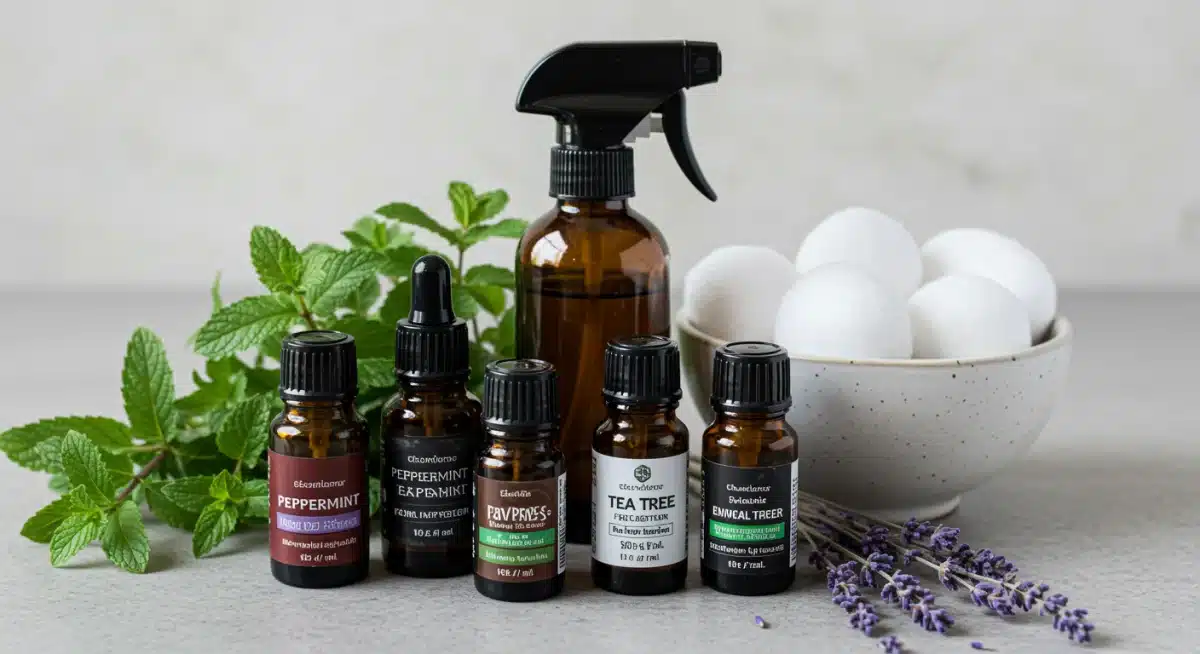
To create a simple essential oil spray, mix 10-15 drops of your chosen essential oil(s) with one cup of water and a teaspoon of rubbing alcohol or witch hazel in a spray bottle.
Shake well before each use and spray directly onto entry points, baseboards, window sills, and other areas where pests are active.
Reapply regularly, especially after cleaning, to maintain effectiveness. The consistent application of these natural solutions can significantly reduce your pest problems, providing a safe and fragrant barrier.
Herbal Remedies and Garden Solutions
Beyond essential oils, many common herbs and plants contain natural pest-repelling properties that can be utilized both inside and outside your home.
Integrating these plants into your garden or placing fresh herbs strategically throughout your house can create a natural barrier against unwanted insects. This approach to natural DIY pest control not only deters pests but also adds beauty and fragrance to your living space.
Think of your garden as an extension of your home’s defense system.
Certain plants can act as natural guardians, protecting not only themselves but also your home from various pests. This method is particularly effective for outdoor pests like mosquitoes, flies, and even some larger garden nuisances.
By choosing the right plants, you can create a hostile environment for pests while simultaneously enhancing your outdoor aesthetics.
Pest-Repelling Plants for Your Home and Garden
Planting specific herbs and flowers around your home can naturally deter pests. Marigolds, for example, are known to repel nematodes and other garden pests.
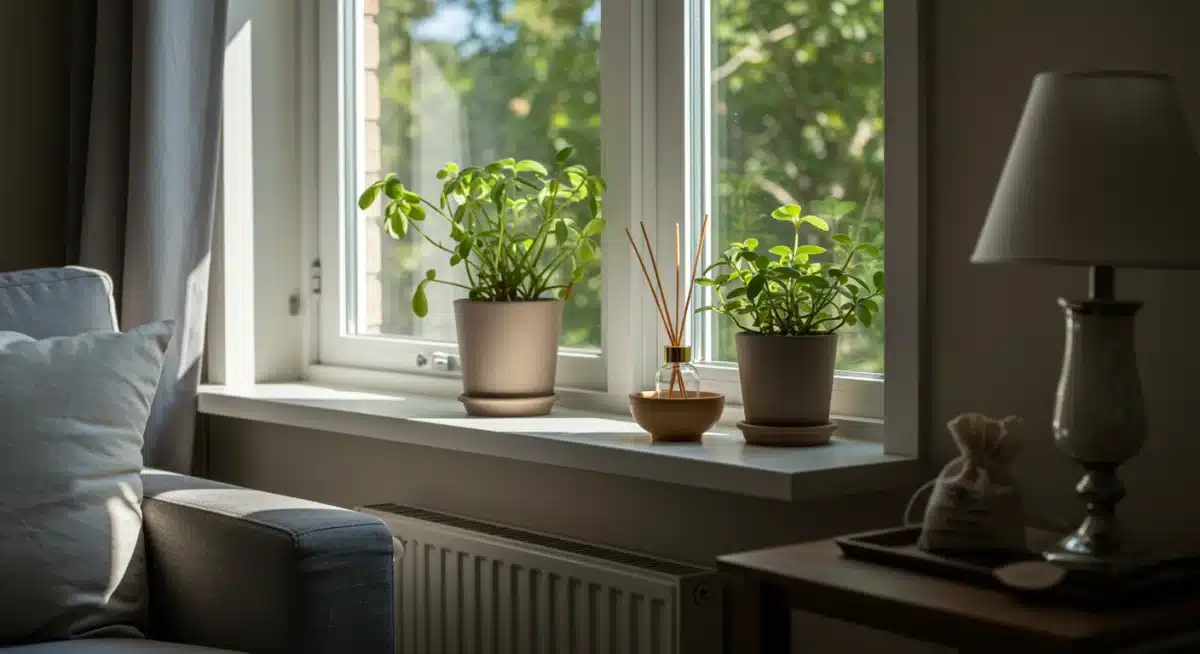
Basil, rosemary, and mint are excellent for keeping flies and mosquitoes away and can be grown in pots near entryways or on windowsills. Catnip, while attractive to cats, is a powerful mosquito repellent.
- Basil: Repels flies and mosquitoes. Plant near doors or windows.
- Rosemary: Deters mosquitoes, flies, and moths. Great for culinary use too.
- Mint: Keeps ants, mosquitoes, and mice away. Grow in pots to control spread.
- Lavender: Repels fleas, moths, and mosquitoes. A beautiful and fragrant addition.
- Chrysanthemums: Contain pyrethrin, a natural insecticide, effective against many insects.
For indoor use, consider placing sachets of dried herbs like bay leaves (for pantry moths and cockroaches) or cedar chips (for moths and silverfish) in closets, drawers, and pantry areas.
Fresh sprigs of rosemary or mint can also be placed in vases or bowls in areas where pests are a concern. Regularly refreshing these natural deterrents ensures their potency. By strategically incorporating these herbal remedies, you can effectively enhance your natural DIY pest control efforts, creating a less inviting environment for bugs both inside and out.
Traps and Baits: Non-Toxic Solutions
While prevention is key, sometimes pests still find their way in. When they do, non-toxic traps and baits offer an effective and safe way to manage infestations without resorting to harsh chemicals. These solutions are designed to capture or eliminate pests using physical methods or natural attractants, making them a crucial component of any natural DIY pest control strategy.
They are particularly useful for monitoring pest activity and reducing populations without posing a risk to your family or pets.
From sticky traps for crawling insects to specialized baits for ants or rodents, there’s a non-toxic option for almost every common household pest. The advantage of these methods lies in their targeted approach and the absence of harmful residues.
They allow you to address existing pest problems directly and efficiently, complementing your preventative measures. Always place traps and baits in areas inaccessible to children and pets, even if they are non-toxic, to ensure safety.
Homemade Traps and Baits
Many effective traps can be made with common household items. For fruit flies, a simple apple cider vinegar trap works wonders: fill a small bowl with apple cider vinegar, a few drops of dish soap, and cover tightly with plastic wrap, poking small holes in the top. The flies are attracted to the vinegar, get trapped by the soap, and can’t escape.
- Ant Baits: Mix borax with sugar or honey to create a paste that ants carry back to their colony.
- Cockroach Traps: Use petroleum jelly around the rim of a jar with bait inside (like bread) to trap cockroaches.
- Mouse Traps: Traditional snap traps or humane catch-and-release traps are effective and chemical-free.
- Sticky Traps: Place sticky traps in areas of high pest activity for spiders, silverfish, and other crawling insects.
For larger pests, like rodents, humane traps allow you to capture and release them far from your home. When using any type of trap or bait, regularly check and empty them to prevent attracting more pests or creating unsanitary conditions. The strategic placement and consistent monitoring of these non-toxic solutions are essential for successful natural DIY pest control, ensuring that any persistent pests are dealt with effectively and safely.
Long-Term Prevention and Maintenance
Achieving a truly bug-free home isn’t a one-time event; it’s an ongoing commitment to prevention and maintenance. While immediate natural DIY pest control solutions can handle existing problems, establishing long-term habits is what truly keeps pests from returning.
This proactive approach involves regular inspections, continuous upkeep of your home’s defenses, and adjusting your strategies as needed. Consistency is the key to sustained success in natural pest management.
Think of pest control as part of your regular home maintenance routine, much like cleaning or gardening. By integrating these practices into your daily or weekly schedule, you can stay ahead of potential infestations and address minor issues before they escalate.
This not only saves you time and effort but also ensures that your home remains a healthy and comfortable environment throughout the year. A well-maintained home is inherently less attractive to pests.
Seasonal Pest Control Adjustments
Pest activity often varies with the seasons, requiring you to adjust your natural DIY pest control strategies accordingly. In spring, focus on sealing entry points as insects become more active. Summer calls for increased vigilance against mosquitoes and ants.
Fall is the time to prepare for overwintering pests like rodents and spiders seeking warmth indoors, while winter might require attention to pantry pests.
- Spring: Seal new cracks, repair screens, and begin outdoor repellent treatments.
- Summer: Focus on mosquito control around standing water and ant trails.
- Fall: Inspect for rodent entry points, clear gutters, and bring potted plants indoors after inspection.
- Winter: Maintain pantry cleanliness and monitor for indoor pests attracted to warmth.
Regularly trimming trees and shrubs away from your home’s foundation can also reduce potential bridges for pests to access your house. Keeping gutters clean prevents standing water, which is a breeding ground for mosquitoes. Furthermore, educating yourself about the specific pest challenges in your region can help you anticipate and prevent problems more effectively. By consistently applying these long-term prevention and maintenance strategies, you can significantly reduce your reliance on reactive measures and enjoy a consistently bug-free home through natural DIY pest control methods.
Advanced Natural Solutions and Professional Help
While many natural DIY pest control methods are highly effective, some situations may call for more advanced natural solutions or even professional intervention.
Persistent infestations, or those involving more challenging pests, might require a deeper understanding of pest biology and more sophisticated natural techniques. Knowing when to escalate your efforts, or when to call in an expert, is an important part of comprehensive pest management.
There are several natural products on the market that go beyond simple essential oils, offering stronger, yet still eco-friendly, alternatives.
These can include diatomaceous earth, neem oil, or biological controls. When considering these options, always research their specific applications and ensure they align with your natural approach. Sometimes, a combination of methods proves most effective, creating a multi-layered defense against stubborn pests.
When to Consider Professional Natural Pest Control
For severe or recurring infestations, particularly those involving termites, bed bugs, or extensive rodent problems, it might be time to consult with a professional pest control service that specializes in natural or integrated pest management (IPM).
These professionals have access to specialized knowledge, tools, and natural treatments that may not be available to the average homeowner.
Persistent Infestations: If DIY methods aren’t resolving the issue after consistent effort.
Difficult Pests: For pests like termites or bed bugs that require specialized treatment.
Large-Scale Problems: When an infestation is too widespread to manage alone.
Expert Advice: To get a professional assessment and tailored natural solutions.
When seeking professional help, look for companies that emphasize eco-friendly practices and integrated pest management (IPM) strategies. IPM focuses on long-term prevention with minimal environmental impact, often incorporating natural methods before resorting to chemical interventions.
They can provide targeted treatments and advice that align with your desire for natural solutions. Ultimately, combining robust natural DIY pest control with informed decision-making, including professional consultation when necessary, ensures your home remains bug-free and healthy all year long.
| Key Aspect | Brief Description |
|---|---|
| Prevention First | Emphasizes sanitation and sealing entry points to deter pests before they enter. |
| Essential Oil Power | Utilizes natural essential oils like peppermint and lavender for effective pest repellents. |
| Herbal & Garden Solutions | Integrates pest-repelling plants and herbs in and around the home. |
| Non-Toxic Traps | Employs safe, homemade traps and baits for existing pest problems. |
Frequently Asked Questions About Natural Pest Control
For pet safety, diluted peppermint and lavender oils are generally considered safer options than tea tree oil, which can be toxic to pets. Always consult with your veterinarian and use minimal amounts in well-ventilated areas, ensuring pets cannot ingest them directly from surfaces.
Natural pest repellents, especially those made with essential oils, typically need to be reapplied more frequently than chemical alternatives. For active areas, reapply every 2-3 days, or after cleaning surfaces, to maintain their potency and ensure continuous protection against pests.
While natural methods are highly effective for prevention and managing minor infestations, severe cases might require professional intervention. Natural solutions focus on deterrence and reduction, but a large-scale problem may benefit from the expertise and advanced natural treatments offered by professional pest control services.
Yes, several plants are known for their mosquito-repelling properties. Citronella grass is famous for this, but basil, lavender, rosemary, and marigolds also work well. Planting these around your patio or near entry points can significantly reduce mosquito presence without harsh chemicals.
For kitchen ants, a combination of methods works best. Use a diluted peppermint oil spray on entry points, keep surfaces meticulously clean, and set up borax-and-sugar baits. Sealing cracks and storing food in airtight containers are crucial preventative steps to break their trail and eliminate their food source.
Conclusion
Embracing natural DIY pest control offers a powerful and sustainable path to a bug-free home.
By prioritizing sanitation, sealing entry points, and strategically utilizing essential oils, herbs, and non-toxic traps, you can create an environment that deters pests without compromising the health of your family or pets. This comprehensive approach, combined with ongoing vigilance and seasonal adjustments, empowers you to maintain a healthy, comfortable living space all year long.
Remember, consistency in these natural practices is your strongest defense, ensuring that your home remains a sanctuary free from unwanted intruders.