Backyard Oasis: 5 DIY Landscaping Ideas on a Dime
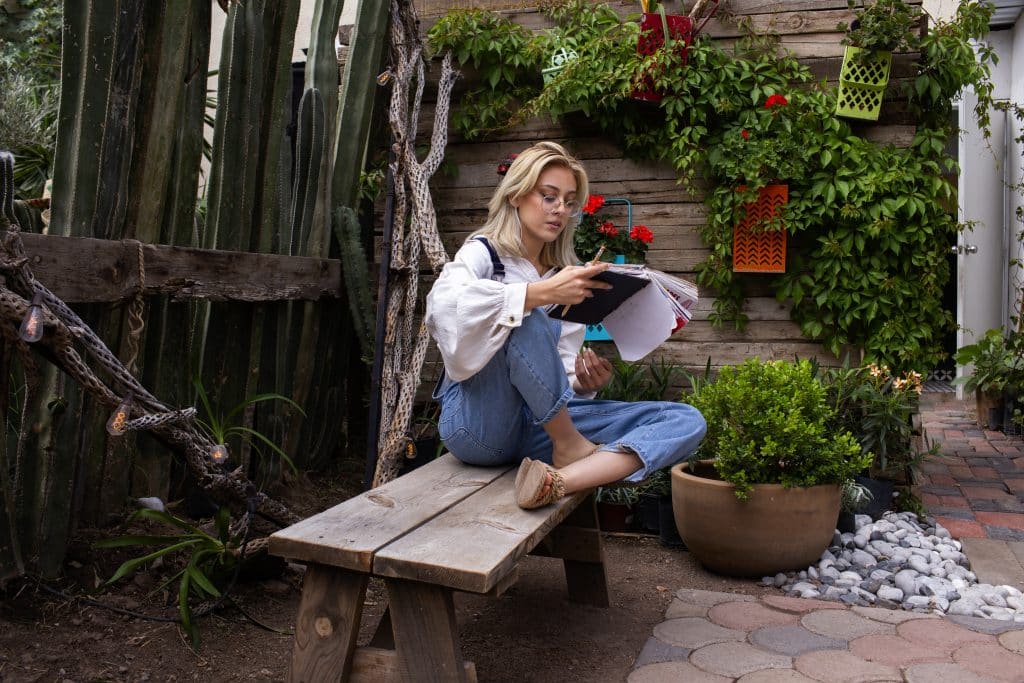 Transform your outdoor space with these 5 innovative and budget-friendly DIY backyard projects, creating your dream outdoor oasis without significant expense or professional help.
Are you dreaming of a beautiful outdoor retreat but dreading the potential cost? Creating a stunning backyard doesn’t have to drain your savings.
With a bit of creativity, elbow grease, and smart planning, you can achieve a remarkable transformation.
This guide will walk you through Landscaping on a Dime: 5 DIY Backyard Projects to Create Your Dream Outdoor Oasis, proving that a picturesque outdoor space is well within your reach, even on a tight budget.
We’ll explore practical, cost-effective solutions that add beauty, functionality, and value to your home, turning your backyard into the envy of the neighborhood.
Designing your budget-friendly backyard vision
Before diving into any project, it’s crucial to have a clear vision for your backyard. This doesn’t require expensive landscape architects; merely a thoughtful plan that aligns with your lifestyle and budget. Start by assessing your current space, noting its strengths and weaknesses.
Consider how you intend to use the area: for entertaining, relaxation, gardening, or a play zone for kids? Understanding your needs will help prioritize projects and allocate resources effectively.
Creating a mood board or sketching out ideas can be incredibly helpful. Gather inspiration from magazines, Pinterest, or local nurseries.
Focus on elements that can be achieved with repurposed materials or simple DIY techniques. Think about the overall aesthetic you desire – rustic, modern, minimalist, or lush and natural. A well-defined vision acts as your roadmap, preventing impulse purchases and ensuring a cohesive final look.
Prioritizing projects for maximum impact
Not all projects deliver the same return on investment or visual impact. When working on a budget, it’s smart to focus on areas that will make the biggest difference.
Consider projects that address major pain points or enhance high-traffic zones. Sometimes, a simple clean-up and decluttering can dramatically improve the appearance of your backyard before you even start building anything new.
Define zones: Use existing features or create new ones to delineate areas for dining, lounging, or gardening.
Address structural issues: Fix broken fences or uneven paving first, as these can be safety hazards and detract from overall appeal.
Focus on focal points: A single, well-executed feature like a fire pit or a small water garden can draw the eye and elevate the entire space.
Remember that landscaping is a marathon, not a sprint. You don’t have to tackle everything at once.
Breaking your vision into smaller, manageable projects allows you to spread out costs and enjoy the process, making your budget-friendly backyard transformation a rewarding journey.
Project 1: Reclaimed pallet lounge area
One of the most effective ways to create a cozy and inviting outdoor space on a budget is by repurposing materials.
Wooden pallets, often available for free or at a very low cost from local businesses, are incredibly versatile and can be transformed into stylish furniture.
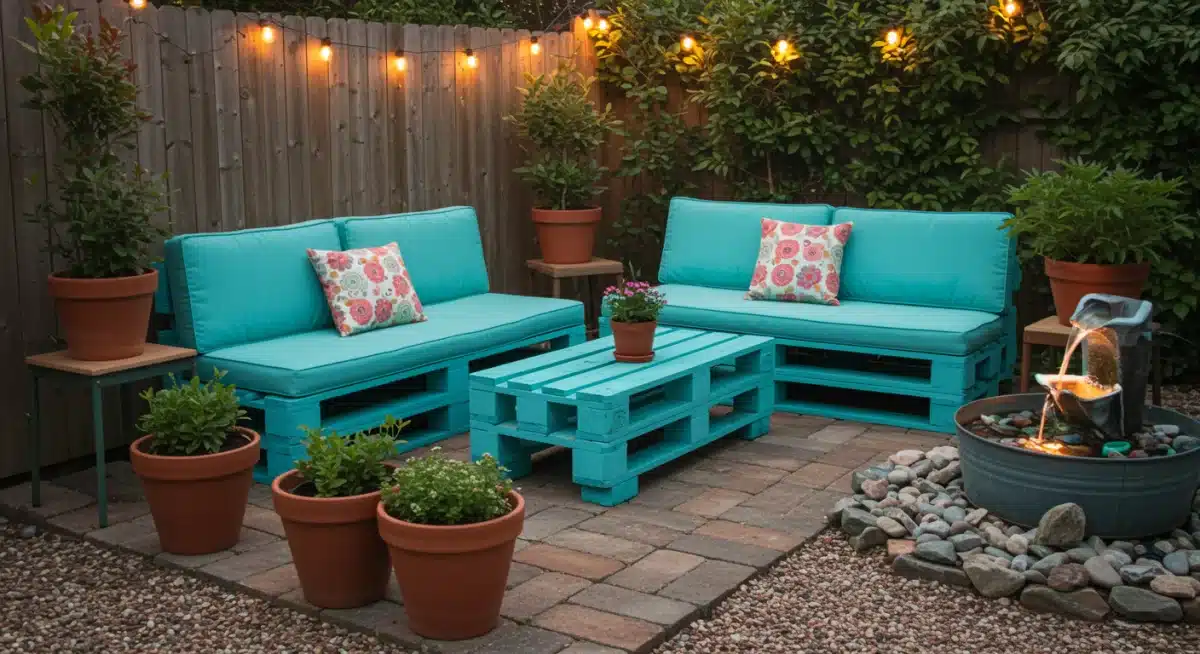
A reclaimed pallet lounge area offers comfortable seating and a rustic charm that is perfect for any backyard oasis.
Building a pallet lounge is simpler than you might think. Start by collecting sturdy pallets of similar sizes. Clean them thoroughly and sand down any rough edges to prevent splinters.
Depending on your desired height, you might stack two or three pallets for the base. Secure them with screws or brackets for stability. For the backrest, stand a pallet vertically and attach it to the base, ensuring it is angled for comfort.
Enhancing comfort and style
Once the basic structure is assembled, the real transformation happens with cushions and decor. You don’t need custom-made outdoor cushions, which can be expensive.
Instead, consider using old indoor cushions, foam cut to size, or even recycled pillows covered with weather-resistant fabric.
Look for fabric remnants or discounted outdoor fabrics at craft stores. A sewing machine, or even strong fabric glue, can help you create simple covers.
Add pops of color: Use vibrant throw pillows and blankets to add personality and warmth.
String lights: Drape string lights or solar-powered lanterns around the lounge area for ambient evening lighting.
Potted plants: Place a few potted plants or small herbs nearby to integrate nature and add freshness.
This DIY project not only saves money but also allows for immense customization. You can paint the pallets to match your aesthetic, add casters for mobility, or even build in small side tables.
The result is a unique, comfortable, and eco-friendly lounge area that becomes the heart of your outdoor living space, all while keeping your budget intact.
Project 2: DIY Raised Garden Beds for Urban Farming
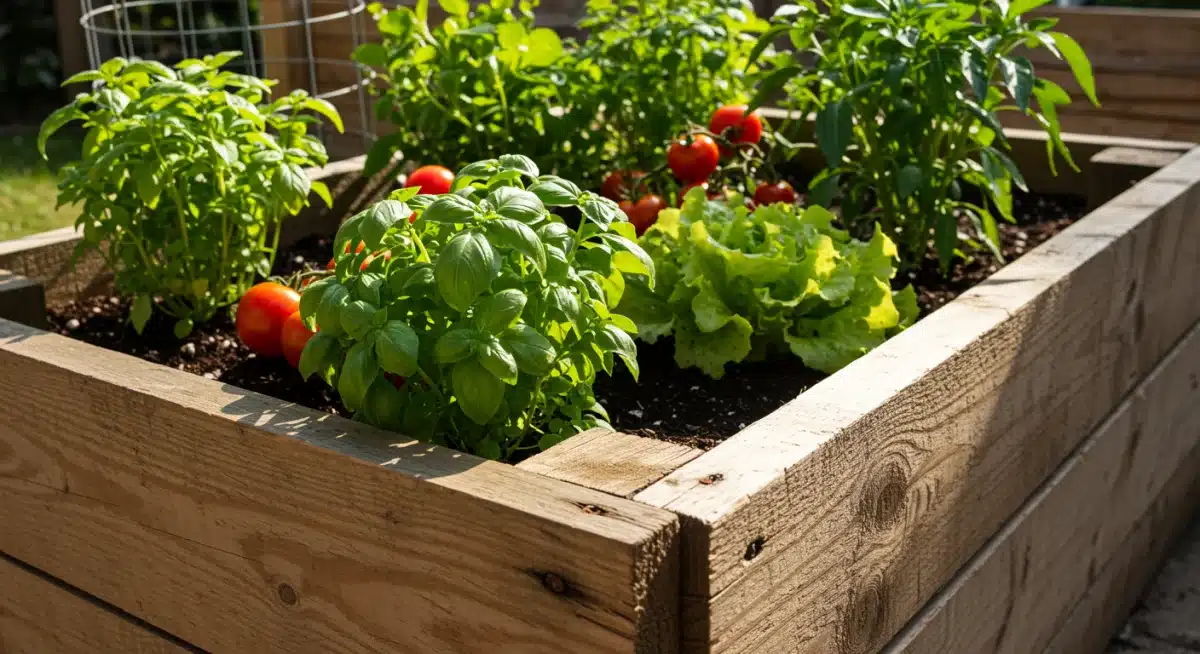
For homeowners with a green thumb—or those just starting their gardening journey—DIY raised garden beds are one of the most practical and rewarding upgrades you can add to your backyard.
These beds improve soil control, provide better drainage, reduce weed growth, and make planting and harvesting far more comfortable, especially in smaller or urban backyard spaces.
One of the biggest advantages of raised beds is their flexibility. Whether your backyard is compact, uneven, or lacking quality soil, raised garden beds allow you to create a productive growing environment almost anywhere. They’re ideal for vegetables, herbs, and even flowers, turning your backyard into a functional urban farming oasis.
From a budget perspective, building your own raised beds is surprisingly affordable. With smart material choices and simple construction, this project easily fits into any DIY backyard improvement plan.
Instead of investing in costly cedar or pressure-treated lumber, consider low-cost alternatives that still deliver durability and style.
Reclaimed wood is a popular option for backyard raised beds. Old fences, pallets, or leftover construction wood can be cut to size and assembled into sturdy frames—just be sure the materials haven’t been treated with harmful chemicals.
Concrete blocks are another excellent backyard-friendly choice, offering long-term durability with minimal effort. Simply stack them to form your desired bed shape and enjoy built-in planting pockets for herbs or flowers.
Galvanized metal troughs or repurposed containers also work well, adding a modern touch while keeping costs low.
By combining creativity, recycled materials, and thoughtful placement, raised garden beds can transform your backyard into a productive, eco-friendly space.
This DIY backyard project not only enhances outdoor aesthetics but also promotes sustainable living, healthier eating, and long-term value—all without stretching your budget.
Filling your beds sustainably
The cost of soil can quickly add up, so be strategic about filling your raised beds. A common technique is the ‘Hugelkultur’ method, which involves layering organic materials like logs, branches, leaves, and grass clippings at the bottom.
This method improves drainage, retains moisture, and slowly releases nutrients as the materials decompose, reducing the amount of purchased soil needed.
Compost first: Start a compost pile with kitchen scraps and yard waste to create nutrient-rich soil amendments for free.
Local resources: Check with local landscaping companies or farmers for discounted or free compost and topsoil.
Companion planting: Maximize space and deter pests by planting mutually beneficial species together, like marigolds with vegetables.
Once your beds are built and filled, you can start planting your favorite vegetables, herbs, or flowers. Raised beds are particularly great for small spaces or areas with poor native soil.
They provide an organized and productive gardening solution that enhances your outdoor oasis, allowing you to grow your own food or cultivate beautiful blooms without a significant financial outlay.
Project 3: Crafting enchanting pathways and borders
Pathways and borders define areas, guide visitors, and add a polished look to your landscape. While professional paving can be costly, creating charming, functional paths and decorative borders is a fantastic DIY backyard project that can significantly elevate your outdoor space on a budget. The trick is to use inexpensive materials creatively.
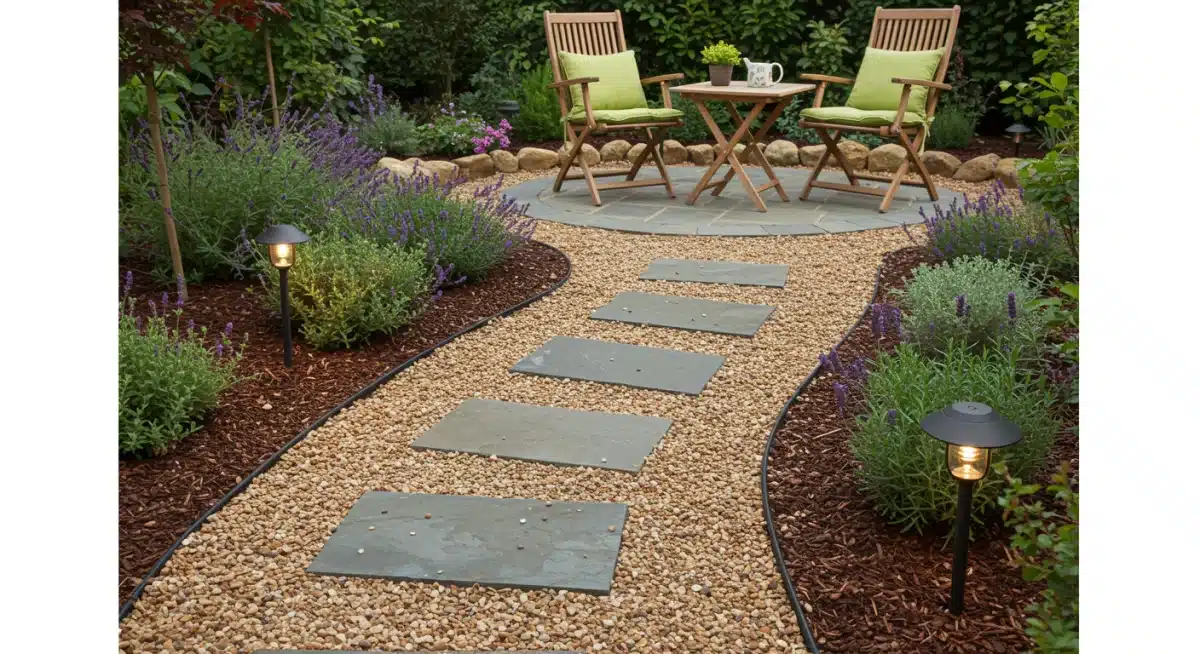
For pathways, consider materials like gravel, wood chips, or stepping stones made from reclaimed concrete or even large, flat rocks found locally.
Gravel paths are easy to install: simply clear the area, lay down landscape fabric to prevent weeds, and spread the gravel evenly.
Wood chips offer a softer, more natural look and can often be obtained for free from tree trimming companies. For a more structured path, arrange irregular stepping stones, leaving gaps for ground cover plants to grow through, softening the edges.
Designing effective borders
Borders help define garden beds, pathways, and other landscape features, keeping mulch in and grass out. Instead of expensive brick or stone edging, look for creative alternatives.
Recycled glass bottles, laid on their sides with the bottoms facing up, can create a whimsical, colorful border.
Small logs or branches, cut to uniform lengths and partially buried, offer a rustic, natural edge. Even old tires, painted and partially buried, can create unique, raised borders for planting areas.
Edging with plants: Use low-growing, dense plants like Liriope or creeping thyme to create a living border that is both beautiful and functional.
Vertical elements: Incorporate small, decorative fences made from thin branches or bamboo for a cottage garden feel.
Repurposed bricks: If you can find old bricks for free or cheap, they can be laid on edge or flat to create a classic border.
The beauty of DIY pathways and borders lies in their adaptability and the personal touch they add.
These projects not only improve the aesthetics of your backyard but also enhance its functionality by directing foot traffic and maintaining garden bed integrity, all while adhering to a strict budget.
With a little imagination, ordinary materials can become extraordinary landscape features.
Project 4: Creating a serene water feature
The soothing sound of running water can transform any backyard into a tranquil oasis. While elaborate fountains can be expensive, creating a simple, serene water feature is an achievable DIY backyard project that adds immense sensory appeal without breaking the bank.
The key is to start small and use readily available materials.
A miniature pond or a bubbling rock feature can be constructed with a few basic supplies. For a mini-pond, you’ll need a pre-formed pond liner or a sturdy plastic tub (like an old whiskey barrel liner or a large storage container).
Dig a hole slightly larger than your container, ensuring it’s level. Place the liner, fill it with water, and add a small submersible pump with a fountain attachment. Surround the edges with rocks and plants to conceal the liner and create a natural look.
Implementing a bubbling rock or bird bath
A bubbling rock feature is another simple yet effective option. This involves a pump pushing water up through a drilled hole in a decorative rock, allowing water to gently overflow and recirculate. You’ll need a basin buried underground to collect the water, a grate to cover it, and a pump. The rock itself can be a large garden stone with a pre-drilled hole, or you can hire a local stone mason to drill one for you, often at a reasonable cost.
Solar-powered pumps: Opt for solar-powered pumps to save on electricity costs and simplify installation, as no outdoor outlet is needed.
Recycled containers: Use old ceramic bowls, large planters, or even galvanized buckets for simple, static bird baths or mini-ponds without pumps.
Local stones: Collect interesting rocks and pebbles from your yard or local natural areas to decorate the perimeter of your water feature.
Even a simple bird bath can attract local wildlife, adding life and movement to your garden. The gentle sounds of water create a peaceful ambiance, masking unwanted noises and inviting relaxation.
These budget-friendly water features prove that you don’t need a grand waterfall to enjoy the calming effects of water in your own backyard haven.
Project 5: Upcycled planters and vertical gardens
Maximizing space and adding greenery can be achieved beautifully and affordably through upcycled planters and vertical gardens.
These DIY backyard projects are perfect for small yards, patios, or even just adding visual interest to a bland wall. The possibilities for repurposing everyday items into unique planting containers are endless.
Look around your home or visit thrift stores for items that can be given a new life as planters. Old tires, painted in vibrant colors, can be stacked or arranged creatively.
Discarded wooden crates or drawers can be lined with landscape fabric and filled with soil. Even old rain boots, colanders, or tin cans can be transformed into quirky, charming planters. Just remember to drill drainage holes in any container that doesn’t already have them.
Building a vertical garden
Vertical gardens are particularly effective for utilizing vertical space and creating a lush display. You can construct a simple vertical garden from an old wooden pallet:
stand it upright, add landscape fabric to the bottom and sides of each ‘shelf’ to hold the soil, and fill with plants.
Another option is to hang various small planters or plastic bottles (cut in half lengthwise) from a fence or wall using hooks or wire, creating a living wall effect.
Herb spiral: Create a spiral-shaped raised bed using rocks or bricks, allowing you to grow a variety of herbs in a compact, visually appealing way.
Ladder planter: Convert an old wooden ladder into a multi-tiered planter by placing potted plants on each rung.
Rain gutter gardens: Attach sections of old rain gutters to a fence or wall, drilling drainage holes, and planting shallow-rooted herbs or succulents.
These upcycled and vertical gardening solutions not only add visual appeal and greenery to your outdoor space but also serve as a sustainable way to reuse materials.
They allow you to experiment with different plant arrangements and textures, creating a dynamic and ever-evolving part of your dream outdoor oasis, all without a significant financial investment.
Maintaining your budget-friendly landscape
Creating a beautiful backyard on a budget is an accomplishment, but maintaining its charm is equally important.
Long-term care doesn’t have to be expensive; it simply requires consistent effort and smart practices.
Regular maintenance ensures your DIY backyard projects continue to thrive and look their best, extending the life and beauty of your outdoor oasis without constant financial strain.
One of the most effective ways to maintain a budget-friendly landscape is through proactive care. This means addressing small issues before they become big problems.
Regularly inspect your plants for signs of pests or disease, and treat them promptly with organic solutions like neem oil or insecticidal soap, which are often more affordable and environmentally friendly than chemical alternatives. Timely weeding prevents invasive plants from taking over and competing with your desired greenery.
Smart watering and natural fertilization
Water wisely to conserve resources and keep your plants healthy. Install a rain barrel to collect rainwater for irrigation, significantly reducing your water bill.
Water deeply and less frequently to encourage strong root growth, and consider drip irrigation or soaker hoses for efficient water delivery directly to plant roots.
Mulching your garden beds with wood chips, straw, or shredded leaves helps retain soil moisture, suppresses weeds, and regulates soil temperature, further reducing your watering needs.
Compost power: Continue composting kitchen scraps and yard waste to create free, nutrient-rich fertilizer for your plants.
Pruning for health: Regularly prune shrubs and trees to maintain their shape, promote healthy growth, and prevent overgrowth that might require professional intervention later.
Tool care: Clean and sharpen your gardening tools after each use; well-maintained tools last longer and perform better, saving you money on replacements.
By adopting these simple, sustainable maintenance practices, you can ensure your budget-friendly backyard remains a vibrant and inviting space for years to come.
The effort invested in consistent care will pay off in the enduring beauty and enjoyment of your handmade outdoor oasis, proving that a stunning landscape doesn’t demand an endless budget.
| Key Project | Brief Description |
|---|---|
| Pallet Lounge | Repurpose wooden pallets into stylish, comfortable outdoor seating, enhanced with cushions and lighting. |
| Raised Garden Beds | Build affordable garden beds using reclaimed materials for easier gardening and improved yields. |
| Pathways & Borders | Create charming paths with gravel or stepping stones, and define areas with upcycled borders. |
| Water Feature | Install a small, serene water element like a mini-pond or bubbling rock for tranquility. |
Frequently asked questions about budget backyard landscaping
Opt for native plants, as they are well-adapted to your local climate and require less water and care.
Consider perennials that return each year, saving you money on annual replanting. Look for plant sales at local nurseries or ask friends for cuttings.
Check online marketplaces like Craigslist or Facebook Marketplace for free pallets, rocks, or soil. Local arborists often give away wood chips for free. Ask neighbors if they are removing any plants you can transplant.
For most DIY projects, basic hand tools are sufficient. Instead of buying expensive specialized tools, consider renting them for specific tasks or borrowing from friends. Quality hand tools, however, are a good long-term investment.
Choose drought-tolerant plants and shrubs that require minimal watering. Utilize mulching heavily to suppress weeds.
Design with hardscaping elements like gravel paths or patios to reduce lawn area. Consider perennial ground covers.
Plant fast-growing shrubs or trees to create a living screen. Install a trellis with climbing vines. Use tall potted plants or strategically placed outdoor curtains on a pergola.
These options offer privacy and aesthetic appeal.
Conclusion
Transforming your backyard into a dream outdoor oasis doesn’t require an exorbitant budget or professional landscapers.
As we’ve explored through these five engaging DIY backyard projects, creativity, resourcefulness, and a willingness to get your hands dirty are your most valuable assets.
From constructing a comfortable pallet lounge to cultivating thriving raised garden beds, crafting enchanting pathways, installing serene water features, and innovating with upcycled planters, each project offers a unique opportunity to personalize your space and enhance its appeal.
By embracing a budget-friendly approach and focusing on sustainable practices, you can create a beautiful, functional, and deeply satisfying outdoor environment that reflects your style and provides endless enjoyment. Your dream backyard is truly within reach, one thoughtful and creative DIY project at a time.