The Power of Probiotics for Better Gut Health in 2026
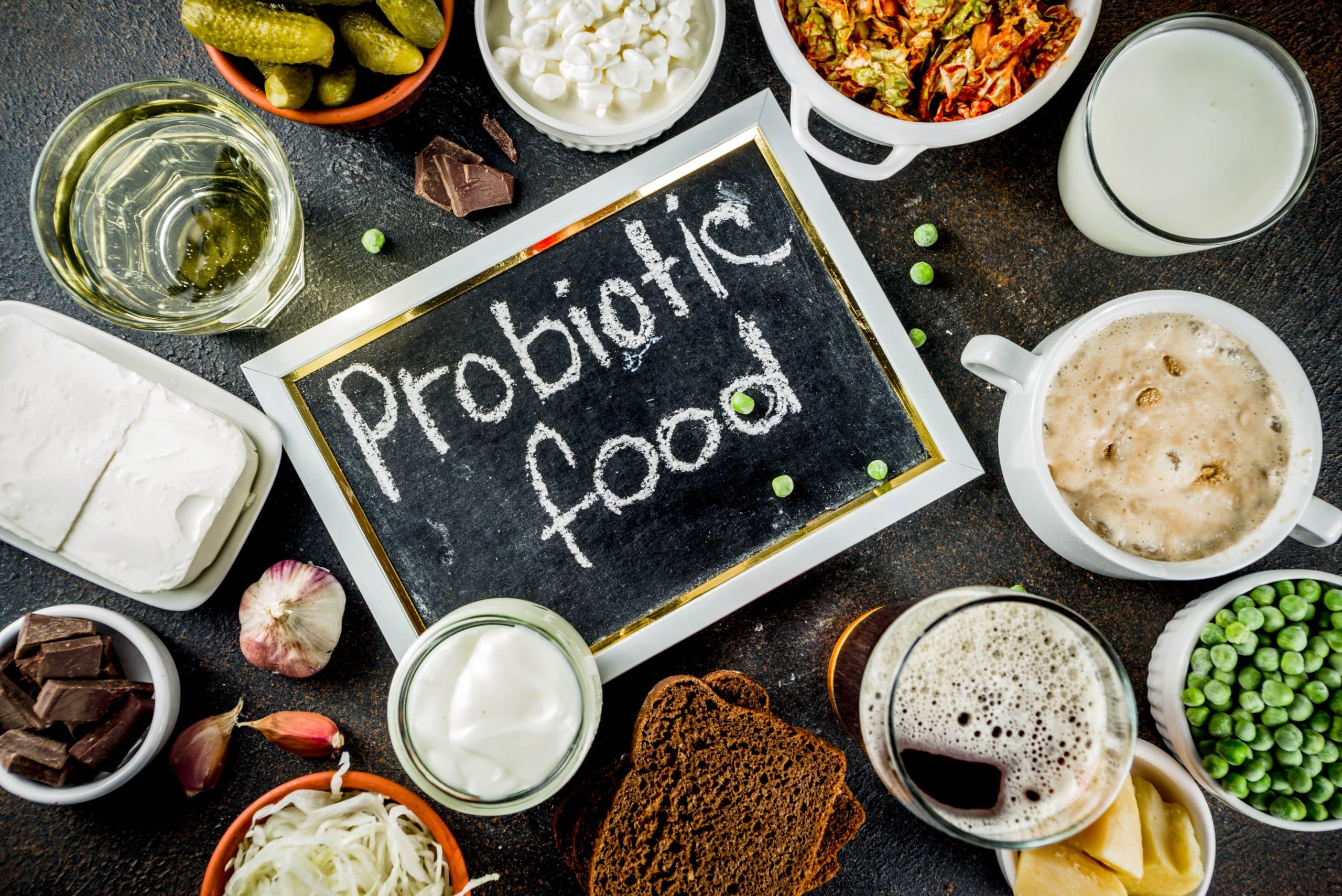
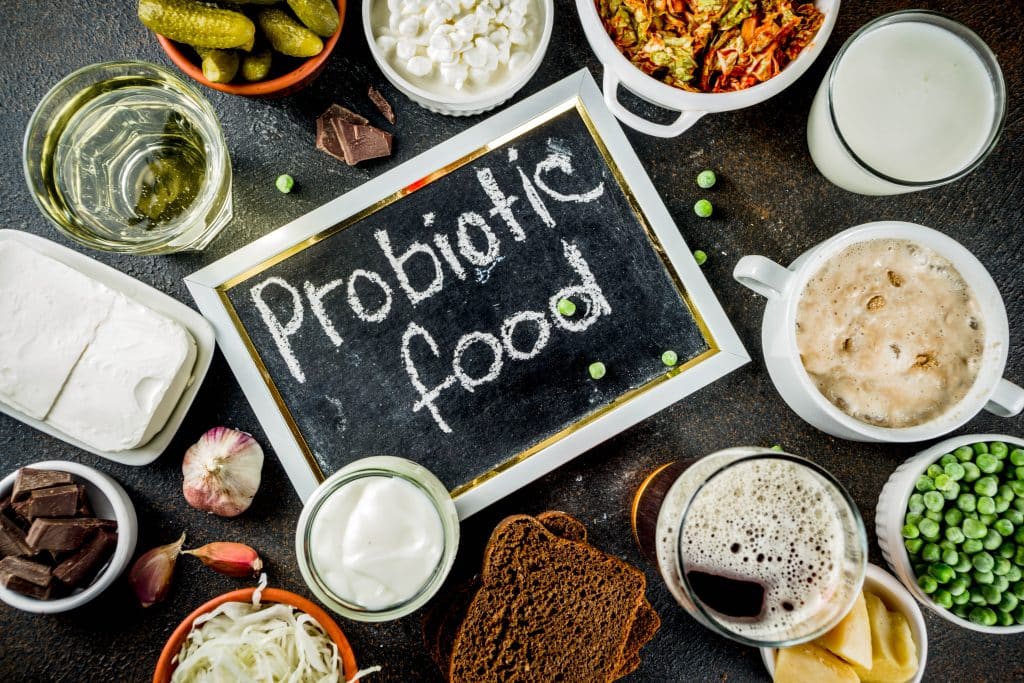 As we navigate 2026, the focus on holistic wellness continues to grow, with particular attention on the intricate world within our digestive system. Learning how to boost gut health is becoming increasingly vital for overall well-being, influencing everything from immunity to mood.
This guide will explore the power of probiotics and introduce you to five incredible fermented foods that can transform your gut.
Understanding the Gut Microbiome: Your Inner Ecosystem
The gut microbiome is a complex community of trillions of microorganisms, including bacteria, fungi, and viruses, residing primarily in your large intestine.
This intricate ecosystem plays a profound role in your health, far beyond just digestion. A balanced microbiome is key to a robust immune system, efficient nutrient absorption, and even mental clarity.
Disruptions to this delicate balance, often caused by diet, stress, or certain medications, can lead to various health issues. When harmful bacteria outnumber beneficial ones, it can result in inflammation, digestive discomfort, and a weakened immune response. Understanding this inner world is the first step towards taking proactive measures to support its health.
The Role of Good Bacteria
Beneficial bacteria in your gut perform numerous essential functions. They help break down complex carbohydrates that your body can’t digest on its own, producing short-chain fatty acids (SCFAs) like butyrate, which nourish the gut lining and have anti-inflammatory properties.
Nutrient Synthesis: Good bacteria synthesize essential vitamins, such as B vitamins and vitamin K.
Immune System Modulation: A healthy gut microbiome trains your immune system to distinguish between harmful pathogens and harmless substances, reducing the risk of allergies and autoimmune conditions.
Pathogen Defense: They compete with harmful bacteria for resources and space, preventing their overgrowth and protecting against infections.
Maintaining a diverse and thriving community of beneficial microbes is paramount. Factors like a diet rich in fiber, adequate hydration, and stress management all contribute to a healthy gut environment. Conversely, processed foods, excessive sugar, and chronic stress can negatively impact this balance, making it harder for good bacteria to flourish.
The interconnectedness of the gut microbiome with almost every system in the body highlights its importance. Emerging research continually uncovers new ways in which gut health impacts conditions ranging from metabolic disorders to neurological health.
The Power of Probiotics: Live Microbes for a Healthier You
Probiotics are live microorganisms, primarily bacteria and yeasts, that, when administered in adequate amounts, confer a health benefit on the host.
They are often referred to as “good” or “friendly” bacteria because they help maintain the natural balance of organisms in the intestines. Incorporating probiotics into your diet is a strategic way to introduce beneficial strains that can colonize your gut and support its functions.
These beneficial microbes can help restore the gut’s natural balance, especially after disruptions caused by antibiotics, illness, or poor diet. Probiotics work by various mechanisms, including producing antimicrobial substances, competing with pathogens for nutrients, and enhancing the gut barrier function. They are a cornerstone in the journey to boost gut health effectively.
Choosing the Right Probiotic Supplements
While food sources are excellent, sometimes a probiotic supplement can provide targeted support. When selecting a supplement, consider the following:
Strain Diversity: Look for supplements with multiple strains of bacteria, such as Lactobacillus and Bifidobacterium species, as different strains offer different benefits.
CFU Count: Colony-forming units (CFUs) indicate the number of live organisms. A higher CFU count, typically in the billions, is often recommended for therapeutic effects.
Delivery Method: Some probiotics are designed with special coatings to survive stomach acid and reach the intestines intact.
It’s also crucial to store probiotics correctly, as heat and moisture can degrade their potency. Always check the expiration date and follow storage instructions on the label.
Consulting with a healthcare professional can help you choose the most appropriate probiotic for your specific needs and health goals, ensuring you get the most out of your investment in gut health.
The benefits of probiotics extend beyond the digestive tract. They have been linked to improved immune function, reduced inflammation, and even better mood regulation due to the gut-brain axis connection.
Regular intake of probiotics, whether through supplements or fermented foods, can significantly contribute to a more resilient and balanced internal environment, paving the way for enhanced overall health in 2026.
5 Fermented Foods to Try in 2026 for Optimal Gut Health
Fermented foods are a traditional way to preserve food and enhance its nutritional value, but more importantly, they are natural sources of probiotics.
These foods undergo a process called lacto-fermentation, where beneficial bacteria convert sugars into lactic acid, creating a unique flavor profile and preserving the food while also increasing its probiotic content. Integrating these into your daily diet is an enjoyable and effective way to boost gut health.
By consuming a variety of fermented foods, you introduce a diverse range of beneficial bacteria to your gut, which is crucial for a robust and resilient microbiome.
Each fermented food offers a slightly different profile of microbial strains and nutrients, making variety key to maximizing the benefits. Let’s explore five excellent options to include in your 2026 diet.
1. Kimchi: The Spicy Korean Superfood
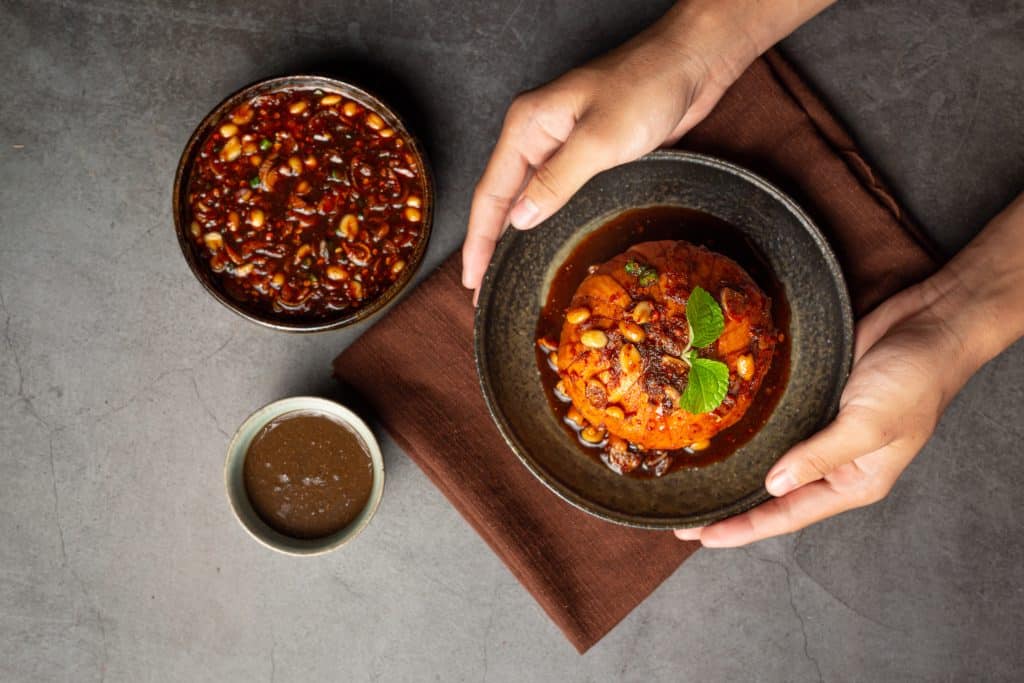
.
Kimchi is a traditional Korean side dish made from fermented vegetables, most commonly napa cabbage and Korean radish, with a variety of seasonings like gochugaru (chili powder), garlic, ginger, and scallions.
Its vibrant, spicy, and tangy flavor makes it a fantastic addition to many meals. Beyond its taste, kimchi is packed with lactic acid bacteria, including various strains of Lactobacillus.
Nutrient-Rich: Kimchi is a good source of vitamins A, C, and K, as well as several B vitamins.
Immune Support: The beneficial bacteria in kimchi contribute to a stronger immune system.
Anti-inflammatory Properties: Ingredients like garlic and ginger, combined with the fermentation process, offer anti-inflammatory benefits.
Enjoy kimchi as a side dish, stir it into fried rice, or add it to sandwiches and salads for a flavorful and probiotic boost. Look for traditionally made, unpasteurized versions to ensure the live cultures are intact. Its versatility makes it easy to incorporate into almost any meal, making it a staple for anyone looking to improve their gut health.
2. Sauerkraut: The Classic Fermented Cabbage
Sauerkraut is finely shredded cabbage that has been fermented by various lactic acid bacteria. Originating from Germany, this simple yet powerful food is incredibly easy to make at home and offers a wealth of probiotic benefits. Its tangy, slightly sour flavor pairs well with a wide range of dishes.
Like kimchi, sauerkraut is a powerhouse of beneficial bacteria, which aids digestion and supports a healthy gut lining. It’s also an excellent source of fiber, which acts as a prebiotic, feeding the good bacteria already present in your gut. This dual action makes it particularly effective for gut health.
High in Fiber: Supports digestive regularity and feeds beneficial gut bacteria.
Rich in Vitamin C: A natural immune booster.
Cost-Effective: Cabbage is an inexpensive vegetable, making sauerkraut an accessible probiotic source.
Add sauerkraut to hot dogs, sandwiches, or as a side to roasted meats. Ensure you choose raw, unpasteurized sauerkraut, as pasteurization kills the beneficial bacteria. Homemade sauerkraut is often the best option to guarantee live cultures and avoid unwanted additives. Its simplicity and effectiveness make it a prime candidate for your gut health journey.
3. Kefir: The Probiotic-Rich Dairy Drink
Kefir is a fermented milk drink, similar to yogurt, but with a wider range of beneficial bacteria and yeasts. It’s made by adding kefir grains (a symbiotic culture of bacteria and yeasts) to milk, which then ferment the lactose. The resulting drink is tangy, slightly fizzy, and incredibly refreshing. It’s an excellent way to boost gut health, especially for those who enjoy dairy.
Kefir’s unique fermentation process results in a more diverse microbial profile than many other fermented dairy products. It typically contains dozens of different strains of bacteria and yeasts, making it a potent probiotic source. For individuals sensitive to lactose, kefir can often be tolerated better than milk because the fermentation process breaks down much of the lactose.
Diverse Probiotic Strains: Offers a broader spectrum of beneficial microorganisms.
Calcium-Rich: Provides essential minerals for bone health.
Potentially Lactose-Friendly: Fermentation reduces lactose content, making it easier to digest for some.
Enjoy kefir on its own, blend it into smoothies, or use it as a base for salad dressings. There are also water kefirs and coconut kefirs available for those who prefer non-dairy options, offering similar probiotic benefits. Integrating kefir into your breakfast routine or as a mid-day snack can significantly enhance your gut microbiome.
4. Kombucha: The Fizzy Fermented Tea
Kombucha is a fermented tea beverage made by adding a SCOBY (symbiotic culture of bacteria and yeast) to sweetened black or green tea.
The fermentation process transforms the tea into a slightly tart, effervescent drink with a unique flavor profile. Kombucha has gained immense popularity for its refreshing taste and purported health benefits, especially for gut health.
While the exact probiotic strains in kombucha can vary depending on the brewing process, it typically contains a mix of bacteria and yeasts that can contribute to a healthier gut environment. It’s a flavorful alternative to sugary sodas and a great way to introduce beneficial microbes into your diet without consuming dairy.
Detoxifying Properties: Contains glucuronic acid, which may aid in detoxification.
Antioxidant-Rich: Especially when made with green tea, it provides powerful antioxidants.
Energy Boosting: Contains small amounts of caffeine and B vitamins.
Look for raw, unpasteurized kombucha in the refrigerated section of your grocery store to ensure it contains live cultures. Experiment with different flavors and brands to find your favorite. While delicious, be mindful of sugar content in some commercially prepared kombuchas. Brewing your own kombucha at home allows for control over sugar levels and flavor.
5. Tempeh: The Fermented Soybean Powerhouse
Tempeh is a traditional Indonesian food made from fermented soybeans. Unlike tofu, which is made from coagulated soy milk, tempeh uses whole soybeans, resulting in a firm, nutty, and earthy texture. The fermentation process not only makes the soybeans more digestible but also introduces beneficial bacteria and increases nutrient availability.
Tempeh is an excellent source of plant-based protein, making it a favorite among vegetarians and vegans. The fermentation process breaks down phytic acid in soybeans, which can inhibit nutrient absorption, thereby increasing the bioavailability of minerals like iron, zinc, and calcium. This makes tempeh a highly nutritious and gut-friendly food.
High in Plant Protein: A complete protein source for plant-based diets.
Prebiotic Fiber: Contains fiber that feeds beneficial gut bacteria.
Enhanced Nutrient Absorption: Fermentation improves the bioavailability of minerals.
Tempeh can be marinated, grilled, fried, or crumbled into stir-fries and salads. Its firm texture allows it to absorb flavors beautifully, making it a versatile ingredient in many dishes. Opt for organic, non-GMO tempeh whenever possible to ensure the highest quality. Incorporating tempeh into your meals provides a substantial protein source alongside significant gut benefits.
Integrating Fermented Foods into Your Daily Routine
Successfully incorporating fermented foods into your diet doesn’t have to be complicated. The key is to start small and gradually increase your intake, allowing your gut microbiome to adjust.
Introducing too many new fermented foods at once can sometimes lead to mild digestive discomfort as your body adapts to the influx of new bacteria. Patience and consistency are crucial when aiming to boost gut health through dietary changes.
Think about how you can naturally weave these foods into your existing meals. A spoonful of sauerkraut with your lunch, a glass of kefir for breakfast, or adding kimchi to your dinner can make a significant difference over time. The goal is to make these healthy habits sustainable and enjoyable, rather than feeling like a chore.
Tips for Consistent Consumption
Making fermented foods a regular part of your diet requires a bit of planning and creativity. Consider these practical tips:
Start Small: Begin with small portions, perhaps a tablespoon of sauerkraut or a quarter cup of kefir, and gradually increase as your body adjusts.
Variety is Key: Rotate through different fermented foods to introduce a wider array of beneficial bacterial strains to your gut.
Experiment with Recipes: Find recipes that make fermented foods appealing to you. Kimchi fried rice, tempeh stir-fries, or kefir smoothies are great starting points.
Don’t be afraid to get creative in the kitchen. Many fermented foods can be used as condiments, marinades, or even main ingredients. For example, fermented vegetables like pickles and olives (naturally fermented, not just brined) can also contribute to your probiotic intake. The more diverse your intake of fermented foods, the more diverse and resilient your gut microbiome is likely to become.
Remember that consistency is more important than quantity. A small, regular intake of fermented foods will yield better long-term results than sporadic large consumptions.
By making these foods a pleasant and regular part of your diet, you are investing in a healthier gut and a stronger immune system for years to come. This consistent effort is a vital step in your journey to significantly enhance your overall wellness.
Beyond Probiotics: Prebiotics and a Holistic Approach
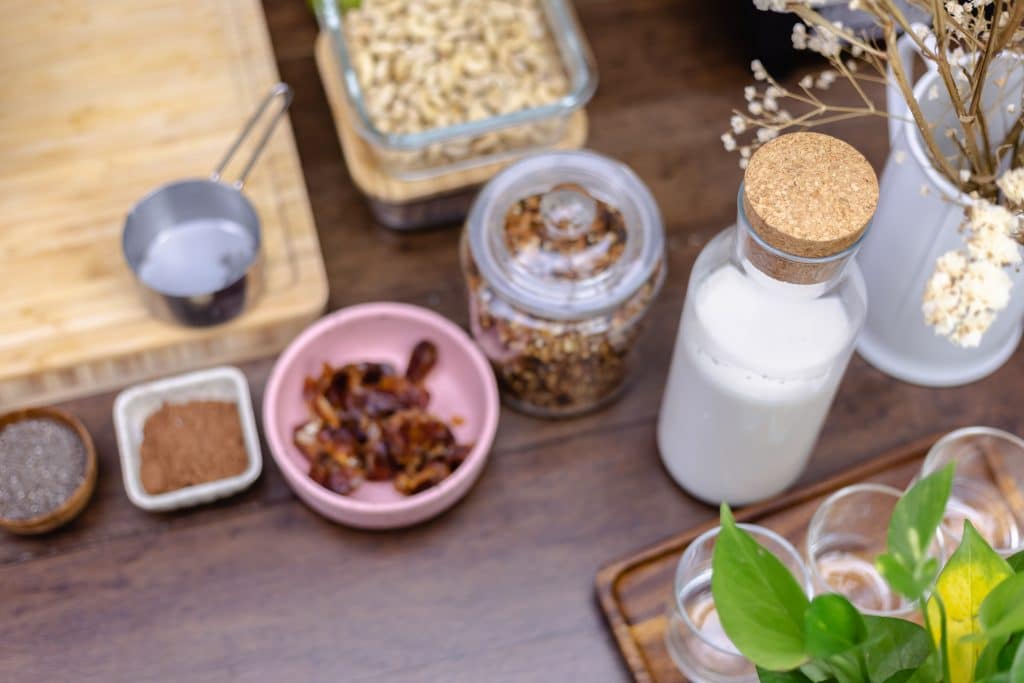
While probiotics introduce beneficial bacteria to your gut, prebiotics are non-digestible food components that selectively stimulate the growth and activity of these beneficial microorganisms. Think of prebiotics as food for your probiotics.
A holistic approach to gut health involves both, ensuring that the good bacteria you introduce have the fuel they need to thrive and multiply. This synergistic relationship is essential to truly boost gut health.
Including prebiotic-rich foods in your diet creates an optimal environment for your gut microbiome. When beneficial bacteria ferment prebiotics, they produce short-chain fatty acids (SCFAs), which are vital for gut health, immune function, and even brain health. This comprehensive strategy ensures a sustainable and thriving gut ecosystem.
Top Prebiotic Food Sources
Many common foods are excellent sources of prebiotics. Incorporating these into your diet alongside fermented foods can significantly enhance your gut health efforts:
Garlic and Onions: Rich in inulin and FOS (fructooligosaccharides).
Bananas: Especially slightly green ones, contain resistant starch.
Oats: A great source of beta-glucan, a soluble fiber.
Asparagus: Contains inulin, promoting the growth of beneficial bacteria.
Apples: Pectin in apples acts as a prebiotic.
Beyond nutrition, probiotics work best when combined with healthy lifestyle habits that support gut balance and overall wellness. Chronic stress can negatively affect the gut microbiome, reducing the effectiveness of probiotics and disrupting digestive health.
Practicing stress-management techniques such as meditation, yoga, deep breathing, or spending time outdoors can help probiotics maintain a healthier gut environment. Quality sleep is equally important, as poor sleep patterns may reduce gut diversity and weaken the body’s natural defenses.
Regular exercise also enhances the benefits of probiotics by promoting a more diverse gut microbiome and helping reduce inflammation throughout the body.
Taking a holistic approach means understanding that probiotics, nutrition, physical activity, mental well-being, and sleep all work together to support optimal gut health. By consistently incorporating probiotics into a balanced lifestyle, you can create the ideal conditions for improved digestion, stronger immunity, increased vitality, and long-term wellness throughout 2026 and beyond.
| Key Point | Brief Description |
|---|---|
| Gut Microbiome Importance | A balanced gut ecosystem is vital for immunity, digestion, and overall health. |
| Probiotic Benefits | Live microorganisms that restore gut balance, enhance digestion, and support immunity. |
| Top Fermented Foods | Kimchi, Sauerkraut, Kefir, Kombucha, and Tempeh are excellent probiotic sources. |
| Holistic Approach | Combine probiotics with prebiotics, stress management, and good sleep for best results. |
Frequently Asked Questions About Gut Health
Common signs of an unhealthy gut include digestive issues like bloating, gas, constipation, or diarrhea. Other indicators can be fatigue, skin problems, mood disturbances, and frequent infections, all pointing to an imbalance in the gut microbiome that needs attention. Addressing these symptoms early is key to restoring balance.
The time it takes for probiotics to show effects can vary greatly among individuals. Some people might notice improvements in a few days or weeks, while for others, it could take several months of consistent use. Factors like the severity of gut imbalance and individual diet play a role in the timeline.
While a diet rich in diverse fermented foods is an excellent way to get probiotics, some individuals may benefit from supplements, especially if they have specific health concerns or a significantly disrupted microbiome. Consult a healthcare professional to determine if supplements are right for your needs.
When first introducing probiotics or fermented foods, some people may experience mild digestive symptoms like gas, bloating, or stomach discomfort. These usually subside as your gut adjusts. Start with small portions and gradually increase to minimize potential side effects and allow your system to adapt comfortably.
Probiotics are live beneficial bacteria that you introduce into your gut, typically through fermented foods or supplements. Prebiotics, on the other hand, are non-digestible fibers that act as food for these beneficial bacteria, stimulating their growth and activity. Both are essential for a healthy and balanced gut microbiome.
Conclusion
As we look to 2026, prioritizing gut health emerges as a cornerstone of overall well-being. The powerful combination of probiotics and diverse fermented foods offers a natural and effective pathway to a balanced microbiome, improved digestion, and enhanced immunity.