Chronic Pain Management: Non-Drug Strategies for 2026

Living with chronic pain can be a profoundly challenging experience, impacting every facet of daily life. For many, the search for relief often begins and ends with medication, yet the evolving landscape of healthcare in 2026 increasingly highlights the power of chronic pain non-drug approaches.
These innovative strategies offer not just symptomatic relief, but a path toward a more holistic and sustainable well-being, empowering individuals to reclaim control over their health without relying solely on pharmaceuticals.
Understanding chronic pain and its impact
Chronic pain is far more than just persistent physical discomfort; it’s a complex condition that can profoundly affect an individual’s physical, emotional, and social well-being. Unlike acute pain, which serves as a warning signal for injury and typically resolves, chronic pain lasts for months or even years, often defying easy explanation or resolution.
By 2026, our understanding of this condition has deepened significantly, moving beyond a purely biomedical model to one that recognizes the intricate interplay of biological, psychological, and social factors.
The impact of chronic pain extends beyond the immediate sensation. It can lead to decreased mobility, sleep disturbances, anxiety, depression, and social isolation.
The relentless nature of the pain can erode a person’s sense of self and their ability to engage in activities they once enjoyed, creating a cycle of suffering that traditional medical interventions alone often struggle to break. This comprehensive understanding is crucial for developing effective non-drug strategies that address the multifaceted nature of chronic pain.
The neurobiology of persistent pain
Recent research has shed light on how chronic pain literally rewires the brain. It’s not just a signal from damaged tissue; it involves changes in the nervous system’s processing of pain signals, leading to heightened sensitivity and a reduced ability to modulate pain. This understanding underscores why non-drug approaches that target both the body and the mind are so vital.
Central sensitization: The nervous system becomes hypersensitive, amplifying pain signals.
Brain plasticity: Brain regions involved in pain processing can change in structure and function.
Neuropathic pain: Damage to nerves themselves can cause chronic pain, often described as burning or tingling.
Psychological burden of chronic pain
The constant presence of pain takes a significant psychological toll. It can lead to feelings of helplessness, anger, and despair.
Many individuals with chronic pain also experience co-occurring mental health conditions, such as depression and anxiety, which can further exacerbate their pain experience. Addressing these psychological aspects is a cornerstone of effective non-drug management.
Recognizing the deep connection between mind and body is paramount. Stress, for instance, can tighten muscles and increase inflammation, directly contributing to pain levels. Conversely, techniques that promote relaxation and emotional regulation can help mitigate pain perception and improve coping mechanisms, demonstrating the powerful role of mental health in pain management.
In summary, understanding chronic pain as a complex, biopsychosocial phenomenon is the first step toward effective management.
It highlights the limitations of solely relying on medication and opens the door to a wider array of non-drug strategies that address the condition from multiple angles, improving both physical comfort and overall quality of life.
Mind-body practices for pain relief
In 2026, mind-body practices have moved from alternative curiosities to mainstream, evidence-backed interventions for chronic pain.
These techniques recognize the profound connection between our thoughts, emotions, and physical sensations. By focusing on this interplay, individuals can learn to modulate their pain experience, reduce stress, and improve their overall resilience.
The beauty of mind-body approaches lies in their accessibility and empowerment. They equip individuals with tools they can use independently, fostering a sense of control over their condition rather than relying passively on external treatments. This self-efficacy is a powerful component in the journey toward sustainable pain management.
Mindfulness and meditation
Mindfulness involves bringing one’s attention to the present moment, observing thoughts, feelings, and bodily sensations without judgment. For chronic pain, this means acknowledging the pain without being overwhelmed by it. Meditation, a practice that trains attention and awareness, is a key component of mindfulness.
Pain reduction: Studies show mindfulness can decrease pain intensity and unpleasantness.
Stress reduction: Lowers cortisol levels, reducing inflammation and muscle tension.
Improved coping: Helps individuals develop a more adaptive response to pain.
Yoga and tai chi
These ancient practices combine gentle physical postures, breathing techniques, and meditation. They are particularly effective for chronic pain due to their low-impact nature and focus on improving flexibility, strength, and balance, while simultaneously calming the nervous system.
Yoga, with its vast array of styles, can be adapted to suit various levels of mobility and pain. Tai Chi, often described as “meditation in motion,” involves slow, flowing movements that enhance body awareness and reduce stress.
Both practices encourage a deeper connection between mind and body, fostering a sense of harmony that can significantly alleviate chronic discomfort.
The integration of mind-body practices into chronic pain management plans in 2026 offers a potent avenue for relief. By engaging with these techniques, individuals can not only reduce their pain but also cultivate a greater sense of peace, resilience, and control over their lives.
Physical therapies and movement
Physical activity and targeted therapies remain cornerstones of chronic pain non-drug management.
Contrary to the outdated belief that rest is always best for pain, controlled movement and strengthening exercises are often crucial for recovery and long-term relief. In 2026, advancements in physical therapy and a deeper understanding of biomechanics allow for highly personalized and effective movement-based interventions.
The goal is not just to reduce pain temporarily, but to restore function, improve mobility, and prevent future flare-ups. This proactive approach empowers individuals to rebuild strength and confidence in their bodies, moving beyond the limitations imposed by chronic pain.

Personalized physical therapy
Modern physical therapy for chronic pain involves a comprehensive assessment to identify underlying muscular imbalances, postural issues, and movement patterns that contribute to pain.
Therapists then design individualized exercise programs that gradually strengthen weak areas, improve flexibility, and re-educate the body on efficient movement.
Manual therapy: Hands-on techniques to mobilize joints and soft tissues.
Therapeutic exercises: Specific movements to strengthen and stretch muscles.
Posture correction: Addressing alignment issues to reduce strain on the body.
Low-impact exercise
Activities like swimming, cycling, and walking are excellent choices for individuals with chronic pain. They provide cardiovascular benefits and strengthen muscles without putting excessive stress on joints. Consistency is key, even if it means starting with short durations and gradually increasing intensity.
Water-based exercises, such as aqua therapy, are particularly beneficial as the buoyancy of water reduces the load on joints, allowing for a wider range of motion and less painful movement. This can be a vital stepping stone for individuals who find land-based exercises too challenging initially.
Embracing physical therapies and incorporating regular, low-impact exercise into one’s routine is a powerful way to combat chronic pain.
These approaches not only alleviate discomfort but also enhance overall physical function, leading to a more active and fulfilling life.
Nutritional and dietary interventions
The adage “you are what you eat” holds significant truth, especially when it comes to managing chronic pain. In 2026, the role of nutrition as a powerful non-drug intervention is increasingly recognized.
Dietary choices can either fuel inflammation and exacerbate pain or provide the body with the tools it needs to heal and reduce discomfort.
Focusing on anti-inflammatory foods and eliminating pro-inflammatory culprits can make a substantial difference in pain levels and overall well-being. This approach often involves a personalized plan, as dietary needs can vary widely among individuals.
Anti-inflammatory diets
Chronic inflammation is a common underlying factor in many pain conditions. Adopting a diet rich in anti-inflammatory foods can help mitigate this. This typically involves emphasizing whole, unprocessed foods and limiting items known to promote inflammation.
Omega-3 fatty acids: Found in fatty fish, flaxseeds, and walnuts, they reduce inflammation.
Antioxidant-rich foods: Berries, leafy greens, and colorful vegetables combat oxidative stress.
Probiotic foods: Fermented foods like yogurt and kimchi support gut health, which is linked to inflammation.
Foods to avoid or limit
Just as certain foods can help, others can hinder pain management. Identifying and reducing the intake of pro-inflammatory foods is a crucial step. These often include highly processed items that are prevalent in the modern American diet.
Common culprits include refined sugars, trans fats (found in many processed snacks and fried foods), and excessive amounts of red meat.
For some, nightshade vegetables (like tomatoes, peppers, and eggplants) or gluten can also trigger inflammatory responses and exacerbate pain, necessitating an elimination-reintroduction diet to identify specific sensitivities.
By making conscious and informed dietary choices, individuals can significantly impact their chronic pain levels. Nutritional interventions offer a powerful, accessible, and often delicious way to support the body’s natural healing processes and reduce reliance on medication.
Complementary and alternative therapies
Beyond the more commonly recognized non-drug approaches, a range of complementary and alternative therapies (CAM) offer promising avenues for managing chronic pain in 2026.
These therapies often focus on restoring balance within the body, stimulating natural healing processes, and providing relief through unique mechanisms. While some may initially seem unconventional, many are gaining scientific validation.
Integration of these therapies often occurs alongside conventional medical care, creating a comprehensive and individualized pain management plan. The key is to explore options with an open mind and in consultation with healthcare providers to ensure safety and efficacy.
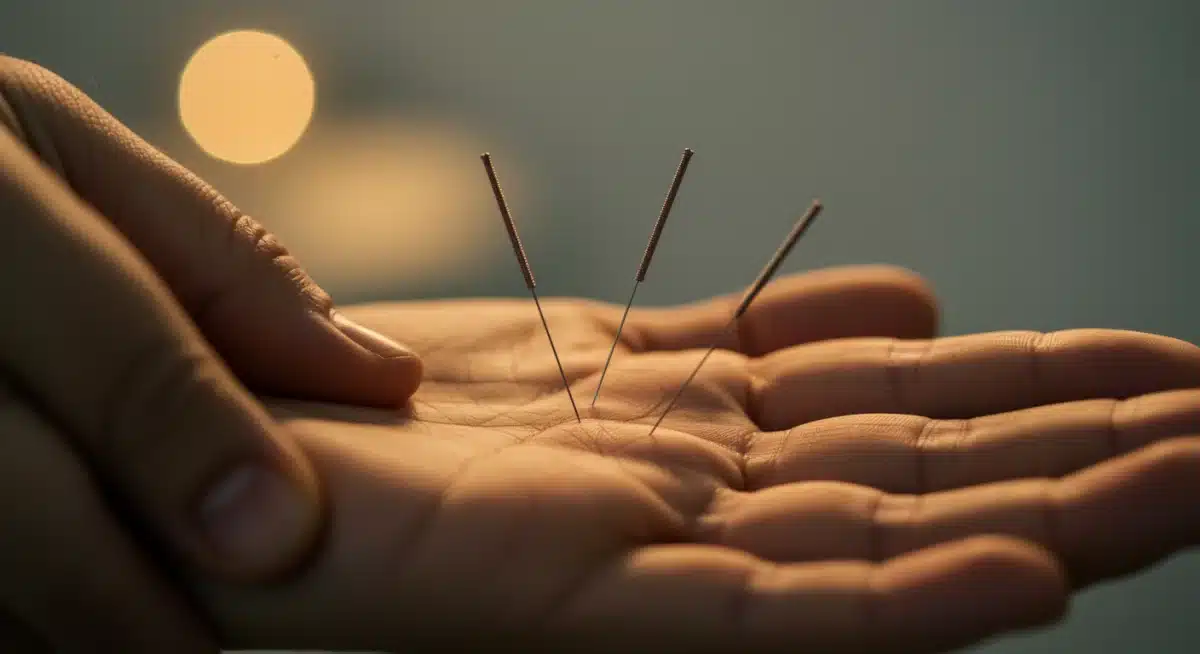
Acupuncture and acupressure
Originating from traditional Chinese medicine, acupuncture involves inserting thin needles into specific points on the body to stimulate energy flow and promote healing. Acupressure uses similar principles but applies pressure instead of needles. Both are increasingly recognized for their ability to reduce various types of chronic pain.
Pain modulation: May trigger the release of natural pain-relieving chemicals in the body.
Improved circulation: Enhances blood flow to affected areas, aiding in tissue repair.
Stress reduction: Calms the nervous system, contributing to overall pain relief.
Massage therapy and osteopathy
Therapeutic massage targets muscle tension, improves circulation, and promotes relaxation, all of which can significantly alleviate chronic pain. Osteopathy, a holistic approach, focuses on the body’s musculoskeletal system and its interconnectedness, using manual techniques to diagnose and treat structural imbalances.
Regular massage can break the cycle of muscle spasms and pain, while osteopathic treatment can correct underlying mechanical issues that contribute to chronic discomfort. Both therapies emphasize the body’s inherent ability to heal and self-regulate, offering a gentle yet powerful pathway to pain relief.
Exploring complementary and alternative therapies provides a broader spectrum of tools for chronic pain management. These approaches, when chosen carefully and integrated thoughtfully, can offer significant relief and enhance the overall quality of life for individuals seeking non-drug solutions.
Lifestyle modifications and environmental factors
Effective chronic pain non-drug management extends beyond specific therapies to encompass a holistic view of one’s lifestyle and environment. In 2026, we understand that daily habits, sleep patterns, stress levels, and even our surroundings play a critical role in how pain is experienced and managed. Making conscious adjustments in these areas can significantly contribute to long-term relief and overall well-being.
These modifications are often empowering, as they place control directly in the hands of the individual. By optimizing daily routines and creating a supportive environment, people can build a foundation for sustained pain reduction and improved quality of life.
Sleep hygiene and pain management
Poor sleep can exacerbate pain, while adequate, restorative sleep can significantly reduce it. Establishing good sleep hygiene is a crucial non-drug strategy. This involves creating a conducive sleep environment and adopting consistent sleep-wake patterns.
Consistent schedule: Going to bed and waking up at the same time daily, even on weekends.
Comfortable sleep environment: Dark, quiet, and cool bedroom.
Avoid stimulants: Limiting caffeine and alcohol, especially before bedtime.
Stress reduction techniques
Stress is a known amplifier of pain. Implementing effective stress reduction techniques is vital for chronic pain sufferers. This can range from simple relaxation exercises to more structured therapeutic approaches.
Techniques such as deep breathing exercises, progressive muscle relaxation, and guided imagery can significantly lower stress levels, thereby reducing muscle tension and pain perception. Engaging in hobbies, spending time in nature, and fostering strong social connections also serve as powerful stress buffers, contributing to a more balanced and less painful existence.
Optimizing lifestyle and environmental factors provides a comprehensive framework for chronic pain management. These seemingly small changes accumulate to create a significant positive impact, fostering resilience and empowering individuals to live more comfortably and fully.
Building a comprehensive pain management plan
Successfully managing chronic pain non-drug in 2026 requires a personalized, multi-faceted approach. There’s no single magic bullet; instead, it’s about intelligently combining various strategies to address the unique drivers of an individual’s pain.
This involves careful planning, consistent effort, and often, the guidance of a multidisciplinary healthcare team.
The journey to effective pain management is dynamic, requiring adaptability and patience. What works for one person might not work for another, and strategies may need to evolve over time.
The ultimate goal is to create a sustainable plan that integrates seamlessly into daily life, promoting not just pain reduction but also overall health and vitality.
The role of a multidisciplinary team
A comprehensive pain management plan often benefits from the input of various healthcare professionals. This team might include physical therapists, occupational therapists, psychologists, nutritionists, and pain specialists, all working together to address different aspects of chronic pain.
Holistic assessment: Each professional brings a unique perspective to understanding the patient’s pain.
Coordinated care: Ensures that all interventions are complementary and non-conflicting.
Patient education: Empowering the individual with knowledge and skills for self-management.
Setting realistic goals and tracking progress
Managing chronic pain is a marathon, not a sprint. Setting realistic, achievable goals is crucial to maintain motivation and prevent burnout. These goals should focus on functional improvements and quality of life rather than solely on pain elimination.
Tracking progress, whether through a pain journal, activity log, or wearable technology, provides valuable data.
This allows individuals and their care team to assess the effectiveness of different strategies, make necessary adjustments, and celebrate small victories along the way. Recognizing improvements in sleep, mood, or activity levels, even if pain persists, can be incredibly motivating.
Building a comprehensive chronic pain management plan is an active process of self-discovery and collaboration.
By integrating various non-drug strategies, seeking professional guidance, and committing to ongoing self-care, individuals can significantly improve their quality of life and find sustainable relief from chronic pain.
| Key Strategy | Brief Description |
|---|---|
| Mind-Body Practices | Techniques like mindfulness, meditation, yoga, and Tai Chi to reduce stress, improve coping, and modulate pain perception. |
| Physical Therapies | Personalized exercise programs, manual therapy, and low-impact activities to restore function and strengthen the body. |
| Nutritional Interventions | Adopting anti-inflammatory diets and avoiding pro-inflammatory foods to support the body’s healing processes. |
| Lifestyle Adjustments | Improving sleep hygiene, managing stress, and optimizing daily routines for better overall well-being and pain reduction. |
Frequently asked questions about non-drug pain management
Non-drug approaches offer sustainable relief by addressing root causes, reducing side effects associated with medication, and empowering individuals with self-management tools. They improve overall physical function, emotional well-being, and quality of life without dependency on pharmaceuticals.
The timeline varies greatly depending on the individual, the type of pain, and the consistency of practice. Some methods like mindfulness can offer immediate relief, while others such as physical therapy or dietary changes may require several weeks or months of consistent effort to show significant, lasting improvement.
While complete elimination of chronic pain is not always possible, non-drug methods can significantly reduce pain intensity, frequency, and impact on daily life. The goal is often to manage pain effectively, improve function, and enhance overall well-being, allowing individuals to live more fulfilling lives despite the presence of pain.
Most non-drug techniques are widely applicable, but suitability can depend on individual health conditions and pain types. It’s crucial to consult with a healthcare professional before starting any new regimen, especially for conditions like severe neuropathic pain or complex regional pain syndrome, to ensure safety and effectiveness.
Begin by discussing options with your doctor or a pain specialist to create a personalized plan. Start with one or two manageable strategies, like gentle exercise or mindfulness, and gradually incorporate more. Consistency and patience are key, along with regular re-evaluation of your progress and adjustments as needed.
Conclusion
As we navigate 2026, the landscape of chronic pain management is undeniably shifting towards a more integrated, holistic, and empowering approach. The emphasis on chronic pain non-drug strategies reflects a deeper understanding of pain as a complex, multifaceted experience that extends far beyond mere physical sensation.
By embracing mind-body practices, engaging in targeted physical therapies, making informed nutritional choices, exploring complementary treatments, and optimizing lifestyle factors, individuals can discover powerful pathways to sustainable relief and enhanced well-being.
This journey requires commitment, patience, and often the guidance of a multidisciplinary team, but the rewards—a life with less pain, greater function, and renewed vitality—are immeasurable. The future of pain management is not about masking symptoms, but about cultivating resilience and reclaiming control over one’s health, offering hope and practical solutions for millions living with chronic discomfort.