Create a Home Office: Transform a Spare Room for Under $500
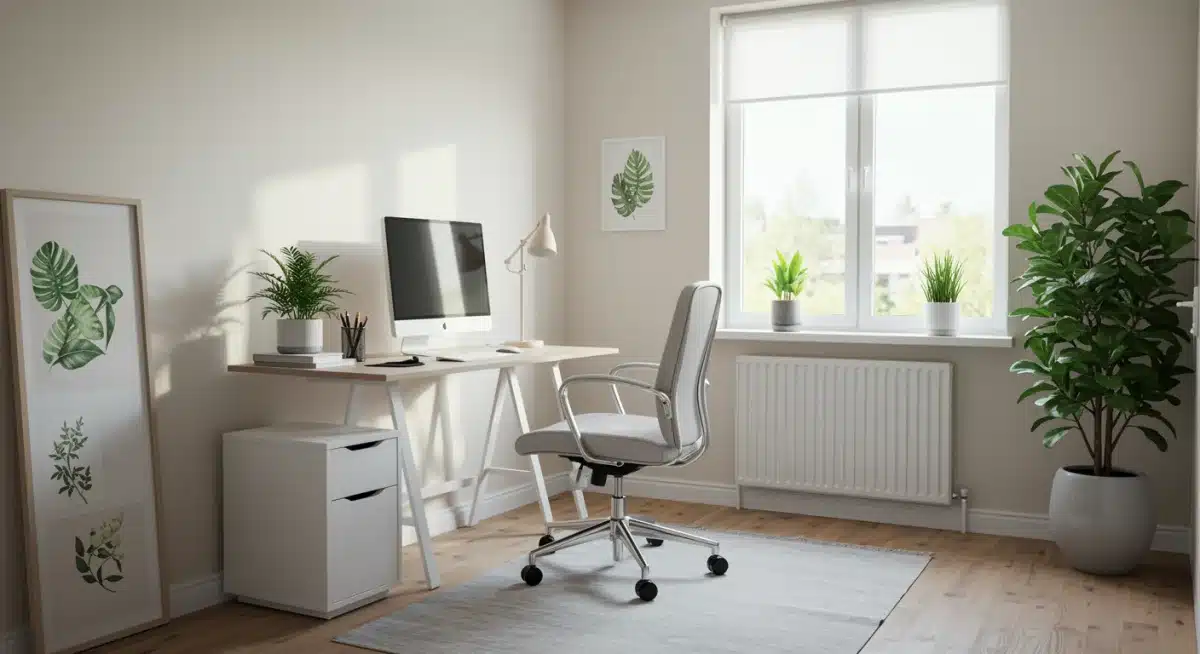
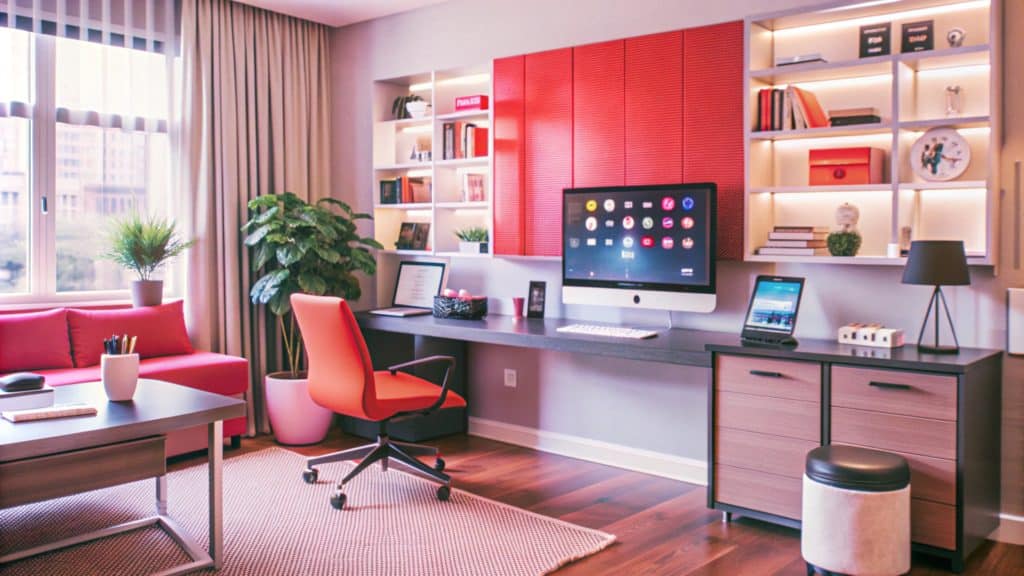
think it’s out of reach? This guide will show you how to create a home office in a spare room for under $500, proving that productivity doesn’t require a lavish budget.
With smart choices and a little creativity, your ideal workspace is closer than you think.
Planning Your Budget-Friendly Workspace
Before diving into purchases, a solid plan is your best asset when aiming to create a home office on a tight budget. This initial phase involves assessing your needs, understanding your available space, and meticulously outlining your financial limits.
A well-thought-out strategy prevents impulsive buys and ensures every dollar contributes to your ultimate goal: a functional and inspiring workspace without breaking the bank.
Begin by clearly defining what you need from your home office. Will it be a space for focused work, creative projects, or a combination? Your primary activities will dictate the essential furniture and tools.
Consider the specific demands of your daily tasks to prioritize spending on items that truly enhance your productivity.
Assessing Your Needs and Space
Functionality First: Identify the core activities you’ll perform. Does your work require extensive storage, dual monitors, or a quiet space for calls?
Measure Everything: Accurately measure your spare room. This includes wall lengths, window placements, and potential obstructions. This prevents buying furniture that won’t fit.
Natural Light: Note the direction and intensity of natural light throughout the day. This will influence desk placement and lighting choices.
Once you have a clear picture of your needs and the physical constraints of your space, you can move on to setting a realistic budget. Remember, the goal is to stay under $500, so every decision must be cost-effective. Researching affo
rdable options and considering second-hand items will be crucial in this stage.
Concluding the planning phase successfully means having a detailed blueprint for your home office. You’ll know what you need, where it will go, and how much you can spend on each item.
This preparation is the cornerstone of creating an efficient and inviting workspace that perfectly suits your budget and lifestyle.
Smart Furniture Choices on a Shoestring Budget
Furnishing your new home office doesn’t have to be expensive. The key is to prioritize functionality and seek out deals.
Focusing on essential pieces first, like a desk and chair, and then looking for creative, affordable storage solutions will keep you within your $500 limit.
Remember, a minimalist approach often yields a more productive and less cluttered environment.
Start with the desk. This is the central hub of your workspace. Instead of high-end office furniture stores, explore alternatives.
Second-hand stores, online marketplaces, and even DIY options can provide sturdy and stylish d
esks at a fraction of the cost. The same principle applies to your chair; an ergonomic chair is vital for comfort and health, but you don’t need to spend a fortune.
Affordable Desk and Chair Solutions
Thrift Store Finds: Hunt for solid wood desks or tables that can be repurposed. A fresh coat of paint can transform an old piece.
IKEA Hacks: IKEA offers many budget-friendly components that can be combined to create custom desks.
Ergonomic Chair Alternatives: Look for used office chairs on online classifieds. Many high-quality chairs are available at significant discounts.
Beyond the primary pieces, consider multi-functional furniture. A small bookcase can serve as both storage and a room divider.
A storage ottoman can provide extra seating and hide away clutter. These smart choices maximize utility while minimizing expenditure.
Don’t underestimate the power of repurposing existing furniture from other rooms in your home.
Ultimately, making smart furniture choices means balancing cost with comfort and utility.
By being resourceful and open to non-traditional retail channels, you can equip your home office with everything you need for productive work while staying well within your budget.
This thoughtful approach ensures your workspace is both practical and aesthetically pleasing.
Optimizing Lighting and Ambiance
Good lighting is crucial for any workspace, impacting both productivity and mood. When you create a home office, especially on a budget, integrating effective lighting doesn’t mean expensive fixtures.
It means maximizing natural light and strategically placing affordable artificial light sources to reduce eye strain and enhance your focus. A well-lit space feels more inviting and professional.
Beyond lighting, ambiance plays a significant role in making your home office a place you want to spend time.
This involves personalizing the space with budget-friendly decor, incorporating elements that inspire you, and ensuring the environment feels comfortable and calming.
Small touches can make a big difference in creating a pleasant and productive atmosphere.
Budget-Friendly Lighting Solutions
Maximize Natural Light: Position your desk to take advantage of windows. Sheer curtains can diffuse harsh sunlight without blocking it entirely.
Task Lighting: Invest in an affordable desk lamp. LED options are energy-efficient and provide bright, focused light.
Ambient Lighting: A simple floor lamp or string lights can add warmth and general illumination without a high cost.
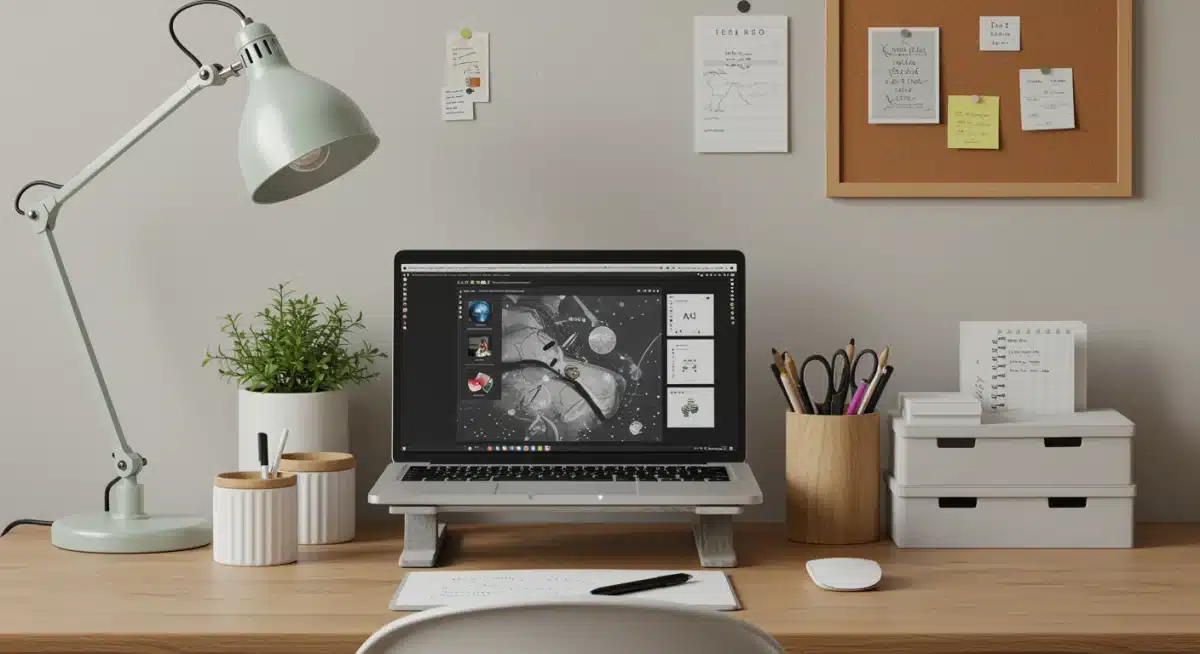
To enhance the ambiance, consider adding plants. Small houseplants not only improve air quality but also add a touch of nature and color to your workspace.
Pictures, inexpensive art prints, or even your children’s drawings can personalize the space and make it feel more like your own. The goal is to create an environment that motivates you rather than drains you.
By carefully considering both lighting and ambiance, you can transform a simple spare room into a highly functional and enjoyable home office.
These elements, often overlooked, are vital for sustained productivity and overall well-being in your new workspace. Thoughtful choices here will significantly impact your daily work experience.
Essential Storage and Organization Hacks
An organized home office is a productive home office. Clutter can be a major distraction, hindering focus and efficiency.
When working with a limited budget to create a home office, clever storage and organization hacks become indispensable.
These solutions don’t require custom cabinetry; instead, they leverage affordable items and creative thinking to keep your workspace tidy and functional.
The key is to think vertically and multi-functionally. Walls offer prime real estate for storage, and many everyday items can be repurposed into effective organizational tools.
Before buying anything, declutter your existing items. Only keep what you truly need for your work, as less stuff means less to organize.
Creative and Inexpensive Storage Ideas
Wall-Mounted Shelves: Simple floating shelves or inexpensive bracket shelves can hold books, files, and decorative items, freeing up desk space.
Magazine Files and Bins: Use these for organizing documents, notebooks, and even small electronics. Look for them at dollar stores or discount retailers.
Pegboards: A pegboard can be a versatile wall organizer for tools, stationery, and frequently used items. They are highly customizable and affordable.
Don’t forget about desk organization. Small containers, pencil holders, and drawer dividers can keep your immediate workspace neat.
Even old jars or mugs can be repurposed for storing pens and other small office supplies. The goal is to give everything a designated place, making it easy to find and put away.
Implementing these storage and organization hacks will not only maintain a clean and efficient home office but also contribute to a more focused mindset.
A well-ordered environment reduces stress and allows you to dedicate your energy to your work, proving that an organized space doesn’t have to be an expensive one.
Incorporating Technology and Connectivity
In today’s remote work landscape, reliable technology and seamless connectivity are non-negotiable for any productive home office.
Even when aiming to create a home office under $500, allocating a portion of your budget to essential tech infrastructure is vital. This doesn’t mean buying the latest gadgets, but rather ensuring your core setup supports your work efficiently.
Your existing computer is likely the most significant piece of technology, so focus on optimizing its performance and connectivity.
Consider necessary peripherals like a reliable printer/scanner (if needed), a comfortable mouse, and a good webcam for virtual meetings. Prioritize stable internet access to avoid frustrating interruptions during important tasks.
Budget-Conscious Tech Setup
Leverage Existing Devices: Maximize the use of your current laptop or desktop. Consider a monitor stand to improve ergonomics if you’re using a laptop.
Internet Reliability: Ensure your Wi-Fi signal is strong in your new office space. A Wi-Fi extender can be a cost-effective solution for weak spots.
Essential Peripherals: Look for refurbished or sale items for printers, webcams, and external drives. These can offer significant savings without compromising quality.
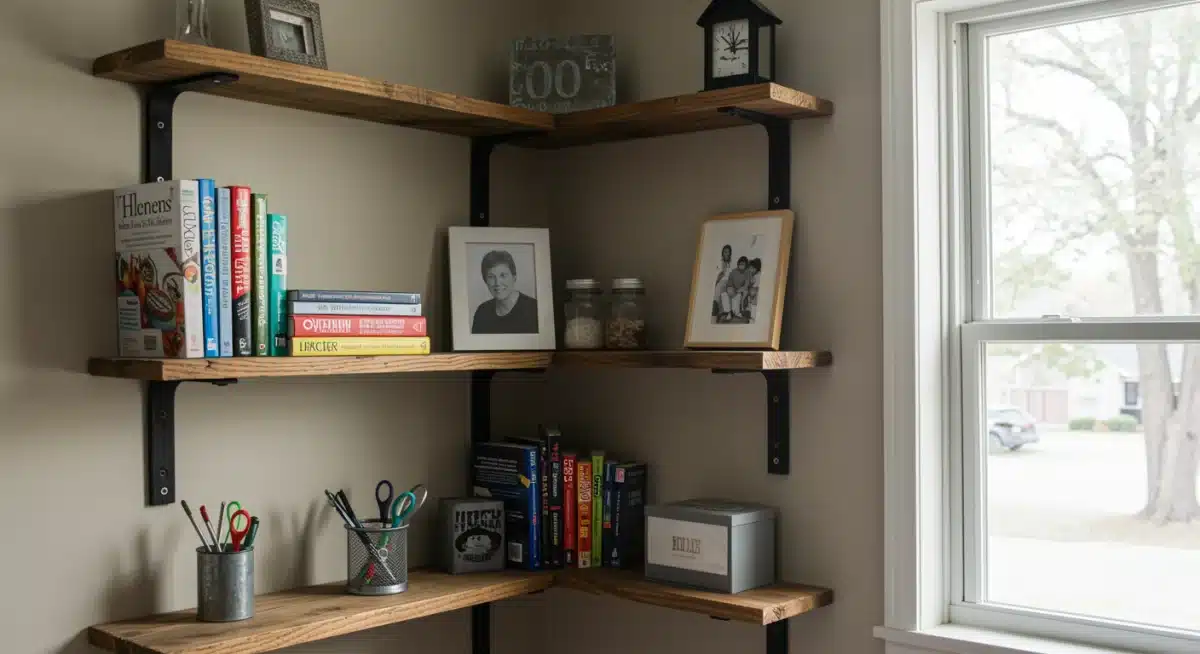
Cable management is another often-overlooked aspect of a tech-friendly office. Loose cables can create clutter and be a tripping hazard.
Simple cable ties, clips, or even DIY solutions using binder clips can keep wires tidy and out of sight, contributing to a cleaner and more professional appearance. This small investment in time and inexpensive materials pays off in a more organized workspace.
By carefully planning your technology and connectivity needs, you can ensure your home office is equipped for seamless operation without overspending.
Focusing on functionality, reliability, and smart cable management will provide a robust digital foundation for your productive new workspace.
Personalizing Your Productive Zone
Once the foundational elements of your home office are in place, the final step in creating a truly inspiring space is personalization.
This isn’t about adding expensive decor, but rather infusing your personality and style into the room. A personalized office feels more inviting, comfortable, and can significantly boost your motivation and creativity. It’s about making the space uniquely yours, reflecting what inspires you.
Personalization doesn’t have to cost much; it often involves using items you already own or creating simple DIY projects.
Think about colors, textures, and objects that bring you joy or spark your imagination. This could be anything from a favorite piece of art to a collection of interesting stones or a vibrant throw blanket for a cozy corner.
Adding Personal Touches on a Budget
Photo Displays: Frame personal photos or inspiring quotes using inexpensive frames from discount stores.
DIY Art: Create your own artwork or print free high-resolution art online.
Repurpose Decor: Bring in decorative items from other rooms in your house that you love but aren’t currently using.
Consider the sensory aspects of your office. A pleasant scent from an essential oil diffuser or a small candle can create a calming atmosphere.
A comfortable pillow on your chair or a soft rug underfoot can add to the overall comfort. These subtle additions contribute to a more enjoyable and less stressful working environment.
The goal of personalization is to create a space where you genuinely feel good and motivated to work.
By surrounding yourself with elements that reflect your taste and inspire you, you’ll find your home office becomes more than just a workspace—it becomes a sanctuary for productivity and creativity, all achieved within your budget.
Maintaining Your Home Office for Long-Term Productivity
Creating a functional home office for under $500 is a fantastic achievement, but maintaining that efficiency and appeal over time is equally important.
A well-maintained workspace supports sustained productivity and prevents the need for costly overhauls down the line.
This involves establishing routines for organization, regular decluttering, and making small, thoughtful adjustments as your needs evolve.
Regular upkeep doesn’t have to be a daunting task. Incorporating small habits into your daily or weekly routine can make a big difference.
For instance, taking a few minutes at the end of each workday to tidy your desk can prevent clutter from accumulating. This also ensures you start fresh and focused the next morning.
Simple Maintenance Strategies
Daily Tidy-Up: Spend 5-10 minutes each day putting items back in their place and clearing your desk surface.
Weekly Declutter: Once a week, review papers, digital files, and general supplies. Discard or file anything no longer needed.
Seasonal Refresh: Every few months, deep clean your office, reorganize shelves, and reassess your setup. This is a good time to consider minor adjustments for improved workflow.
Beyond routine cleaning, be mindful of how your workspace is serving you. Is your chair still comfortable? Is the lighting adequate?
As your work habits or tasks change, your office setup might need minor tweaks. These adjustments don’t require new purchases; often, it’s about repositioning items or repurposing existing tools to better suit your current needs.
By committing to ongoing maintenance, your budget-friendly home office will continue to be a source of inspiration and high productivity.
It’s an investment in your well-being and efficiency, ensuring that the initial effort to create a home office pays dividends for years to come. A cared-for space is a space that works for you.
| Key Aspect | Budget-Friendly Strategy |
|---|---|
| Furniture Essentials | Seek second-hand desks, IKEA hacks, and repurposed items for cost-effective seating and work surfaces. |
| Lighting & Ambiance | Maximize natural light, use affordable task lamps, and add plants/personal decor for a motivating atmosphere. |
| Storage & Organization | Utilize wall-mounted shelves, pegboards, and repurposed bins to keep clutter at bay and items accessible. |
| Technology & Connectivity | Optimize existing devices, ensure strong Wi-Fi, and manage cables for a seamless digital workflow. |
Frequently Asked Questions About Budget Home Offices
What are the absolute essentials to create a home office under $500?
To create a home office on a tight budget, focus on the essentials: a functional desk, a comfortable chair, and proper lighting.
These three elements form the foundation of productivity and comfort. Once they are in place, you can create additional storage using budget-friendly options such as second-hand furniture, DIY shelves, or repurposed household items to keep costs low.
How can I create a functional home office in a small spare room?
To create an efficient workspace in a small room, think vertically. Wall-mounted shelves, pegboards, and hanging organizers help free up floor space.
Choose a compact or multi-functional desk that fits your layout and supports your daily tasks. Keeping surfaces clutter-free and using smart organization tools will help create an open, airy feel even in limited square footage.
What are cheap ways to create better lighting in a home office?
To create better lighting without overspending, start by maximizing natural light—place your desk near a window whenever possible.
Add an affordable LED desk lamp for focused task lighting and use simple floor lamps or string lights
to create soft ambient light. Avoid relying solely on harsh overhead lighting, which can cause eye strain and shadows.
Can I create an ergonomic workspace without spending a lot on a chair?
Yes, you can create an ergonomic setup on a budget. Look for gently used ergonomic chairs on online marketplaces such as local resale platforms or office liquidations.
Many high-quality chairs are available at a fraction of their original price. You can also create better ergonomics by adding lumbar cushions, seat pads, or footrests to a standard chair.
How do I create an organized home office on a budget?
To create an organized home office affordably, use simple storage solutions like magazine holders, stackable bins, and low-cost drawer organizers. Repurpose items such as jars, mugs, or boxes for office supplies.
Establishing a daily tidy-up habit and a weekly decluttering routine will help you create a clean, productive workspace without extra spending.
Conclusion
Transforming a spare room into a productive home office for under $500 is not just an aspiration but a tangible goal achievable through thoughtful planning and resourceful execution.
By prioritizing essential furniture, optimizing lighting, implementing clever storage solutions, ensuring reliable technology, and infusing personal touches, anyone can create an inspiring and efficient workspace.
This guide has demonstrated that a limited budget doesn’t equate to limited possibilities; instead, it encourages creativity and smart decision-making, proving that a dedicated, comfortable, and highly functional home office is well within reach for every American household.