DIY Home Gym: Smart, Functional Workout Setup Under $500
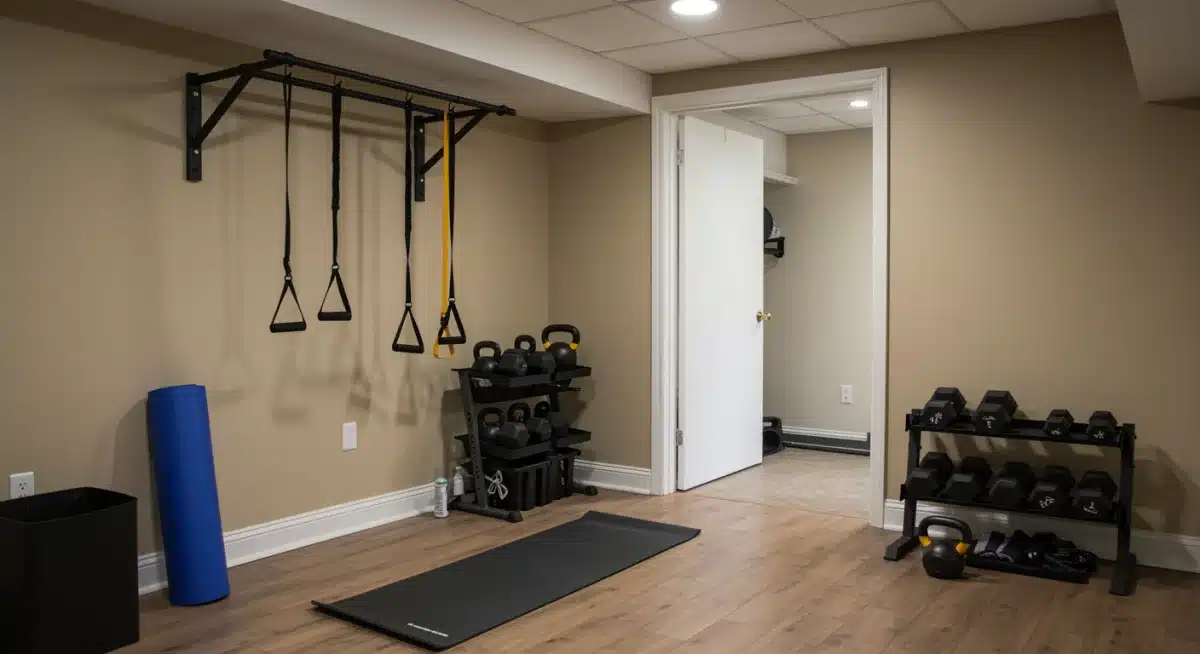
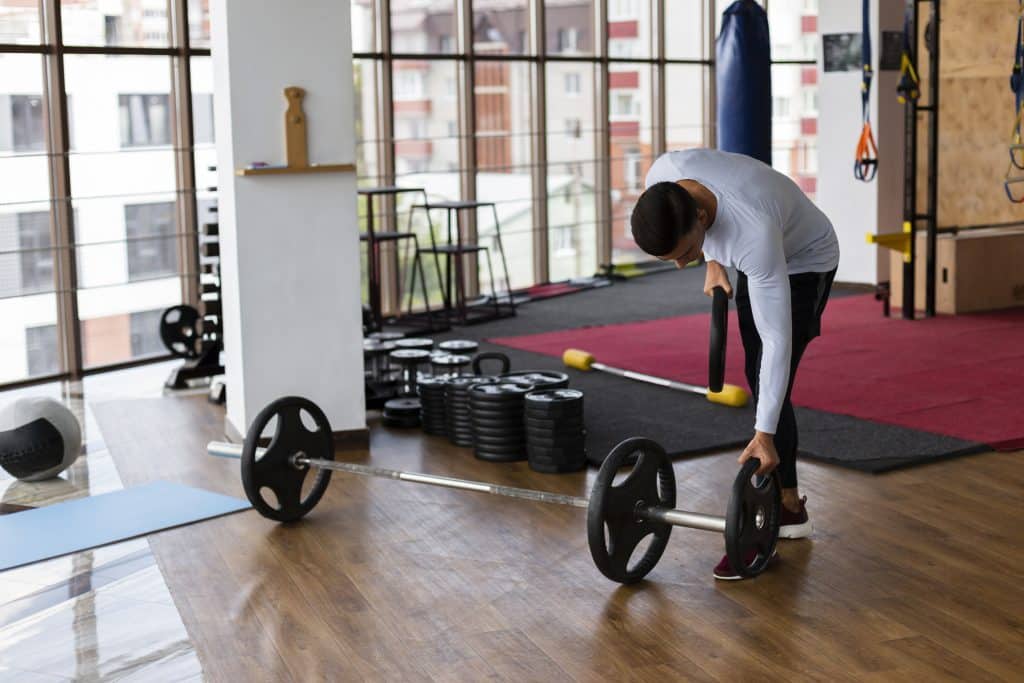 Building a functional home gym for under $500 is entirely achievable by focusing on essential, versatile equipment and smart DIY solutions, allowing you to prioritize fitness without breaking the bank.
Are you dreaming of working out from the comfort of your own home without the hefty gym membership fees or expensive equipment?
Creating a functional workout space is more accessible than you might think.
This guide will show you how to build a DIY home gym budget for under $500, proving that you don’t need to sacrifice quality or effectiveness for affordability.
Planning your budget-friendly home gym
Before diving into equipment purchases, a clear plan is essential. Understanding your fitness goals, available space, and budget constraints will streamline the process and prevent unnecessary spending.
A well-thought-out strategy ensures every dollar contributes to a valuable addition to your fitness journey.
The first step in creating your ideal home gym is to assess your needs. What type of workouts do you enjoy?
Do you prefer strength training, cardio, or a mix of both? Answering these questions will guide your equipment choices and help you prioritize.
Defining your fitness goals
Your fitness goals are the cornerstone of your home gym design. Whether it’s building muscle, improving endurance, or increasing flexibility, different goals require different tools. Tailoring your gym to your objectives ensures maximum efficiency and motivation.
Strength Training: Focus on free weights, resistance bands, and bodyweight exercises.
Cardiovascular Health: Consider a jump rope, plyometric box, or a space for high-intensity interval training (HIIT).
Flexibility & Mobility: A yoga mat, foam roller, and stretching aids will be beneficial.
Assessing your available space
Space is often a limiting factor in home gyms, but it doesn’t have to be a deterrent. Even a small corner can be transformed into an effective workout area.
Measure your space carefully and consider how equipment can be stored efficiently when not in use.
Think vertically and look for multi-functional items. A doorway pull-up bar, for example, uses minimal floor space.
Under-bed storage or wall-mounted shelving can keep smaller items organized and out of the way, making your workout area feel larger and more inviting.
Setting a realistic budget of under $500
Sticking to a $500 budget requires discipline and smart shopping. Prioritize versatile equipment that offers multiple exercise options. Look for used items, sales, and consider DIY alternatives to save money. Every dollar counts when building a functional gym on a tight budget.
Remember that the goal is functionality, not luxury.
High-end brands are often unnecessary for effective workouts. Focus on durability and utility, and you’ll find that many affordable options meet these criteria perfectly.
By carefully planning your DIY home gym budget, you’re laying a solid foundation for a sustainable fitness routine.
This initial strategic thinking will pay dividends in both cost savings and workout effectiveness, ensuring your home gym serves its purpose well.
Essential equipment for a full-body workout
Building a home gym under $500 means being strategic about your equipment choices. You need items that offer maximum versatility for a full-body workout without breaking the bank. Focusing on core pieces that can be used for various exercises is key to maximizing your budget and space.
The beauty of a budget home gym lies in its simplicity. You don’t need a multitude of machines to get an effective workout.
Instead, a few well-chosen items can provide endless exercise possibilities, targeting every major muscle group.
Adjustable dumbbells and kettlebells
Adjustable dumbbells are arguably the most valuable investment for any home gym, especially when working with a limited budget.
They consolidate multiple weight sets into one compact unit, saving both money and space.
A single pair can provide resistance for a wide range of exercises, from bicep curls to lunges.
Kettlebells are another excellent versatile tool. Their unique design allows for dynamic movements that engage multiple muscle groups simultaneously, improving strength, endurance, and flexibility. A single kettlebell can open up a new world of functional training.
Adjustable Dumbbells: Ideal for progressive overload and space-saving.
Kettlebells: Great for swings, squats, presses, and carries; excellent for functional strength.
Cost-saving tip: Search for used sets on online marketplaces or local garage sales.
Resistance bands and loops
Resistance bands are incredibly affordable, portable, and versatile. They come in various resistance levels, making them suitable for all fitness levels.
Bands can be used for warm-ups, strength training, rehabilitation, and stretching, making them a cornerstone of any budget home gym.
From assisting pull-ups to adding resistance to squats, the applications of resistance bands are almost limitless.
They are perfect for targeting smaller muscle groups and adding extra challenge to bodyweight exercises. Their compact nature also makes them easy to store.
Pull-up bar and suspension trainer
A doorway pull-up bar is a simple yet effective piece of equipment for building upper body strength. It allows for various grip positions to target different back and arm muscles.
When not in use, many models can be easily removed and stored.
Suspension trainers, like TRX, offer a full-body workout using your body weight and gravity. They are highly portable and can be anchored to a door, beam, or sturdy tree.
These trainers are excellent for core stability, strength, and flexibility, providing a gym-quality workout at a fraction of the cost.
Yoga mat and jump rope
A good quality yoga mat provides cushioning and grip for floor exercises, yoga, and stretching. It’s an inexpensive but essential item for comfort and injury prevention.
A mat also defines your workout space, making it feel more like a dedicated gym.
The humble jump rope is a fantastic cardio tool. It’s incredibly efficient for burning calories, improving coordination, and boosting cardiovascular health.
Plus, it’s compact, portable, and costs very little. These items round out the essentials, ensuring you have everything needed for a comprehensive fitness routine within your DIY home gym budget.
Smart shopping strategies for under $500
Building a home gym on a tight budget demands smart shopping. The goal is to acquire quality, functional equipment without overspending.
This involves knowing where to look, what to prioritize, and how to spot a good deal. With a little effort, you can stretch your $500 significantly.
Avoid impulse buys and focus on items that offer the best value and versatility. Remember that the condition of used equipment is often excellent, as many people buy fitness gear with good intentions but rarely use it.
Exploring used equipment markets
Second-hand markets are treasure troves for affordable fitness equipment. Websites like Craigslist, Facebook Marketplace, and local classifieds often feature individuals selling gently used dumbbells, benches, and even larger cardio machines at a fraction of their retail price.
Always inspect items thoroughly before purchasing.
Yard sales and thrift stores can also yield surprising finds. While it might take a bit more searching, the savings can be substantial. Look for durable, well-maintained pieces that will stand the test of time. Don’t be afraid to negotiate prices.
Leveraging sales and discounts
Keep an eye out for sales events, especially during holidays like Black Friday, Cyber Monday, or end-of-season clearances. Many retailers offer significant discounts on fitness equipment during these periods.
Subscribing to newsletters from your favorite fitness brands can alert you to upcoming promotions.
Consider purchasing refurbished items from reputable sellers. These products are often restored to like-new condition and come with warranties, offering a great balance between cost and reliability. Always compare prices from different retailers to ensure you’re getting the best deal.
DIY solutions and homemade alternatives
When the budget is tight, creativity becomes your best friend. Many effective gym tools can be made or substituted with household items. For instance, sturdy chairs can serve as dip stations, and heavy books or water bottles can act as light weights.
Sandbags: Fill old duffel bags with sand for versatile, adjustable weights.
Concrete weights: Molds and concrete can create custom dumbbells or kettlebells (with proper safety precautions).
Plyo box: Build a sturdy wooden box for jumps and step-ups.
Prioritizing multi-functional items
Every dollar spent should contribute to maximum utility. Opt for equipment that serves multiple purposes. Adjustable dumbbells, as mentioned, are a prime example.
A resistance band set can replace several different machines.
A simple bench can be used for step-ups, incline presses, and core exercises. When selecting items for your DIY home gym budget, always ask yourself: “How many different exercises can I do with this?” This mindset will ensure your $500 goes a long way in creating a versatile and effective workout space.
Optimizing your workout space
Once you’ve acquired your budget-friendly equipment, the next step is to organize and optimize your workout space. A well-arranged gym promotes safety, efficiency, and motivation.
Even a small area can feel spacious and professional with smart layout and storage solutions.
The environment you train in significantly impacts your consistency and enjoyment. Taking the time to set up your home gym thoughtfully will make your workouts more productive and appealing, encouraging you to stick with your fitness routine.
Layout and floor planning
Start by clearing the chosen area of any clutter. Measure the space and sketch out a basic floor plan. Position larger items first, ensuring there’s enough room around them for safe movement.
For example, if you have a yoga mat, make sure you can fully extend your limbs without hitting walls or furniture.
Consider the flow of your workouts. Group similar equipment together. If you’re doing a circuit, arrange items in the order you’ll use them.
This minimizes transitions and keeps your focus on the exercise. Ensure there’s adequate ventilation and lighting to create a comfortable atmosphere.
Storage solutions for small spaces
Effective storage is crucial for maintaining an organized and functional home gym, especially in smaller areas. Cluttered spaces can be demotivating and even hazardous. Look for creative ways to keep your equipment tidy and accessible.
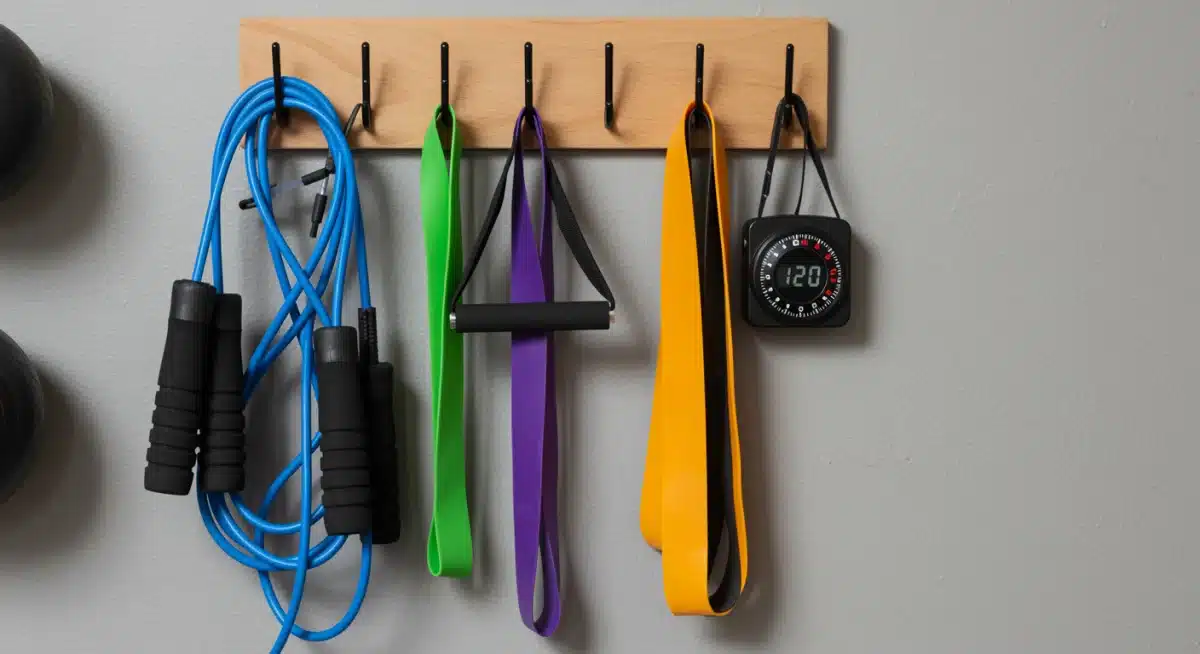
Wall-mounted shelves and hooks: Perfect for resistance bands, jump ropes, and lighter items.
Under-bed storage bins: Ideal for yoga mats, foam rollers, or extra bands.
Vertical dumbbell racks: If you have multiple dumbbells, a compact rack keeps them off the floor.
Door organizers: Can hold smaller accessories like gloves or timers.
Creating a motivating environment
Your home gym should be a place that inspires you to get moving. Personalize the space to make it inviting. This could involve adding a mirror, playing your favorite workout music, or even putting up motivational posters. Good lighting is also essential; natural light is always preferable if available.
Keep the area clean and free of distractions. A dedicated workout space signals to your brain that it’s time to focus on fitness.
Even simple touches, like a fresh coat of paint or a small plant, can significantly enhance the ambiance and make your DIY home gym budget feel like a professional setup.
Maximizing your budget equipment
Having a well-equipped home gym on a budget is only half the battle; the other half is knowing how to use your chosen equipment effectively.
Maximizing the utility of each item ensures you get the most out of your investment and achieve diverse, challenging workouts.
Understanding the full potential of your affordable gear can transform a basic setup into a powerhouse of fitness. It’s about creativity, knowledge, and consistency in your training approach.
Full-body workout routines with limited gear
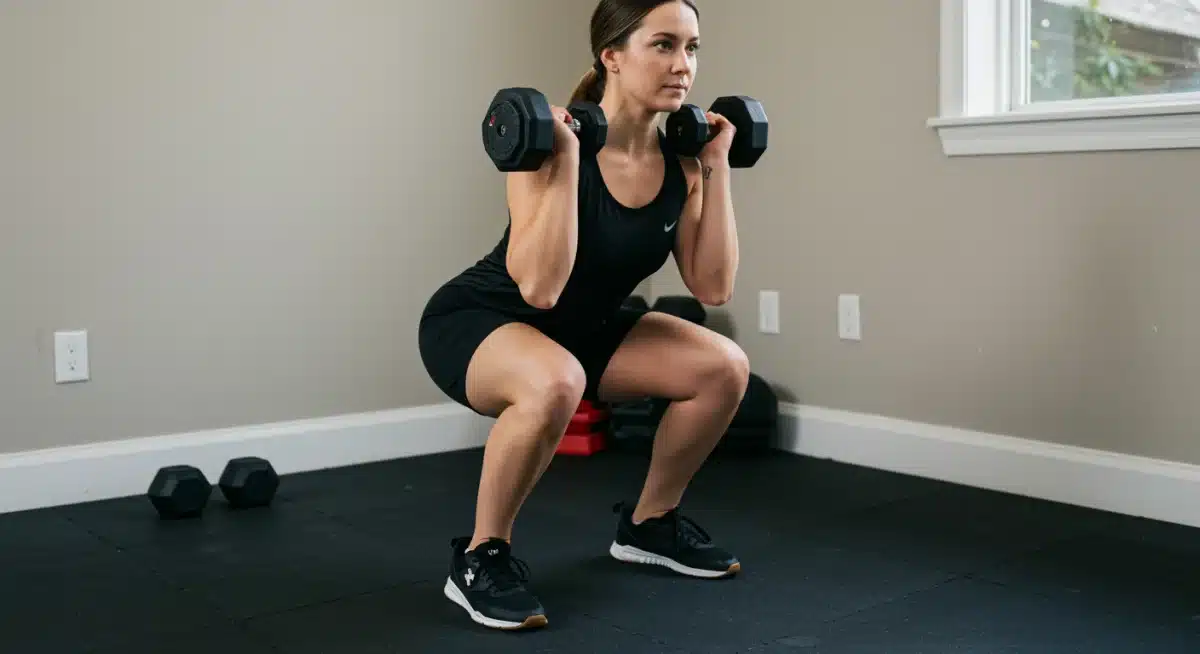
Even with just a few pieces of equipment, you can design comprehensive full-body workouts. The key is to select exercises that engage multiple muscle groups simultaneously.
This approach saves time and is highly efficient for strength building and conditioning.
For example, adjustable dumbbells can be used for squats, lunges, overhead presses, rows, and deadlifts.
Combine these with push-ups, planks, and pull-ups (if you have a bar), and you have a robust routine. Resistance bands can add an extra challenge to almost any bodyweight exercise.
Utilizing bodyweight exercises
Bodyweight exercises are the foundation of any effective fitness program and require no equipment at all.
They are excellent for building foundational strength, improving endurance, and enhancing body control. Incorporating them regularly ensures a well-rounded fitness regimen.
From classic push-ups and squats to more advanced variations like pistol squats or handstands, bodyweight training offers endless possibilities.
These exercises are particularly beneficial for beginners to establish proper form before adding external resistance. They also complement your budget equipment perfectly.
Progressive overload with inexpensive tools
Progressive overload—gradually increasing the demand on your muscles—is crucial for continuous improvement. With a budget home gym, this can be achieved in several ways without needing to buy heavier weights.
Increase repetitions or sets: Perform more reps or sets with the same weight or resistance.
Decrease rest times: Shorter breaks between sets make the workout more challenging.
Improve form: Perfecting your technique makes an exercise more effective.
Add resistance: Use resistance bands to increase the difficulty of bodyweight exercises or add to existing weights.
Modify exercise variations: Move from easier to harder versions of an exercise (e.g., knee push-ups to regular push-ups).
By applying these principles, your inexpensive equipment will continue to challenge you and help you make consistent progress.
This strategic approach ensures your DIY home gym budget remains effective for the long term, adapting as your strength and fitness levels grow.
Maintenance and longevity of your home gym
Investing time and a modest budget into a home gym means you’ll want it to last. Proper maintenance not only extends the lifespan of your equipment but also ensures safety and cleanliness. A well-cared-for gym remains a motivating and effective space for your fitness journey.
Regular upkeep prevents premature wear and tear, saving you money on replacements and repairs in the long run. It also contributes to a more pleasant workout experience, making you more likely to use your gym consistently.
Cleaning and organizing equipment
After each workout, take a few minutes to wipe down your equipment. Sweat can be corrosive and unhygienic. Use a mild disinfectant spray and a clean cloth to clean surfaces, especially handles of dumbbells, kettlebells, and resistance bands. This simple habit prevents the buildup of grime and bacteria.
Return all equipment to its designated storage spot immediately after use. This keeps your space tidy, prevents tripping hazards, and makes it easier to find what you need for your next session.
A clean and organized gym is an inviting gym.
Inspecting for wear and tear
Periodically inspect your equipment for any signs of damage or wear. Check resistance bands for cracks, tears, or loss of elasticity.
Examine dumbbell handles for looseness or rust. Ensure pull-up bars are securely mounted and show no signs of structural fatigue.
Addressing minor issues promptly can prevent them from becoming major problems. For example, a slightly rusty weight can be cleaned and treated to prevent further corrosion.
Replace any severely damaged items to ensure your safety during workouts. Your investment in a DIY home gym budget deserves this attention.
Extending the life of your gear
Proper usage is paramount to extending equipment life. Avoid dropping weights excessively, as this can damage both the weights and your flooring. Use equipment only as intended by the manufacturer or for common fitness practices.
Store resistance bands away from direct sunlight and extreme temperatures, which can degrade their material.
If you have a yoga mat, roll it up tightly after use to prevent creases and store it in a cool, dry place. Taking these small steps will ensure your budget-friendly gear serves you for years to come, making your home gym a lasting asset.
Beyond the basics: Upgrading your home gym
Once you’ve established your foundational home gym and are consistently using it, you might start thinking about small upgrades.
These additions don’t have to break your initial $500 budget, especially if you continue to apply smart shopping strategies. The goal is to enhance your workout experience and expand your exercise options gradually.
Upgrading should always be driven by your evolving fitness goals and needs. Don’t add equipment just for the sake of it; ensure each new item brings significant value and versatility to your routine.
Adding a plyometric box or step
A plyometric box or a sturdy step can significantly enhance your cardio and power training. It allows for box jumps, step-ups, and various plyometric exercises that improve explosive strength and cardiovascular endurance.
You can often find these used or even build one yourself from sturdy wood for a fraction of the cost.
These additions are excellent for diversifying your leg and core workouts. They also serve as a versatile piece of equipment for elevated push-ups or dips, further expanding your exercise repertoire without needing a lot of space or a huge investment.
Consider a multi-height box for even greater versatility.
Incorporating a foam roller and massage ball
Recovery is just as important as the workout itself. A foam roller and a massage ball are inexpensive tools that can make a huge difference in muscle recovery, flexibility, and mobility. They help release muscle tension, improve blood flow, and alleviate soreness, preparing your body for the next session.
These tools are essential for self-myofascial release, which is like giving yourself a deep tissue massage. Incorporating them into your warm-up and cool-down routines can prevent injuries and improve overall athletic performance. They are small, easy to store, and offer immense benefits for a minimal cost.
Exploring digital fitness resources
While not physical equipment, digital fitness resources are a powerful upgrade for any home gym. Many free or low-cost apps, YouTube channels, and online programs offer guided workouts, exercise tutorials, and personalized training plans.
These resources can keep your workouts fresh and provide expert guidance without the expense of a personal trainer.
YouTube channels: Search for “home workouts,” “bodyweight exercises,” or “dumbbell routines.”
Fitness apps: Many offer free trials or basic versions with a wide range of exercises.
Online communities: Find motivation and support from others on similar fitness journeys.
These digital tools complement your physical setup, ensuring you always have new challenges and guidance.
They are a fantastic way to maximize your DIY home gym budget by providing a wealth of knowledge and motivation at your fingertips, keeping your fitness journey exciting and progressive.
| Key Point | Brief Description |
|---|---|
| Budget Planning | Define fitness goals and space, setting a strict $500 limit to guide purchases. |
| Essential Equipment | Focus on versatile items like adjustable dumbbells, resistance bands, and a pull-up bar for full-body workouts. |
| Smart Shopping | Utilize used markets, sales, and DIY alternatives to maximize your budget. |
| Space Optimization | Organize equipment with smart storage and create a motivating environment. |
Frequently asked questions about DIY home gyms
Absolutely! By prioritizing versatile, multi-functional equipment like adjustable dumbbells, resistance bands, and a pull-up bar, and by smart shopping for used items or sales, you can assemble a highly effective workout space for well under $500. Focus on core movements and bodyweight exercises.
The most essential items include adjustable dumbbells or kettlebells, a set of resistance bands, a doorway pull-up bar, a yoga mat, and a jump rope.
These pieces offer a wide range of exercises for strength, cardio, and flexibility, providing a comprehensive workout solution.
Saving money involves several strategies: checking online marketplaces (Craigslist, Facebook Marketplace) for used gear, taking advantage of holiday sales, and considering DIY alternatives like sandbags or homemade plyo boxes. Prioritize versatility over specialized machines to maximize your budget.
Regular maintenance is key. Wipe down equipment after each use to remove sweat, inspect for wear and tear (cracks in bands, loose handles), and store items properly.
Keep resistance bands away from direct sunlight and extreme temperatures to extend their lifespan, ensuring safety and longevity.
Absolutely. A full-body workout is entirely achievable using bodyweight exercises and a few key pieces of equipment.
Focus on compound movements like squats, push-ups, rows, and lunges. Resistance bands can add intensity, and a pull-up bar provides excellent upper-body benefits, leading to comprehensive fitness.
Conclusion
Creating a functional and effective DIY home gym budget for under $500 is not just a pipe dream; it’s an achievable reality with careful planning, smart shopping, and a focus on versatile equipment.
By prioritizing essential items, exploring second-hand markets, and embracing DIY solutions, you can build a personalized workout space that supports your fitness goals without straining your finances.
The journey to a healthier, stronger you can begin right at home, proving that dedication and resourcefulness are far more valuable than expensive gear.