Spotless Home: 8 DIY Cleaning Solutions for 2026
 Are you ready to transform your living space into a sparkling sanctuary without resorting to harsh chemicals or expensive specialized products? This guide will show you how to achieve a spotless home: 8 DIY cleaning solutions using common household items in 2026, offering practical, eco-friendly, and budget-conscious ways to tackle everyday grime and maintain a pristine environment.
The power of pantry staples: vinegar and baking soda
Many of us already have powerful cleaning agents sitting in our kitchen cupboards. White vinegar and baking soda are not just for cooking and baking; they are formidable allies in the quest for a clean home. Their versatility and effectiveness make them indispensable for a wide range of cleaning tasks, from deodorizing to degreasing.
Understanding the chemical properties of these common items is key to unlocking their full potential. Vinegar, an acetic acid, is excellent for cutting through grease, dissolving mineral deposits, and acting as a mild disinfectant. Baking soda, a mild abrasive and odor absorber, can scrub away grime without scratching surfaces and neutralize unpleasant smells.
Vinegar: the all-purpose cleaner
Vinegar’s acidic nature makes it perfect for many cleaning applications. Mixed with water, it becomes a safe and effective spray for various surfaces. It’s particularly useful for glass, mirrors, and hard water stains.
Glass and mirrors: Mix equal parts white vinegar and water in a spray bottle for streak-free shine.
Hard water stains: Soak faucets or showerheads in vinegar, or spray and let sit for 15-30 minutes before scrubbing.
Floor cleaner: A cup of vinegar in a bucket of warm water can clean most hard floors, leaving them sparkling without sticky residue.
Beyond these uses, vinegar can also refresh your dishwasher, clean your coffee maker, and even act as a fabric softener in your laundry. Its natural deodorizing qualities are an added bonus, leaving behind a fresh, clean scent rather than a chemical one.
Baking soda: the gentle abrasive and deodorizer
Baking soda’s fine, crystalline structure makes it an ideal gentle abrasive, capable of scrubbing away tough stains without damaging delicate surfaces. Its natural alkalinity also helps to neutralize acids and absorb odors, making it a powerful deodorizer.
Scouring paste: Mix baking soda with a little water to create a paste for scrubbing sinks, tubs, and tiles.
Odor absorber: Place an open box in your refrigerator or sprinkle on carpets before vacuuming to eliminate smells.
Drain cleaner: Pour half a cup of baking soda down a drain, followed by half a cup of vinegar, to clear minor clogs and refresh pipes.
These two humble ingredients, when used correctly, can replace a cabinet full of specialized cleaners, simplifying your routine and reducing your exposure to harsh chemicals. Their combined power offers a holistic approach to maintaining a clean and fresh home, proving that effective cleaning doesn’t have to be complicated or expensive.
Citrus power: lemon for freshness and stain removal
Lemons are more than just a culinary delight; their natural acidity and refreshing scent make them a powerful, natural cleaning agent. The citric acid found in lemons acts as a natural bleach, disinfectant, and deodorizer, making them ideal for a variety of cleaning tasks around your home.
Incorporating lemons into your cleaning routine not only leaves your home smelling fresh but also tackles tough stains and grime effectively.
From shining surfaces to removing stubborn odors, lemons offer a versatile and eco-friendly alternative to many commercial cleaning products. Their natural properties allow for effective cleaning without introducing harsh chemicals into your living space, aligning perfectly with the goal of achieving a spotless home using common household items.
Brightening and degreasing with lemon
The acidic content of lemons is particularly effective at cutting through grease and brightening dull surfaces. It can be used directly or combined with other natural ingredients for enhanced cleaning power.
Cutting boards: Rub half a lemon over a cutting board to disinfect and remove stains and odors.
Microwave cleaner: Place lemon slices in a bowl of water, microwave for a few minutes, then easily wipe away grime.
Brass and copper polish: Mix lemon juice with baking soda to create a paste for polishing tarnished metals.
Lemons are also fantastic for removing rust stains from fabrics or porcelain. Squeeze lemon juice onto the stain, let it sit, and then wash or rinse. The natural bleaching action helps to lift the rust without damaging the material. This natural approach ensures your home is not only clean but also free from the residue of synthetic cleaners.
Deodorizing and sanitizing naturally
Beyond their stain-fighting capabilities, lemons are exceptional deodorizers. Their fresh, clean scent can instantly uplift a room and neutralize unpleasant smells. They also possess mild antiseptic properties, contributing to a more hygienic environment.
To freshen up your garbage disposal, simply drop a few lemon rinds down the drain and run with cold water. For general air freshening, simmer lemon peels in water on the stovetop. This releases a natural, invigorating aroma throughout your home. The versatility of lemons makes them an indispensable tool for anyone looking to maintain a spotless and naturally fresh living space.
Olive oil and salt: unexpected polishing power

When you think of cleaning, olive oil and salt might not be the first items that come to mind. However, these common kitchen staples possess remarkable properties that make them incredibly effective for polishing, scrubbing, and restoring various surfaces around your home.
Their natural composition allows for gentle yet powerful cleaning without the need for abrasive chemicals, ensuring your cherished items are cared for.
This dynamic duo can tackle tasks from shining stainless steel to rejuvenating wooden furniture, proving that some of the best cleaning solutions are often found right in your pantry. Embracing these natural alternatives contributes to a healthier home environment and helps you achieve a spotless home using common household items.
Restoring shine with olive oil
Olive oil is a fantastic natural polish, particularly for stainless steel and wood. It helps to remove smudges, fingerprints, and adds a protective sheen, making surfaces look new again. Its emollient properties also nourish wood, preventing it from drying out and cracking.
Stainless steel appliances: Apply a small amount of olive oil to a soft cloth and wipe down stainless steel surfaces to remove streaks and fingerprints.
Wooden furniture: Mix a few drops of olive oil with lemon juice to create a natural wood polish that cleans and conditions.
Leather conditioner: A tiny bit of olive oil can condition and restore luster to leather items, just be sure to test in an inconspicuous area first.
The key to using olive oil for polishing is to use it sparingly and buff thoroughly with a clean, dry cloth. This ensures a beautiful, streak-free finish without leaving an oily residue. It’s a simple, effective, and non-toxic way to keep your home’s surfaces gleaming.
Salt: the natural abrasive and stain remover
Salt, with its crystalline structure, acts as an excellent natural abrasive, perfect for scrubbing away tough grime and stains without damaging surfaces. It can be particularly effective on cast iron and in combination with other ingredients for enhanced cleaning power.
Cast iron pans: Sprinkle salt into a warm cast iron pan and scrub with a paper towel or sponge to remove stuck-on food.
Coffee cup stains: Mix salt with a little water or lemon juice to create a paste that can scrub away stubborn coffee and tea stains from mugs.
Cutting board scrub: After cleaning with lemon, sprinkle salt over your cutting board and scrub to further sanitize and remove odors.
When combined with lemon juice, salt creates a powerful scouring agent that can tackle even the most persistent stains, from rust to mildew. This combination is particularly effective for cleaning porcelain sinks and bathtubs, providing a deep clean that leaves surfaces sparkling.
By harnessing the power of olive oil and salt, you can achieve a truly spotless home with minimal effort and maximum natural impact.
Hydrogen peroxide: a gentle disinfectant
Hydrogen peroxide, often found in medicine cabinets, is a remarkable and often overlooked cleaning agent. Its mild antiseptic properties make it an excellent, non-toxic disinfectant that can effectively kill germs, whiten surfaces, and remove stains without the harshness of bleach. This makes it an ideal choice for those looking to maintain a hygienic home using safer, more natural alternatives.
Understanding how to properly use hydrogen peroxide can significantly enhance your cleaning arsenal, allowing you to tackle everything from kitchen counters to bathroom tiles with confidence. It’s a versatile solution for achieving a truly spotless home using common household items, particularly for sanitization.
Sanitizing surfaces and fighting mold
Hydrogen peroxide works by releasing oxygen, which helps to break down organic matter and kill bacteria, viruses, and mold spores. It’s a fantastic option for disinfecting surfaces where food is prepared or in areas prone to mold growth.
Kitchen counters: Spray a 3% hydrogen peroxide solution on countertops, let it sit for a few minutes, then wipe clean to sanitize.
Bathroom disinfection: Use it to clean and disinfect toilets, sinks, and showers, effectively tackling germs and mildew.
Mold and mildew remover: Spray directly onto moldy areas, let it sit for 10-15 minutes, then scrub and rinse.
It’s important to use 3% hydrogen peroxide, which is commonly available, and to store it in its original dark bottle to prevent degradation from light. While generally safe, always test on an inconspicuous area first, especially on colored fabrics or delicate surfaces, to ensure no discoloration occurs. Its gentle yet effective action makes it a superior choice for everyday disinfection.
Whitening and stain removal
Beyond its disinfectant properties, hydrogen peroxide is also a mild bleaching agent. This makes it effective for whitening fabrics, removing stains, and brightening grout, offering a gentle alternative to chlorine bleach.
For laundry, add half a cup of hydrogen peroxide to the wash cycle with your white clothes to brighten them. For stubborn stains on carpets or upholstery, blot the area with hydrogen peroxide, let it sit for a few minutes, then blot dry.
Always test on a small, hidden area first. Its ability to lift stains and whiten surfaces without harsh fumes makes it an invaluable asset in your natural cleaning toolkit, contributing significantly to a spotless home.
Cornstarch: the grease-fighting wonder
Cornstarch, often reserved for thickening gravies and sauces, holds a surprising secret as a powerful natural cleaning agent. Its absorbent properties make it incredibly effective at tackling grease, oil stains, and even polishing certain surfaces. This unassuming pantry item can revolutionize the way you approach some of the trickiest cleaning challenges, offering a gentle yet potent solution for a variety of household woes.
Embracing cornstarch in your cleaning routine means less reliance on chemical degreasers and more on sustainable, readily available resources. It’s an excellent example of how common household items can be repurposed to achieve a truly spotless home with minimal effort and environmental impact.
Absorbing grease and oil stains
Cornstarch’s primary cleaning superpower lies in its exceptional ability to absorb oils and grease. This makes it a fantastic pre-treatment for greasy stains on fabrics, carpets, and even hard surfaces.
Fabric stains: Sprinkle cornstarch liberally over fresh grease stains on clothing, let it sit for an hour or two (or overnight), then brush off and launder as usual.
Carpet and upholstery: For grease spots on carpets or upholstery, apply cornstarch, let it sit to absorb the oil, then vacuum thoroughly.
Greasy cookware: Before washing, sprinkle cornstarch into greasy pans to absorb excess oil, making cleanup much easier.
The key to success with cornstarch for grease removal is to apply it as soon as possible to fresh stains. The longer the grease sits, the harder it is to remove. Its natural absorbency draws the oil out of the fibers, preventing it from setting in and making the stain much easier to remove completely.
Polishing and deodorizing with cornstarch
Beyond its grease-absorbing capabilities, cornstarch can also be used as a gentle polish and deodorizer. Its fine texture makes it suitable for shining certain surfaces without scratching, and its natural properties can help neutralize odors.
For polishing silver, mix cornstarch with water to form a paste, apply to the silver, let it dry, then buff with a soft cloth. This method gently removes tarnish and restores shine. Cornstarch can also be sprinkled into shoes or on pet beds to absorb moisture and odors, leaving them fresher.
These diverse applications underscore cornstarch’s value as a multi-purpose cleaning aid, helping you maintain a spotless home efficiently and naturally.
Rubbing alcohol: quick-drying disinfectant
Rubbing alcohol, or isopropyl alcohol, is a highly effective and fast-evaporating disinfectant that is a staple in many households for first aid. However, its powerful germ-killing properties and quick-drying nature also make it an excellent, streak-free cleaner for various surfaces, particularly electronics and glass. It’s an indispensable item for those aiming to achieve a spotless home while ensuring surfaces are thoroughly sanitized.
Its ability to dissolve oils and evaporate quickly makes it superior to many other cleaners for specific tasks, especially where moisture could cause damage or streaks are undesirable. Incorporating rubbing alcohol into your cleaning routine offers a sterile and efficient approach to maintaining hygiene.
Streak-free shine and germ elimination
Rubbing alcohol’s fast evaporation rate and ability to dissolve oils make it perfect for achieving streak-free results on glass and stainless steel, while simultaneously disinfecting surfaces.
Electronics: Lightly dampen a microfiber cloth with rubbing alcohol to clean screens, keyboards, and remote controls, removing grime and germs without leaving residue.
Glass and mirrors: Spray a diluted solution (70% alcohol, 30% water) on glass surfaces for a sparkling, streak-free finish.
Stainless steel: Wipe down stainless steel appliances to remove fingerprints and smudges, leaving a polished look.
When cleaning electronics, always apply the alcohol to the cloth, not directly to the device, to prevent liquid damage. Its rapid drying time is particularly beneficial for sensitive equipment, ensuring no moisture is left behind to cause issues. This makes it an ideal choice for maintaining a clean and germ-free digital environment.
Disinfecting tools and removing permanent marker
Beyond general surface cleaning, rubbing alcohol is excellent for sanitizing personal care tools and can even tackle tough stains like permanent marker. Its strong solvent properties are key to these specialized applications.
To disinfect tweezers, nail clippers, or razor blades, simply wipe them down with rubbing alcohol. For permanent marker stains on non-porous surfaces, apply a small amount of alcohol to a cloth and gently rub the stain until it disappears.
Always test in an inconspicuous area first to ensure it doesn’t damage the surface. Rubbing alcohol’s dual role as a powerful disinfectant and solvent makes it a versatile and essential tool for a truly spotless and hygienic home.
Dish soap: the universal degreaser
Dish soap, a humble kitchen essential, is a cleaning powerhouse far beyond its primary use for washing dishes. Its remarkable ability to cut through grease and grime makes it an incredibly versatile and effective solution for a multitude of cleaning tasks throughout your home.
This makes it an indispensable item in your arsenal for achieving a spotless home using common household items, offering a gentle yet potent cleaning action.
From kitchen surfaces to laundry stains, dish soap’s degreasing properties can tackle a surprising array of challenges, often outperforming specialized cleaners. Its mild formulation also makes it safe for many surfaces, provided it’s used correctly and rinsed thoroughly.
Tackling kitchen grease and tough stains
Dish soap’s surfactant properties allow it to break down and lift grease, making it perfect for the greasiest areas of your home, primarily the kitchen. It can dissolve oily residues that other cleaners might struggle with.
Stovetops and backsplashes: Mix a few drops of dish soap with warm water in a spray bottle to clean greasy stovetops, range hoods, and backsplashes.
Greasy floors: Add a squirt of dish soap to your mop water to cut through grease and grime on kitchen floors.
Laundry pre-treater: Apply a small amount of dish soap directly to oil or grease stains on fabric before washing to help lift the stain.
For particularly tough, baked-on grease, a slightly more concentrated solution or allowing the dish soap to sit on the stain for a few minutes can significantly improve its effectiveness. Always rinse surfaces thoroughly after cleaning with dish soap to prevent any sticky residue. Its ability to emulsify fats makes it an invaluable tool for maintaining a pristine kitchen.
Beyond the kitchen: versatile cleaning applications
The utility of dish soap extends far beyond the kitchen. Its gentle yet effective cleaning action makes it suitable for various other household tasks, from cleaning outdoor furniture to washing delicate items.
For cleaning outdoor furniture, mix a few drops of dish soap in a bucket of warm water, scrub with a brush or sponge, then rinse with a hose. It’s also excellent for washing windows and car exteriors, providing a clean, streak-free finish when rinsed properly.
For delicate hand-wash items, a tiny amount of mild dish soap can safely clean without harsh chemicals. This demonstrates dish soap’s incredible versatility, making it a true all-rounder in your quest to achieve a spotless home.
Essential oils: natural fragrance and added power
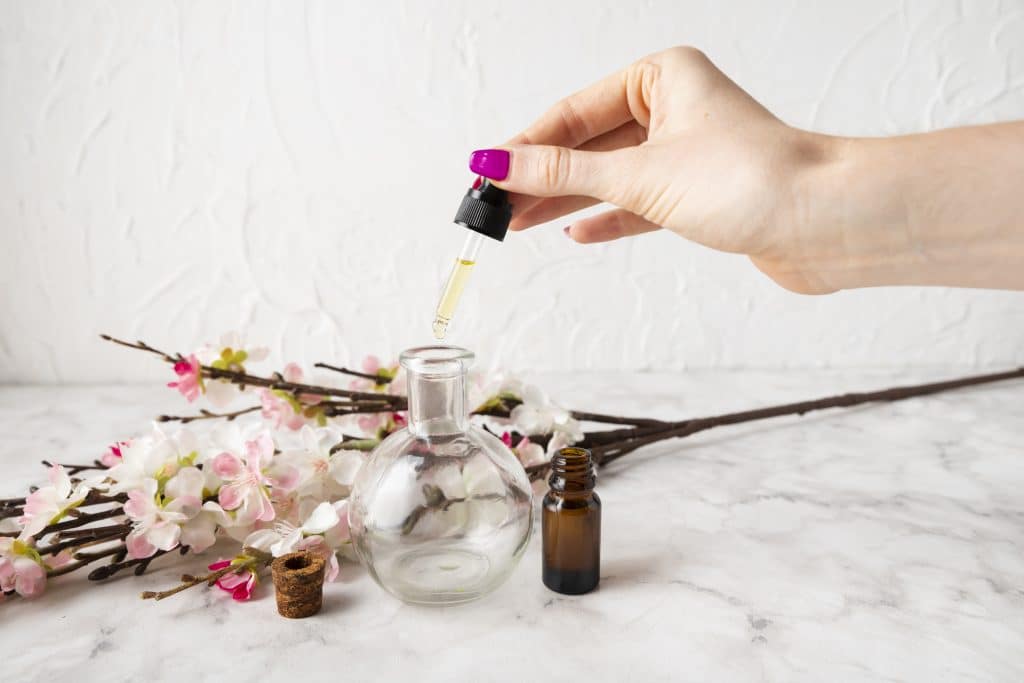
While not strictly a cleaning agent on their own, essential oils are powerful additions to DIY cleaning solutions, offering natural fragrance, enhanced antibacterial properties, and a more pleasant cleaning experience.
Moving beyond artificial scents, essential oils like tea tree, lavender, and peppermint can transform your cleaning routine, aligning with the goal of a spotless home using common household items while boosting their effectiveness.
Their concentrated plant extracts carry the beneficial properties of the plants they come from, making them more than just pretty smells. They can act as natural disinfectants, insect repellents, and mood enhancers, all while leaving your home smelling wonderfully fresh.
Boosting cleaning power and freshness
Many essential oils possess natural antibacterial, antiviral, and antifungal properties, making them excellent for enhancing the sanitizing power of your DIY cleaners. They also provide a natural, long-lasting scent.
Tea tree oil: Known for its strong antiseptic properties, add a few drops to your vinegar and water spray for an extra germ-killing boost, especially in bathrooms.
Lemon or orange oil: These citrus oils are great degreasers and add a bright, uplifting scent to any cleaning solution.
Lavender oil: Offers a calming aroma and has mild antibacterial properties, perfect for bedroom and living area cleaners.
When adding essential oils to your cleaning solutions, remember that a little goes a long way. Typically, 10-20 drops per 16 oz spray bottle are sufficient. Always mix them well, as oils and water don’t naturally combine. For best results, shake your solution before each use to ensure the oils are dispersed throughout.
Creating custom cleaning blends
The beauty of essential oils lies in their ability to be combined, allowing you to create custom cleaning blends tailored to specific needs or desired aromas. This personalization elevates the cleaning experience and can make chores more enjoyable.
For a refreshing kitchen cleaner, combine lemon and peppermint essential oils. For a calming bedroom spray, use lavender and chamomile. For an invigorating bathroom scrub, mix tea tree and eucalyptus oils into a baking soda paste.
Always choose high-quality, pure essential oils for the best results. By harnessing the power of essential oils, you not only achieve a spotless home but also infuse it with beneficial natural aromas and enhanced germ-fighting capabilities, making your cleaning routine a truly holistic experience.
Newspaper: the secret to streak-free windows
In an age of advanced cleaning technologies, sometimes the simplest tools prove to be the most effective. Old newspapers, often discarded, are a surprisingly powerful and eco-friendly solution for achieving perfectly streak-free windows and mirrors.
This traditional method, passed down through generations, still holds its own against modern microfiber cloths, making it a go-to choice for those aiming for a spotless home using common household items.
The unique properties of newspaper, particularly its texture and ink, contribute to its effectiveness, providing a superior shine without leaving behind lint or streaks. It’s a testament to the idea that effective cleaning doesn’t always require specialized products.
Why newspaper works wonders
The secret to newspaper’s effectiveness lies in its composition. Unlike paper towels, which can leave lint and streaks, newspaper fibers are tightly woven and absorbent. The ink, surprisingly, also plays a role, helping to repel dirt and grime.
Lint-free finish: Newspaper leaves no fibers behind, ensuring a crystal-clear surface.
Absorbent: It effectively soaks up cleaning solution and dissolved grime.
Eco-friendly: Repurposing old newspapers reduces waste and is a sustainable cleaning practice.
When using newspaper, it’s best to use black and white sections, as colored inks can sometimes transfer to surfaces. Crumple the newspaper into a ball for a comfortable grip and an effective scrubbing surface. This simple technique can significantly elevate the cleanliness of your glass surfaces, contributing to an overall spotless appearance in your home.
Best practices for newspaper window cleaning
To maximize the effectiveness of newspaper cleaning, combine it with a good homemade window cleaning solution, such as a vinegar and water mix. The technique is just as important as the materials.
Spray your window cleaning solution directly onto the glass. Then, using crumpled newspaper, wipe the glass in an ‘S’ motion or from top to bottom, ensuring you cover the entire surface. For best results, clean windows on a cloudy day, as direct sunlight can dry the solution too quickly, leading to streaks. This time-honored method is a simple yet incredibly effective way to achieve sparkling, streak-free windows, proving that some of the best cleaning solutions are often the most basic and readily available, helping you achieve a truly spotless home.
| Cleaning Agent | Primary Use |
|---|---|
| Vinegar & Baking Soda | All-purpose cleaning, deodorizing, scrubbing |
| Lemon | Degreasing, brightening, natural scent |
| Hydrogen Peroxide | Disinfecting, whitening, stain removal |
| Dish Soap | Universal degreaser, versatile stain fighter |
Frequently asked questions about DIY cleaning
Yes, many DIY cleaning solutions, when used correctly, are highly effective. Common household items like vinegar, baking soda, and lemon possess natural properties that can disinfect, degrease, and deodorize just as well as, if not better than, some commercial products, without the harsh chemicals.
While some combinations like vinegar and baking soda are safe and effective, others can be dangerous. For instance, never mix vinegar with hydrogen peroxide or bleach, as this can create toxic fumes. Always research combinations before mixing to ensure safety.
Most DIY solutions are safe for common household surfaces. However, acidic cleaners like vinegar and lemon juice should be avoided on natural stone (marble, granite) as they can etch the surface. Always test on an inconspicuous area first.
Essential oils are an excellent natural way to add fragrance to your DIY cleaners. Lemon, lavender, tea tree, and peppermint oils not only smell great but also often add extra cleaning or antibacterial properties to your solutions, enhancing freshness naturally.
The shelf life varies. Solutions containing vinegar and essential oils tend to last several weeks to a few months. Solutions with water and no preservatives might degrade faster. Store them in airtight containers away from direct sunlight for optimal longevity.
Conclusion
Achieving a spotless home in 2026 doesn’t require a cabinet full of specialized, chemical-laden products. By harnessing the power of everyday household items like vinegar, baking soda, lemons, olive oil, salt, hydrogen peroxide, cornstarch, dish soap, and essential oils, you can create an effective, eco-friendly, and budget-conscious cleaning routine.
These DIY solutions not only leave your home sparkling clean and fresh but also contribute to a healthier living environment by reducing your exposure to harsh chemicals. Embrace these simple yet powerful methods to transform your cleaning habits and enjoy a pristine home with confidence and ease.