Improve Your Posture in 3 Weeks: Healthier Back Exercises 2026

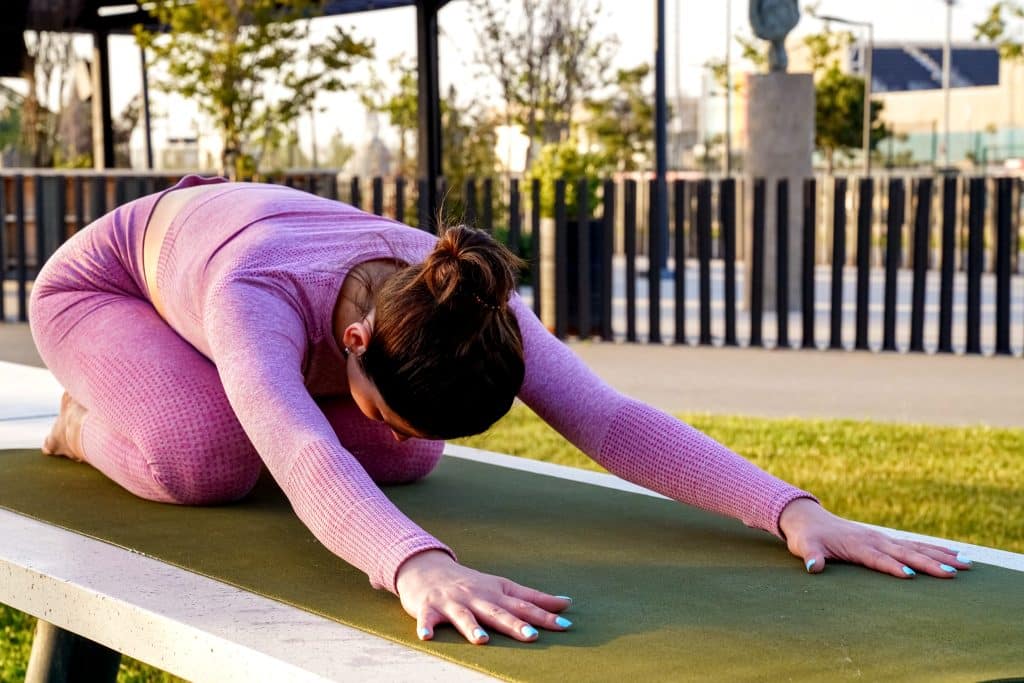 Transform your posture in just three weeks by integrating simple yet effective exercises into your daily routine, leading to a healthier back and enhanced overall physical well-being.
Are you ready to truly improve posture exercises and discover the path to a healthier back in 2026? Many of us spend countless hours hunched over screens, leading to discomfort and long-term postural issues.
This guide will walk you through a practical, three-week journey to realign your body, strengthen key muscles, and cultivate habits that support optimal spinal health.
Understanding the Importance of Good Posture
Good posture is more than just standing up straight; it’s about aligning your body in a way that minimizes strain on your muscles, ligaments, and joints.
When your posture is correct, your bones are properly aligned, and your muscles, joints, and ligaments can work as nature intended. This reduces the abnormal wearing of joint surfaces, decreases the stress on the ligaments holding the spinal joints together, and prevents spinal pain and other musculoskeletal problems.
Beyond physical benefits, good posture significantly impacts your overall well-being, influencing everything from breathing efficiency to confidence levels.
Poor posture, on the other hand, can lead to a cascade of issues, including chronic back pain, headaches, fatigue, and even digestive problems. Recognizing these impacts is the first step toward committing to a healthier alignment.
The Consequences of Poor Posture
Ignoring poor posture can have profound and lasting effects on your health. The constant strain on your musculoskeletal system can lead to serious conditions that diminish your quality of life. Understanding these risks can be a powerful motivator for change.
Chronic Back and Neck Pain: Uneven distribution of weight and prolonged stress on certain spinal segments often results in persistent discomfort.
Headaches and Jaw Pain: Forward head posture can strain neck muscles, leading to tension headaches and temporomandibular joint (TMJ) issues.
Reduced Lung Capacity: A slouched position compresses the lungs, making it harder to breathe deeply and efficiently.
Digestive Issues: Poor posture can put pressure on internal organs, potentially hindering digestion and causing discomfort.
Fatigue and Low Energy: When your muscles work harder to keep you upright, you expend more energy, leading to increased fatigue.
By understanding the critical role of proper alignment, we can begin to appreciate why dedicating time to improve posture exercises is not just about aesthetics, but about foundational health. It’s an investment in a pain-free, more energetic future.
Week 1: Core Strengthening and Awareness
The first week of your posture improvement journey focuses on building foundational strength in your core and increasing your awareness of how you hold your body throughout the day. A strong core is paramount for supporting your spine and maintaining proper alignment.
Without a stable core, other muscles compensate, leading to imbalances and pain.
This week, we’ll introduce exercises that are gentle yet effective, designed to wake up those often-neglected muscles and help you identify common postural pitfalls.
Consistency in these initial steps will lay a solid groundwork for the weeks to come, making subsequent exercises more effective and reducing the risk of injury.
Daily Awareness Drills
Before diving into exercises, cultivating body awareness is crucial. Throughout your day, take moments to check in with your posture. Are your shoulders rounded? Is your head jutting forward? Simple mental cues can make a big difference.
Standing Check: Imagine a string pulling your head towards the ceiling, lengthening your spine. Keep your shoulders relaxed and slightly back, and your feet hip-width apart.
Sitting Check: Ensure your back is supported, feet are flat on the floor, and your computer screen is at eye level. Avoid crossing your legs for extended periods.
Walking Check: Pay attention to your gait. Are you slumping or walking with a forward lean? Try to keep your chest open and your gaze forward.
Introductory Core Exercises
These exercises are designed to gently engage your core muscles without overstraining them. Perform each exercise for 3 sets of 10-15 repetitions, focusing on slow, controlled movements.
The plank is an excellent full-body exercise that targets the core, shoulders, and glutes. Lie face down with your forearms on the floor and push up onto your toes, forming a straight line from head to heels.
Hold for 30 seconds, rest, and repeat. Another effective exercise is the bird-dog. Start on all fours, then extend one arm forward and the opposite leg backward, keeping your core stable and your back flat. Hold for a few seconds before returning to the starting position.
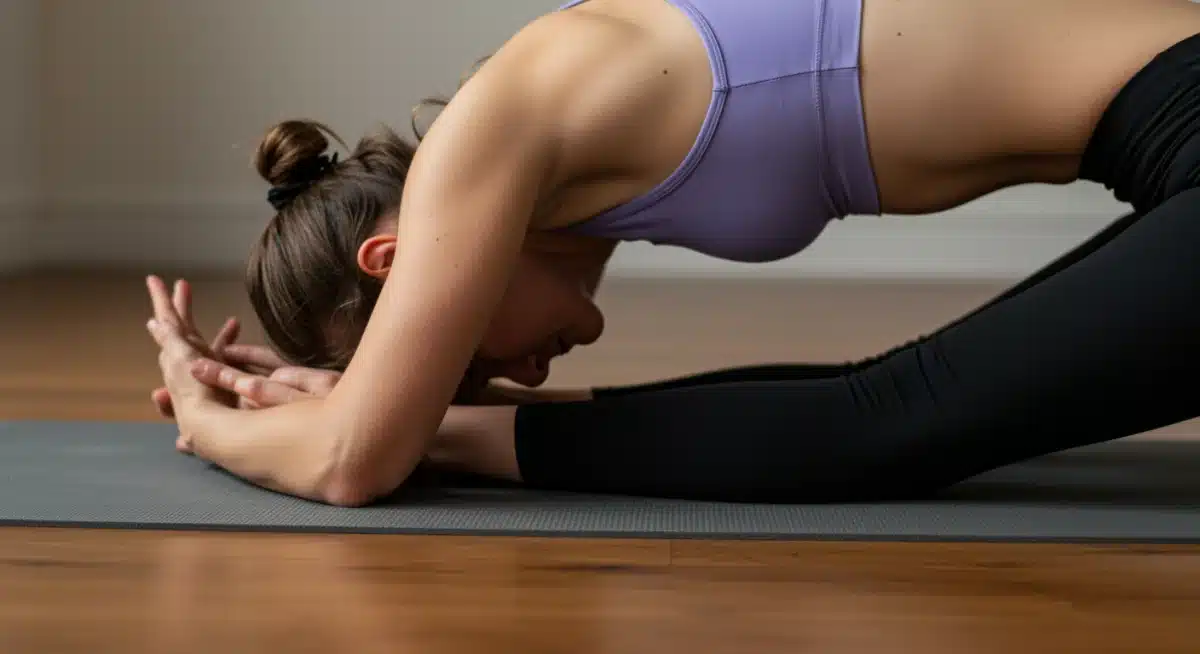
The cat-cow stretch is also beneficial for spinal mobility. Begin on your hands and knees. As you inhale, drop your belly towards the floor and look up (cow pose). As you exhale, round your spine towards the ceiling and tuck your chin to your chest (cat pose).
This gentle movement helps to articulate the spine and improve flexibility, which is crucial for maintaining good posture. These exercises, when performed consistently, will begin to build the necessary strength and awareness to support a healthier spine.
By the end of Week 1, you should feel a subtle increase in core engagement and a heightened awareness of your postural habits. This foundational work is crucial for progressing to more challenging exercises and solidifying long-term changes.
Week 2: Strengthening Back, Shoulders, and Glutes
Having established core awareness and initial strength in Week 1, Week 2 shifts focus to strengthening the specific muscle groups that directly support your spine and help pull your shoulders back and down.
These include the muscles of your upper back, shoulders, and glutes. Often, poor posture stems from weakness in these areas, causing other muscles to compensate and create imbalances.
This week’s exercises are designed to counteract the effects of prolonged sitting and modern living, which often lead to rounded shoulders and a forward head posture.
By targeting these areas, we aim to naturally encourage a more upright and aligned stance. Remember to maintain the awareness drills from Week 1 as you incorporate these new movements.
Targeted Back and Shoulder Exercises
Strengthening the muscles between your shoulder blades and those that support the upper spine is essential for pulling your shoulders back and preventing slouching. Focus on controlled movements and proper form to maximize effectiveness and avoid injury.
Wall Angels: Stand with your back against a wall, feet shoulder-width apart. Press your lower back, head, and arms (elbows bent at 90 degrees, palms facing forward) against the wall. Slowly slide your arms up and down the wall, keeping everything in contact. Perform 3 sets of 10 repetitions.
Band Pull-Aparts: Hold a resistance band with both hands, arms extended in front of you at shoulder height. Keeping your arms straight, pull the band apart, squeezing your shoulder blades together. Perform 3 sets of 15 repetitions.
Reverse Flyes: Using light dumbbells or a resistance band, bend forward slightly at the hips with a straight back. Extend your arms out to the sides, squeezing your shoulder blades. Perform 3 sets of 12-15 repetitions.
Glute Activation for Pelvic Stability
Your glutes play a critical role in pelvic stability and supporting the lower back. Weak glutes can lead to an anterior pelvic tilt, which contributes to swayback and lower back pain. Activating these muscles helps to create a more neutral spinal alignment.
Glute bridges are an excellent way to activate and strengthen your glutes. Lie on your back with your knees bent and feet flat on the floor, hip-width apart. Press into your heels and lift your hips off the floor until your body forms a straight line from your shoulders to your knees. Squeeze your glutes at the top, then slowly lower.
Perform 3 sets of 15-20 repetitions. Another effective exercise is the clam shell. Lie on your side with knees bent and stacked. Keep your feet together and lift your top knee towards the ceiling, engaging your glutes. This helps to strengthen the hip abductors, which are crucial for pelvic stability.
By integrating these back, shoulder, and glute-focused exercises, you’re actively working to correct muscle imbalances and build the strength needed to maintain good posture effortlessly. The goal for Week 2 is to feel a noticeable improvement in your ability to hold an upright position for longer periods without conscious effort.
Week 3: Integration and Advanced Stability
Entering Week 3, you’ve built a solid foundation of core strength, body awareness, and targeted muscle activation.
This final week is about integrating these strengths into functional movements and introducing more advanced stability exercises to solidify your new, improved posture. The objective is to make good posture feel natural and effortless, not something you constantly have to think about.
We’ll focus on exercises that challenge your balance and coordination, further strengthening the intricate network of muscles that support your spine. This integration phase is crucial for ensuring that your postural improvements translate into your everyday activities, from walking and lifting to sitting at your desk. Consistency in this week will ensure lasting results.
Functional Movement and Balance Exercises
These exercises help your body work as a cohesive unit, improving overall stability and reinforcing proper alignment during dynamic movements. Incorporate these into your routine, paying close attention to maintaining good form.
Single-Leg Romanian Deadlifts (RDLs): Stand on one leg, holding a light dumbbell in the opposite hand. Hinge at your hip, extending your free leg backward for balance, until your torso is parallel to the floor. Return slowly. Perform 3 sets of 8-10 repetitions per leg.
Overhead Squats: Hold a light stick or broomstick overhead with wide hands. Perform a squat, keeping the stick directly above your head and your chest open. This challenges shoulder mobility and upper back stability. Perform 3 sets of 10-12 repetitions.
Walking Lunges with Twist: Step forward into a lunge. At the bottom of the lunge, gently twist your torso towards the front leg. This adds a rotational challenge, engaging core stabilizers. Perform 3 sets of 10-12 repetitions per leg.
Advanced Core and Spinal Stability
To further challenge and strengthen your core and the deep spinal stabilizers, introduce exercises that require more precise control and sustained engagement. These help to build endurance in the muscles responsible for maintaining posture.
Side planks are an excellent progression from traditional planks, targeting the oblique muscles more intensely. Lie on your side, supporting your body on one forearm and the side of your foot. Lift your hips until your body forms a straight line. Hold for 30-60 seconds per side, for 3 sets. Another beneficial exercise is the dead bug.
Lie on your back with arms extended towards the ceiling and knees bent at 90 degrees over your hips. Slowly lower one arm and the opposite leg towards the floor, keeping your lower back pressed into the mat. This exercise is fantastic for learning to dissociate limb movement from core stability.
By the end of Week 3, you should feel significantly stronger, more aligned, and more confident in your posture. The consistent practice of these exercises and heightened awareness will have transformed your body mechanics, setting you up for sustained postural health.
Integrating Posture into Daily Life Habits
While structured exercises are crucial for strengthening and awareness, true and lasting postural improvement comes from integrating these principles into your daily habits.
It’s about making good posture an unconscious part of how you move, sit, and stand throughout the day. This involves making small, consistent adjustments to your environment and routines, which collectively have a monumental impact.
Think of it as refining your body’s operating system. Once you’ve installed the necessary updates (exercises), you need to ensure they run smoothly in the background of your everyday activities. This continuous reinforcement is what prevents old, detrimental habits from creeping back in and undermining your progress.
Ergonomic Adjustments for Work and Home
Your environment plays a significant role in dictating your posture. By making simple ergonomic adjustments, you can create spaces that naturally support good alignment, reducing strain and promoting comfort.
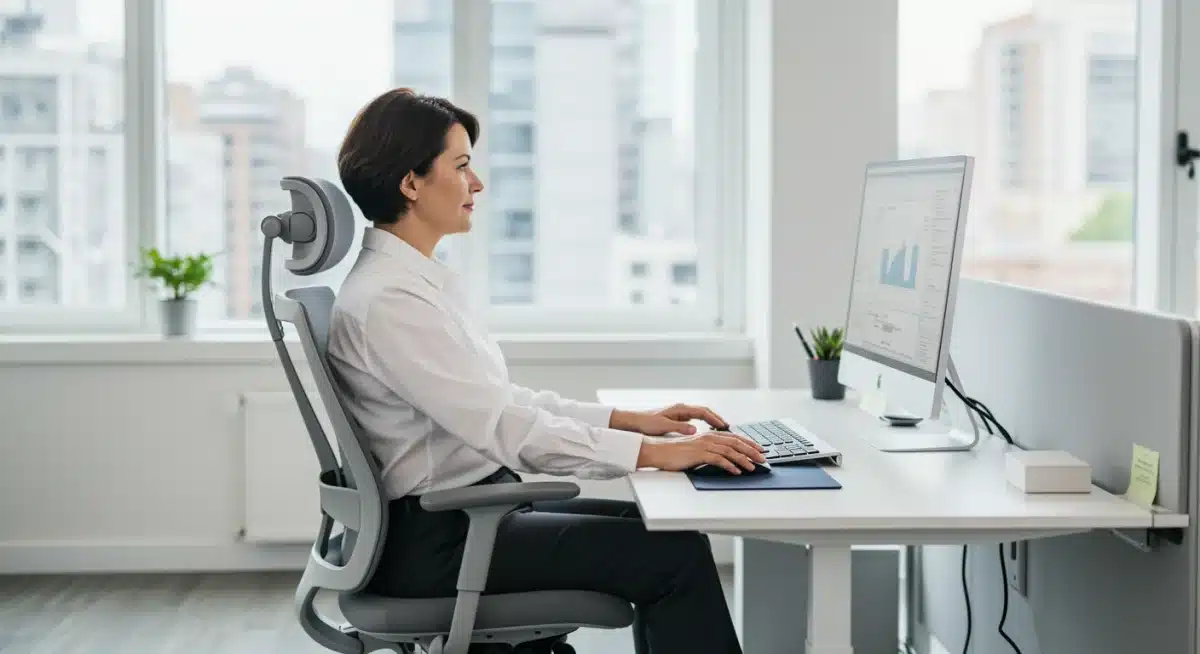
Desk Setup: Ensure your chair provides good lumbar support, your feet are flat on the floor (or a footrest), and your computer monitor is at eye level, about an arm’s length away. Your elbows should be at a 90-degree angle when typing.
Standing Work: If you use a standing desk, ensure the height allows your elbows to be at 90 degrees when typing, and consider an anti-fatigue mat to reduce strain on your feet and legs.
Driving Posture: Adjust your car seat to support your lower back, keep your headrest at the correct height, and ensure you can comfortably reach the pedals and steering wheel without hunching.
Mindful Movement and Breaks
Even with the best ergonomic setup, prolonged static positions are detrimental. Incorporating regular movement and mindfulness into your day is vital for maintaining flexibility and preventing stiffness.
Set a timer to remind yourself to take short breaks every 30-60 minutes. During these breaks, stand up, stretch, and move around. Simple stretches like shoulder rolls, neck turns, and gentle back extensions can counteract the effects of sitting.
Practice mindful movement by paying attention to your posture during everyday tasks, such as lifting groceries, walking, or even brushing your teeth. Consciously engage your core and maintain a tall spine. These small, consistent efforts will transform your posture from a conscious effort into a natural state, ensuring the long-term benefits of your three-week journey.
By actively integrating these habits, you’re not just doing exercises; you’re building a lifestyle that inherently supports a healthy back and excellent posture. This holistic approach ensures that the improvements you’ve made are sustainable.
Addressing Common Postural Challenges
Even with dedicated effort, specific postural challenges can persist or feel particularly difficult to overcome. Recognizing these common issues and understanding targeted strategies to address them is key to a complete and lasting transformation. Many people struggle with similar patterns of misalignment, often exacerbated by daily routines and modern lifestyles.
This section will delve into specific challenges such as forward head posture, rounded shoulders, and swayback, offering practical advice and additional techniques to complement your three-week exercise plan. The goal is to provide you with the tools to fine-tune your posture, ensuring that no stone is left unturned in your pursuit of a healthier back.
Forward Head Posture (Text Neck)
Forward head posture, often dubbed ‘text neck,’ is incredibly common due to excessive screen time. It involves the head jutting forward, placing immense strain on the neck and upper back. This can lead to chronic neck pain, headaches, and even numbness in the arms.
To combat this, regularly perform chin tucks: Sit or stand tall, then gently pull your chin straight back, as if making a double chin. Hold for 5 seconds and repeat 10 times.
Also, be mindful of your screen height, ensuring your device is at eye level to prevent looking down constantly. Strengthening the deep neck flexors and stretching the chest muscles can also help correct this imbalance.
Rounded Shoulders and Kyphosis
Rounded shoulders, or thoracic kyphosis, are characterized by an excessive outward curve of the upper back. This often results from prolonged slouching, weak upper back muscles, and tight chest muscles. It can lead to shoulder pain, reduced mobility, and difficulty breathing.
Chest Stretches: Stand in a doorway, place your forearms on the doorframe, and gently step forward to stretch your chest. Hold for 30 seconds, repeat 3 times.
Scapular Retractions: Sit or stand tall and squeeze your shoulder blades together, as if trying to hold a pencil between them. Hold for 5 seconds, repeat 10-15 times.
Resistance Band Rows: Attach a resistance band to a stable object at chest height. Sit or stand facing the anchor, pull the band towards your chest, squeezing your shoulder blades.
These exercises help to strengthen the muscles that pull your shoulders back, counteracting the forward pull of tight chest muscles. Consistency is key to gradually opening up the chest and correcting the rounded appearance.
Swayback (Anterior Pelvic Tilt)
Swayback, or anterior pelvic tilt, occurs when the pelvis tips forward, causing an exaggerated curve in the lower back and often a protruding abdomen. This can lead to lower back pain, hip immobility, and muscle imbalances.
To address swayback, focus on strengthening your glutes and core, and stretching your hip flexors. Performing exercises like glute bridges and planks (as introduced in earlier weeks) are highly effective.
Additionally, hip flexor stretches, such as the kneeling hip flexor stretch, can help release tightness in the front of the hips that contributes to the pelvic tilt. Lie on your back and hug one knee to your chest while keeping the other leg extended to stretch the hip flexors.
Regular practice of these targeted approaches will help you overcome specific postural hurdles, reinforcing your journey towards a healthier and more aligned body.
Maintaining Your Posture Beyond 3 Weeks
Completing a three-week program to improve your posture is a fantastic achievement, but it’s just the beginning of a lifelong commitment to spinal health. Maintaining good posture requires ongoing effort, consistency, and a proactive approach to your physical well-being.
Think of it not as a temporary fix, but as a fundamental shift in how you care for your body. The habits and strengths you’ve built over these three weeks are the foundation; now, it’s about sustaining and even building upon them.
This final section focuses on strategies for long-term maintenance, ensuring that the benefits you’ve gained continue to serve you well into the future. It’s about making posture a continuous, mindful practice rather than a periodic chore.
Establishing a Sustainable Routine
The key to long-term success is integrating your exercises and awareness practices into a routine that is sustainable and enjoyable. You don’t need to dedicate hours every day, but consistency is paramount. Consider creating a condensed version of your favorite exercises from the three-week program.
Morning Ritual: Start your day with 10-15 minutes of gentle stretches and core activation exercises, such as cat-cow, bird-dog, and a few planks.
Daily Micro-Breaks: Continue with your hourly posture checks and short stretching breaks throughout the workday.
Weekly Reinforcement: Dedicate 2-3 longer sessions (20-30 minutes) each week to a more comprehensive workout, incorporating back, shoulder, glute, and advanced core exercises.
Listening to Your Body and Adjusting
Your body is constantly sending signals; learning to listen to them is crucial for long-term postural health. Pay attention to any new aches, stiffness, or discomfort, as these can be early indicators that your posture is slipping or that certain muscles need more attention.
Don’t be afraid to adjust your routine as needed. If you notice increased tension in your neck, incorporate more chin tucks and neck stretches. If your lower back feels tight, focus on hip flexor stretches and glute activation.
Consider incorporating other activities like yoga, Pilates, or swimming, which are excellent for maintaining core strength, flexibility, and overall body awareness.
These practices inherently promote good posture and can be a refreshing way to keep your routine engaging. Regular check-ins with your posture and adapting your approach will ensure you continue to reap the rewards of your hard work for years to come.
By making posture a consistent priority and actively listening to your body’s needs, you can ensure that your improved alignment becomes a permanent and beneficial aspect of your health and well-being.
| Key Focus Area | Brief Description |
|---|---|
| Week 1: Core & Awareness | Build foundational core strength and increase daily body awareness through gentle exercises. |
| Week 2: Back & Shoulders | Strengthen upper back, shoulders, and glutes to counteract slouching and support spinal alignment. |
| Week 3: Integration & Stability | Integrate strengths into functional movements and advanced stability exercises for lasting posture. |
| Long-Term Maintenance | Establish sustainable routines and listen to your body for continued postural health. |
Frequently Asked Questions About Posture Improvement
You can expect to feel noticeable improvements in body awareness and initial strength within the first week. Significant changes in your posture and a reduction in discomfort typically become apparent by the end of the three-week program, with continued improvement thereafter.
Yes, the exercises are designed to be accessible for most fitness levels. Start with lighter resistance or fewer repetitions if you’re new to exercise. Always listen to your body and consult a healthcare professional if you have pre-existing conditions or experience pain.
Many exercises can be modified to use bodyweight only. For example, use soup cans or water bottles instead of dumbbells for light resistance. Focus on proper form and controlled movements; bodyweight exercises can be very effective.
Absolutely. Poor posture can contribute to headaches, jaw pain, reduced lung capacity, digestive problems, and even fatigue. Correcting your posture can alleviate these associated issues and improve overall well-being and energy levels.
After the initial three weeks, aim for a condensed daily routine of 10-15 minutes of stretches and core work, complemented by 2-3 longer, more comprehensive sessions (20-30 minutes) per week. Consistency is key for lasting results.
Conclusion
Embarking on a journey to improve posture exercises is a transformative step towards a healthier, more comfortable life. Over these three weeks, you’ve learned to strengthen your core, align your spine, and integrate mindful habits into your daily routine.
The commitment you’ve shown will not only alleviate current discomfort but also prevent future issues, empowering you with a stronger back and renewed confidence. Remember, posture is a continuous practice, and by consistently applying these principles, you’ll sustain these invaluable benefits for years to come.