Online Education vs. Traditional College: 2025 Cost-Benefit Analysis
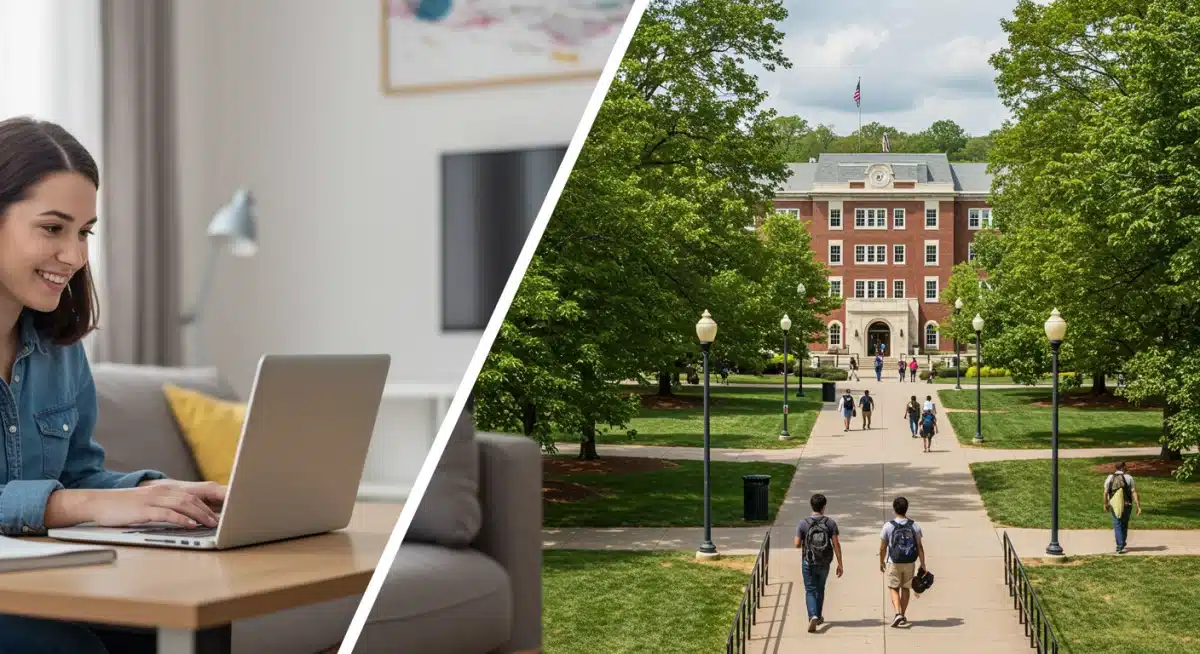
 Choosing between online and traditional college for 2025 students necessitates a thorough cost-benefit analysis, evaluating financial investments, academic quality, social development, and career preparation to ensure that each path aligns with individual goals and circumstances. As online education continues to expand rapidly, the comparison between digital learning and on-campus experiences has never been more relevant.
Deciding on higher education is a pivotal moment for any student, and the landscape is continuously evolving. Advances in technology, shifting workforce demands, and flexible learning models have transformed how students approach their academic future. For 2025 students, the choice between online vs. traditional college presents a complex array of considerations — from tuition savings and schedule flexibility to networking opportunities and access to campus resources.
This comprehensive cost-benefit analysis dives deep into both educational pathways, highlighting how online programs stack up against in-person institutions when it comes to affordability, learning outcomes, career readiness, and personal development. By examining the financial, academic, and social implications of each option, you’ll gain the clarity needed to make an informed and strategic decision about your future.
Understanding the Financial Implications: Costs and Savings
The financial aspect is often the primary driver for students and families when considering higher education pathways.
Both online and traditional college models carry significant costs, but their structures and potential for savings differ dramatically.
A deep dive into tuition, fees, and living expenses is crucial for a realistic financial plan.
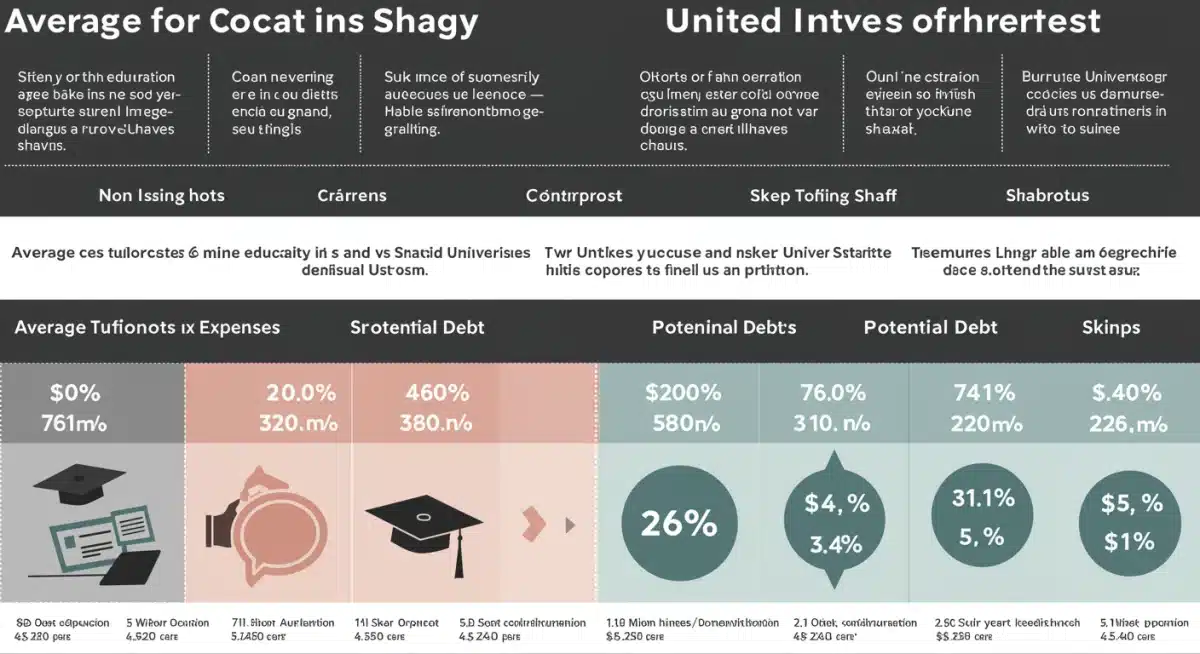
Traditional colleges, especially private institutions or out-of-state public universities, typically come with hefty price tags.
These costs extend beyond tuition to include room and board, meal plans, transportation, and various campus fees.
Online education, on the other hand, often boasts lower tuition rates and eliminates many of the associated living expenses, offering a potentially more affordable route to a degree.
Tuition and Fees Comparison
Traditional College: Expect to pay for tuition, mandatory fees (technology, health, activity), room and board, and potentially athletic or student union fees. These can escalate rapidly, often reaching tens of thousands of dollars annually.
Online Education: Tuition is generally lower per credit hour. While some online programs may have technology fees, they typically lack the extensive campus-based fees of traditional institutions, leading to substantial overall savings.
Hidden Costs and Savings Opportunities
Beyond the advertised tuition, both options have hidden costs.
Traditional students face expenses like textbooks, personal care items, and entertainment, while online students might need to invest in reliable internet, a suitable home office setup, and self-discipline tools.
However, online learning often allows students to continue working full-time or part-time, significantly offsetting educational costs and reducing reliance on student loans.
Traditional students might also work, but their schedules are often less flexible due to fixed class times and campus commitments.
The financial implications extend into post-graduation debt. Students graduating from traditional colleges often carry substantial loan burdens, which can impact their financial freedom for years. Online students, having potentially accumulated less debt, may have a head start on their financial independence. Carefully evaluating these factors is essential for any 2025 student.
Academic Rigor and Learning Styles: Which Fits You Best?
Beyond the price tag, the academic experience and learning environment play a critical role in student success. Both online and traditional college offer distinct academic structures and demand different learning styles.
Understanding these differences can help students identify the environment where they are most likely to thrive.
Traditional college environments are characterized by structured class schedules, in-person lectures, and direct interaction with professors and peers.
This setting often suits students who benefit from a fixed routine, immediate feedback, and a hands-on approach to learning. The campus library, labs, and study groups provide a rich academic support system.
Curriculum and Instruction Delivery
Traditional College: Features synchronous learning through live lectures, seminars, and laboratory sessions.
Learning is often collaborative and relies on physical presence for discussions and group projects.
Online Education: Offers a mix of synchronous (live virtual classes) and asynchronous (pre-recorded lectures, discussion forums) learning.
This flexibility allows students to learn at their own pace and often revisit material as needed, catering to diverse schedules and learning preferences.
The perception of academic rigor can sometimes differ, but many reputable online programs maintain standards equivalent to their on-campus counterparts. Accreditation is a key indicator of quality for both.
Online courses often require a high degree of self-motivation, time management, and independent study skills, as students are largely responsible for managing their own learning journey.
Traditional settings, while offering structure, also demand proactive engagement during class and utilization of campus resources.
Ultimately, the best fit depends on individual learning styles.
Some students thrive on the immediate feedback and structured environment of a traditional classroom, while others excel with the autonomy and flexibility of online learning.
Assessing one’s own discipline, preferred pace, and need for direct interaction is vital.
Social Development and Networking: Building Connections
College is not just about academics; it’s also a crucial period for social development, personal growth, and professional networking.
The opportunities for these experiences vary significantly between online and traditional college settings, impacting a student’s overall collegiate journey and future prospects.
Traditional college campuses are vibrant hubs of social activity. Students live, learn, and socialize together, fostering a strong sense of community. This environment naturally encourages the formation of friendships, participation in clubs and organizations, and engagement in campus events. These experiences are invaluable for developing social skills, leadership abilities, and a diverse network of contacts.
Campus Life and Peer Interaction
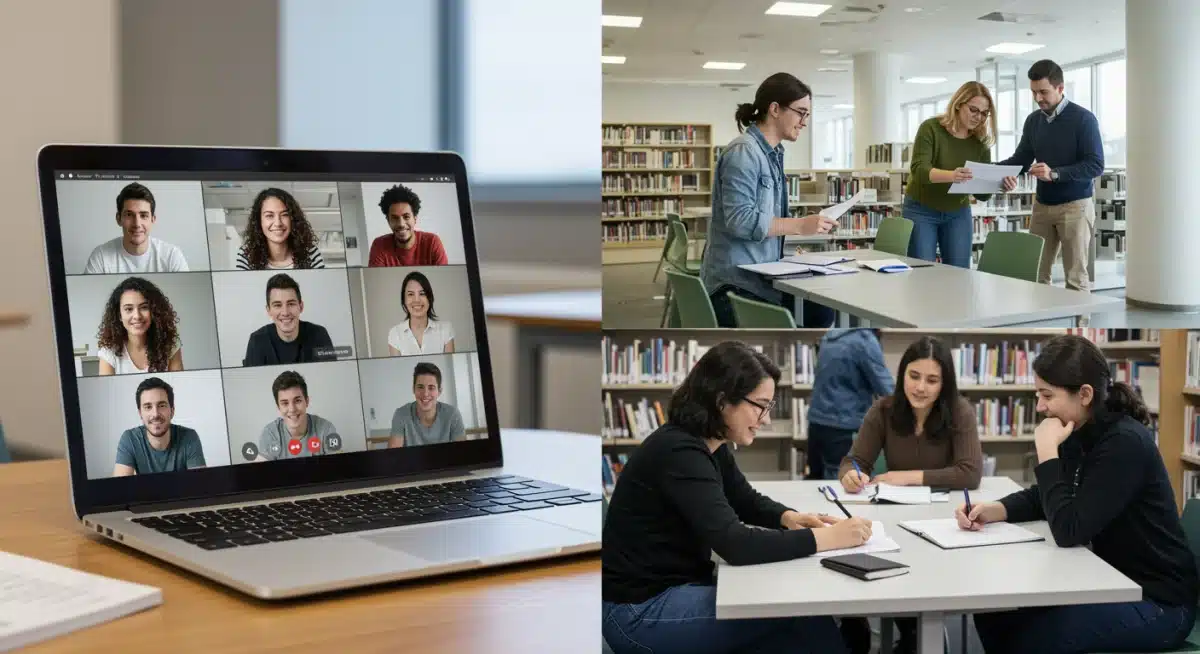
Traditional College: Offers abundant opportunities for in-person social interaction through dorm life, student organizations, sports, and campus events.
These experiences contribute significantly to personal development and a robust social network.
Online Education: Social interaction is primarily virtual, through online discussion forums, video conferencing, and collaborative projects. While less spontaneous, many online programs are actively developing strategies to foster a sense of community among students.
Networking, both social and professional, is a cornerstone of higher education.
Traditional students often benefit from career fairs, alumni events, and direct mentorship opportunities on campus.
The proximity to professors and industry professionals can lead to internships and job placements. Online students, while geographically dispersed, can leverage digital platforms, professional online communities, and virtual career services to build their networks.
They might also have an advantage in networking with professionals already in their field through their concurrent work experience.
While traditional settings offer a more conventional social experience, online education is continually innovating to create engaging virtual communities.
The absence of a physical campus doesn’t mean a lack of connection, but it does require a more intentional and proactive approach to building relationships.
Students must weigh the importance of these social elements against their personal preferences and career goals.
Flexibility and Accessibility: Tailoring Education to Your Life
One of the most compelling advantages of online education is its unparalleled flexibility and accessibility.
This aspect is particularly appealing to non-traditional students, those balancing work or family commitments, and individuals in remote locations.
Traditional college, while structured, offers a different kind of accessibility through its physical resources and established campus ecosystem.
Online programs break down geographical barriers, allowing students to pursue degrees from institutions anywhere in the world without relocation.
This opens up opportunities for specialized programs that might not be available locally.
The asynchronous nature of many online courses also provides the flexibility to study at times that best suit a student’s personal schedule, whether early morning or late at night.
Schedule and Location Advantages
Online Education: Offers immense flexibility in scheduling and location. Students can often complete coursework from anywhere with an internet connection, making it ideal for those with existing commitments or geographical limitations.
Traditional College: Provides a structured daily or weekly schedule with fixed class times and locations. While less flexible, this structure can be beneficial for students who thrive on routine and in-person guidance.
Accessibility also extends to diverse learning needs.
Online platforms can often be adapted to provide resources for students with disabilities, and the self-paced nature can accommodate different learning speeds.
Traditional campuses also offer support services, but these require physical presence.
For adult learners, military personnel, or those with family responsibilities, the ability to integrate education seamlessly into their lives is a significant benefit of online learning.
However, this flexibility demands strong self-discipline and organizational skills.
Without the external structure of fixed classes and campus life, online students must be proactive in managing their time and staying motivated.
Traditional college, while less flexible, provides a ready-made environment designed to keep students engaged and on track. The choice largely hinges on a student’s personal lifestyle and their capacity for independent learning.
Career Prospects and Employer Perception in 2025
The ultimate goal of higher education for many is to enhance career prospects. How employers perceive degrees earned through online versus traditional pathways is a critical consideration for 2025 students.
While historical biases once favored traditional degrees, the landscape is rapidly shifting, driven by technological advancements and evolving workforce needs.
In 2025, the stigma once associated with online degrees has largely diminished, especially for programs from accredited and reputable institutions.
Employers are increasingly focused on skills, competencies, and practical experience rather than solely on the mode of degree delivery.
Many recognize that online graduates often possess valuable qualities like self-discipline, adaptability, and technological proficiency.
Employer Recognition and Skill Development
Traditional College: Degrees typically carry established recognition, and employers often value the interpersonal and teamwork skills developed through on-campus experiences.
Online Education: Degrees from accredited institutions are increasingly well-regarded. Online students often develop strong self-management, digital literacy, and problem-solving skills highly valued in today’s workforce.
Networking opportunities, as discussed earlier, also play a significant role in career development. While traditional colleges offer direct access to career services and alumni networks, online students can actively build professional connections through virtual platforms, industry-specific forums, and by leveraging their professional experience gained while studying.
Internships, regardless of the educational pathway, remain crucial for gaining practical experience and making industry contacts.
The key differentiator for employers in 2025 will likely be the quality of the institution and the relevance of the degree to the job market, rather than simply whether it was earned online or in person.
Students should research specific programs and their career outcomes, paying close attention to accreditation and alumni success stories.
Both pathways can lead to successful careers, provided the student is proactive in skill development and networking.
The Evolving Educational Landscape: Future Trends
The educational landscape is not static; it is continually evolving, driven by technological innovations, changing economic demands, and shifts in student demographics. For 2025 students, understanding these future trends is crucial for making a decision that remains relevant and beneficial throughout their careers.
Hybrid models are becoming increasingly prevalent, blending the best aspects of both online and traditional education.
These programs offer the flexibility of online learning combined with periodic in-person interactions, providing a balanced approach to academic and social development.
This trend suggests that the rigid distinction between online and traditional might blur further in the coming years.
Technological Advancements and Personalized Learning
Impact of AI and VR: Artificial intelligence and virtual reality are poised to revolutionize both online and traditional learning, offering personalized learning paths, immersive experiences, and sophisticated analytical tools to enhance student engagement and outcomes.
Micro-credentials and Stackable Degrees: The rise of micro-credentials and stackable degrees allows students to earn smaller, specialized qualifications that can be combined into a full degree.
This offers greater flexibility and responsiveness to industry needs, benefiting both online and traditional learners.
Lifelong learning is another significant trend. As industries evolve rapidly, continuous skill development is becoming a necessity.
Both online and traditional institutions are adapting to offer executive education, professional development courses, and certifications to cater to this demand.
Online platforms are particularly well-suited for delivering flexible, on-demand learning experiences for working professionals.
The future of education will likely be characterized by greater personalization, accessibility, and a focus on practical, in-demand skills.
Students entering higher education in 2025 should seek programs that are forward-thinking, adaptable, and equipped to prepare them for a dynamic workforce.
The choice between online and traditional education will increasingly depend on individual learning preferences and career goals, rather than one being inherently superior to the other.
Both pathways will continue to adapt to meet the needs of the modern student.
| Key Aspect | Cost-Benefit Overview |
|---|---|
| Financial Cost | Online often lower tuition, fewer living expenses; Traditional higher overall costs, potential for more debt. |
| Academic Experience | Online offers flexibility, self-paced; Traditional provides structured, in-person interaction and resources. |
| Social Development | Traditional fosters campus community; Online requires proactive virtual networking and engagement. |
| Career Perception | Both increasingly valued if accredited; focus on skills and experience rather than delivery mode. |
Frequently Asked Questions About College Choices
In 2025, employer perception of online degrees has significantly improved.
Accreditation and the institution’s reputation are now more critical than the delivery method.
Many employers value the self-discipline and digital literacy often developed by online students.
Online education generally has lower tuition costs and eliminates expenses like room, board, and daily commuting.
Traditional college involves higher tuition, mandatory campus fees, and significant living expenses, often leading to greater student debt.
Traditional college offers extensive in-person social opportunities through campus life, clubs, and events.
Online education emphasizes virtual interaction via forums and video calls, requiring students to be
Students who choose online education often become more proactive in building their social and professional networks. Because online programs do not offer the same spontaneous, in-person interactions that occur on traditional campuses, students learn to take initiative—joining virtual clubs, participating in discussion forums, connecting with classmates through platforms like LinkedIn, and attending digital networking events. This proactive approach can actually strengthen long-term professional connections, as students are encouraged to reach beyond their immediate environment and engage with peers from different regions, industries, and cultural backgrounds.
Which college option provides more flexibility for working students?▼
Online education offers significantly more flexibility for working students due to its asynchronous learning options, remote accessibility, and self-paced coursework structures. Without geographical constraints or rigid class schedules, students balancing jobs, family responsibilities, or internships can design study routines that fit their lifestyle.
Traditional colleges, on the other hand, typically follow fixed schedules that may require commuting, attendance at set times, or coordinating availability with professors and campus facilities. For many working adults and non-traditional students, this lack of flexibility can become a barrier. In contrast, online programs empower learners to log in from anywhere, complete assignments at convenient hours, and progress through content with fewer disruptions—making them the ideal choice for students who need academic adaptability.
What future trends should 2025 students consider when making their choice?▼
Students evaluating online vs. traditional education in 2025 should consider several major trends shaping the future of learning:
⭐ Hybrid Learning as the New Standard
Many institutions now combine online coursework with occasional in-person sessions or immersive workshops. This blended model offers students flexibility while retaining elements of hands-on learning and peer interaction.
⭐ AI-Powered Personalized Education
Artificial intelligence is rapidly transforming both online and physical classrooms. AI can now analyze learning patterns, adapt content to individual needs, and provide real-time feedback, making education more personalized and efficient.
⭐ Virtual Reality and Immersive Simulations
VR is expanding beyond entertainment into education, allowing students—especially online learners—to participate in realistic labs, virtual field trips, or skill-based training without needing campus facilities.
⭐ The Rise of Micro-Credentials and Short Career-Focused Programs
Employers increasingly value specific, skills-based certifications. These micro-credentials are more commonly offered through online platforms, giving students the chance to update their skills quickly and affordably.
⭐ Global Learning Communities
Because online programs include students from around the world, learners gain broader cultural perspectives and access to international networking opportunities that traditional colleges may not provide.
Taken together, these trends point toward a future where flexible, adaptable, and highly personalized learning experiences will be in high demand. Students who embrace online learning options in 2025 may be better positioned to keep pace with rapid technological and career changes.
Conclusion
The decision between online and traditional college for 2025 students is a deeply personal one, with no single answer fitting all.
This cost-benefit analysis highlights that both pathways offer distinct advantages and disadvantages across financial, academic, social, and career dimensions.
Online education provides unparalleled flexibility and often a lower financial burden, ideal for self-motivated learners with existing commitments.
Traditional college, conversely, offers a rich, immersive campus experience conducive to in-person social development and structured learning.
As the educational landscape continues to evolve, with hybrid models and technological advancements blurring the lines, students must carefully assess their individual learning style, financial situation, career aspirations, and desired social experience to choose the path that best aligns with their goals for a successful future.