Organize Your Garage: Maximize Storage, Find Items Faster
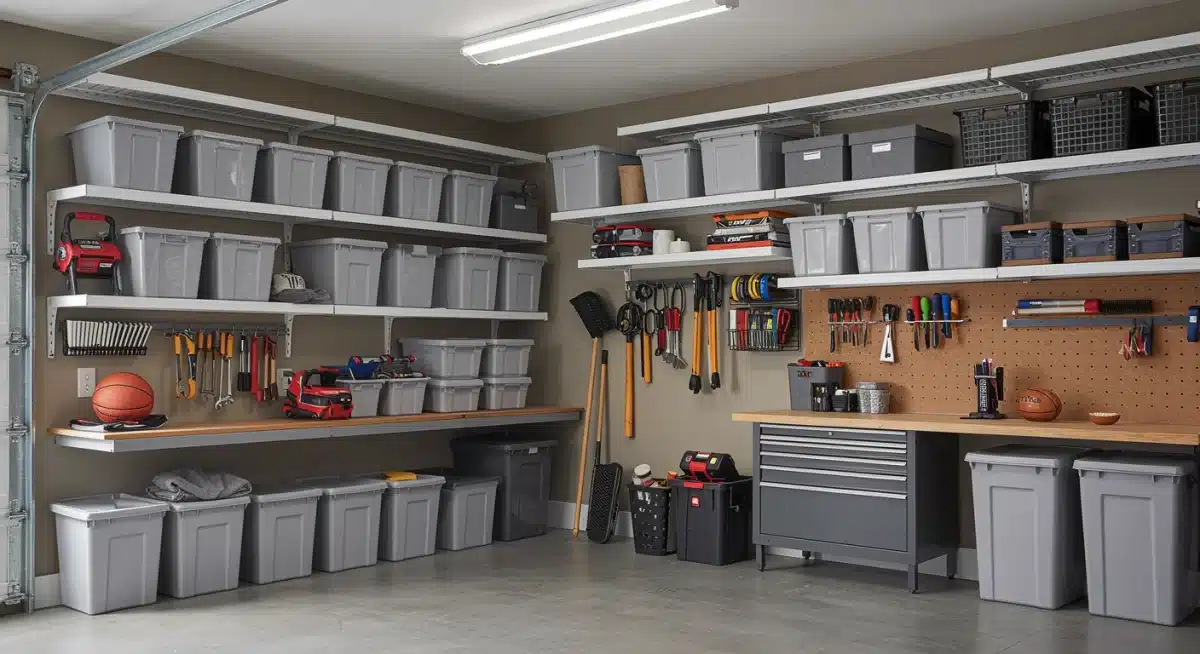

A well-planned garage doesn’t just look better—it functions better, saving you time, reducing stress, and making daily tasks easier.
Is your garage a chaotic catch-all where tools disappear, seasonal items pile up, and every search turns into a frustrating scavenger hunt?
You’re not alone. For many homeowners, the garage becomes a dumping ground for everything that doesn’t have a clear place indoors. Over time, clutter builds up, valuable floor space disappears, and the garage loses its purpose entirely.
Reclaiming your garage can be transformative. When organized properly, your garage becomes a highly functional extension of your home—whether you use it for storage, DIY projects, hobbies, fitness equipment, or simply parking your car.
Learning how to organize garage storage effectively can dramatically improve your home’s overall efficiency, eliminate wasted time searching for items, and even enhance safety by reducing tripping hazards and unstable stacks.
An organized garage also adds real value. Clean, well-structured garage spaces are increasingly attractive to buyers, making organization not just a lifestyle upgrade but a smart home investment.
More importantly, a logical layout ensures that every item has a designated place, allowing you to locate tools, sports gear, or seasonal décor up to 50% faster than before.
This comprehensive guide will walk you step by step through transforming your garage into an efficient, accessible, and easy-to-maintain space.
From decluttering strategies and storage solutions to layout planning and long-term maintenance habits, you’ll learn how to turn your garage into an organized system that works for your everyday life—not against it.
Smart shelving and cabinetry solutions
Shelving and cabinetry are fundamental components of an organized garage.
They provide structured storage for a wide array of items, from small parts to bulky equipment. Choosing the right type of shelving and cabinetry depends on what you need to store and your budget.
Heavy-duty steel shelving units are a popular choice due to their durability and load-bearing capacity. They are perfect for storing large bins, automotive fluids, and power tools.
Adjustable shelves offer flexibility, allowing you to reconfigure the spacing as your storage needs evolve. For a cleaner look and protection from dust, consider closed cabinetry.
Closed cabinets for a tidy appearance
Cabinets are excellent for keeping sensitive items protected and for maintaining a neat, uncluttered aesthetic. They hide away unsightly clutter, making your garage appear more organized.
Lockable options: Ideal for storing hazardous chemicals, valuable tools, or personal documents.
Variety of materials: Choose from metal, wood, or plastic, depending on your needs and garage environment.
Integrated workbenches: Some cabinet systems come with built-in workbenches, combining storage with a functional workspace.
When planning your shelving and cabinetry, consider the weight of the items you’ll be storing and choose units rated for that capacity.
Proper installation is key to safety and longevity. By integrating smart shelving and cabinetry, you create dedicated homes for all your belongings, which is essential for efficient retrieval and maintaining an organized garage.
Zoning your garage for optimal functionality
Just like rooms in a house, your garage can benefit from distinct zones dedicated to specific activities or types of storage.
Zoning helps streamline your organization efforts and ensures that related items are kept together, making them easier to find and use. This strategic approach to layout is critical for achieving that 50% faster item retrieval goal.
Start by identifying the primary functions of your garage. Do you use it for parking, a workshop, gardening, or sports equipment storage? Once you’ve determined these functions, designate specific areas for each.
For instance, a ‘workshop zone’ might include a workbench, tool storage, and easy access to frequently used materials. A ‘gardening zone’ could house all your lawn care tools, pots, and soil.
Common garage zones to consider
Creating clear zones will prevent items from migrating and becoming lost in a general pile. This structure brings order to what might otherwise be a chaotic space.
Parking zone: Keep this area clear for vehicles, ensuring easy entry and exit.
Tool zone: Centralize all hand tools, power tools, and hardware.
Gardening zone: Store lawnmowers, rakes, shovels, and gardening supplies together.
Sports/recreation zone: Consolidate bikes, balls, camping gear, and other leisure items.
Seasonal storage zone: Designate a spot for holiday decorations, winter tires, or other less frequently accessed items.
Proper zoning not only enhances functionality but also makes cleaning and maintenance much simpler.
By giving every item a home within its designated zone, you reduce clutter and improve the overall efficiency of your garage, ensuring you can quickly locate what you need.
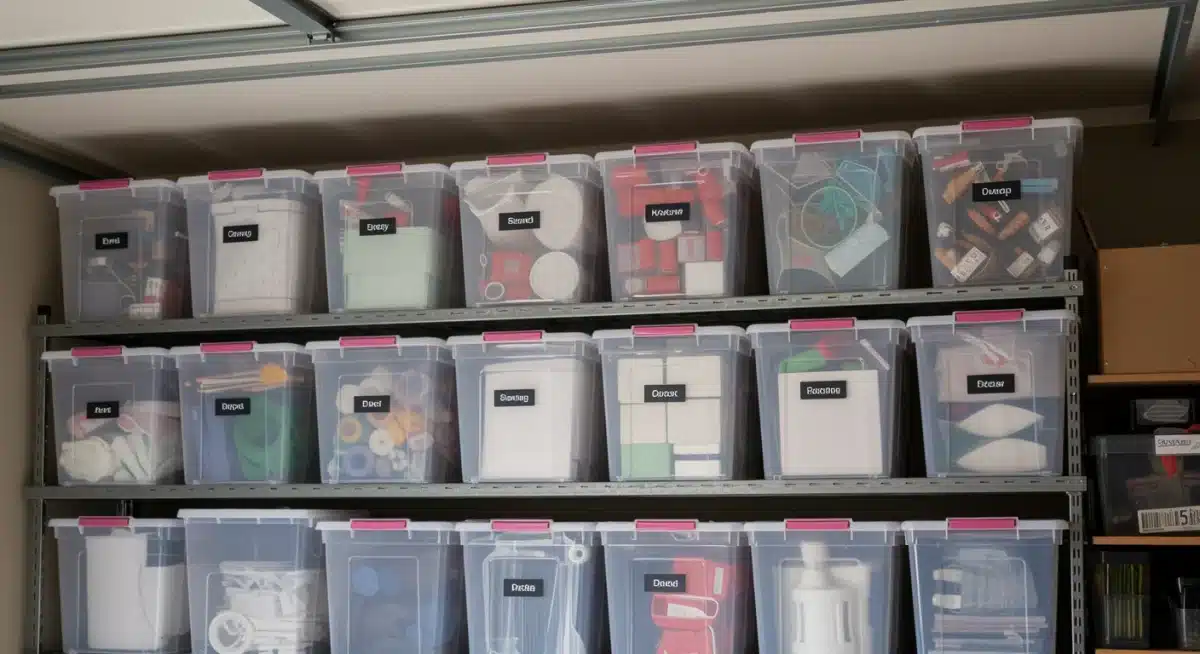
The power of labeling and transparent containers
Even the most meticulously organized garage can descend into chaos if you can’t remember where you put things.
This is where labeling and the strategic use of transparent containers become indispensable. These simple yet powerful techniques are key to finding items 50% faster and maintaining your organizational system over time.
Transparent storage bins allow you to see their contents at a glance, eliminating the need to open every container in search of a specific item.
They are particularly useful for storing smaller items or categories that might otherwise get lost. Pair these bins with clear, concise labels to ensure there’s no doubt about what’s inside.
Effective labeling strategies
Labels should be clear, easy to read, and consistently applied. Consider using a label maker for a professional and uniform look, or write clearly with a permanent marker.
Be specific with your labels; instead of just ‘Tools,’ try ‘Hand Tools – Plumbing’ or ‘Power Tool Accessories.’
Categorize first: Ensure items are properly categorized before labeling.
Specific descriptions: Use descriptive labels that clearly indicate contents.
Consistent placement: Place labels in a consistent spot on each container for quick scanning.
Update as needed: If contents change, update the label immediately to avoid confusion.
This combination of transparent containers and precise labeling transforms your garage from a guessing game into an intuitive storage system.
You’ll spend less time searching and more time doing, reinforcing the benefit of a truly organized garage.
Regular Maintenance and Organization Habits for a Functional Garage
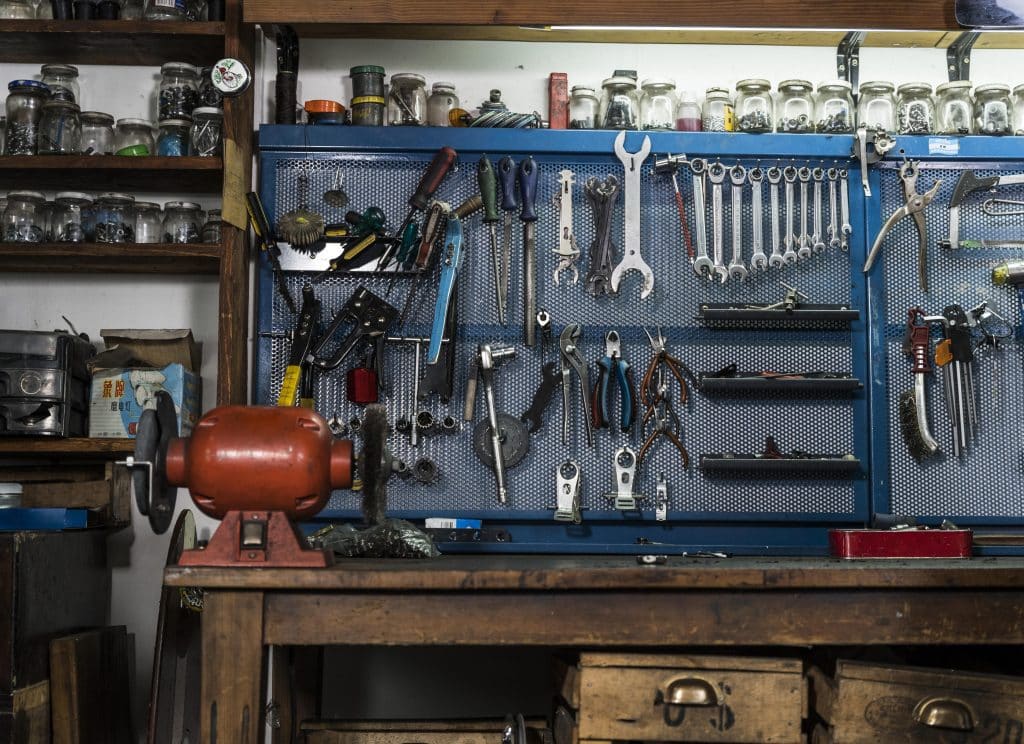
Creating an organized is a great achievement—but keeping it that way requires consistent maintenance and smart daily habits.
Without regular upkeep, even the most well-designed garage organization systems can slowly fall apart, leading to clutter, wasted space, and frustration. Establishing simple routines helps ensure your garage remains a functional, efficient, and stress-free extension of your home.
Think of garage organization as an ongoing process rather than a one-time project. Items constantly move in and out of the garage—tools, sports equipment, seasonal décor, and household supplies—so it’s essential to revisit your setup regularly.
Scheduling small, intentional check-ins allows you to stay ahead of clutter instead of reacting to it later.
Seasonal or quarterly mini-decluttering sessions are especially effective for maintaining an organized garage.
These short sessions help you reassess what you’re storing, remove unused items, and reorganize spaces that may have started to feel chaotic. By addressing clutter early, you prevent your garage from becoming overwhelming or turning into a catch-all storage area.
Simple Garage Habits for Long-Term Organization
Maintaining a clean and organized garage doesn’t require hours of effort. Small, consistent habits can make a significant difference over time and help preserve your storage systems.
One in, one out rule:
Whenever you bring a new item into the garage—such as a tool, piece of equipment, or storage bin—consider removing or donating an old or unused item. This keeps your garage from gradually filling up.
Put items away immediately:
After using tools, cleaning supplies, or outdoor gear, return them to their designated storage spots right away. This habit prevents clutter from piling up and keeps your garage functional at all times.
Weekly quick reset:
Spend just 5–10 minutes once a week doing a quick garage reset. Return misplaced items, straighten shelves, and clear walkways. These short sessions prevent messes from snowballing.
Annual garage review:
Once a year, conduct a deeper garage review. Declutter thoroughly, clean surfaces, inspect storage systems, and reassess whether your current layout still fits your needs. This is also a great time to upgrade hooks, shelving, or bins if necessary.
By adopting these practical garage maintenance habits, you protect your organization efforts and ensure your garage stays clean, accessible, and easy to use year-round. Consistency—not perfection—is the key to long-lasting garage organization success.
A consistently organized garage not only saves you time and frustration but also enhances the overall functionality and enjoyment of your home.
| Key Strategy | Brief Description |
|---|---|
| Declutter & Purge | Remove unnecessary items to create a clean slate for organization. |
| Vertical Storage | Utilize walls and ceilings with shelves, pegboards, and overhead racks. |
| Zoning & Labeling | Create dedicated areas and label containers for quick item retrieval. |
| Maintain Habits | Regular tidying and reviews prevent clutter accumulation over time. |
Frequently asked questions about garage organization
The most effective approach is to start by decluttering everything. Take all items out, sort them into categories (keep, donate, trash), and be ruthless about what stays.
This creates a clean slate and allows you to clearly see the available space and items you need to store.
For small garages, maximizing vertical space is crucial. Utilize wall-mounted shelving, pegboards, slat walls, and overhead storage racks.
Think upwards! Also, consider compact, multi-functional storage solutions and keep only essential items in the garage to prevent overcrowding.
Heavy-duty, clear plastic bins with secure lids are excellent for visibility and protecting contents from dust and pests.
For smaller items, use drawers or labeled opaque bins. Metal shelving and cabinets are ideal for larger, heavier tools and supplies, offering durability and strength.
It’s best to perform a quick tidy-up weekly or bi-weekly, putting items back in their designated spots. A more thorough mini-decluttering session every few months and an annual deep clean and re-evaluation will help maintain the system and prevent clutter from accumulating.
Absolutely. By implementing clear zones, using labels, maximizing vertical storage, and maintaining a consistent system, you eliminate wasted time searching. Everything has a home, and you know exactly where to look, significantly reducing search time and boosting efficiency.
Conclusion
Transforming your garage from a cluttered abyss into an organized, functional space is a rewarding endeavor that significantly enhances your home life.
By systematically decluttering, leveraging vertical space, implementing smart shelving and cabinetry, zoning for functionality, and embracing the power of labeling, you create an environment where everything is accessible.
The commitment to regular maintenance is key to sustaining this order, ensuring that you can consistently find items 50% faster. An organized garage isn’t just about tidiness; it’s about reclaiming time, reducing stress, and maximizing the utility of a vital part of your home.