Small Space Organization: 5 DIY Storage Hacks
 Discover how to transform even the most compact living area with practical and creative strategies for small space organization. As homes, apartments, and multifunctional rooms continue to evolve in 2026, making the most of every available inch has become more important than ever.
The right storage solutions can help you reduce visual clutter, improve functionality, and create a home that feels more spacious without requiring expensive renovations or additional square footage.
Effective small space organization is not simply about finding places to hide your belongings. It involves using walls, corners, doors, furniture, and overlooked areas in smarter ways. With a little creativity and a DIY approach, unused spaces can become valuable storage zones that keep everyday essentials accessible while maintaining a clean and comfortable environment.
In this guide, you’ll discover five innovative DIY storage hacks designed specifically for smaller homes and rooms. From maximizing vertical wall space and creating hidden storage to choosing multifunctional furniture and making better use of neglected areas, these projects can help you organize your home without overwhelming your budget.
One of the biggest advantages of DIY small space organization is flexibility. Instead of relying on one-size-fits-all storage systems, you can customize shelves, organizers, containers, and furniture to match the dimensions and needs of your space. This is especially useful in apartments, bedrooms, kitchens, bathrooms, home offices, and other areas where traditional storage options may be limited.
By combining thoughtful planning with simple DIY solutions, you can create a home where nearly every corner serves a purpose. Whether you’re trying to organize a tiny apartment or simply reclaim cluttered areas of a larger home, these five storage hacks offer practical inspiration for creating a more efficient, organized, and enjoyable living environment in 2026.
Are you tired of feeling cramped in your own home? Does the thought of finding a place for everything seem like an impossible dream? In today’s dynamic living environments, especially in bustling areas across the United States, mastering small space organization is not just a trend; it’s a necessity. This article will guide you through five ingenious DIY storage hacks designed to transform any home, making every square foot count and ensuring a more serene, functional living space by 2026.
Embracing Vertical Space: The Unsung Hero of Small Homes
When floor space is at a premium, the only way to go is up. Vertical storage is often overlooked but offers immense potential for decluttering and organizing. By utilizing walls and tall furniture, you can free up valuable floor area, making your room feel larger and more open. This approach is not just about adding shelves; it’s about reimagining how every vertical surface can serve a purpose.
Floating Shelves and Wall-Mounted Units
Floating shelves are a minimalist’s dream, providing storage without the bulk of traditional bookcases. They blend seamlessly into any decor, offering a perfect spot for books, decorative items, or even kitchen essentials. Wall-mounted units, on the other hand, can provide more enclosed storage, ideal for hiding away clutter.
Easy Installation: Most floating shelves come with straightforward mounting hardware.
Customizable Layouts: Arrange shelves in patterns that suit your aesthetic and storage needs.
Versatile Use: Perfect for living rooms, bedrooms, kitchens, and even bathrooms.
Consider the weight capacity of your walls and shelves, especially if you plan to store heavier items. Strategically placed shelves can transform an empty wall into a functional and attractive display area. Don’t underestimate the power of a well-placed set of shelves to elevate both the style and utility of a compact room.
Multi-functional Furniture: Smart Choices for Compact Living
In a small home, every piece of furniture should earn its place. Multi-functional furniture is designed to perform two or more jobs, making it one of the most effective strategies for small space organization. Instead of filling a room with separate pieces for seating, storage, sleeping, and working, homeowners can choose versatile furniture that combines several functions into a single compact design.
For example, an ottoman with hidden storage can provide extra seating, serve as a footrest, and store blankets, books, toys, or seasonal items. A storage bench can offer comfortable seating while keeping shoes, bags, and household accessories neatly hidden. Similarly, a bed with built-in drawers can eliminate the need for a bulky dresser, freeing valuable floor space and making the bedroom feel more open.
Convertible furniture can take this idea even further. A fold-down desk can transform an empty wall into a functional workspace and disappear when the workday is over. Expandable dining tables can remain compact for everyday use but provide additional seating when guests arrive. Sofa beds and daybeds can allow a living room or home office to double as a comfortable guest room without requiring a permanent extra bed.
This approach is especially valuable for apartments, studios, tiny homes, and multifunctional rooms. When square footage is limited, reducing the total number of furniture pieces can improve movement throughout the home and prevent rooms from feeling overcrowded. Thoughtful furniture choices can therefore make small space organization easier while also improving the overall appearance and functionality of your living environment.
Look for Hidden Storage Opportunities
Storage does not always have to be immediately visible. One of the smartest ways to improve small space organization is to select furniture with concealed compartments. Coffee tables with lift-up tops, hollow benches, storage stools, platform beds, and side tables with drawers can keep everyday belongings close at hand without leaving them exposed.
You can also upgrade furniture you already own. Adding baskets underneath an open console table, installing drawers beneath a bed, attaching hooks to the side of a cabinet, or placing storage bins under a bench can create additional organization without purchasing entirely new furniture.
When choosing containers for these areas, measure the available space carefully. Storage bins that fit properly underneath furniture can take advantage of otherwise wasted areas while maintaining a clean, intentional appearance.
Think Vertically as Well as Horizontally
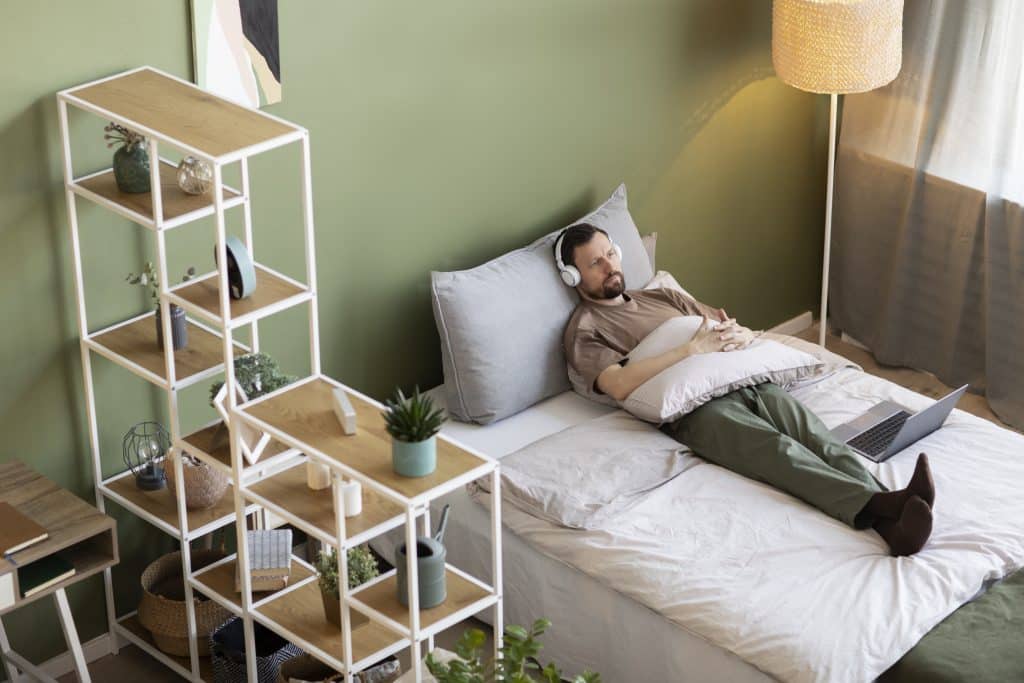
Multi-functional furniture does not have to use only floor-level storage. Tall shelving units, bookcases with cabinets, and wall-mounted desks can take advantage of vertical space while preserving valuable walking areas. A tall bookcase, for example, might store books on the upper shelves, decorative items in the middle, and baskets containing everyday essentials near the bottom.
Using vertical storage is particularly effective because it directs organization upward rather than outward. This can make a compact room feel less crowded while increasing the amount of usable storage available.
Choose Furniture Based on Your Daily Routine
Successful small space organization begins with understanding how you actually use your home. Before purchasing or building multi-functional furniture, consider which activities take up the most space and where clutter tends to accumulate.
If you frequently work from home, a folding or convertible workstation might provide the greatest benefit. If shoes and bags constantly collect near the entrance, a storage bench with hooks above it could create an organized drop zone. In a small bedroom, under-bed storage may be more useful than adding another cabinet or shelving unit.
The goal is not simply to purchase furniture with extra features. Each piece should solve a specific organizational problem while supporting the way you live.
By choosing furniture that combines storage, comfort, and functionality, you can significantly increase the usefulness of a small room without adding unnecessary clutter. This thoughtful approach turns furniture into an important part of your organizational system, helping create a home that feels more spacious, efficient, and comfortable even when square footage is limited.
Ottomans with Hidden Storage and Sofa Beds
An ottoman with hidden storage is a perfect example of form meeting function. It provides extra seating, a footrest, and a discreet place to tuck away blankets, magazines, or remote controls. Sofa beds, while a classic, have evolved into stylish pieces that offer comfortable seating by day and a convenient guest bed by night, making them indispensable for small apartments.
Beyond these common examples, consider coffee tables that lift to reveal storage, or dining tables that fold down from the wall. The goal is to select pieces that adapt to your daily needs, reducing the total amount of furniture required and maintaining an open feel. Investing in well-designed multi-functional items can be a game-changer for small space organization.
When choosing multi-functional furniture, think about your primary needs. Do you often have guests but lack a dedicated guest room? A sofa bed is ideal. Do you need more storage for living room essentials? An ottoman with storage can solve that. These pieces are not just space-savers; they are strategic investments in a more organized and flexible home environment.
Under-Bed Storage Solutions: Maximizing Unused Space
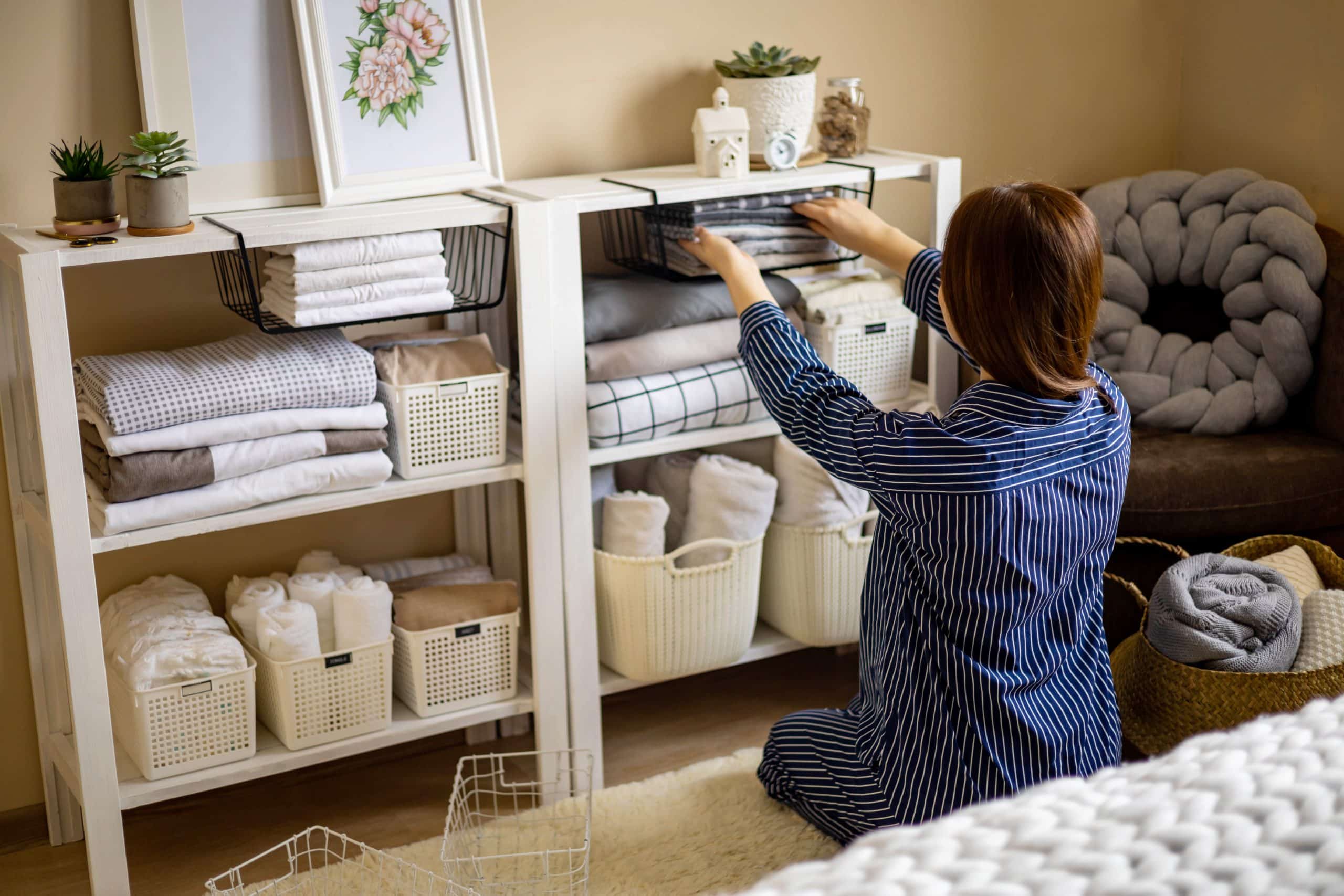
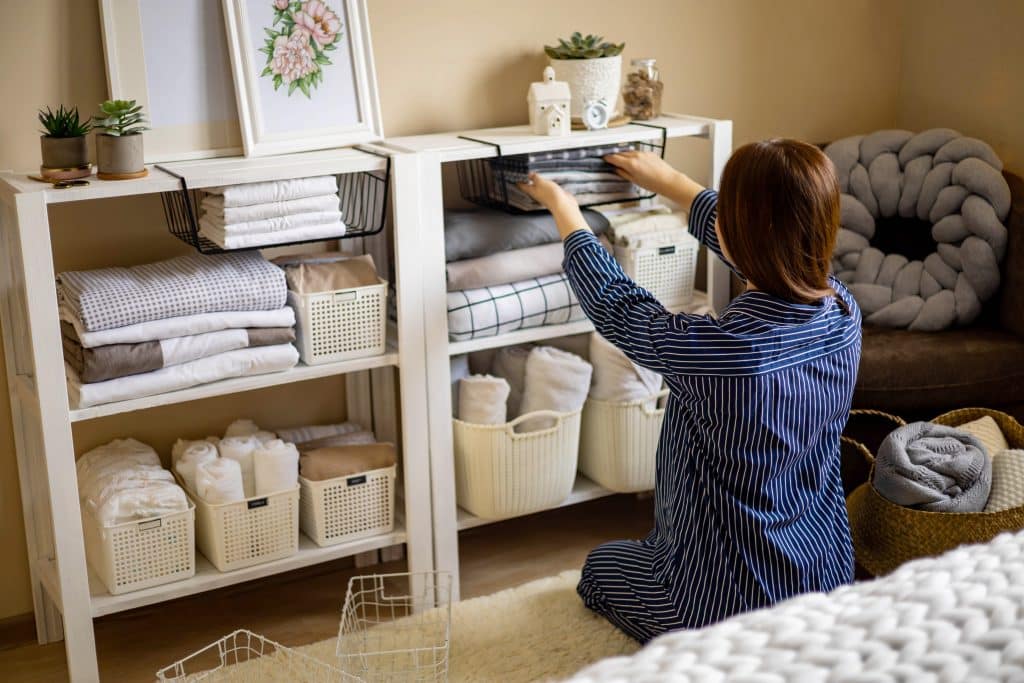
The area beneath your bed is often a forgotten frontier in the quest for organization. Yet, it represents a significant amount of untapped storage potential. Utilizing this space effectively can free up dresser drawers and closet shelves, making it a critical component of successful small space organization. From simple bins to elaborate drawer systems, there are numerous ways to capitalize on this hidden gem.
DIY Rolling Storage Bins
For a cost-effective and customizable solution, consider building your own rolling storage bins. These can be made from plywood or even sturdy crates fitted with small wheels. They slide easily under the bed, providing accessible storage for seasonal clothing, extra linens, or rarely used items. This DIY approach allows you to tailor the size and design to perfectly fit your space.
Material Versatility: Use wood, plastic, or even fabric-covered cardboard boxes.
Mobility: Wheels make it easy to access contents without heavy lifting.
Dust Protection: Add lids to keep items clean and protected from dust accumulation.
Beyond rolling bins, specialized bed frames with built-in drawers are an excellent long-term investment. If a new bed frame isn’t in the budget, vacuum-seal bags can compress bulky items like winter coats or extra bedding, making them easier to store under a standard bed.
The key is to think about what you need to store and how often you’ll need to access it, then choose the most practical solution for your under-bed area.
Decluttering and Purging: The Foundation of Any Organized Home
Before any storage solution can be truly effective, a thorough decluttering process is essential. You cannot organize clutter; you can only move it around. This foundational step is often the most challenging but also the most rewarding aspect of small space organization. A minimalist mindset, even if you don’t fully adopt the lifestyle, can significantly improve your living environment.
The ‘One Year Rule’ and Digital Decluttering
A popular decluttering strategy is the ‘one year rule’: if you haven’t used an item in a year, it’s probably time to let it go. This applies to clothing, kitchen gadgets, books, and decorative items. Beyond physical items, remember to declutter your digital life as well. An organized digital space can reduce mental clutter and improve overall efficiency, indirectly contributing to a more organized physical home.
Start with one small area, like a single drawer or a shelf, to avoid feeling overwhelmed. Create three piles: keep, donate/sell, and discard. Be honest with yourself about what you truly need and use. Letting go of items can be liberating, creating both physical and mental space.
Remember, every item you keep requires space, and in a small home, space is a precious commodity. Regular decluttering ensures your storage solutions remain effective and your home stays tidy.
Smart Kitchen Storage: Maximizing Functionality in Small Kitchens
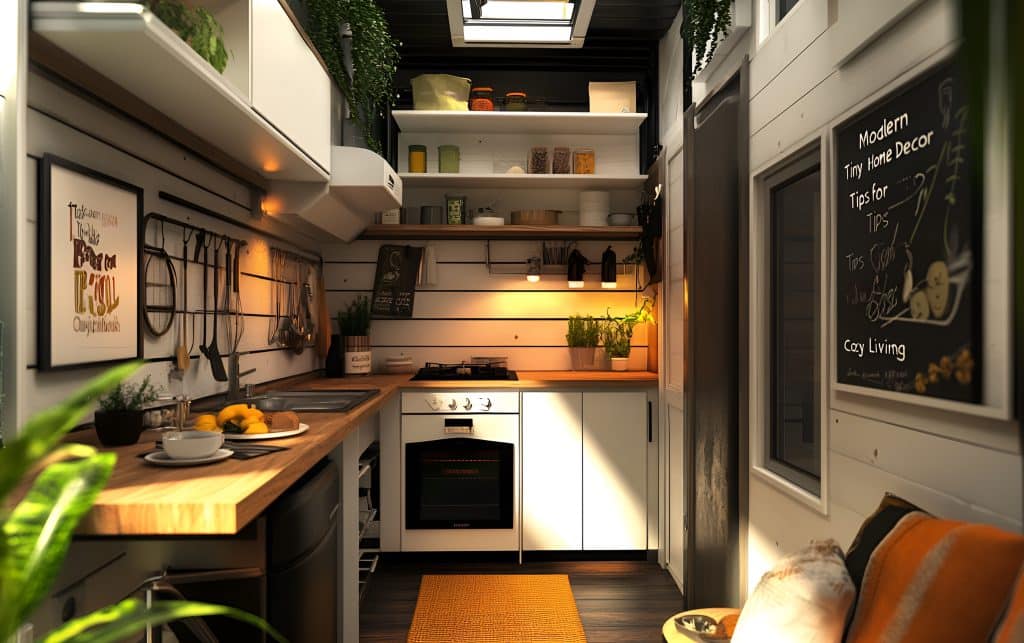
Kitchens, regardless of size, are often hubs of activity and can quickly become overwhelmed with appliances, utensils, and pantry items. Effective kitchen storage is crucial for maintaining a functional and enjoyable cooking space, especially in smaller homes. This involves creative use of existing cabinets, drawers, and even wall space to make every inch count.
Utilizing Cabinet Organizers and Drawer Dividers
Cabinet organizers, such as tiered shelves, pull-out drawers, and lazy Susans, can drastically improve the accessibility and capacity of your kitchen cabinets. Drawer dividers keep utensils and gadgets neatly separated, preventing a jumbled mess. These simple additions can transform chaotic spaces into highly efficient storage zones, making cooking and meal prep much more pleasant.
Spice Racks: Wall-mounted or inside-cabinet spice racks save counter and drawer space.
Pot and Pan Organizers: Vertical racks prevent stacking, making pots and pans easy to access.
Clear Containers: Store dry goods in clear, airtight containers to keep food fresh and visible.
Don’t forget the back of cabinet doors for hooks to hang measuring cups or small cutting boards. Magnetic knife strips save drawer space and keep knives safely within reach. Even a small kitchen can be highly functional with thoughtful organization.
The key is to assess what you have, what you use most frequently, and how you can store it in the most accessible and space-saving way. Implementing these strategies will elevate your small space organization in the kitchen dramatically.
DIY Entryway Solutions: Creating a Welcoming and Organized First Impression
The entryway often sets the tone for your entire home. In small homes, this area can quickly become a dumping ground for shoes, coats, bags, and keys, leading to a cluttered and unwelcoming first impression. Creating smart, DIY entryway solutions is essential for maintaining order and ensuring a smooth transition into and out of your living space. Even without a formal foyer, creative hacks can define this critical zone.
Wall-Mounted Coat Racks and Shoe Organizers
A simple wall-mounted coat rack with hooks can manage outerwear and bags without taking up floor space. Pair it with a slim, wall-mounted shoe organizer or a small bench with integrated shoe storage to keep footwear neatly contained. These solutions prevent items from piling up and create a designated spot for everything, reinforcing good organizational habits from the moment you step inside.
Key Holders: Add a small shelf or hooks specifically for keys and mail.
Mirror Integration: A mirror can make a small entryway feel larger and brighter.
Small Bins: Use decorative bins for gloves, hats, or other small items.
Consider a narrow console table if space allows, which can serve as a drop zone for essentials. The goal is to create a functional and aesthetically pleasing entryway that helps you stay organized and provides a warm welcome. These DIY hacks are not just about storage; they’re about creating a system that supports a clutter-free lifestyle and enhances the overall flow of your small home.
| Key Hack | Brief Description |
|---|---|
| Vertical Space | Utilize walls with floating shelves and wall-mounted units to free up floor space. |
| Multi-functional Furniture | Choose items like storage ottomans or sofa beds that serve multiple purposes. |
| Under-Bed Storage | Implement DIY rolling bins or specialized frames to maximize hidden space. |
| Kitchen Optimization | Use cabinet organizers, drawer dividers, and clear containers for efficiency. |
Frequently Asked Questions About Small Space Organization
The most effective first step is always decluttering. Before you can organize, you need to assess what you truly need and use. Get rid of items that no longer serve a purpose or bring you joy, creating a clean slate for implementing storage solutions.
To make small rooms feel larger, focus on vertical storage, use multi-functional furniture, and choose light colors for walls and decor. Incorporate mirrors to reflect light and create an illusion of depth, and keep pathways clear to improve flow.
Yes, DIY storage solutions can be highly effective. They allow for customization to fit unique spaces and specific needs, often at a lower cost than store-bought alternatives. This personalization ensures maximum efficiency and integration with your existing decor.
Avoid buying storage solutions before decluttering, over-stuffing existing storage, and neglecting vertical space. Also, don’t try to organize everything at once; tackle one area at a time to prevent feeling overwhelmed and ensure sustainable habits.
To maintain organization, establish a ‘one in, one out’ rule for new purchases, schedule regular mini-decluttering sessions, and ensure every item has a designated home. Consistency and mindful consumption are key to preventing clutter from accumulating again.
Conclusion
Achieving effective small space organization is an ongoing journey that combines smart planning, creative DIY solutions, and a commitment to decluttering. By embracing vertical storage, investing in multi-functional furniture, maximizing under-bed areas, optimizing kitchen storage, and creating welcoming entryways, you can transform any compact dwelling into a highly functional and aesthetically pleasing home.
These hacks not only save space but also enhance your daily living experience, proving that a smaller footprint doesn’t mean sacrificing comfort or style. Implement these strategies, and by 2026, you’ll be enjoying a beautifully organized and stress-free living environment.