Social Media’s Mental Health Impact: Balanced Approach

The impact of social media on mental health is a growing concern, necessitating a balanced and mindful approach to digital interaction to foster well-being and mitigate negative effects.
Have you ever scrolled through your social media feed and felt a pang of inadequacy or anxiety? You’re not alone. The ever-present nature of platforms like Instagram, Facebook, and TikTok has reshaped our daily lives, and understanding the impact of social media on mental health: strategies for a balanced approach is more crucial than ever. This exploration delves into how digital landscapes affect our minds and offers practical ways to navigate them for better well-being.
the double-edged sword: understanding social media’s influence
Social media, while offering unprecedented connectivity, presents a complex challenge to our mental well-being. It’s a tool that can enrich lives through community and information, but it also harbors potential for profound negative effects if not managed carefully. Recognizing this dual nature is the first step toward a healthier relationship with our digital lives.
the allure of connection and community
At its core, social media promises connection. It allows individuals to maintain relationships across distances, reconnect with old friends, and find communities based on shared interests. For many, these platforms are vital for feeling less isolated, especially for those with niche interests or physical limitations that might hinder in-person interactions.
- Bridging distances: Social media enables effortless communication with loved ones far away.
- Support networks: Online groups provide a sense of belonging and support for various challenges.
- Information access: Platforms serve as immediate sources for news, events, and diverse perspectives.
- Creative expression: Users can share their talents, ideas, and experiences with a global audience.
the darker side: comparison and anxiety
Despite its benefits, social media often fosters environments ripe for comparison, leading to feelings of inadequacy and anxiety. The curated, often idealized, lives presented online can create unrealistic expectations, making users feel as though their own lives fall short. This constant exposure to seemingly perfect existences can erode self-esteem and contribute to a persistent sense of not being good enough.
The fear of missing out (FOMO) is another prevalent issue, fueled by endless updates of friends’ activities and achievements. This sensation can lead to compulsive checking and an inability to fully engage with present, real-world experiences. The constant need for validation through likes and comments also creates a precarious form of self-worth, making individuals vulnerable to emotional swings based on digital reception.
Understanding both the positive and negative aspects of social media is crucial for developing a balanced perspective. It’s not about demonizing the platforms entirely, but rather acknowledging their pervasive influence on our emotional and psychological states. This awareness empowers us to approach our digital interactions with greater intentionality and self-preservation.
the psychological toll: anxiety, depression, and self-esteem
The prolonged and often uncritical use of social media can exact a significant psychological toll. Studies increasingly link heavy social media engagement to heightened risks of anxiety, depression, and diminished self-esteem. This isn’t a mere coincidence; the very design of these platforms, coupled with human psychology, creates a fertile ground for these mental health challenges to flourish.
the relentless pursuit of perfection
Social media feeds are often highlight reels, showcasing only the best moments, achievements, and appearances. This creates a distorted reality where everyone else seems perpetually happy, successful, and attractive. For the viewer, this can lead to an insidious cycle of comparison, where their own ordinary life feels inadequate against a backdrop of manufactured perfection. This constant upward comparison is a significant contributor to feelings of anxiety and depression, as individuals strive for an unattainable ideal.
- Idealized self-presentation: Users selectively share positive aspects, creating an illusion of flawlessness.
- Body image issues: Exposure to heavily filtered images can negatively impact self-perception.
- Perceived social pressure: The feeling of needing to keep up with peers’ online personas.
the impact on sleep and focus
Beyond direct emotional effects, social media use, particularly before bedtime, can severely disrupt sleep patterns. The blue light emitted from screens interferes with melatonin production, making it harder to fall asleep. Furthermore, the constant stream of notifications and the addictive nature of scrolling can lead to a fragmented attention span, making it difficult to concentrate on tasks requiring sustained focus. This chronic sleep deprivation and reduced cognitive function further exacerbate mental health vulnerabilities.
The psychological toll of social media is not uniform; individual resilience and existing mental health conditions play a role. However, the widespread nature of these platforms means that a significant portion of the population is exposed to these potential stressors. Recognizing these specific impacts is vital for developing targeted coping mechanisms and fostering healthier digital habits. The insidious nature of these effects often means they accumulate gradually, making it difficult for individuals to pinpoint the exact source of their distress without conscious reflection.
cultivating digital mindfulness: a conscious approach
In a world where disconnecting entirely seems impractical, cultivating digital mindfulness offers a powerful strategy. This involves a conscious, intentional approach to how and why we engage with social media, moving away from passive consumption towards active, purposeful interaction. It’s about taking back control from the algorithms and reclaiming our attention.
setting boundaries and time limits
One of the most effective ways to practice digital mindfulness is by establishing clear boundaries. This could mean designating ‘no-phone zones’ in your home, like the bedroom or dining table, or setting specific times for checking social media. Many smartphones and third-party apps offer tools to monitor and limit screen time, providing valuable insights into usage patterns and helping to enforce self-imposed restrictions.
- Designate tech-free zones: Create physical spaces where screens are not allowed.
- Utilize screen time trackers: Monitor usage to identify habits and set limits.
- Schedule specific check-in times: Avoid reactive scrolling throughout the day.
curating your feed for positivity
The content we consume directly influences our mood and mindset. A mindful approach involves actively curating your social media feed to prioritize positive, inspiring, and informative content. This means unfollowing accounts that trigger negative emotions, comparison, or anxiety, and seeking out creators and communities that uplift and educate. Think of your feed as a garden; you wouldn’t let weeds overrun it, so why allow negative content to dominate your digital space?
Practicing digital mindfulness is an ongoing process that requires self-awareness and consistent effort. It’s about making deliberate choices about where and how we invest our digital energy. By doing so, we can transform social media from a source of stress into a tool that genuinely serves our well-being, rather than dictating it. This proactive stance empowers individuals to shape their online experience to be more beneficial and less detrimental to their mental health.
strategies for a balanced approach: practical tips
Achieving a balanced relationship with social media isn’t about quitting cold turkey, but rather integrating healthy habits into your daily routine. These strategies aim to mitigate the negative impacts while still allowing you to benefit from the positive aspects of online connectivity. It requires intentionality and a willingness to experiment with what works best for you.

prioritizing real-world connections
One of the most powerful antidotes to social media’s potential downsides is investing in real-world relationships. Make an effort to connect with friends and family in person, over the phone, or through video calls. These genuine interactions provide a depth of connection and emotional support that digital interactions often cannot replicate. Scheduling regular meet-ups or engaging in shared activities can significantly boost your mood and sense of belonging.
Actively nurturing these offline bonds helps to ground you and reminds you of the richness of life beyond the screen. It also provides a buffer against the feelings of loneliness or inadequacy that can sometimes arise from online comparisons.
engaging in digital detoxes
Regularly stepping away from social media, even for short periods, can be incredibly beneficial. A ‘digital detox’ might involve a day, a weekend, or even just a few hours where you intentionally disconnect from all social platforms. Use this time to engage in hobbies, spend time outdoors, read a book, or simply relax without the constant pull of notifications.
- Weekend breaks: Dedicate entire weekends to being offline.
- Evening shutdowns: Turn off social media notifications after a certain hour.
- Vacation disconnects: Fully immerse yourself in your travels without constant posting.
- Mindful breaks: Take short, intentional breaks during the day to clear your mind.
practicing mindful scrolling
Instead of mindlessly scrolling, try practicing mindful scrolling. Before you open a social media app, ask yourself: Why am I doing this? What do I hope to gain? During your session, pay attention to how certain content makes you feel. If you notice negative emotions arising, consider closing the app or engaging with different content. This conscious awareness helps you to identify triggers and make healthier choices about your consumption.
By implementing these practical strategies, you can begin to reshape your relationship with social media. It’s about finding a personal balance that supports your mental health, rather than detracting from it. Remember, these are not one-size-fits-all solutions; experimentation and self-reflection are key to discovering what works best for your unique needs and lifestyle.
recognizing the warning signs: when to seek help
While developing personal strategies for a balanced approach is crucial, it’s equally important to recognize when the impact of social media on mental health has become severe enough to warrant professional intervention. Ignoring persistent negative feelings or behavioral changes related to social media can have long-term consequences for well-being. Knowing the warning signs empowers individuals to seek help before issues escalate.
persistent negative emotions
One of the clearest indicators that social media is negatively affecting your mental health is a consistent pattern of negative emotions after engaging with it. This might include feelings of intense sadness, anxiety, anger, or hopelessness. If you frequently feel worse about yourself, your life, or your future after spending time online, it’s a significant red flag. These feelings often persist even after you’ve closed the app, impacting your mood throughout the day.
- Increased irritability: Feeling easily annoyed or frustrated after online interactions.
- Heightened self-consciousness: Constantly worrying about how you appear to others online.
- Loss of joy in other activities: Finding less pleasure in hobbies or real-world interactions.
behavioral changes and functional impairment
Beyond emotional shifts, observe any changes in your daily behavior or ability to function. Are you neglecting responsibilities at work or school because of social media use? Are your sleep patterns severely disrupted? Is your social media use causing conflict in your relationships? These are all signs that your digital habits are interfering with important aspects of your life. Difficulty cutting back on usage, despite wanting to, is also a strong indicator of problematic engagement.
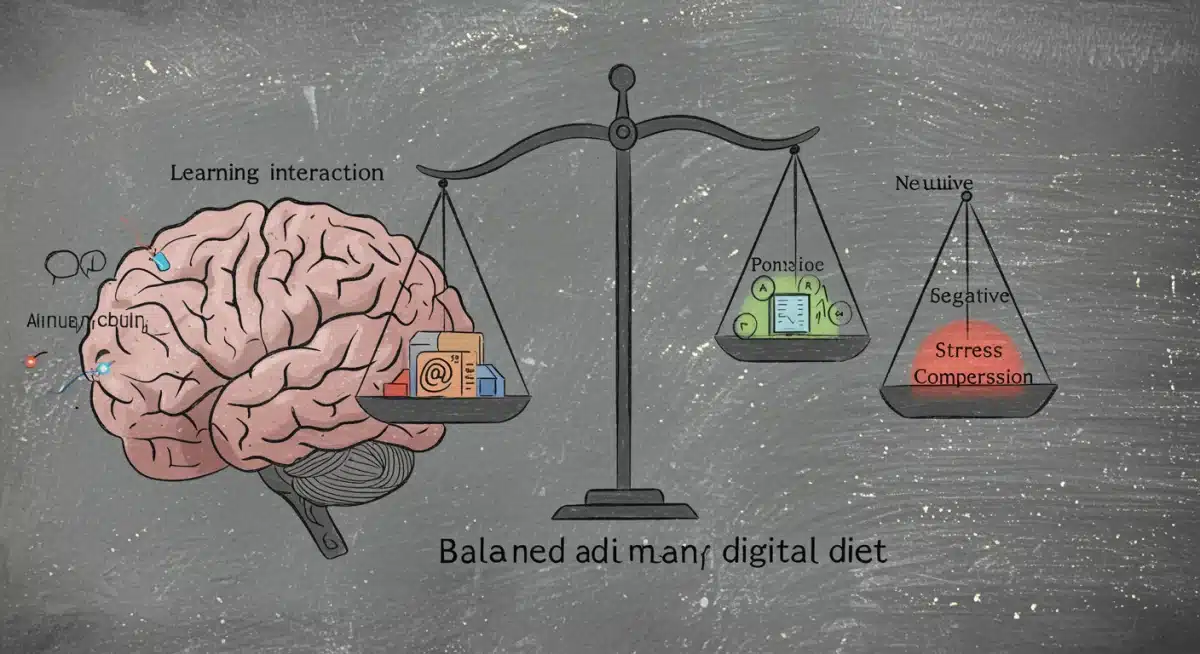
If you or someone you know is experiencing these warning signs, reaching out to a mental health professional is a vital step. Therapists, counselors, and doctors can provide tailored support, coping strategies, and, if necessary, medical interventions to address the underlying issues. Remember, seeking help is a sign of strength, not weakness, and there are resources available to guide you toward a healthier digital and mental life. Early intervention can prevent these issues from becoming more entrenched and difficult to manage.
parental guidance: protecting younger generations
The younger generations, often referred to as digital natives, are particularly vulnerable to the negative impacts of social media on mental health. Their developing brains are more susceptible to influence, and their sense of self-worth is often heavily tied to peer validation, which social media can amplify immensely. Therefore, active parental guidance and education are paramount to fostering healthy digital habits from a young age.
establishing clear rules and expectations
Parents play a critical role in setting boundaries for social media use. This includes establishing age-appropriate access, setting daily time limits, and defining ‘no-phone’ zones or times, such as during meals or before bedtime. Openly communicating these rules and the reasons behind them helps children understand the importance of moderation and encourages their cooperation. It’s not just about restriction, but about teaching responsible digital citizenship.
- Age restrictions: Adhere to platform age guidelines and discuss why they exist.
- Consistent time limits: Implement daily or weekly screen time caps.
- Device-free zones: Designate areas where phones and tablets are not allowed.
fostering open communication and media literacy
Beyond rules, fostering an environment of open communication is essential. Encourage children to talk about their online experiences, both positive and negative. Discuss the realities of online content, emphasizing that what they see is often curated and not a full reflection of reality. Teaching media literacy—the ability to critically evaluate information and content—equips them with the skills to navigate the digital world more safely and discern between genuine and misleading information.
Parents should also model healthy social media habits themselves. Children often learn by example, so demonstrating a balanced approach to digital use can be more impactful than any rule. By actively engaging in these protective measures, parents can significantly reduce the risks associated with social media and help their children develop a resilient and balanced relationship with technology, safeguarding their mental health in the long run. This proactive engagement helps children develop the critical thinking necessary to thrive in a digital age.
the role of platforms: ethical design and user well-being
While individual strategies and parental guidance are vital, the responsibility for mitigating the negative impact of social media on mental health also extends to the platforms themselves. A growing consensus suggests that social media companies have an ethical obligation to design their products with user well-being, rather than just engagement, as a core priority. This shift requires a re-evaluation of current design philosophies and a commitment to implementing features that promote healthier usage patterns.
prioritizing well-being over engagement metrics
Historically, social media platforms have been optimized for maximum user engagement, often through addictive design elements like infinite scrolling, intermittent variable rewards (likes and notifications), and algorithms that push emotionally charged content. A transition towards ethical design would mean prioritizing metrics related to user well-being, such as time spent in meaningful interactions or reported mood after use, over mere screen time or ad impressions.
- Redesigning notification systems: Reducing the frequency and urgency of alerts.
- Implementing ‘nudges’ for breaks: Prompting users to take pauses from scrolling.
- Promoting positive content: Adjusting algorithms to favor uplifting and informative posts.
transparency and user control
Platforms can empower users by offering greater transparency about how algorithms work and providing more robust tools for content control. This could include easier ways to curate feeds, filter out triggering content, and understand the data being collected about their usage. Giving users more agency over their online experience can reduce feelings of being manipulated and foster a sense of control, which is beneficial for mental health.
The integration of mental health resources directly within platforms, such as links to support services or self-assessment tools, also represents a step towards greater corporate responsibility. Ultimately, the future of social media should involve a collaborative effort between users, parents, and platforms to create a digital environment that is not only engaging but also genuinely supportive of mental well-being. This commitment to ethical design is not just a moral imperative but also a sustainable business practice, as users increasingly demand healthier online spaces.
| Key Aspect | Brief Description |
|---|---|
| Comparison Trap | Idealized online lives lead to anxiety and low self-esteem from constant comparison. |
| Digital Mindfulness | Conscious social media use through boundaries and feed curation for well-being. |
| Real-World Connections | Prioritizing offline interactions to counter online isolation and foster genuine support. |
| Ethical Platform Design | Platforms should prioritize user well-being over engagement through responsible design. |
frequently asked questions about social media and mental health
Social media can foster anxiety and depression through constant comparison with idealized lives, fear of missing out (FOMO), cyberbullying, and the pressure to maintain a perfect online persona, leading to feelings of inadequacy and isolation.
A ‘digital detox’ is a period of intentionally disconnecting from social media and other digital devices. It helps by reducing screen time, improving sleep, fostering real-world connections, and providing a mental break from online pressures, enhancing overall well-being.
To curate a positive feed, actively unfollow accounts that trigger negative emotions or comparison. Seek out and follow creators who inspire, educate, or entertain you in a healthy way. Engage with content that uplifts and aligns with your personal growth goals.
Parents are crucial in setting clear boundaries, establishing time limits, fostering open communication about online experiences, and teaching media literacy. Modeling healthy digital habits themselves is also vital for guiding children toward responsible and balanced use.
Seek professional help if you experience persistent negative emotions, significant changes in behavior, neglect of responsibilities, severe sleep disruption, or relationship conflicts due to social media. A mental health professional can offer tailored support and strategies.
conclusion
Navigating the complex landscape of social media requires a proactive and informed approach. While these platforms offer undeniable benefits in terms of connection and information, their potential for negative impact on mental health—ranging from anxiety and depression to diminished self-esteem—cannot be overlooked. By understanding these challenges, individuals can implement strategies such as digital mindfulness, setting clear boundaries, prioritizing real-world connections, and engaging in regular digital detoxes. Furthermore, parents have a vital role in guiding younger generations, and social media platforms themselves bear an ethical responsibility to design for well-being, not just engagement. Ultimately, fostering a balanced relationship with social media is an ongoing journey, one that empowers us to harness its advantages while safeguarding our most valuable asset: our mental health. It’s about cultivating a digital life that supports, rather than detracts from, our overall well-being.