Build a Birdhouse: DIY Project for Backyard Wildlife and Family Fun
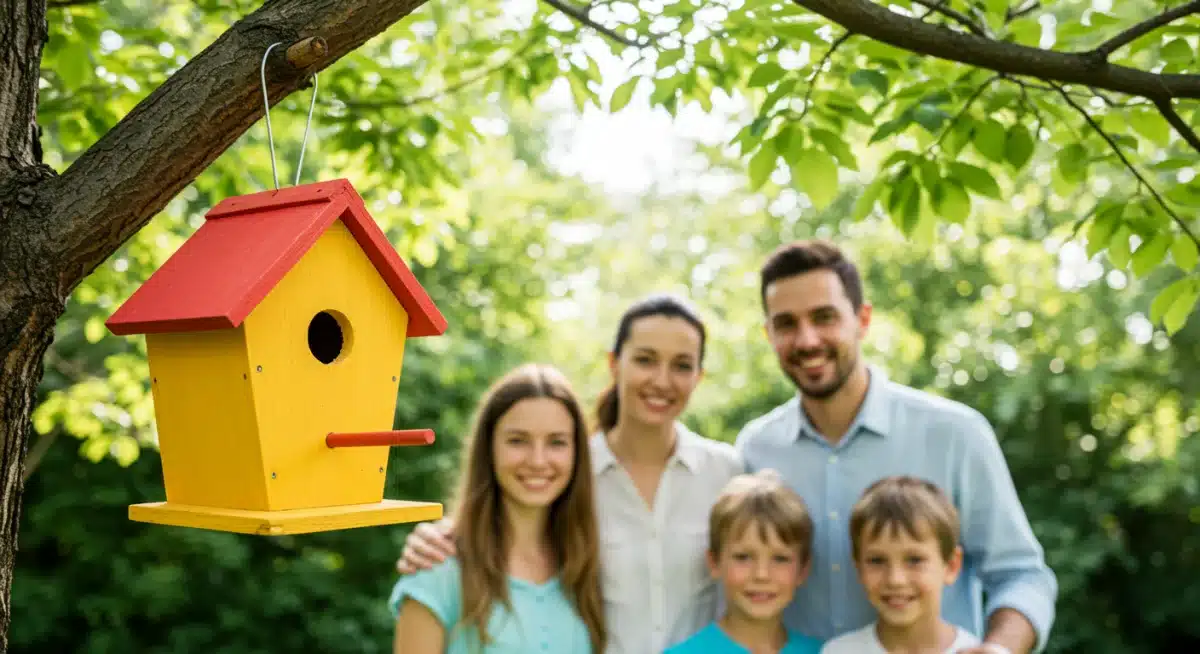
 Are you looking for a rewarding weekend endeavor that connects you with nature and offers a fantastic bonding experience for your loved ones?
Then build a birdhouse: DIY project for backyard wildlife and a fun family activity is precisely what you need. This guide will walk you through creating a charming and functional bird haven, transforming your outdoor space into a vibrant sanctuary for feathered friends.
Why build a birdhouse? Attracting nature to your home
Building a birdhouse offers more than just a creative outlet; it’s an invitation to nature, transforming your backyard into a dynamic ecosystem. Observing birds can be incredibly calming and educational, providing a unique window into the natural world right outside your door.
Beyond the aesthetic appeal, birdhouses play a crucial role in supporting local bird populations. In many urban and suburban areas, natural nesting sites are scarce.
A well-placed birdhouse can offer essential shelter, especially during breeding season, helping to ensure the survival of various bird species.
Ecological benefits of birdhouses
Providing nesting sites contributes directly to local biodiversity. Birds are natural pest controllers, consuming insects that might otherwise damage your garden. They also aid in pollination and seed dispersal, fostering a healthier, more balanced environment.
Supports local bird populations by providing safe nesting spots.
Enhances biodiversity by attracting various species.
Acts as natural pest control for gardens.
Contributes to pollination and seed dispersal.
Engaging in this DIY project also instills a sense of environmental stewardship. It teaches children about wildlife conservation and the importance of creating habitats, fostering a lifelong appreciation for nature. The act of building something with your hands, for a tangible and positive outcome, is deeply satisfying for all ages.
Ultimately, a birdhouse is a small investment with significant returns, enriching your life and the lives of the birds it shelters.
It’s a simple yet profound way to connect with the natural world and make a positive impact on your immediate environment, enhancing the beauty and vitality of your backyard.
Choosing the right design and materials for your birdhouse
The success of your birdhouse in attracting tenants largely depends on its design and the materials you choose. Different bird species have specific preferences for entrance hole size, interior dimensions, and ventilation.
Selecting the right materials ensures durability and safety for your feathered residents.
When planning your birdhouse, consider the common bird species in your area. Research their nesting habits and requirements.
For instance, wrens prefer smaller, cozier spaces, while bluebirds need more room. A good resource for this information can be found at local Audubon societies or wildlife conservation websites.
Material selection: what works best?
Untreated wood, such as cedar, pine, or redwood, is generally the best choice. These materials are durable, naturally resistant to rot, and provide good insulation.
Avoid pressure-treated wood or wood that has been painted with toxic paints, as these can be harmful to birds. If you choose to paint, opt for non-toxic, water-based exterior paints in light colors to reflect heat.
Untreated wood: Cedar, pine, redwood are ideal.
Avoid: Pressure-treated wood, toxic paints.
Safe finishes: Non-toxic, water-based exterior paints (light colors).
Hardware: Rust-resistant screws or nails.
Ventilation and drainage are critical design features. Small gaps or holes near the top of the birdhouse allow hot air to escape, preventing overheating.
Drainage holes in the floor prevent water accumulation, which can lead to mold and disease. A slightly sloped roof helps shed rain and protects the interior from the elements.
Consider a design with a removable roof or side panel for easy cleaning. This is essential for maintaining a healthy environment for birds between nesting seasons.
A well-designed birdhouse is not just a pretty addition to your yard; it’s a functional, safe, and comfortable home for nature’s aerial acrobats.
Step-by-step guide: constructing your birdhouse
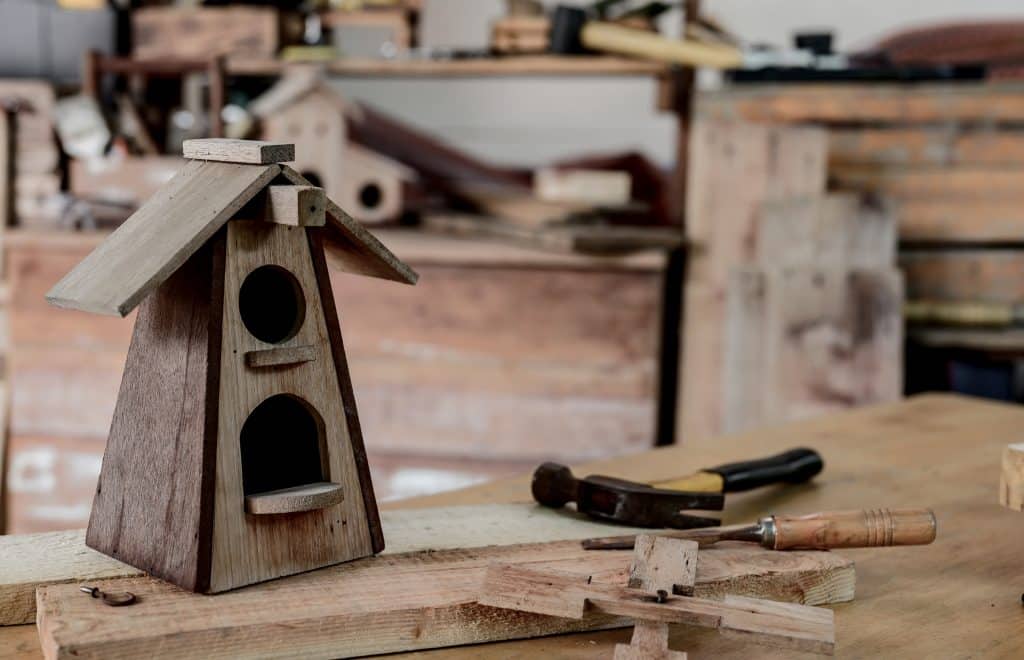
Building a birdhouse is a rewarding project that can be completed in a single afternoon with basic tools and some patience.
This section will guide you through the essential steps, ensuring your birdhouse is sturdy, safe, and appealing to birds.
Before you begin, gather all your materials and tools. Having everything organized will make the process smoother and more enjoyable. Safety is paramount, especially when working with children; always supervise them closely when using tools.
Tools and materials checklist
You’ll need a saw (hand saw or jigsaw), a drill with various bit sizes, a hammer or screwdriver, measuring tape, and safety glasses.
For materials, untreated wood planks (cedar or pine are good), rust-resistant screws or nails, and sandpaper are sufficient. Optional items include non-toxic paint or stain and a perch dowel.
Cutting: Saw (hand saw, jigsaw).
Fastening: Drill, hammer, rust-resistant screws/nails.
Measuring: Measuring tape, pencil.
Safety: Safety glasses, gloves (optional).
Finishing: Sandpaper, non-toxic paint/stain (optional).
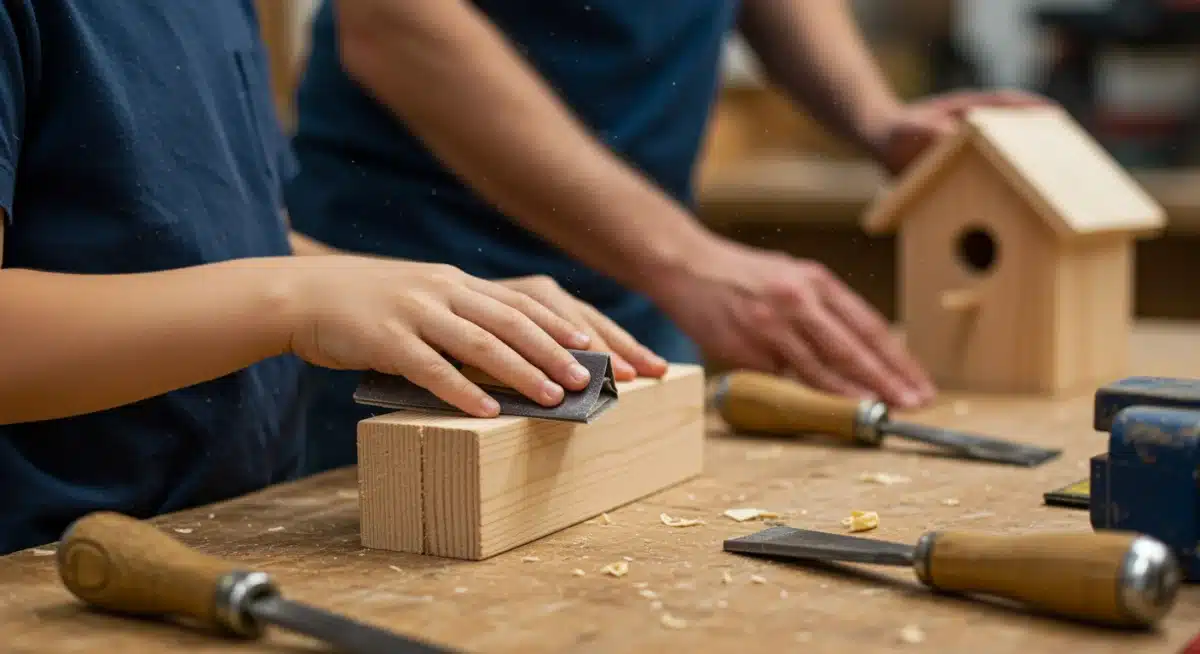
Start by cutting your wood pieces according to your chosen design. Precision is key here for a well-fitting birdhouse. Sand all edges smooth to prevent splinters for both you and the birds. Drill the entrance hole to the appropriate size for your target bird species; a 1.5-inch hole is good for bluebirds, while wrens prefer 1 to 1.25 inches.
Assemble the walls, floor, and roof using screws or nails. Ensure all connections are tight and secure. Drill small ventilation holes near the top and drainage holes in the floor.
If adding a perch, drill a hole below the entrance and insert a dowel, ensuring it’s not too long to deter predators. Finally, attach a mechanism for hanging or mounting the birdhouse. A well-built birdhouse provides a safe, comfortable home, encouraging birds to take up residence in your backyard.
Engaging the family: making it a fun activity
Turning the birdhouse project into a family affair elevates it from a simple DIY task to a cherished memory. It’s an excellent opportunity to teach valuable skills, encourage teamwork, and foster a love for nature in children. From design planning to final decoration, every step can be a collaborative effort.
Involving children from the outset makes them feel invested in the project. Let them help choose the design, select the wood, and even assist with measuring (under supervision, of course).
This not only builds their confidence but also enhances their understanding of practical applications of math and geometry.
Roles for every family member
Even toddlers can participate by helping to sand smooth edges or applying non-toxic paint. Older children can take on more responsibility, such as cutting wood with a hand saw (with strict adult supervision), drilling pilot holes, or assembling components. Assigning age-appropriate tasks ensures everyone feels included and contributes meaningfully.
Design phase: Brainstorming ideas, sketching plans.
Preparation: Sanding wood, organizing tools.
Assembly: Holding pieces, screwing/nailing (supervised).
Decoration: Painting, adding non-toxic embellishments.
Placement: Choosing the perfect spot together.
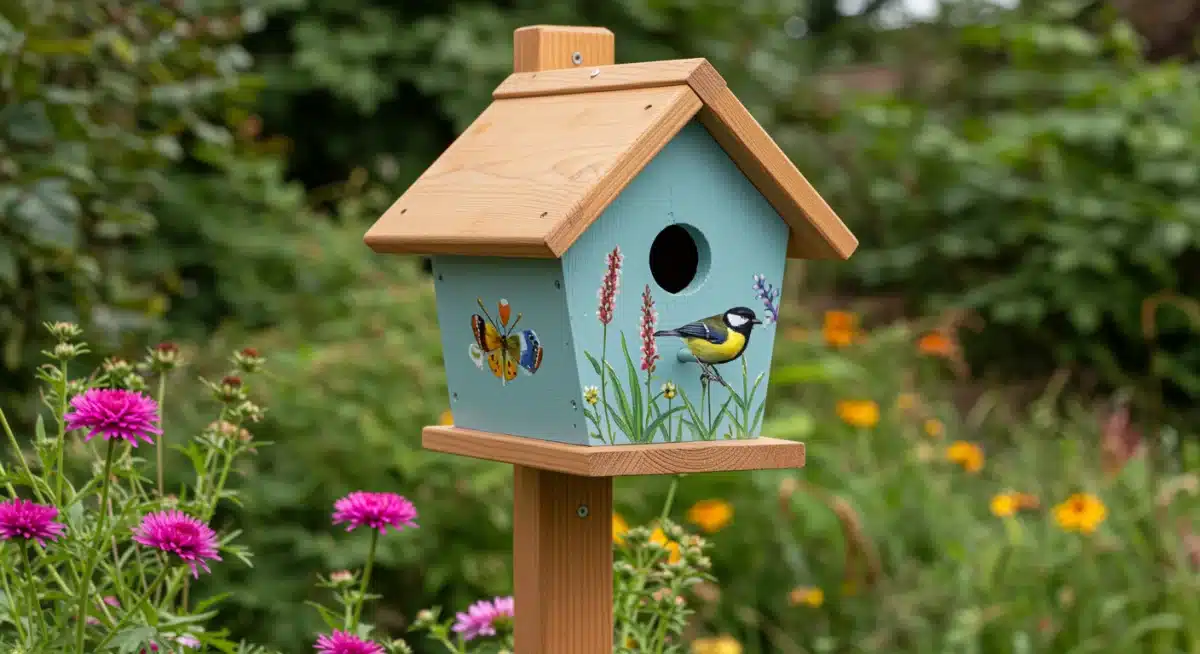
Decorating the birdhouse offers another fantastic creative outlet. Use non-toxic, weather-resistant paints to add vibrant colors or patterns. Children can paint their favorite bird species or create abstract designs. This personal touch makes the birdhouse truly unique and a source of pride for the whole family.
Beyond the construction, the ongoing observation of birds using the birdhouse becomes a shared family experience.
Keep a bird journal, identify different species, and learn about their behaviors. This project extends far beyond the initial build, creating lasting memories and a deeper connection to the natural world around your home.
Placement and maintenance: ensuring bird safety and longevity
Once your birdhouse is complete, its effectiveness hinges on proper placement and consistent maintenance. A well-chosen location protects birds from predators and harsh weather, while regular cleaning ensures a healthy environment for successive broods. These steps are crucial for the long-term success of your backyard wildlife project.
Consider the specific needs of the birds you hope to attract. Most birds prefer birdhouses placed in a quiet, secluded area, away from high-traffic zones in your yard.
The height is also important; generally, 5 to 15 feet off the ground is suitable for many species, protecting them from ground predators like cats and raccoons.
Optimal birdhouse placement tips
Position the entrance hole away from prevailing winds and direct afternoon sun to prevent overheating and exposure.
Nearby trees or shrubs can offer additional cover and perching spots, but ensure branches don’t provide easy access for predators. Mounting on a pole with a predator guard is often the safest option.
Location: Quiet, secluded area.
Height: 5-15 feet off the ground.
Orientation: Entrance away from prevailing winds and direct sun.
Protection: Use predator guards on poles.
Proximity: Near natural cover, but not too close for predator access.
Maintenance is just as vital as placement. Birdhouses should be cleaned annually, typically in late fall or early winter after nesting season has concluded.
Remove old nests, debris, and any parasites. Use a stiff brush and a solution of 9 parts water to 1 part bleach (or mild soap), rinsing thoroughly and allowing it to dry completely before re-hanging.
Regular checks for damage, such as loose panels or rotting wood, are also important. Repair any issues promptly to keep the birdhouse structurally sound and safe.
By following these placement and maintenance guidelines, your birdhouse will provide a safe, welcoming home for generations of birds, enriching your backyard for years to come.
Beyond the birdhouse: creating a complete bird-friendly backyard
While a birdhouse is an excellent starting point, creating a truly bird-friendly backyard involves more than just providing shelter.
A holistic approach, incorporating food, water, and appropriate landscaping, will attract a wider variety of birds and support their overall well-being throughout the year. Think of your backyard as a complete ecosystem.
Offering diverse food sources is key. Bird feeders filled with various seeds (black oil sunflower, nyjer, suet) can attract different species.
Consider planting native trees, shrubs, and flowers that produce berries, seeds, and nectar, providing natural food sources and additional cover. These native plants also support insects, which are a vital food source, especially for parent birds feeding their young.
Essential elements for a bird-friendly habitat
Water is just as critical as food and shelter. A bird bath, even a simple shallow dish, offers birds a place to drink and bathe. Ensure the water is fresh and clean, changing it daily, especially in warmer months. In winter, a heated bird bath can be a lifesaver for birds when natural water sources freeze.
Food: Bird feeders with varied seeds, native berry/seed-producing plants.
Water: Bird baths (shallow, clean water), heated options for winter.
Shelter: Birdhouses, dense shrubs, evergreen trees for roosting.
Nesting materials: Leave natural fibers, pet hair, or small twigs available.
Minimizing pesticide use is also paramount. Pesticides can harm birds directly or indirectly by reducing their food supply (insects).
Opt for organic gardening practices to maintain a healthy environment. Keeping outdoor cats indoors, especially during nesting season, is another crucial step to protect vulnerable bird populations.
By thoughtfully integrating these elements into your backyard, you’re not just attracting birds; you’re creating a thriving habitat that supports their entire life cycle.
This comprehensive approach enhances the beauty and ecological value of your outdoor space, making it a true haven for wildlife and a constant source of joy for your family.
Troubleshooting and common challenges with birdhouses
Even with the best intentions, building and maintaining a birdhouse can present a few challenges. Understanding common issues and how to address them will help ensure your birdhouse remains a safe and attractive home for birds, rather than a vacant or problematic structure. Patience and observation are your best tools.
One frequent issue is the lack of occupancy. If birds aren’t using your birdhouse, reassess its placement. Is it too exposed or too hidden?
Is the entrance hole size appropriate for the local birds you’re trying to attract? Sometimes, simply moving the birdhouse to a different spot or adjusting its orientation can make a significant difference.
Addressing common birdhouse problems
Predators are another concern. Squirrels, raccoons, and even larger birds can prey on eggs and nestlings.
Installing a predator guard around the entrance hole or mounting the birdhouse on a smooth pole with a baffle can deter these unwelcome visitors. Ensure the perch, if present, isn’t too long, as it can give predators leverage.
No occupancy: Re-evaluate placement, entrance hole size, and local bird species.
Predator issues: Install predator guards, use pole mounts with baffles, shorten perches.
Insect infestations: Regular cleaning is crucial; avoid pesticides inside.
Weather damage: Use durable materials, ensure proper drainage and ventilation, repair promptly.
Insect infestations, such as wasps or ants, can also make a birdhouse uninhabitable. Regular cleaning helps prevent these issues. If wasps build a nest, wait until night when they are less active, and carefully remove the nest while wearing protective gear. Avoid using chemical sprays, which can harm birds.
Weather damage, such as rot or loose components, can compromise the safety and integrity of the birdhouse. Periodically inspect your birdhouse for any signs of wear and tear and make repairs promptly.
Using durable, weather-resistant materials from the start can mitigate many of these issues. By proactively addressing these challenges, you ensure your birdhouse remains a welcoming and secure sanctuary for your feathered neighbors.
| Key Aspect | Brief Description |
|---|---|
| Design & Materials | Untreated wood, proper ventilation, drainage, and entrance hole size are crucial for specific bird species. |
| Family Engagement | Involve all family members in design, construction, and decoration for a rewarding bonding experience. |
| Placement & Maintenance | Strategic, predator-protected placement and annual cleaning ensure bird safety and house longevity. |
| Habitat Creation | Complement birdhouses with food, water, and native plants for a comprehensive bird-friendly backyard. |
Frequently asked questions about building birdhouses
Untreated cedar, pine, or redwood are excellent choices for birdhouses. These woods are durable, naturally resistant to rot, and provide good insulation. Avoid pressure-treated lumber or wood with chemical finishes, as these can be harmful to birds. Natural wood offers a safe and long-lasting home.
Ventilation and drainage are critical for bird health and safety. Small holes near the top prevent overheating, while drainage holes in the floor prevent water accumulation, which can lead to mold and disease. Proper air circulation and water management ensure a healthy and comfortable nesting environment for birds.
Most birdhouses should be placed 5 to 15 feet off the ground in a quiet, secluded area. Orient the entrance hole away from prevailing winds and direct afternoon sun. Positioning it on a pole with a predator guard is highly recommended to protect nesting birds from predators like cats and raccoons.
Birdhouses should be cleaned annually, typically in the late fall or early winter after nesting season has concluded. Remove old nests and debris, and scrub the interior with a mild bleach solution (9:1 water to bleach) or soap, then rinse thoroughly and allow it to dry completely before re-hanging. This prevents disease.
Absolutely. In many areas, natural nesting sites are diminishing. Providing a well-designed and properly placed birdhouse offers essential shelter and breeding opportunities for various bird species, contributing to local biodiversity and supporting the overall health of your backyard ecosystem. It’s a direct way to aid wildlife.
Conclusion: nurturing nature, one birdhouse at a time
Embarking on a project to build a birdhouse: DIY project for backyard wildlife and a fun family activity is much more than just a craft; it’s an act of environmental stewardship and a gateway to deeper family connection.
From selecting the perfect wood to watching the first feathered residents move in, every step of this journey enriches your life and the natural world around you.
By providing a safe haven, you contribute to local biodiversity, enjoy the calming presence of birds, and create lasting memories with your loved ones. Let your backyard become a vibrant testament to your commitment to nature, one carefully crafted birdhouse at a time.