Save on Car Repairs: Get Multiple Quotes and Negotiate Prices
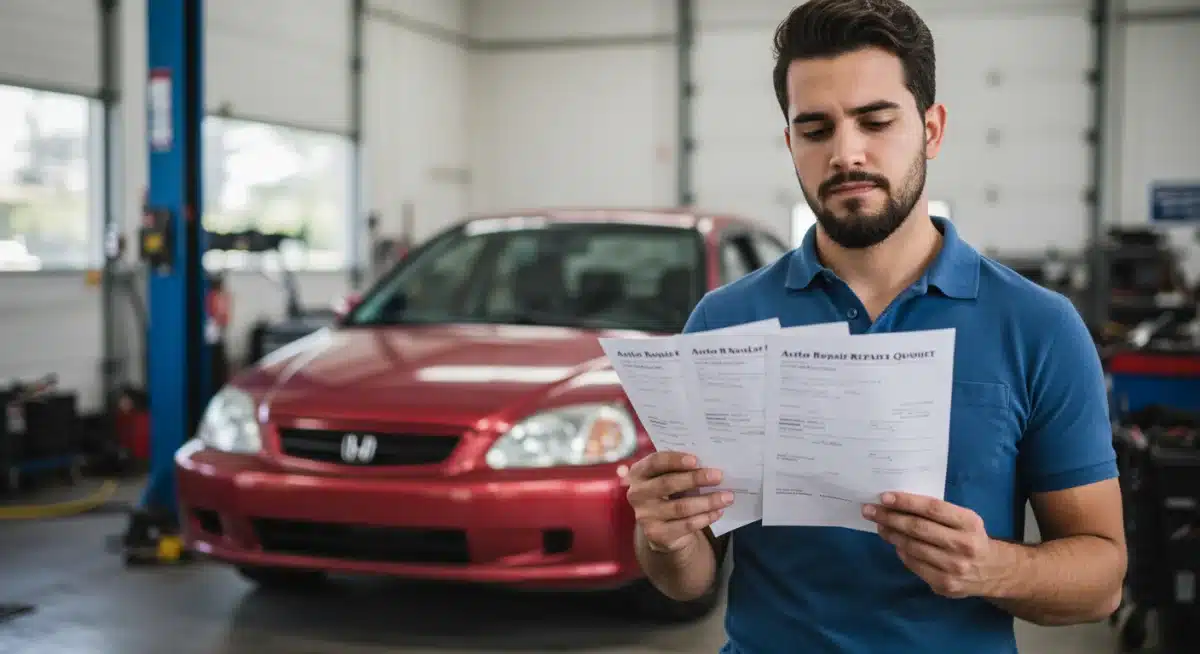
 By strategically obtaining multiple estimates and effectively negotiating service charges, individuals can significantly reduce their automotive repair expenses, often leading to savings of up to 30%.
For many Americans, owning a car is a necessity, but the thought of unexpected repairs can bring on a wave of financial stress. Learning how to save on car repair costs is not just a smart financial move; it’s a critical skill for maintaining your vehicle without breaking the bank. This guide will walk you through the essential steps to navigate the world of auto repairs, ensuring you get the best service at the most reasonable price.
Understanding the True Cost of Car Ownership Beyond the Sticker Price
The journey of car ownership extends far beyond the initial purchase price. Many drivers overlook the ongoing expenses that accumulate over time, often significantly impacting their budget.
These costs include not just fuel and insurance, but also the inevitable maintenance and repair bills that arise throughout a vehicle’s lifespan. Recognizing these financial realities is the first step toward effective money management in the automotive realm.
Ignoring regular maintenance can lead to more severe, and consequently more expensive, problems down the road. For instance, a small issue like a worn-out belt can escalate into engine damage if left unaddressed.
Understanding the potential long-term costs of neglecting minor repairs underscores the importance of proactive care and informed decision-making when it comes to servicing your vehicle. Being aware of these aspects helps you prepare financially and make smarter choices.
The hidden expenses of car ownership
Depreciation: The value of your car decreases over time, impacting its resale value.
Fuel: Daily commutes and longer trips quickly add up to substantial fuel costs.
Insurance: Premiums can vary widely based on vehicle type, driving record, and location.
Maintenance: Routine services like oil changes, tire rotations, and brake inspections are essential.
Beyond these regular expenses, unexpected repairs can emerge as significant financial burdens. A sudden transmission issue or an electrical system malfunction can easily run into thousands of dollars, often catching car owners off guard.
This is precisely where strategic planning and informed action become invaluable. By taking control of the repair process, you can mitigate these financial shocks and maintain better control over your personal finances.
Ultimately, a comprehensive understanding of all car ownership costs empowers you to budget more effectively and seek out opportunities to save, especially when it comes to the often-daunting prospect of car repairs.
By being prepared, you can avoid panic decisions and ensure your vehicle remains reliable without draining your savings.
The Power of Multiple Quotes: Your First Line of Defense Against Overspending
When your car needs a repair, the natural inclination is often to go to the nearest garage or the one you’ve used before.
However, this convenience can come at a significant cost. Obtaining multiple quotes is arguably the most effective strategy to ensure you’re getting a fair price and to avoid being overcharged. It’s a simple yet powerful consumer right that far too many car owners neglect to exercise.
Think of it like shopping for any major purchase; you wouldn’t buy a new appliance or a piece of furniture without comparing prices. Car repairs should be no different. Different shops have varying labor rates, parts markups, and diagnostic fees.
What one mechanic quotes as a necessity, another might offer as a more affordable alternative, or even suggest a different approach altogether. This comparative shopping is crucial for making an informed decision.
How to effectively gather quotes
Be specific: Clearly describe the symptoms and any diagnostic information you have.
Get it in writing: Always request a detailed written estimate that breaks down parts and labor.
Don’t rush: Allow yourself enough time to collect at least three different quotes.
Ask questions: Inquire about warranties on parts and labor, and if they use OEM or aftermarket parts.
The process of getting quotes doesn’t have to be intimidating. Start by identifying reputable shops in your area. Online reviews, word-of-mouth recommendations, and certifications (like ASE certification) can guide your search.
Once you have a list, contact them, explain your car’s issue, and request an estimate. Be prepared to provide your vehicle’s make, model, year, and any diagnostic codes if you have them. This upfront information helps shops provide more accurate quotes.
It’s also important to be aware that some shops might charge a diagnostic fee. While this is reasonable for complex issues, you can often find shops that will waive this fee if you commit to having the repair done with them.
Always clarify this before agreeing to any diagnostic work. By diligently collecting and comparing these estimates, you create a strong foundation for negotiating and ultimately saving money on car repairs.
Deciphering the Estimate: What to Look For and What to Question
Receiving multiple estimates is only half the battle; the other half involves understanding what those estimates actually mean. A repair estimate is more than just a total dollar amount; it’s a detailed breakdown of the work proposed, the parts required, and the labor involved.
Learning to read and interpret these documents is vital for any car owner looking to save on car repair costs.
Start by scrutinizing the parts section. Are they using original equipment manufacturer (OEM) parts, aftermarket parts, or refurbished parts? OEM parts are typically more expensive but ensure compatibility and often come with a manufacturer’s warranty.
Aftermarket parts can be a cost-effective alternative, but their quality can vary. Understanding these distinctions allows you to question the necessity of certain parts or explore more affordable, yet reliable, options.
Key components of an auto repair estimate
Parts list: Itemized list of all components needed, with their individual prices.
Labor costs: Hourly rate for mechanics and the estimated time for the repair.
Diagnostic fees: Charges for identifying the problem, sometimes waived if repairs are done there.
Shop supplies: Miscellaneous items like rags, lubricants, and disposal fees.
Taxes: Applicable sales taxes on parts and sometimes labor.
Next, focus on the labor costs. Shops typically charge an hourly rate, but the estimated time for a specific repair should be consistent across different shops, often based on industry-standard repair time guides.
If one shop quotes significantly more labor hours for the same job, it’s a red flag. Don’t hesitate to ask for clarification on why their labor estimate differs. Transparency in this area is a sign of a trustworthy establishment.
Also, pay attention to any additional services listed that you didn’t explicitly request. Sometimes shops will add ‘recommended’ services that aren’t immediately necessary. While some recommendations might be legitimate, always question their urgency and necessity.
A good mechanic will explain why a service is recommended, but you should never feel pressured into unnecessary work. By breaking down and understanding each line item, you empower yourself to have an informed conversation with the mechanic and identify potential areas for negotiation, ultimately helping you to save on car repair costs.
The Art of Negotiation: How to Get Up to 30% Savings
Once you have gathered multiple quotes and understand the components of each estimate, you’re in a strong position to negotiate. Many car owners don’t realize that auto repair prices are often not set in stone, and there’s room for discussion.
Effective negotiation can lead to significant savings, potentially reducing your repair bill by up to 30% or more, making it a crucial skill for anyone looking to save on car repair costs.
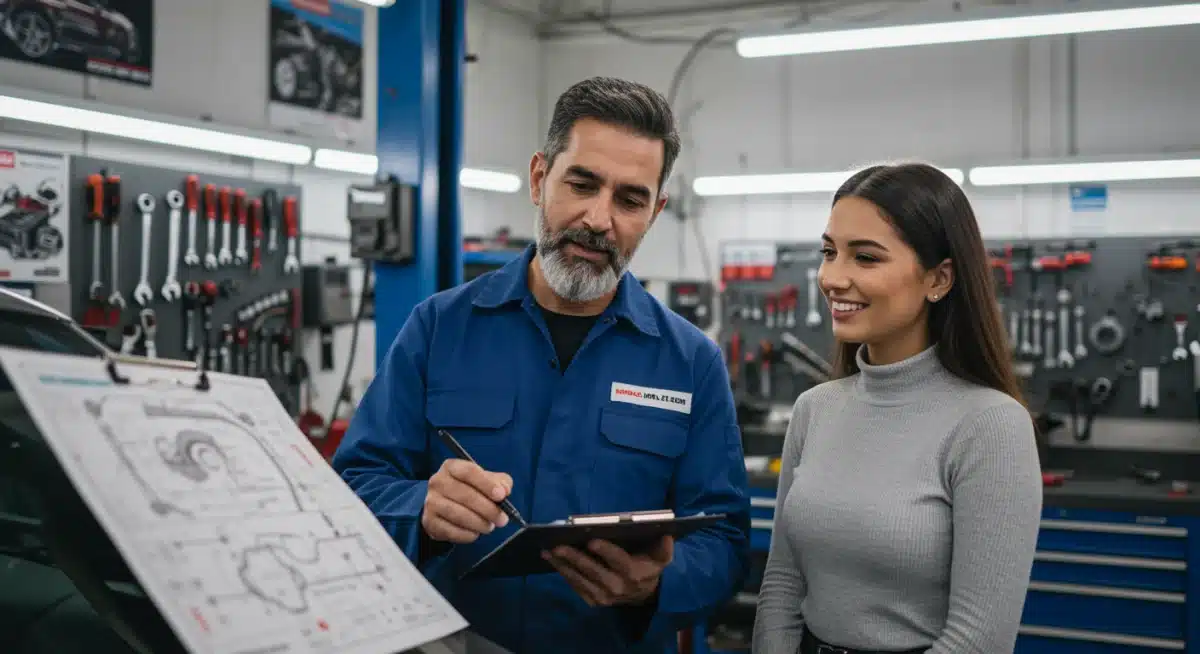
Start by presenting competing quotes to your preferred mechanic. Don’t simply demand a lower price; instead, inquire if they can match or beat a competitor’s offer for the same service and parts. Be polite but firm.
Highlight specific differences, such as a lower labor rate or a less expensive part quoted by another shop, and ask if they can adjust their pricing accordingly. This approach shows you’ve done your homework and are a well-informed customer.
Negotiation tactics that work
Compare line by line: Pinpoint specific areas where one quote is lower than another.
Ask about discounts: Inquire about any available discounts for new customers, seniors, or loyalty programs.
Offer to supply parts (if applicable): Some shops allow you to bring your own parts, potentially saving on markup.
Bundle services: If you have multiple repairs, ask if they can offer a package deal.
Another powerful negotiation tactic involves focusing on the parts. If a shop insists on using OEM parts, ask if they offer a reliable aftermarket alternative that could significantly reduce the cost. Sometimes, the difference in quality is negligible, but the price difference can be substantial.
Similarly, if you’re comfortable, you might consider sourcing the parts yourself from a reputable supplier, though always confirm with the shop first that they will install customer-supplied parts and honor their labor warranty.
Finally, consider the timing of your repair. If it’s not an emergency, you might have more leverage during slower periods for the shop.
Building a long-term relationship with a trusted mechanic can also work in your favor, as loyalty is often rewarded with better pricing or priority service. Remember, the goal of negotiation is a win-win: you save money, and the shop gains or retains a customer.
By applying these negotiation strategies, you can confidently reduce your car repair expenses and keep more money in your pocket.
Finding Reputable Mechanics and Avoiding Scams
The success of saving money on car repairs hinges significantly on finding a trustworthy mechanic. Unfortunately, the auto repair industry has its share of unscrupulous operators, making it essential for consumers to be vigilant.
Identifying a reputable shop not only ensures quality work but also prevents you from falling victim to unnecessary repairs or inflated prices. This vigilance is a key component of effectively managing your auto expenses.
Start your search by looking for certifications. The National Institute for Automotive Service Excellence (ASE) certifies technicians who have passed rigorous exams and have relevant experience. A shop displaying ASE certification is a good indicator of professionalism and competence.
Additionally, look for affiliations with professional organizations like the Automotive Service Association (ASA), which often indicates a commitment to ethical business practices.
Signs of a trustworthy auto shop
Clear communication: Mechanics explain issues and repair options in an understandable way.
Written estimates: Provides detailed estimates before any work begins.
Warranties: Offers warranties on parts and labor.
Positive reviews: Consistent positive feedback from multiple sources.
Online reviews are another invaluable resource. Websites like Yelp, Google Reviews, and the Better Business Bureau (BBB) can provide insights into a shop’s reputation. Look for consistent patterns in reviews, both positive and negative.
A few negative reviews are normal, but a pattern of complaints about overcharging, unnecessary repairs, or poor quality work should raise a red flag. Also, ask friends, family, and colleagues for recommendations; personal referrals often lead to reliable service providers.

Conversely, be aware of common red flags that might indicate a potential scam. These include mechanics who push for immediate, extensive repairs without clear explanations, those who refuse to provide written estimates, or shops that only accept cash.
High-pressure sales tactics are also a warning sign. A reputable mechanic will always take the time to explain the problem, provide options, and allow you to make an informed decision without feeling rushed.
By carefully vetting potential mechanics, you can protect yourself from scams and ensure your car receives the quality care it needs at a fair price, reinforcing your ability to save on car repair costs effectively.
Preventative Maintenance: The Ultimate Long-Term Savings Strategy
While getting multiple quotes and negotiating prices are excellent ways to save on immediate car repair costs, the most effective long-term strategy is preventative maintenance.
Regularly scheduled maintenance can significantly extend the life of your vehicle, improve its performance, and, most importantly, prevent minor issues from escalating into major, expensive repairs. It’s an investment that pays dividends in both reliability and financial savings.
Adhering to your car’s manufacturer-recommended maintenance schedule is paramount. This schedule, typically found in your owner’s manual, outlines when to perform tasks like oil changes, tire rotations, fluid checks, and filter replacements.
These routine services are designed to keep all components of your vehicle operating efficiently and to catch potential problems before they become critical. Neglecting these simple steps is a common reason why drivers face unexpected and costly breakdowns.
Essential preventative maintenance tips
Regular oil changes: Crucial for engine lubrication and cooling.
Tire rotation and pressure checks: Extends tire life and improves fuel efficiency.
Fluid checks and replacements: Ensures proper functioning of brakes, transmission, and cooling system.
Brake inspections: Early detection of wear can prevent costly rotor damage.
Battery checks: Avoids unexpected breakdowns, especially in extreme weather.
Consider the cost of an oil change versus the cost of replacing an engine seized due to lack of lubrication. The difference is astronomical. Similarly, replacing worn brake pads is far less expensive than having to replace rotors and calipers because the pads were neglected.
Preventative maintenance acts as an insurance policy for your vehicle, protecting you from larger financial burdens down the line.
Moreover, keeping a detailed record of all maintenance and repairs can also contribute to savings. A well-documented service history can increase your car’s resale value, demonstrating to potential buyers that the vehicle has been well-cared for.
This practice also helps you stay on top of your maintenance schedule and provides valuable information to mechanics if an issue does arise. By embracing preventative maintenance, you’re not just saving money; you’re ensuring the longevity and reliability of your investment, effectively mastering the art of how to save on car repair costs over the long haul.
Empowering Yourself: Beyond the Mechanic’s Garage
Taking control of your car repair expenses isn’t solely about finding the right mechanic or negotiating a better deal; it also involves empowering yourself with knowledge and proactive measures even before you step into a garage.
Understanding basic car maintenance, knowing common issues for your specific vehicle, and leveraging available resources can significantly reduce your reliance on expensive professional interventions and put more money back in your pocket. This self-empowerment is a vital, often overlooked, aspect of learning to save on car repair costs.
One of the most powerful tools at your disposal is your car’s owner’s manual. It’s a goldmine of information, detailing everything from recommended service intervals to dashboard warning light explanations.
Familiarizing yourself with its contents can help you understand what’s normal for your vehicle and what might indicate a problem. This basic understanding allows you to have more informed conversations with mechanics and question diagnoses that seem off, preventing unnecessary repairs.
Resources and skills for informed car owners
Owner’s manual: Essential guide for vehicle-specific information and maintenance schedules.
Online forums and communities: Connect with other owners for advice and common issues.
DIY basics: Learn simple tasks like checking fluid levels, tire pressure, and changing wiper blades.
Diagnostic tools: Consider investing in an OBD-II scanner for basic error code readings.
Beyond the manual, the internet offers a vast array of resources. Car-specific forums and enthusiast communities are excellent places to learn about common problems associated with your make and model. Often, other owners have already experienced and found solutions for issues you might encounter. YouTube tutorials can also guide you through simple DIY tasks, such as replacing air filters or headlight bulbs, saving you labor costs for minor fixes.
For those willing to invest a little, an OBD-II (On-Board Diagnostics II) scanner can be a game-changer.
These devices plug into your car’s diagnostic port and can read error codes, providing a preliminary idea of what might be wrong. While not a substitute for professional diagnosis, knowing an error code beforehand can give you a starting point for research and make you a more informed customer when speaking with mechanics.
By embracing these empowering strategies, you move beyond being a passive recipient of repair services and become an active participant in maintaining your vehicle, ultimately making smarter financial decisions and achieving substantial savings on car repair costs.
| Key Strategy | Brief Description |
|---|---|
| Get Multiple Quotes | Compare estimates from at least three different shops to ensure fair pricing and service options. |
| Negotiate Prices | Use competing quotes to discuss labor rates and part costs, aiming for significant savings. |
| Preventative Maintenance | Follow manufacturer schedules to avoid major breakdowns and extend vehicle lifespan. |
| Educate Yourself | Understand your car’s basic needs and common issues to make informed repair decisions. |
Frequently Asked Questions About Car Repair Savings
It is generally recommended to obtain at least three different quotes for any significant car repair. This provides a solid basis for comparison, allowing you to identify discrepancies in pricing for parts and labor, and better understand the range of service options available. More quotes increase your negotiation leverage.
While not every shop will negotiate, it is often possible to discuss prices, especially if you have competing written estimates. Mechanics may be willing to match competitors’ prices or offer alternatives like aftermarket parts to secure your business. Politeness and preparedness are key to successful negotiation.
OEM (Original Equipment Manufacturer) parts are identical to those installed in your car at the factory. Aftermarket parts are produced by other companies and can be more affordable. While OEM parts guarantee fit and quality, many high-quality aftermarket parts exist that can save you money without compromising safety or performance.
Preventative maintenance prevents small issues from becoming major, costly problems. Regular oil changes, tire rotations, and fluid checks ensure your car runs efficiently, prolong its lifespan, and reduce the likelihood of unexpected breakdowns that require expensive emergency repairs. It’s an investment that pays off significantly.
If you have doubts, get a second opinion from another reputable shop. Request a detailed written estimate from both and compare them. You can also consult online resources or car owner forums for similar issues. Never authorize work you don’t fully understand or feel pressured into.
Conclusion
Navigating the world of car repairs doesn’t have to be a source of constant stress or financial drain. By adopting a proactive and informed approach, you can significantly influence the cost and quality of your vehicle’s maintenance.
The strategies outlined, from diligently collecting multiple quotes and mastering the art of negotiation to prioritizing preventative maintenance and empowering yourself with automotive knowledge, are not just theoretical tips.
They are actionable steps that can genuinely help you save on car repair costs, potentially by up to 30% or even more. Embrace these practices to ensure your vehicle remains reliable, your budget stays intact, and you drive with greater peace of mind.