Install a Whole-House Fan: Cut AC Costs by 30% Today!
 Are you tired of skyrocketing electricity bills every summer, all thanks to your air conditioner working overtime? Imagine a world where you could significantly slash those costs while keeping your home comfortably cool.
The good news is, this isn’t a pipe dream. Many homeowners are discovering the remarkable benefits of a simple yet powerful solution: to install a whole-house fan and reduce air conditioning costs by up to 30%. This often-overlooked ventilation system can revolutionize your home’s energy efficiency and your comfort, offering a breath of fresh air both literally and financially.
Understanding the Whole-House Fan: A Breath of Fresh Air for Your Home
A whole-house fan is an incredibly effective and often underestimated home cooling solution, designed to work in conjunction with your existing air conditioning system or even as a primary cooling method during milder weather.
Unlike your AC, which recycles and cools indoor air, a whole-house fan focuses on expelling hot, stale air from your home and drawing in cooler, fresh air from outside. This process creates a continuous flow of air, rapidly bringing down indoor temperatures and improving air quality.
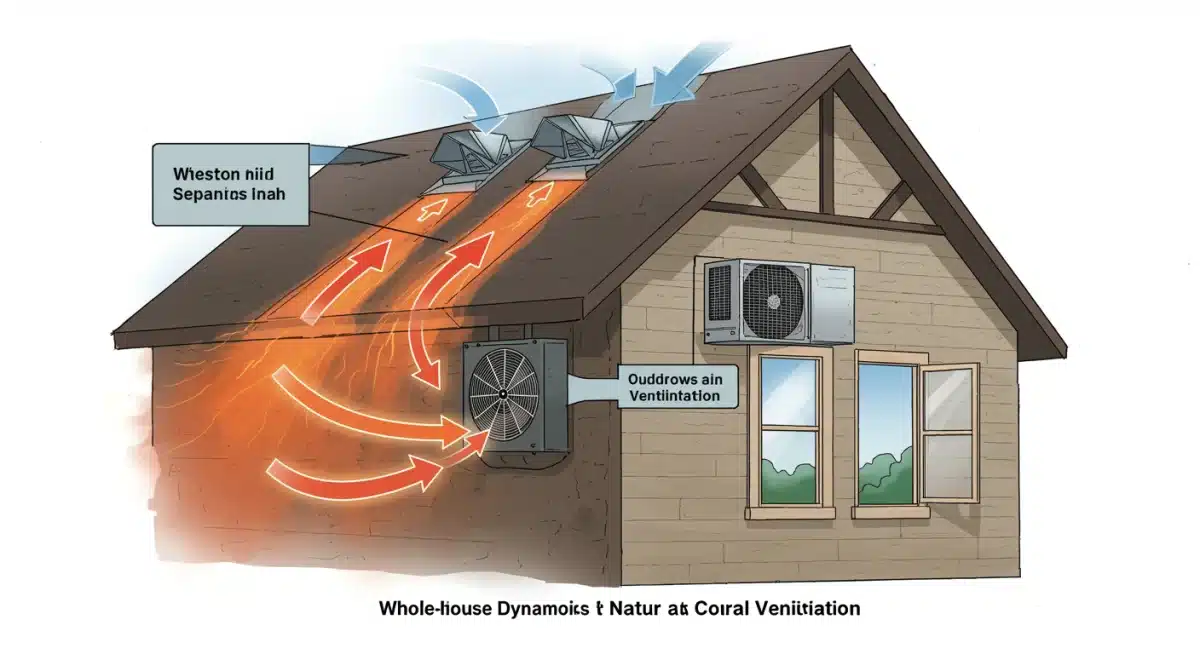
The core principle behind a whole-house fan’s operation is simple physics: hot air rises. When activated, typically in the evening or early morning when outdoor temperatures are lower than indoors, the fan pulls air from every open window in your home, through the living spaces, and up into the attic.
From there, the hot attic air and the air drawn from your living spaces are exhausted through existing attic vents, such as gable vents or soffit vents. This constant exchange effectively purges your home of heat, odors, and pollutants, replacing them with cooler, cleaner air.
How it Works: The Mechanics of Natural Cooling
The operation of a whole-house fan is straightforward, yet highly efficient. It typically involves a powerful fan unit installed in your attic floor or ceiling, connected to a thermostat or timer. When the outdoor temperature drops below the indoor temperature, you open a few windows in your home, turn on the fan, and it immediately begins its work.
The fan creates negative pressure inside your home, pulling in the cooler outdoor air through the open windows and pushing the warmer indoor air into the attic. From the attic, this warmed air is then expelled outside through the attic vents.
Negative Pressure: The fan creates a pressure differential, drawing air efficiently.
Air Exchange: Rapidly replaces hot indoor air with cooler outdoor air.
Attic Ventilation: Crucial for expelling the hot air collected in the attic.
Natural Cooling: Utilizes ambient outdoor temperatures for cooling.
This method of cooling is particularly effective during spring and fall, or in regions with significant temperature drops at night.
It can precool your home for the next day, reducing the load on your air conditioner when temperatures inevitably rise. By understanding how these fans operate, homeowners can better appreciate their potential to enhance comfort and reduce energy consumption.
Significant Savings: How a Whole-House Fan Cuts AC Costs
The most compelling reason for many homeowners to consider installing a whole-house fan is the potential for substantial savings on their energy bills. Air conditioning units are notorious energy hogs, especially during peak summer months.
By strategically using a whole-house fan, you can significantly reduce the runtime of your AC, leading directly to lower electricity consumption and considerable cost savings. Many studies and homeowner experiences report reductions of up to 30% or even more in air conditioning-related expenses.
The savings come from several factors. Firstly, by exhausting hot air and drawing in cooler air, the whole-house fan effectively lowers the ambient temperature inside your home. This means that when you eventually switch on your AC, it doesn’t have to work as hard or as long to reach your desired temperature.
Secondly, the fan helps to cool down your attic, which is often the hottest part of your home and a major contributor to heat gain in your living spaces. A cooler attic translates to less heat radiating into the rooms below, further reducing the AC’s workload.
Optimizing Usage for Maximum Efficiency
To maximize savings, it’s crucial to use your whole-house fan wisely. The ideal time to operate it is when the outdoor temperature is cooler than the indoor temperature, typically in the evenings, overnight, and early mornings.
By running the fan during these periods, you can flush out the heat accumulated throughout the day and bring in cool night air, which then helps to keep your home comfortable for longer the following day without needing the AC.
Evening Flush: Run the fan as outside temperatures drop to purge daytime heat.
Overnight Cooling: Continue running the fan to maintain cool indoor temperatures.
Morning Pre-cooling: Use it to cool your home before the day’s heat sets in.
Reduced AC Cycles: Less reliance on your AC means lower energy bills.
Consider installing a timer or a smart thermostat that can automate the fan’s operation based on temperature differentials. This ensures that the fan runs only when it’s most effective, preventing energy waste.
The cumulative effect of these smart usage patterns can lead to a noticeable reduction in your energy footprint and monthly utility expenses, proving that a whole-house fan is not just a comfort upgrade but a wise financial investment.
Beyond Savings: Enhanced Comfort and Air Quality
While cost savings are a primary driver for many considering a whole-house fan, the benefits extend far beyond your utility bill. A whole-house fan significantly enhances indoor comfort and air quality, creating a more pleasant living environment for you and your family.
The continuous exchange of air not only cools your home but also removes stale air, odors, and airborne pollutants, leading to a fresher and healthier atmosphere.
During warmer months, homes can become stuffy and uncomfortable, even with the AC running. A whole-house fan combats this by creating a gentle breeze throughout your home, providing a natural cooling sensation that air conditioning alone often can’t replicate.
This feeling of fresh, moving air can make your home feel significantly more comfortable, especially during those transitional periods when it’s not quite hot enough for full AC but still too warm for static indoor air.
Improved Ventilation and Health Benefits
The constant ventilation provided by a whole-house fan plays a crucial role in improving indoor air quality. Modern homes are often tightly sealed for energy efficiency, which, while good for insulation, can trap indoor air pollutants.
These can include anything from pet dander and dust mites to cooking odors, chemical fumes from cleaning products, and volatile organic compounds (VOCs) from furniture or building materials. A whole-house fan effectively purges these contaminants, replacing them with fresh outdoor air.
Odor Removal: Quickly eliminates cooking smells, pet odors, and stale air.
Pollutant Reduction: Flushes out airborne allergens, dust, and chemical fumes.
Reduced Humidity: Helps to lower indoor humidity levels, deterring mold growth.
Natural Breeze: Creates a comfortable, natural airflow throughout the home.
For individuals with allergies or respiratory sensitivities, this improved air circulation can be a significant advantage. By reducing the concentration of indoor allergens and pollutants, a whole-house fan contributes to a healthier living space.
Furthermore, by helping to lower indoor humidity, it can also deter the growth of mold and mildew, which are common issues in many homes and can negatively impact health. The combined effect of cooler temperatures, fresh air, and reduced pollutants makes a whole-house fan an excellent investment in both comfort and well-being.
Choosing the Right Whole-House Fan for Your Home
Selecting the appropriate whole-house fan is a critical step to ensure optimal performance and energy efficiency. Not all homes are the same, and what works for one might not be ideal for another.
Factors such as your home’s size, climate, attic ventilation, and personal preferences will all play a role in determining the best fan for your needs. Taking the time to research and understand these variables will help you make an informed decision.
The primary consideration is the fan’s capacity, measured in Cubic Feet per Minute (CFM). A general rule of thumb is to choose a fan that can exchange the air in your home 3 to 5 times per hour. To calculate this, you’ll need your home’s total square footage multiplied by its ceiling height.
For example, a 2,000 sq ft home with 8-foot ceilings needs a fan capable of moving between 48,000 to 80,000 cubic feet of air per hour (2,000 sq ft * 8 ft = 16,000 cubic feet; 16,000 * 3 to 5 air changes = 48,000 to 80,000 CFH, or 800 to 1333 CFM). However, it’s often recommended to slightly oversize the fan to ensure effective cooling, especially in hotter climates.
Key Considerations for Selection and Installation
Beyond CFM, there are several other important aspects to consider. Noise level is a significant factor, as some older or less efficient models can be quite loud. Modern whole-house fans, particularly those with DC motors, are much quieter, often operating at levels comparable to a refrigerator hum. Attic ventilation is also crucial; your attic needs adequate exhaust vents (gable, ridge, or soffit vents) to release the air being pushed up by the fan. Without sufficient attic ventilation, the fan will be less effective and could even create back pressure.
Fan Capacity (CFM): Match fan power to your home’s size for efficient air exchange.
Noise Level: Opt for quieter models with insulated housings or DC motors.
Attic Ventilation: Ensure sufficient exhaust vents are present or installed.
Controls: Look for models with timers or smart thermostats for convenience.
Energy Efficiency: Choose ENERGY STAR certified models for optimal performance.
Finally, consider the type of controls you prefer. Basic models may have a simple on/off switch, while more advanced options include programmable timers, remote controls, or smart home integration.
These features allow for greater control over the fan’s operation, enabling you to optimize its use for maximum comfort and energy savings. By carefully evaluating these factors, you can select a whole-house fan that perfectly suits your home and lifestyle.
The Installation Process: DIY or Professional?
Once you’ve decided on the right whole-house fan, the next step is installation. This can be a project for a seasoned DIY enthusiast or a job best left to professionals, depending on your comfort level with electrical work, attic access, and basic carpentry.
Understanding the scope of the installation will help you determine the best approach for your situation, ensuring safety and optimal performance.
A typical whole-house fan installation involves cutting an opening in the attic floor or ceiling, mounting the fan unit, running electrical wiring, and ensuring proper attic ventilation. For those with good attic access and some electrical knowledge, a DIY installation might be feasible.
Many whole-house fan kits come with detailed instructions and templates to guide you through the process. However, working in an attic can be challenging due to heat, limited space, and potential hazards like exposed nails or electrical wires.
Key Steps and Safety Precautions
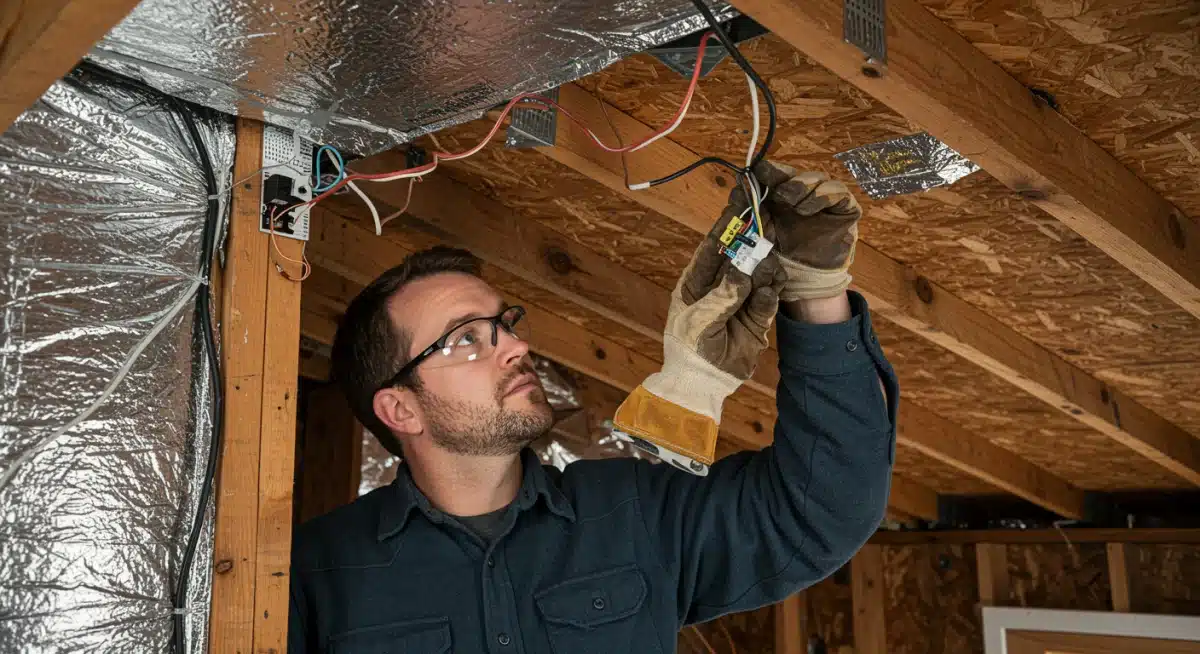
If you choose the DIY route, prioritize safety above all else. Always turn off the power to the circuit you’ll be working on at the main breaker panel.
Wear appropriate safety gear, including gloves, eye protection, and a dust mask. Ensure you have stable footing in the attic and are aware of where joists are to avoid stepping through the ceiling. The main steps typically include:
Location Selection: Choose a central location in a hallway for optimal airflow.
Ceiling Cut-out: Carefully cut the opening for the fan, often requiring drywall work.
Fan Mounting: Securely mount the fan unit to the attic joists to minimize vibration and noise.
Electrical Wiring: Connect the fan to a dedicated circuit, installing a switch or timer.
Attic Venting Check: Verify adequate attic exhaust ventilation or install additional vents.
For those less comfortable with electrical work or extensive carpentry, hiring a professional electrician or HVAC technician is highly recommended. Professionals can ensure the fan is installed correctly, safely, and up to code.
They can also assess your attic’s ventilation needs and recommend any necessary upgrades, ensuring your whole-house fan operates at its maximum efficiency. While professional installation adds to the initial cost, it can save you headaches, potential mistakes, and ensure the longevity and effectiveness of your new cooling system.
Maximizing Your Fan’s Performance: Tips for Optimal Use
Installing a whole-house fan is just the first step; to truly reap its benefits and significantly reduce your air conditioning costs, you need to use it effectively.
Maximizing its performance involves understanding when and how to operate it in conjunction with other home cooling strategies. Proper usage ensures you get the most out of your investment, leading to greater comfort and even more substantial energy savings.
The golden rule for whole-house fan operation is to only run it when the outdoor temperature is cooler than the indoor temperature. Typically, this means activating it in the late afternoon or evening as the sun sets and outdoor air begins to cool.
Open windows strategically throughout your home, perhaps on opposite sides of the house, to create a cross-breeze effect that helps pull cooler air through all your living spaces. The goal is to flush out all the day’s accumulated heat and replace it with fresh, cooler air.
Integrating with Other Cooling Strategies
A whole-house fan works best as part of an integrated cooling strategy, rather than a standalone solution. Think of it as a powerful complement to your existing AC system and other energy-saving habits.
For example, during the day, keep windows and blinds closed to prevent heat gain. When the outdoor temperature drops below your indoor temperature (often around 70-75°F or lower), turn on the whole-house fan and open a few windows. This will rapidly cool your home, often eliminating the need for AC until the hottest parts of the next day.
Strategic Window Opening: Open windows on the cooler, shadier side of your home for best results.
Timed Operation: Use a timer to run the fan during off-peak electricity hours.
Attic Ventilation Check: Regularly inspect and ensure attic vents are clear and unobstructed.
Close Windows During Day: Prevent heat buildup by keeping windows and shades closed when not using the fan.
Consider using your whole-house fan to pre-cool your home overnight. By running it for several hours, you can bring down the temperature of your home’s structure, allowing it to stay cooler for longer the following day.
This greatly reduces the demand on your air conditioner, pushing back its start time or even eliminating its need entirely on milder days. By combining this powerful ventilation with smart habits, you can truly leverage your whole-house fan to its full potential, enjoying a more comfortable home and significantly lower utility bills.
Return on Investment: Is a Whole-House Fan Worth It?
When considering any home improvement, especially one designed to save energy, a crucial question arises: what is the return on investment (ROI)? For a whole-house fan, the answer is overwhelmingly positive.
While the initial cost of purchasing and installing a whole-house fan can range from a few hundred dollars for a DIY installation to a couple of thousand for a professional job, the long-term savings on your energy bills typically make it a very worthwhile investment.
The average homeowner in the United States spends a significant portion of their energy budget on air conditioning. With documented savings of up to 30% on AC costs, a whole-house fan can pay for itself in a relatively short period, often within just a few years.
After the payback period, every dollar saved on your electricity bill is pure profit, enhancing your home’s value and your financial well-being for years to come. This makes it one of the more financially attractive home energy efficiency upgrades available.
Long-Term Benefits and Home Value
Beyond the direct monetary savings, a whole-house fan offers several other long-term benefits that contribute to its overall value proposition.
The extended lifespan of your air conditioning unit is a significant factor. By reducing the runtime of your AC, you decrease wear and tear on its components, potentially delaying costly repairs or replacements. This alone can represent substantial savings over the life of your home.
Reduced AC Wear: Extends the life of your air conditioning unit, saving on repairs.
Increased Home Value: An energy-efficient home is more attractive to potential buyers.
Environmental Impact: Lower energy consumption means a smaller carbon footprint.
Improved Comfort: A consistently cooler and fresher home enhances daily living.
Furthermore, an energy-efficient home is often more appealing to prospective buyers, should you decide to sell your property in the future.
Features that demonstrate lower operating costs and enhanced comfort can increase your home’s market value. The environmental benefits of reducing energy consumption also contribute to a sense of responsible homeownership.
Considering all these factors, from immediate savings to long-term advantages, installing a whole-house fan is not just a smart financial move but a beneficial one for your lifestyle and the planet.
| Key Aspect | Brief Description |
|---|---|
| Energy Savings | Reduces AC costs by up to 30% by flushing hot air and bringing in cool outdoor air. |
| Enhanced Comfort | Improves indoor air quality and creates a natural, comfortable breeze throughout the home. |
| Installation | Can be a DIY project for experienced homeowners or professionally installed for safety and efficiency. |
| ROI & Value | Provides a quick payback period, extends AC life, and increases home value. |
Frequently Asked Questions About Whole-House Fans
A whole-house fan is installed in the ceiling or attic floor and pulls air from your living space, expelling it through the attic. An attic fan, conversely, only ventilates the attic itself, primarily to reduce attic temperature, not directly cool the living areas below.
Many homeowners report savings of 20-30% on their air conditioning costs. Actual savings depend on climate, home insulation, and how strategically the fan is used, often paying for itself within a few years through reduced AC reliance.
Older models could be noisy, but modern whole-house fans, especially those with insulated housings and DC motors, are significantly quieter. Many operate at noise levels comparable to a quiet refrigerator, ensuring minimal disturbance.
Yes, adequate attic ventilation is crucial. The fan pushes air into the attic, which must then be exhausted. Ensure you have sufficient attic vents (gable, ridge, or soffit) or consider adding more to prevent back pressure and ensure efficiency.
If you have electrical experience, good attic access, and are comfortable with carpentry, a DIY installation is possible. However, for safety and optimal performance, especially with electrical wiring and ensuring proper sealing, professional installation is often recommended.
Conclusion
Embracing a whole-house fan is more than just another home upgrade; it’s a strategic move towards a more energy-efficient, comfortable, and cost-effective living environment.
By harnessing the power of natural ventilation, homeowners can significantly reduce their reliance on traditional air conditioning, leading to substantial savings on electricity bills, often up to 30%.
Beyond the financial benefits, these systems dramatically improve indoor air quality and create a refreshing, natural breeze that enhances overall comfort.
Whether you choose a DIY installation or opt for professional assistance, the long-term advantages in terms of reduced energy consumption, extended AC unit lifespan, and increased home value make a whole-house fan an incredibly smart investment for any homeowner looking to optimize their living space and save money.