Reduce Inflammation in Your Body: Dietary Changes for 2026
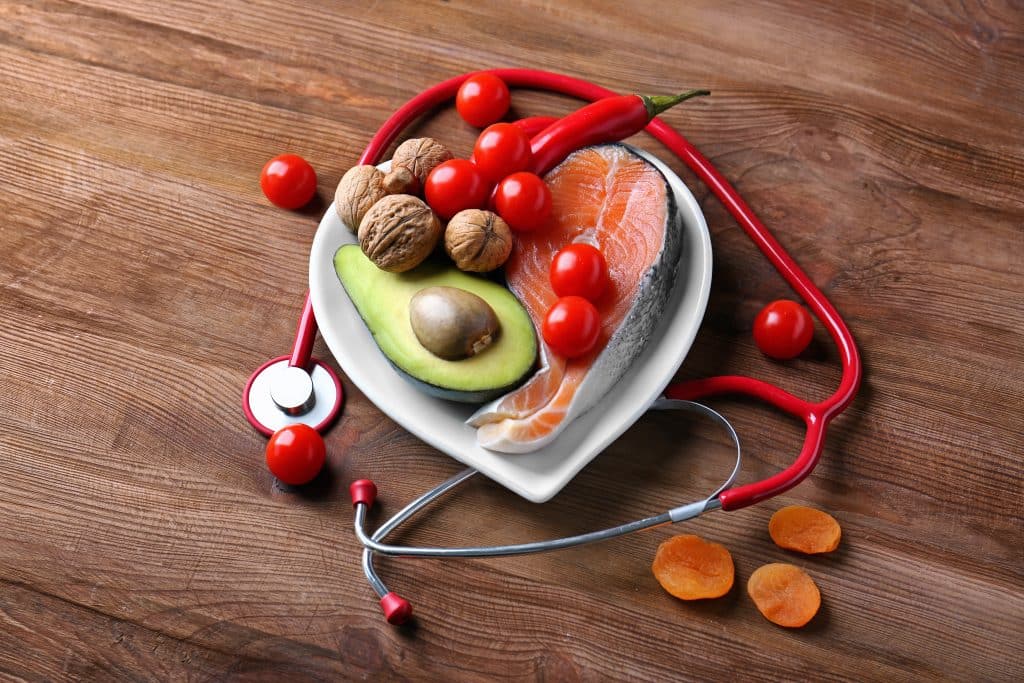 Are you looking to make significant strides in your health? Learning how to reduce inflammation in your body through strategic dietary changes in 2026 is a powerful step towards improved well-being and vitality.
Chronic inflammation, often a silent assailant, can contribute to numerous health issues, from heart disease to autoimmune conditions. The good news is that your plate holds immense power in combating this widespread problem.
Understanding Chronic Inflammation and Its Impact
Chronic inflammation is a persistent, low-grade immune response that, unlike acute inflammation (which helps heal injuries), can damage healthy tissues and organs over time.
It’s a key player in many chronic diseases, making it a critical area of focus for maintaining long-term health.
When your body perceives a threat, whether from an injury, infection, or irritant, it triggers an inflammatory response.
This is a vital protective mechanism. However, when this response becomes prolonged and systemic, it shifts from being a protector to a potential aggressor.
The insidious nature of chronic inflammation lies in its often subtle symptoms, which can be easily dismissed until significant health problems arise. Understanding its roots and manifestations is the first step toward effective management.
The Silent Threat: How Inflammation Manifests
Many people don’t realize they are experiencing chronic inflammation until they receive a diagnosis of a related condition.
The symptoms can be vague and generalized, often mimicking other common ailments. This makes early detection challenging but crucial for intervention.
Recognizing these signs can empower individuals to seek appropriate dietary and lifestyle modifications.
Persistent fatigue and low energy levels.
Joint pain and stiffness, often mistaken for normal aging.
Digestive issues like bloating, gas, and irregular bowel movements.
Skin problems such as acne, eczema, or psoriasis.
Brain fog and difficulty concentrating.
These seemingly minor issues can accumulate, signaling a deeper inflammatory process at play. Addressing them proactively through dietary changes can prevent further progression and improve overall quality of life.
Connecting Diet to Inflammatory Pathways
The food you consume directly influences your body’s inflammatory state. Certain dietary patterns can either fuel inflammation or help quell it.
Modern Western diets, rich in processed foods, refined sugars, and unhealthy fats, are often pro-inflammatory.
Conversely, diets abundant in whole, unprocessed foods, rich in antioxidants and omega-3 fatty acids, can significantly reduce inflammatory markers.
The gut microbiome plays a pivotal role in this connection. An unhealthy gut, often a consequence of poor dietary choices, can lead to increased intestinal permeability, allowing inflammatory compounds to enter the bloodstream.
This cycle perpetuates systemic inflammation, underscoring the importance of a gut-friendly, anti-inflammatory diet.
Ultimately, managing chronic inflammation begins with understanding its pervasive impact and recognizing the profound influence of your daily food choices.
By making informed decisions about what you eat, you can actively work to reduce inflammation in your body and foster a healthier future.
The Anti-Inflammatory Food Pyramid for 2026
Building an anti-inflammatory diet can feel overwhelming, but visualizing it as a food pyramid simplifies the process.
This pyramid emphasizes whole, unprocessed foods, placing them at the foundation of your daily intake. It’s about shifting focus from what you can’t eat to the vast array of beneficial foods you can incorporate.
The base of this pyramid is dedicated to plant-based foods, followed by healthy fats, lean proteins, and finally, occasional indulgences.
This structure helps guide your choices to consistently support your body’s anti-inflammatory processes, making it easier to reduce inflammation in your body.
Foundation: Fruits, Vegetables, and Whole Grains
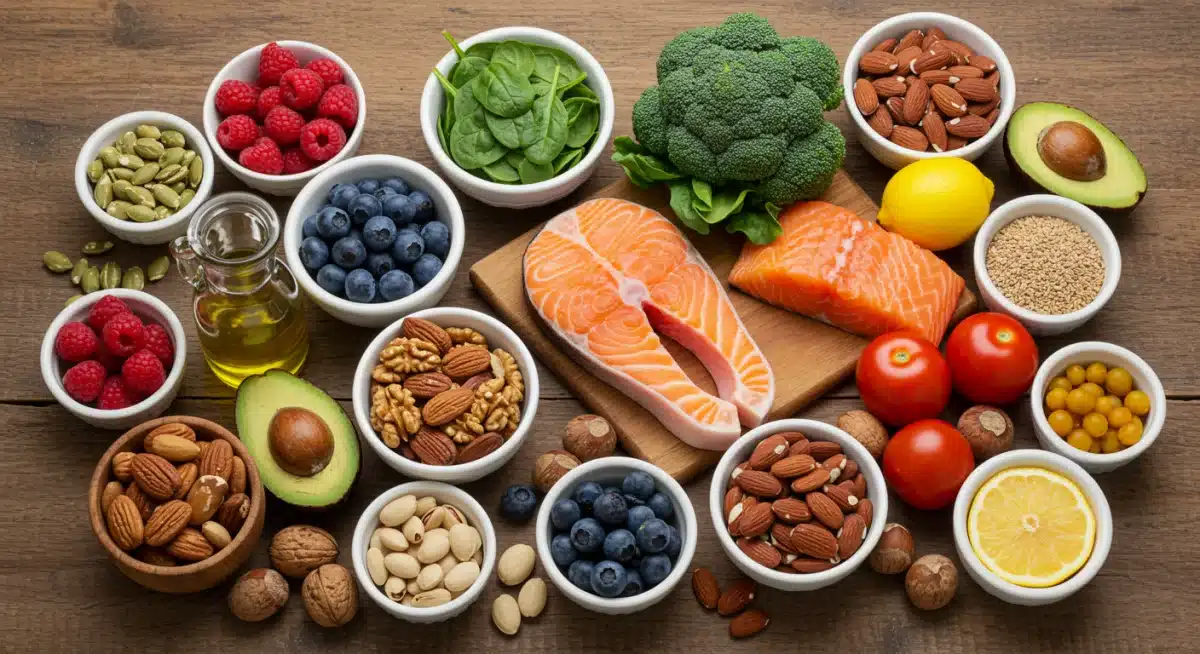
At the very bottom of the anti-inflammatory food pyramid are fruits, vegetables, and whole grains. These foods are packed with antioxidants, fiber, and phytonutrients that combat oxidative stress and inflammation. Aim for a wide variety of colors to ensure a broad spectrum of nutrients.
Leafy Greens: Spinach, kale, collard greens are rich in vitamins K and A.
Berries: Blueberries, strawberries, raspberries provide powerful antioxidants called anthocyanins.
Cruciferous Vegetables: Broccoli, cauliflower, Brussels sprouts contain sulforaphane, a potent anti-inflammatory compound.
Whole Grains: Oats, quinoa, brown rice offer fiber and complex carbohydrates, stabilizing blood sugar.
Prioritizing these foods in every meal forms the cornerstone of an anti-inflammatory eating plan. Their high fiber content also supports a healthy gut microbiome, which is crucial for reducing systemic inflammation.
Mid-Level: Healthy Fats and Lean Proteins
Moving up the pyramid, healthy fats and lean proteins play crucial roles. Healthy fats, particularly those rich in omega-3 fatty acids, are renowned for their anti-inflammatory properties.
Lean proteins are essential for tissue repair and overall body function without contributing to inflammation.
Omega-3 Rich Foods:
Fatty fish like salmon, mackerel, and sardines.
Flaxseeds, chia seeds, and walnuts.
Olive oil (extra virgin) and avocados.
These fats help balance the omega-6 to omega-3 ratio, which is often skewed in modern diets towards pro-inflammatory omega-6s. Incorporating these healthy fats daily is a vital strategy to reduce inflammation in your body.
Lean Protein Sources:
Skinless poultry and lean cuts of beef (in moderation).
Legumes like lentils and beans.
Plant-based proteins such as tofu and tempeh.
Opting for these protein sources over processed meats or those high in saturated fats helps maintain a balanced inflammatory response.
The anti-inflammatory food pyramid for 2026 emphasizes a holistic approach, ensuring that each layer contributes to a synergistic effect that promotes overall health and combats chronic inflammation.
Key Anti-Inflammatory Foods to Prioritize in 2026
As we look to 2026, the focus on specific anti-inflammatory foods intensifies, with new research continually highlighting their benefits.
Incorporating these powerhouses into your daily meals can significantly help to reduce inflammation in your body, offering both preventative and therapeutic advantages. It’s about making conscious choices that directly support your body’s natural healing mechanisms.
Beyond general categories, certain foods stand out due to their concentrated anti-inflammatory compounds. These aren’t just trendy ingredients; they are scientifically backed powerhouses that deserve a regular spot on your plate. Building your meals around these items can maximize your efforts in combating chronic inflammation.
The Power of Omega-3s: Fatty Fish and Seeds
Omega-3 fatty acids are perhaps the most well-known anti-inflammatory nutrients. They work by reducing the production of molecules and substances linked to inflammation, such as eicosanoids and cytokines. Including rich sources of omega-3s regularly is a cornerstone of an anti-inflammatory diet.
Wild-caught Salmon: A top source of EPA and DHA, consume at least twice a week.
Sardines and Mackerel: Smaller, sustainable fish that are also excellent sources of omega-3s.
Flaxseeds and Chia Seeds: Great plant-based sources of ALA (alpha-linolenic acid), which the body can convert to EPA and DHA.
Walnuts: Another good plant source of ALA, perfect for snacks or salad toppings.
Regular intake of these foods can help balance the omega-6 to omega-3 ratio, which is crucial for modulating inflammatory responses. This balance is key to effectively reducing inflammation in your body.
Antioxidant-Rich Produce: Berries, Leafy Greens, and Turmeric
Antioxidants protect your cells from damage caused by free radicals, which can trigger inflammatory responses.
A colorful array of fruits and vegetables ensures you’re getting a wide range of these protective compounds. Spices also play a significant role due to their potent anti-inflammatory properties.

Top antioxidant picks for 2026:
Berries (Blueberries, Raspberries, Strawberries): High in anthocyanins, powerful antioxidants that reduce inflammatory markers.
Spinach and Kale: Rich in vitamins K, A, and C, as well as various phytonutrients that combat inflammation.
Broccoli and Brussels Sprouts: Contain sulforaphane, a compound known for its anti-inflammatory and anti-cancer properties.
Turmeric: Its active compound, curcumin, is a potent anti-inflammatory agent. Incorporate it into cooking or consider supplements.
Ginger: Known for its anti-inflammatory and antioxidant effects, often used in teas and culinary dishes.
These foods not only fight inflammation but also contribute to overall vitality and disease prevention. By consciously integrating these key anti-inflammatory foods into your diet, you’re taking proactive steps to safeguard your health and reduce inflammation in your body effectively.
Foods to Avoid or Limit for Lowering Inflammation
Just as certain foods promote an anti-inflammatory state, others actively contribute to and exacerbate chronic inflammation.
To effectively reduce inflammation in your body, it’s equally important to identify and minimize the intake of these pro-inflammatory culprits.
This isn’t about deprivation, but about making informed choices that prioritize your long-term health.
Understanding which foods to limit or avoid is a crucial component of any anti-inflammatory dietary strategy.
Many of these items are staples in the typical Western diet, making their reduction a significant, yet necessary, adjustment for many individuals. The goal is to gradually replace them with healthier alternatives.
The Usual Suspects: Processed Foods and Refined Sugars
Processed foods and refined sugars are among the biggest drivers of inflammation. They often contain unhealthy fats, artificial ingredients, and high amounts of sugar, all of which can trigger inflammatory responses in the body. Limiting these is a fundamental step towards an anti-inflammatory lifestyle.
Sugary Drinks: Sodas, fruit juices (with added sugar), and energy drinks are loaded with refined sugars that spike blood glucose and promote inflammation.
Baked Goods and Desserts: Cakes, cookies, pastries, and candies are typically high in refined sugar, unhealthy fats, and processed flours.
Processed Meats: Hot dogs, sausages, bacon, and deli meats often contain high levels of saturated fats, sodium, and preservatives that can contribute to inflammation.
Refined Grains: White bread, white pasta, and white rice lack fiber and nutrients, leading to rapid blood sugar spikes.
These foods not only fuel inflammation but can also lead to weight gain, insulin resistance, and an imbalance in gut bacteria, further complicating your body’s ability to maintain a healthy inflammatory response.
Unhealthy Fats and Artificial Additives
Certain fats, particularly trans fats and excessive omega-6 fatty acids, can significantly contribute to inflammation.
Artificial additives found in many packaged foods also pose a risk, as they can disrupt gut health and trigger immune responses.
Fats to limit or avoid:
Trans Fats: Found in partially hydrogenated oils, often present in fried foods, fast food, and some processed snacks.
Excessive Omega-6 Fatty Acids: While essential, an imbalance with omega-3s can be pro-inflammatory. Common in vegetable oils like corn, soybean, and sunflower oil.
Saturated Fats: High amounts found in red and processed meats, full-fat dairy, and some tropical oils can be inflammatory for some individuals.
Artificial Additives:
Artificial Sweeteners: Some studies suggest they can negatively impact gut microbiome, influencing inflammation.
Food Dyes and Preservatives: Can trigger sensitivities and inflammatory reactions in susceptible individuals.
By consciously reducing your intake of these pro-inflammatory foods and opting for whole, unprocessed alternatives, you empower your body to heal and reduce inflammation in your body more effectively. This shift is not just about avoiding harm, but actively choosing health.
Strategic Meal Planning for Anti-Inflammatory Living in 2026
Effective meal planning is the cornerstone of a sustainable anti-inflammatory diet. It transforms the concept of eating for health from an occasional effort into a consistent lifestyle.
For 2026, strategic meal planning means not just choosing the right foods, but also organizing them in a way that fits your busy schedule and ensures a continuous supply of anti-inflammatory nutrients. This proactive approach is essential to consistently reduce inflammation in your body.
Without a plan, even the best intentions can falter, leading to reliance on convenient, often pro-inflammatory, options. Meal planning helps you stay on track, saves time and money, and ensures you’re always prepared with healthy choices. It’s about creating a system that supports your anti-inflammatory goals seamlessly.
Building Balanced Anti-Inflammatory Meals
Each meal should be a balanced composition of anti-inflammatory components. Think of it as a plate divided: half vegetables, a quarter lean protein, and a quarter whole grains or healthy fats.
This simple visual guide can help ensure you’re getting a diverse range of nutrients that fight inflammation.
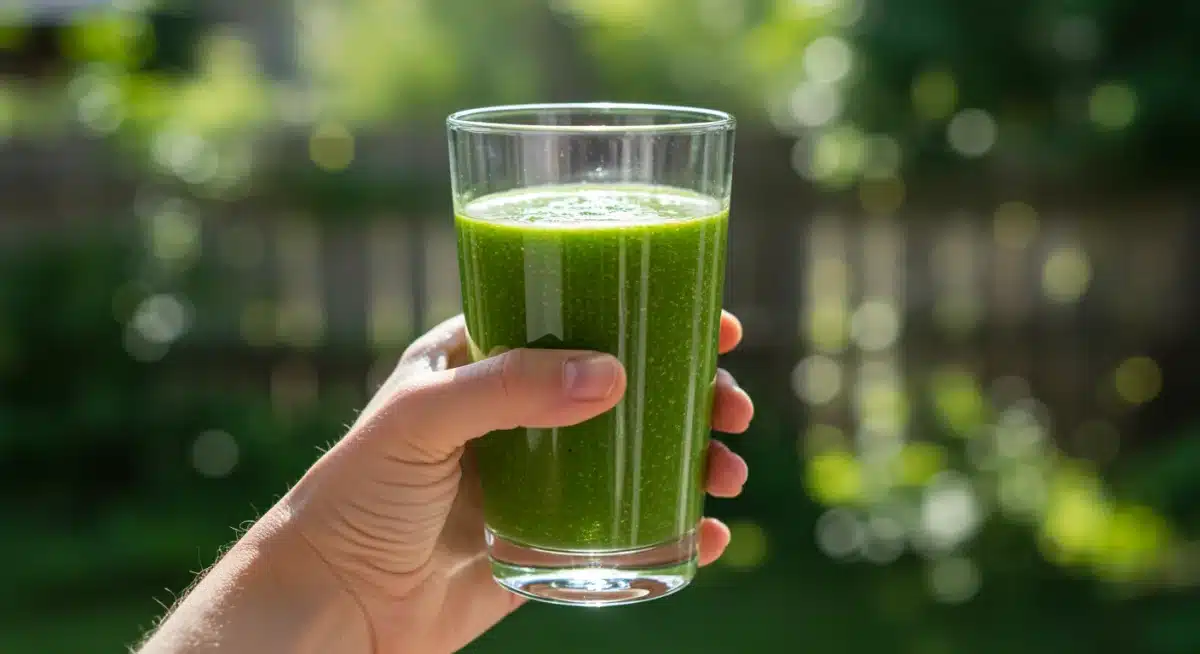
Breakfast: Start with a green smoothie (spinach, berries, chia seeds) or oatmeal with berries and walnuts.
Lunch: A large salad with mixed greens, grilled salmon or chickpeas, avocado, and an olive oil vinaigrette.
Dinner: Baked chicken breast with steamed broccoli and quinoa, or a lentil stew with plenty of vegetables.
Snacks: A handful of almonds, an apple with a tablespoon of almond butter, or a small bowl of berries.
The key is variety and consistency. Rotating your anti-inflammatory food choices throughout the week ensures a broad spectrum of protective compounds and prevents dietary boredom. This variety is also crucial for nurturing a diverse and healthy gut microbiome.
Batch Cooking and Prep for Success
One of the biggest challenges in maintaining a healthy diet is time. Batch cooking and strategic meal prep can significantly alleviate this pressure, making it easier to stick to your anti-inflammatory plan throughout the week.
Dedicating a few hours once or twice a week to prep can make all the difference.
Tips for effective meal prep:
Cook Grains in Bulk: Prepare a large batch of quinoa or brown rice to use in multiple meals.
Chop Vegetables: Pre-chop vegetables for salads, stir-fries, or roasting to save time during busy weekdays.
Roast Proteins: Cook a large tray of chicken or fish that can be portioned out for several meals.
Assemble Salad Jars: Layer ingredients in jars for quick, grab-and-go lunches.
Prepare Healthy Snacks: Portion out nuts, seeds, or cut-up fruits and vegetables into individual containers.
By implementing these strategic meal planning techniques, you create an environment where healthy, anti-inflammatory eating is the default, not the exception.
This consistent effort is vital to reduce inflammation in your body and sustain long-term health benefits.
Beyond Diet: Lifestyle Factors Supporting Anti-Inflammatory Goals
While dietary changes are paramount in the quest to reduce inflammation in your body, they are part of a larger picture of holistic wellness.
Lifestyle factors play a significant, often underestimated, role in modulating inflammatory responses. For 2026, adopting a comprehensive approach that integrates diet with other healthy habits will yield the most impactful and sustainable results.
It’s about creating an environment within and around your body that naturally discourages inflammation.
Thinking beyond the plate means addressing stress, sleep, physical activity, and environmental exposures.
These elements can either amplify or diminish the effectiveness of your dietary efforts. A balanced lifestyle works synergistically with your food choices to fortify your body’s defenses against chronic inflammation.
The Critical Role of Stress Management and Quality Sleep
Chronic stress and inadequate sleep are powerful drivers of inflammation. When you’re stressed, your body releases hormones like cortisol, which, while acutely anti-inflammatory, can become pro-inflammatory when chronically elevated.
Similarly, sleep deprivation disrupts various bodily systems, leading to increased inflammatory markers.
Strategies for stress reduction:
Mindfulness and Meditation: Regular practice can lower cortisol levels and promote relaxation.
Yoga and Deep Breathing: Techniques that calm the nervous system and reduce stress responses.
Spending Time in Nature: Known to reduce stress and improve mood.
Hobbies and Social Connection: Engaging in enjoyable activities and maintaining strong social ties can buffer stress.
Improving sleep quality:
Consistent Sleep Schedule: Go to bed and wake up at the same time daily, even on weekends.
Optimize Sleep Environment: Keep your bedroom dark, quiet, and cool.
Limit Screen Time Before Bed: Blue light can interfere with melatonin production.
Avoid Caffeine and Heavy Meals Late: These can disrupt sleep patterns.
Prioritizing these aspects of your well-being directly supports your body’s ability to regulate inflammation, enhancing the benefits of your anti-inflammatory diet.
Regular Physical Activity and Environmental Awareness
Regular, moderate physical activity is a potent anti-inflammatory tool. It helps reduce inflammatory markers, improves circulation, and supports a healthy weight, which is also beneficial for inflammation management.
However, excessive or high-intensity exercise without adequate recovery can sometimes be pro-inflammatory, so balance is key.
Benefits of physical activity:
Reduces Inflammatory Cytokines: Exercise helps lower levels of pro-inflammatory substances.
Improves Insulin Sensitivity: Reduces the risk of inflammation associated with metabolic dysfunction.
Supports Healthy Weight: Excess adipose tissue can be a source of chronic inflammation.
Environmental factors:
Reduce Exposure to Toxins: Minimize contact with pollutants, pesticides, and household chemicals that can trigger inflammation.
Stay Hydrated: Adequate water intake is essential for cellular function and detoxification, supporting anti-inflammatory processes.
Consider Gut Health: A healthy gut microbiome is fundamental; probiotics and prebiotics can be beneficial.
By integrating these lifestyle elements alongside your dietary changes, you create a powerful, multi-faceted strategy to reduce inflammation in your body.
This holistic approach ensures that you’re not just treating symptoms but fostering true, lasting health and resilience.
Monitoring Progress and Sustaining Your Anti-Inflammatory Journey
Embarking on an anti-inflammatory dietary journey is a long-term commitment, not a quick fix. Monitoring your progress and finding sustainable ways to integrate these changes into your daily life are crucial for success in 2026 and beyond.
It’s about listening to your body, making adjustments, and celebrating small victories as you work to reduce inflammation in your body effectively.
The body’s response to dietary changes can be gradual, and patience is a virtue. Establishing clear ways to track your progress, both subjectively and objectively, will keep you motivated and help you fine-tune your approach. This includes paying attention to how you feel, as well as considering more formal markers.
Tracking Symptoms and Energy Levels
One of the most immediate and tangible ways to monitor your progress is by keeping a journal of your symptoms and energy levels.
Chronic inflammation often manifests through subtle signs that, when observed over time, can reveal significant patterns and improvements. This personal data is invaluable for understanding your body’s unique response to dietary shifts.
Symptom Journal: Regularly note any joint pain, digestive discomfort, skin issues, or brain fog. Look for reductions in severity or frequency.
Energy Tracker: Rate your energy levels daily to identify improvements in stamina and overall vitality.
Mood and Focus: Observe changes in mood stability and cognitive clarity, as inflammation can impact mental well-being.
Sleep Quality: Track how well you sleep, noting improvements in falling asleep, staying asleep, and waking refreshed.
These subjective measures provide personal insights that lab tests might not capture, empowering you to connect your dietary choices directly to your well-being.
This direct feedback serves as a powerful motivator to continue your efforts to reduce inflammation in your body.
Consulting Professionals and Laboratory Markers
While self-monitoring is essential, involving healthcare professionals can provide objective assessments and personalized guidance.
Doctors and registered dietitians can help interpret laboratory markers of inflammation and offer tailored advice based on your specific health profile. This professional input ensures your journey is safe, effective, and evidence-based.
Key laboratory markers to discuss with your doctor:
C-Reactive Protein (CRP): A common blood test that measures general inflammation levels in the body.
Erythrocyte Sedimentation Rate (ESR): Another indicator of inflammation, though less specific than CRP.
Homocysteine Levels: Elevated levels can be associated with inflammation and cardiovascular risk.
Blood Sugar and Insulin Levels: Important for assessing metabolic health, which is closely linked to inflammation.
These objective markers, combined with your subjective experience, offer a comprehensive view of your inflammatory status.
Remember, the goal is not just to reduce inflammation in your body but to cultivate a sustainable lifestyle that supports long-term health and vitality.
By actively monitoring your progress and seeking professional advice, you empower yourself to make informed decisions and maintain your anti-inflammatory journey effectively.
| Key Dietary Change | Brief Description |
|---|---|
| Prioritize Whole Foods | Focus on fruits, vegetables, and whole grains to boost antioxidants and fiber. |
| Increase Omega-3s | Incorporate fatty fish, flaxseeds, and walnuts to combat inflammatory pathways. |
| Limit Processed Items | Reduce intake of refined sugars, trans fats, and artificial additives that fuel inflammation. |
| Hydration & Spices | Stay well-hydrated and use anti-inflammatory spices like turmeric and ginger. |
Frequently Asked Questions About Anti-Inflammatory Diets
What exactly is chronic inflammation and how can I reduce it?
Chronic inflammation is a persistent, low-grade immune response that can gradually damage healthy cells and tissues.
Unlike short-term (acute) inflammation, which helps the body heal, chronic inflammation can contribute to conditions such as heart disease, diabetes, and autoimmune disorders.
Adopting healthier lifestyle habits and dietary improvements can help reduce this ongoing inflammatory burden and protect long-term health.
How quickly can I reduce inflammation with dietary changes?
The timeline to reduce inflammation varies by individual. Many people notice improvements in energy, digestion, and joint comfort within a few weeks of consistently following an anti-inflammatory eating plan.
However, measurable reductions in inflammatory markers — such as C-reactive protein (CRP) — may take several months. Consistency is key to sustainably reduce inflammation.
Are supplements helpful to reduce inflammation?
Some supplements may support efforts to reduce inflammation, including omega-3 fatty acids, curcumin (turmeric extract), ginger, and vitamin D.
However, supplements should complement — not replace — a balanced diet. Always consult a healthcare professional before starting new supplements to ensure they safely support your plan to reduce inflammation.
Can an anti-inflammatory diet help reduce weight?
Yes. By focusing on whole foods and limiting refined sugars and processed fats, an anti-inflammatory diet can help reduce excess body weight.
Stabilizing blood sugar and improving metabolic balance makes it easier to reduce cravings and maintain sustainable weight loss, which in turn helps further reduce inflammation.
Does dairy increase inflammation, or can I reduce symptoms while consuming it?
Dairy affects individuals differently. Some people may experience increased inflammation with certain dairy products, while others tolerate them well.
If you suspect dairy contributes to symptoms, temporarily removing it from your diet may help reduce discomfort. After a trial period, you can reintroduce it gradually to evaluate how your body responds.
Conclusion
Choosing to reduce inflammation in your body through intentional dietary changes in 2026 is one of the most powerful decisions you can make for long-term health.
When you focus on whole, nutrient-dense foods and follow an anti-inflammatory eating pattern, you actively help reduce chronic inflammation at its source.
By prioritizing fruits, vegetables, healthy fats, lean proteins, and fiber-rich foods — while limiting processed ingredients, added sugars, and trans fats — you naturally reduce inflammatory stress on your body.
Pairing these dietary adjustments with supportive lifestyle habits such as quality sleep, stress management, hydration, and regular movement can further reduce systemic inflammation and strengthen overall resilience.
This comprehensive strategy does more than simply reduce short-term discomfort. It builds a foundation for sustained vitality, improved immune balance, and better long-term disease prevention.
Remember, you don’t need extreme measures to reduce inflammation. Small, consistent improvements in daily food choices accumulate over time, helping you reduce health risks and enhance your overall well-being for years to come.