Improve Your Posture 2026: Exercises for Slouching & Back Pain

 Improving posture involves a combination of targeted exercises, ergonomic adjustments, and mindful awareness to correct slouching and alleviate chronic back pain, promoting long-term spinal health and overall physical comfort.Are you ready to truly improve posture exercises in 2026 and say goodbye to that persistent slouch or nagging back pain?
In a world increasingly dominated by screens and sedentary lifestyles, maintaining good posture has become more challenging, yet more critical than ever.
This comprehensive guide will equip you with simple, effective exercises and practical strategies to transform your posture, enhance your well-being, and alleviate discomfort, setting you up for a healthier, more confident year ahead.
Understanding the Impact of Poor Posture
Poor posture is far more than just an aesthetic concern; it’s a significant contributor to a myriad of health issues that can severely impact your quality of life.
From chronic pain to reduced organ function, the consequences of neglecting your spinal alignment can be profound and far-reaching. Recognizing these impacts is the first crucial step towards motivating yourself to make lasting changes.
Many individuals often dismiss initial signs of poor posture, such as mild discomfort or occasional stiffness, as normal parts of aging or daily stress.
However, these seemingly minor issues can escalate into more severe conditions if left unaddressed. The human body is an intricate machine, and when its foundational structure—the spine—is out of alignment, the entire system can suffer.
Common Consequences of Slouching
Slouching, a prevalent form of poor posture, can lead to a cascade of physical problems. It compresses your internal organs, restricts breathing, and places undue stress on your muscles and joints. Understanding these specific outcomes can help emphasize the urgency of adopting better postural habits.
Chronic Back and Neck Pain: The most immediate and common complaint, resulting from uneven pressure distribution on spinal discs and ligaments.
Headaches and Jaw Pain: Forward head posture, often associated with slouching, can strain neck muscles, leading to tension headaches and even temporomandibular joint (TMJ) dysfunction.
Reduced Lung Capacity: A hunched position constricts the diaphragm and lungs, limiting their ability to fully expand and reducing oxygen intake.
Digestive Issues: Compressed abdominal organs can slow down digestion and contribute to discomfort like acid reflux and constipation.
Nerve Compression: Misaligned vertebrae can pinch nerves, leading to numbness, tingling, and radiating pain in the limbs.
Ultimately, poor posture creates a vicious cycle. The pain and discomfort it causes can lead to further avoidance of activities, weakening core muscles, and perpetuating the problem. Breaking this cycle requires a conscious effort and consistent application of corrective measures.
The Science Behind Good Posture
Achieving and maintaining good posture isn’t just about standing up straight; it’s a complex interplay of muscles, bones, and neurological feedback. Understanding the underlying science can provide a clearer roadmap for effective intervention and long-term success. It’s about retraining your body’s natural alignment.
At its core, good posture involves maintaining the natural curves of your spine: the cervical (neck), thoracic (mid-back), and lumbar (lower back) curves. These curves act as natural shock absorbers, distributing weight evenly and protecting your spinal cord. When these curves are exaggerated or flattened, the system becomes compromised.
Key Muscle Groups for Support
Several muscle groups play pivotal roles in supporting good posture. Strengthening these muscles and ensuring they work in harmony is essential. Weakness or imbalance in any of these areas can lead to postural deviations.
Core Muscles: The deep abdominal muscles (transverse abdominis), obliques, and pelvic floor muscles act as a natural corset, stabilizing the spine.
Back Extensors: Muscles along the spine (erector spinae) help keep your back straight and prevent slouching.
Shoulder Blade Stabilizers: Rhomboids and trapezius muscles pull your shoulder blades down and back, preventing rounded shoulders.
Gluteal Muscles: Strong glutes contribute to pelvic stability, which directly impacts the curvature of the lower spine.
Beyond muscle strength, proprioception—your body’s sense of its position in space—is also crucial. Regular movement and awareness exercises can enhance proprioceptive feedback, helping your brain better understand and correct your posture without conscious thought. This neurological aspect is often overlooked but is vital for intrinsic postural control.
Simple Daily Exercises to Improve Posture
Embarking on a journey to improve your posture doesn’t require hours at the gym or complex equipment. Many effective exercises can be seamlessly integrated into your daily routine, taking just a few minutes but yielding significant results over time. Consistency is key, even with small movements.
These exercises focus on strengthening the core, improving spinal mobility, and opening up the chest and shoulders, directly counteracting the effects of prolonged sitting and slouching. Start gradually and listen to your body, increasing repetitions or duration as you build strength and flexibility.
Foundation Exercises for Spinal Health
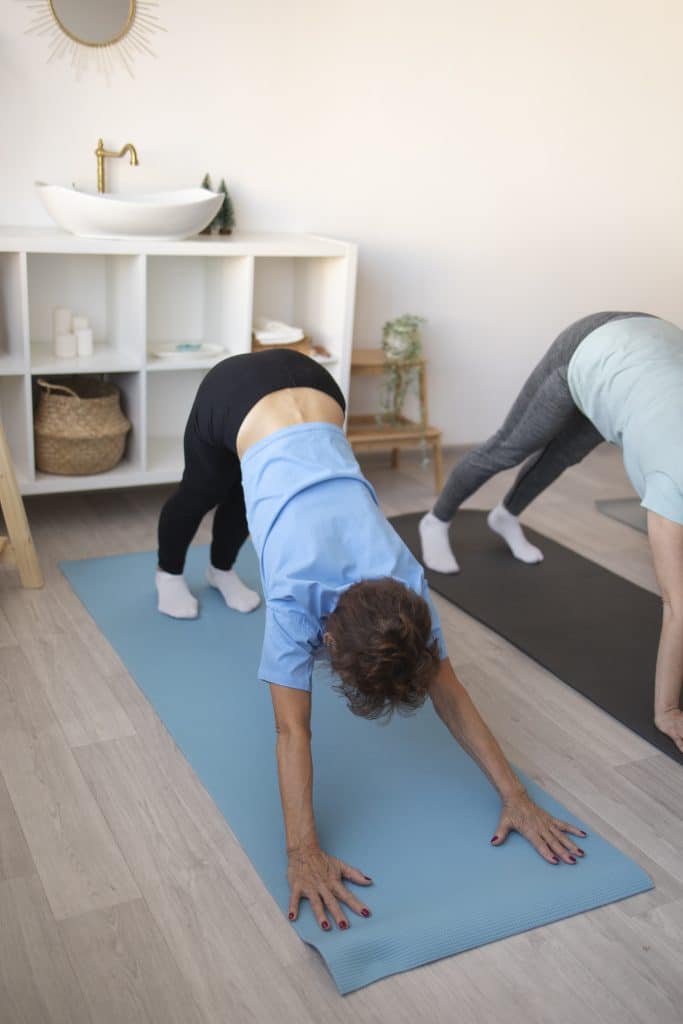
These foundational exercises are excellent starting points for anyone looking to correct slouching and alleviate back pain. They target core stability and promote healthy spinal movement, essential components of strong posture.
Cat-Cow Stretch: On hands and knees, arch your back on an inhale (cow) and round it on an exhale (cat). This mobilizes the spine and gently stretches the back muscles.
Thoracic Extension: Lie on your back with a foam roller horizontally under your mid-back. Gently arch over it, extending your arms overhead. This opens the chest and improves upper back flexibility.
Wall Angels: Stand with your back against a wall, feet shoulder-width apart. Press your lower back, shoulders, and head against the wall. Slowly slide your arms up and down, keeping them in contact with the wall, mimicking a snow angel.
Pelvic Tilts: Lie on your back with knees bent, feet flat. Gently flatten your lower back against the floor by tilting your pelvis up, then release. This strengthens abdominal muscles and improves lower back awareness.
Incorporating these exercises daily, even for just 5-10 minutes, can create a noticeable difference in how you carry yourself and how your body feels. Remember to breathe deeply throughout each movement, enhancing both the physical and mental benefits.
Ergonomics: Optimizing Your Environment for Posture
While exercises are vital, your daily environment plays an equally significant role in shaping your posture. Poor ergonomic setups, especially in workspaces, can undermine your efforts to correct slouching and exacerbate back pain. Optimizing your surroundings is a proactive step toward sustainable postural health.
Ergonomics isn’t just about fancy chairs; it’s about arranging your environment to support your body’s natural alignment and minimize strain during prolonged activities. This applies to your office, your car, and even how you relax at home. Small adjustments can make a world of difference in preventing cumulative stress on your spine.
Setting Up an Ergonomic Workspace
For many Americans, a significant portion of the day is spent at a desk. Therefore, ensuring your workspace is ergonomically sound is paramount. It’s an investment in your long-term health and productivity.
Chair Adjustment: Choose a chair with good lumbar support. Your feet should be flat on the floor or a footrest, and your knees should be at a 90-degree angle. The backrest should support the natural curve of your spine.
Monitor Placement: Position your monitor at arm’s length, with the top of the screen at or slightly below eye level. This prevents neck strain and forward head posture.
Keyboard and Mouse: Keep your keyboard and mouse close to your body to avoid reaching, which strains shoulders and wrists. Your wrists should be straight, not bent up or down.
Frequent Breaks: Even with a perfect setup, prolonged static positions are detrimental. Take short breaks every 30-60 minutes to stand, stretch, and move around.
Beyond the office, consider your sleeping posture. A supportive mattress and pillow that align your head, neck, and spine are crucial for restorative rest and preventing morning stiffness. Evaluate your car seat as well, ensuring adequate lumbar support for longer drives. A holistic approach to ergonomics covers all aspects of your daily life.
Strengthening Your Core for Lasting Posture Improvement
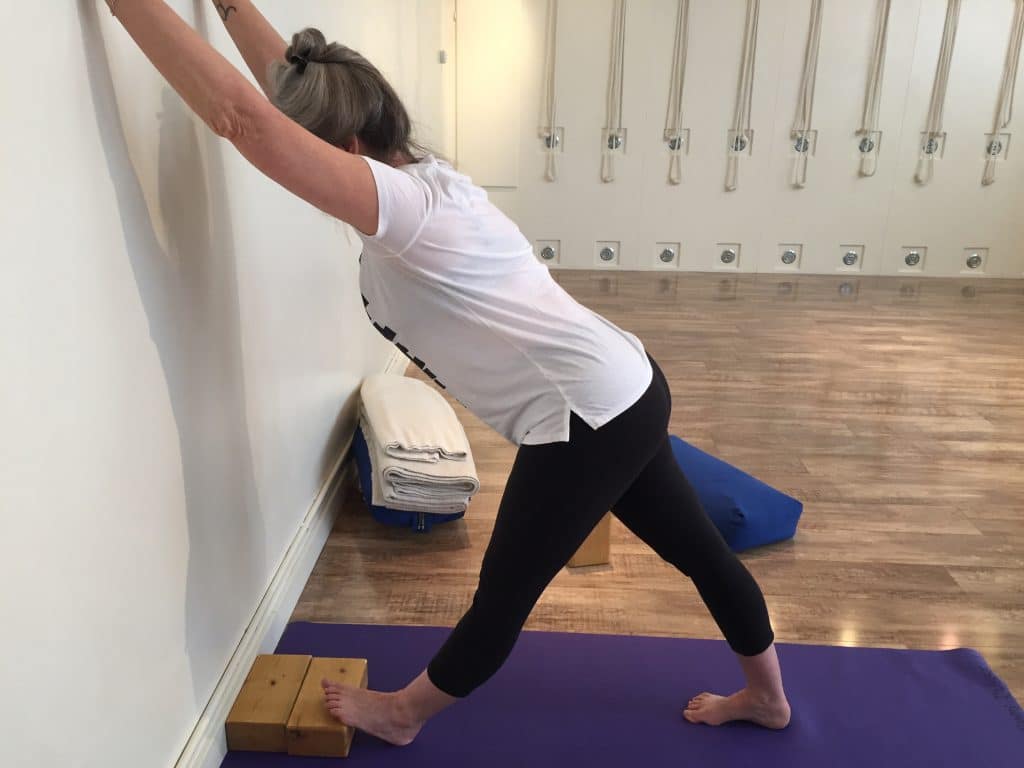
A strong core is the bedrock of good posture. Often misunderstood as just the ‘abs,’ the core actually encompasses a complex group of muscles that stabilize your entire torso, pelvis, and spine. Neglecting these muscles makes you more susceptible to slouching and back pain.
Developing a robust core isn’t about achieving a six-pack; it’s about building functional strength that supports your everyday movements and maintains spinal integrity. These muscles work synergistically to protect your back and allow for efficient movement, making them indispensable for anyone looking to improve their posture.
Effective Core Strengthening Exercises
Integrating targeted core exercises into your routine will significantly enhance your ability to maintain proper posture throughout the day. Focus on controlled movements and engaging the deep abdominal muscles rather than just the superficial ones.
Plank: A cornerstone core exercise. Hold your body in a straight line from head to heels, engaging your abs and glutes. Start with short durations and gradually increase.
Bird-Dog: On hands and knees, extend one arm forward and the opposite leg backward, keeping your core stable and back flat. This improves balance and core stability without spinal flexion.
Dead Bug: Lie on your back with knees bent at 90 degrees, arms extended towards the ceiling. Slowly lower one arm and the opposite leg towards the floor, keeping your lower back pressed into the mat.
Side Plank: Similar to a regular plank but on your side, supporting your weight on one forearm and the side of your foot. This targets the oblique muscles, crucial for lateral stability.
Remember that breathing correctly during core exercises is vital. Inhale deeply into your belly and exhale as you engage your core, pulling your naval towards your spine. This ensures you’re activating the deep core muscles effectively. Consistent core work will translate into better posture and reduced back pain.
Mindfulness and Postural Awareness
While exercises and ergonomic adjustments are foundational, the continuous, conscious effort to maintain good posture throughout your day is equally important. This is where mindfulness and developing postural awareness come into play. It’s about retraining your brain to recognize and correct poor habits.
Many individuals adopt poor posture unconsciously, often due to habit, fatigue, or the demands of their activities. Becoming mindful of your body’s position throughout the day allows you to catch yourself slouching and make immediate corrections, preventing a return to old patterns. This active awareness is a powerful tool for lasting change.
Techniques for Cultivating Postural Awareness
Integrating simple mindfulness techniques can significantly accelerate your progress in improving posture. These methods help bridge the gap between knowing what good posture feels like and consistently enacting it.
Regular Body Scans: Periodically check in with your body. Are your shoulders rounded? Is your head pushed forward? Is your lower back arched or flattened? Gently adjust to a neutral position.
Visual Cues: Place sticky notes with reminders like “shoulders back” or “sit tall” in prominent places in your workspace or home.
Timer Reminders: Set a timer to go off every hour. When it rings, take a moment to assess and correct your posture, and perhaps do a quick stretch.
Mirror Checks: Occasionally check your posture in a mirror, both standing and sitting. This visual feedback can be very enlightening and help you identify areas for improvement.
Developing postural awareness is a continuous process, not a one-time fix. It requires patience and persistence, but the ability to self-correct your posture consciously will eventually lead to unconscious, habitual good posture. This mindful approach is a critical component of long-term success in alleviating back pain and maintaining a healthy spine.
Integrating Posture Improvement into Your Lifestyle
To truly improve your posture in 2026 and beyond, it needs to become an ingrained part of your lifestyle, not just a temporary project. This means weaving postural awareness and corrective habits into the fabric of your daily life, making them as natural as breathing. It’s about creating sustainable change.
This integration involves more than just performing exercises; it’s about adopting a holistic mindset towards your physical well-being. Consider how every activity, from cooking to driving to relaxing on the couch, impacts your spinal alignment. Small, consistent efforts across various aspects of your life will build profound results.
Long-Term Strategies for Postural Health
Adopting these strategies will help ensure that your improved posture is not just a fleeting achievement but a lasting characteristic of your healthier lifestyle. They focus on continuous care and proactive prevention.
Stay Active: Regular physical activity, especially activities that promote flexibility and strength like yoga or Pilates, are excellent for maintaining good posture.
Hydration and Nutrition: Proper hydration keeps spinal discs healthy and pliable. A balanced diet supports muscle health and reduces inflammation, both crucial for a pain-free back.
Limit Sedentary Time: Break up long periods of sitting with movement. Consider a standing desk or simply take short walks throughout the day.
Listen to Your Body: Pay attention to early signs of discomfort. Don’t push through pain. Address issues promptly to prevent them from becoming chronic.
By consistently applying these principles, you’re not just correcting slouching or alleviating back pain; you’re investing in a more resilient, mobile, and comfortable future. Making posture improvement a lifestyle choice ensures that you reap the benefits of a healthy spine for years to come, contributing significantly to your overall quality of life and confidence.
| Key Aspect | Description for Posture Improvement |
|---|---|
| Targeted Exercises | Strengthen core, back, and shoulder muscles to support proper spinal alignment and reduce slouching. |
| Ergonomic Adjustments | Optimize workspaces, chairs, and sleeping positions to minimize strain and maintain natural curves. |
| Mindful Awareness | Consciously check and correct posture throughout the day, retraining the brain for better habits. |
| Lifestyle Integration | Incorporate regular movement, hydration, and nutritional choices for sustained spinal health. |
Frequently Asked Questions About Posture Correction
Significant posture improvement can often be observed within 3-6 months of consistent effort. This includes regular exercises, ergonomic adjustments, and mindful awareness. Individual results vary based on commitment and the severity of initial postural issues.
Yes, absolutely. Poor posture places uneven stress on spinal discs, ligaments, and muscles, leading to inflammation, muscle imbalances, and nerve compression. Over time, this can manifest as persistent and debilitating chronic back pain if left unaddressed.
Standing desks can be beneficial, but they are not a magic bullet. They help reduce prolonged sitting, but proper standing posture is still essential. Alternating between sitting and standing, and ensuring ergonomic setup in both positions, yields the best results for posture.
For beginners, simple exercises like cat-cow stretches, wall angels, and pelvic tilts are excellent starting points. They gently mobilize the spine, strengthen core muscles, and improve postural awareness without requiring advanced fitness levels or equipment.
It is rarely too late to make improvements to your posture, regardless of age. While long-standing habits may take more time and effort to correct, consistent exercises, ergonomic adjustments, and mindful awareness can significantly reduce pain and improve spinal alignment at any stage of life.
Conclusion
As you look to 2026, making a conscious commitment to improve your posture is one of the most impactful decisions you can make for your overall health and well-being. By diligently incorporating simple exercises, optimizing your environment through ergonomic adjustments, strengthening your core, and cultivating a mindful awareness of your body’s alignment, you can effectively correct slouching and alleviate persistent back pain.
This journey is not just about physical transformation; it’s about reclaiming comfort, boosting confidence, and fostering a healthier, more active lifestyle. Embrace these strategies, and you’ll soon experience the profound benefits of a well-aligned and pain-free posture.