7 Eco-Friendly DIY Projects for a Greener Home in 2026
 Are you ready to transform your home into a beacon of sustainability and significantly reduce your environmental impact? The journey towards a greener lifestyle often begins right where we live.
Embracing eco-friendly home hacks through do-it-yourself projects is not just a trend; it’s a powerful commitment to a healthier planet. This guide will walk you through seven impactful DIY projects designed to help you cut your household’s carbon footprint by a remarkable 10% by 2026, making a tangible difference for your community and the world.
Understanding your carbon footprint and why it matters
Before diving into specific projects, it’s crucial to grasp what a carbon footprint is and why reducing it is so vital. Your carbon footprint represents the total greenhouse gas emissions caused directly and indirectly by your activities.
Everything from the electricity you use to the food you consume contributes to this footprint. Reducing it helps mitigate climate change, preserves natural resources, and often leads to significant savings on utility bills.
Many people feel overwhelmed by the scale of environmental challenges, believing individual actions are too small to make a difference. However, collective small actions create monumental change. By consciously adopting eco-friendly home hacks, you’re not only benefiting your household but also inspiring others and contributing to a larger movement towards sustainability.
The impact of household emissions
Households are significant contributors to greenhouse gas emissions, primarily through energy consumption for heating, cooling, and electricity, as well as waste generation. Understanding where your household’s emissions come from is the first step towards effectively reducing them.
Energy use: Heating, ventilation, and air conditioning (HVAC) systems are major energy consumers.
Appliance efficiency: Older appliances often consume more power than newer, energy-efficient models.
Water consumption: Heating water for showers, laundry, and dishwashing requires considerable energy.
Waste generation: Landfilled waste produces methane, a potent greenhouse gas.
Setting a realistic goal: 10% reduction by 2026
A 10% reduction in your carbon footprint by 2026 is an ambitious yet achievable goal. It translates to making consistent, thoughtful changes over the next few years. This target encourages you to integrate sustainable practices into your daily life rather than viewing them as one-off tasks.
The projects outlined in this guide are specifically chosen for their effectiveness in helping you reach this goal, focusing on areas with the highest potential for impact.
Ultimately, understanding your carbon footprint empowers you to make informed decisions. By identifying key areas of impact, you can strategically apply eco-friendly home hacks that yield the greatest results, moving closer to a more sustainable and responsible way of living.
DIY project 1: Seal air leaks and improve insulation
One of the most effective ways to reduce your home’s energy consumption is to prevent conditioned air from escaping and unconditioned air from entering. Air leaks around windows, doors, and other openings can account for a significant portion of your energy loss. Improving insulation further enhances your home’s thermal envelope, keeping it warmer in winter and cooler in summer.
This project is a cornerstone of any effort to implement eco-friendly home hacks because it directly tackles energy waste. It’s often inexpensive and can be completed with basic tools, making it accessible for most homeowners.
Weatherstripping and caulking
Weatherstripping and caulking are your first lines of defense against air leaks. Inspect all windows and doors for gaps. Apply new weatherstripping where old material is worn or missing, and use caulk to seal cracks and openings around window frames, doorframes, and utility penetrations.
Windows: Check for drafts by holding a lit incense stick around the edges.
Doors: Ensure a tight seal when closed; replace worn door sweeps and weatherstripping.
Electrical outlets: Use foam gaskets behind outlet and switch plates on exterior walls.
Attic and wall insulation upgrades
Proper insulation in your attic and walls is critical for maintaining a comfortable indoor temperature and reducing the load on your HVAC system. Adding insulation can be a DIY project, especially for attics, where batt or blown-in insulation can be relatively easy to install.
Consider the R-value, which measures thermal resistance; higher R-values indicate better insulating properties. While wall insulation might require more advanced techniques, attic insulation is a highly rewarding DIY project that can significantly reduce your energy bills and carbon footprint. These eco-friendly home hacks are investments that pay dividends in comfort and savings.
Sealing air leaks and improving insulation are fundamental steps in creating an energy-efficient home. These projects not only contribute significantly to reducing your carbon footprint but also enhance your home’s comfort and save you money on energy bills in the long run.
DIY project 2: Install low-flow fixtures and optimize water use
Water conservation is an often-overlooked aspect of reducing your carbon footprint. Heating water requires a substantial amount of energy, so reducing hot water consumption directly translates to lower energy use and fewer emissions. Installing low-flow fixtures is a simple yet highly effective eco-friendly home hack that can make a big difference.
Beyond hot water, reducing overall water usage lessens the energy needed for water treatment and distribution. These projects are typically quick, inexpensive, and have an immediate positive impact on both your utility bills and the environment.
Low-flow showerheads and aerators
Replacing old showerheads with low-flow models can drastically cut down on water usage without sacrificing water pressure. Similarly, installing aerators on faucets mixes air with water, reducing flow while maintaining effective washing power. These small changes add up to significant savings.
Showerheads: Look for models with a flow rate of 2.0 gallons per minute (GPM) or less.
Faucet aerators: Easy to screw on, they can reduce water flow by 30% or more.
Toilet upgrades: Consider dual-flush or low-flow toilets, or use a displacement bag in older toilet tanks.
Rainwater harvesting for outdoor use
Collecting rainwater for gardening and other outdoor uses is an excellent way to reduce your reliance on municipal water supplies. A simple rain barrel connected to a downspout can collect hundreds of gallons of water annually, perfect for watering plants or washing cars.
This eco-friendly home hack not only conserves treated water but also reduces stormwater runoff, which can carry pollutants into local waterways. Setting up a rain barrel is a straightforward DIY project that requires minimal tools and can be completed in an afternoon. It’s a tangible way to make your home more self-sufficient and environmentally friendly.
Optimizing water use through low-flow fixtures and rainwater harvesting is a powerful strategy for reducing your carbon footprint. These projects conserve precious resources and decrease the energy needed for water processing and delivery, making your home more sustainable.
DIY project 3: Create a composting system and reduce food waste
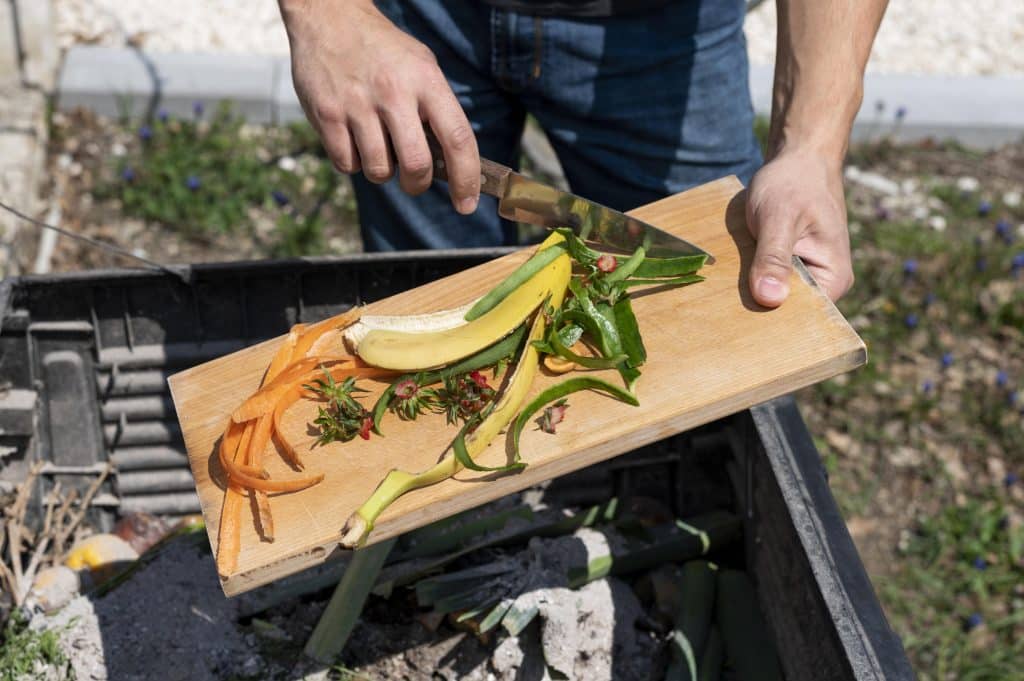
Food waste is a major contributor to landfill emissions, as it produces methane, a potent greenhouse gas, when it decomposes anaerobically. Creating a home composting system is one of the most impactful eco-friendly home hacks you can implement to divert organic waste from landfills and enrich your garden soil simultaneously.
Composting is a relatively simple process that turns kitchen scraps and yard waste into nutrient-rich soil amendment. It reduces your carbon footprint by preventing methane emissions and decreases the need for chemical fertilizers, which also have environmental costs.
Setting up your compost bin
There are various types of compost bins, from simple piles to sophisticated tumblers. For a DIY approach, you can construct a basic bin from pallets or wire mesh. The key is to have a mix of ‘greens’ (nitrogen-rich items like food scraps, grass clippings) and ‘browns’ (carbon-rich items like dry leaves, wood chips, shredded paper).
Location: Choose a shaded, well-drained spot away from your house.
Materials: Layer greens and browns, ensuring proper aeration by turning the pile regularly.
What to compost: Vegetable and fruit scraps, coffee grounds, tea bags, eggshells, yard waste.
What not to compost: Meat, dairy, oily foods, pet waste (can attract pests and pathogens).
Benefits beyond carbon reduction
Beyond its significant impact on reducing methane emissions, composting offers numerous benefits for your home and garden. The finished compost, often called ‘black gold,’ improves soil structure, water retention, and nutrient availability, leading to healthier plants and potentially a more productive garden.
This eco-friendly home hack fosters a circular economy within your home, transforming waste into a valuable resource. It also encourages a deeper connection to nature and a greater awareness of your consumption patterns. By embracing composting, you’re not just reducing waste; you’re actively participating in the regeneration of natural systems.
Starting a composting system is an accessible and rewarding DIY project that directly tackles food waste and its associated emissions. It’s a fundamental step towards a truly sustainable household, enriching your garden and reducing your environmental impact.
DIY project 4: Build a small indoor herb garden
Cultivating a small indoor herb garden is a delightful and practical eco-friendly home hack that brings fresh flavors to your kitchen while reducing your reliance on store-bought herbs. This project minimizes the carbon footprint associated with transportation, packaging, and refrigeration of produce, and encourages healthier eating habits.
An indoor herb garden can thrive in even small spaces, making it perfect for apartments or homes with limited outdoor gardening areas. It’s a simple DIY endeavor that yields continuous rewards, both culinary and environmental.
Choosing the right herbs and setup
Select herbs that are well-suited for indoor growing and that you frequently use. Popular choices include basil, mint, chives, parsley, oregano, and thyme. The setup can be as simple as pots on a windowsill or a more elaborate vertical garden system.
Light: Most herbs require at least 4-6 hours of direct sunlight daily. A south-facing window is ideal; otherwise, consider a grow light.
Containers: Use pots with drainage holes. Terracotta pots are excellent for wicking away excess moisture.
Soil: A good quality potting mix designed for indoor plants will provide the necessary nutrients and drainage.
Nurturing your indoor garden
Consistent care is key to a thriving indoor herb garden. Water regularly, but avoid overwatering, which can lead to root rot. Prune your herbs regularly to encourage bushier growth and prevent them from becoming leggy. Harvesting leaves frequently also stimulates new growth.
This eco-friendly home hack provides a constant supply of fresh ingredients, reducing the need for plastic-packaged herbs from the grocery store. It’s a small change that contributes to a larger goal of food sustainability and self-sufficiency. Plus, the presence of plants indoors can improve air quality and add a touch of natural beauty to your home.
Building a small indoor herb garden is a highly accessible and rewarding DIY project. It not only reduces your carbon footprint by minimizing food miles and packaging waste but also enhances your culinary experience and connection to sustainable living.
DIY project 5: Upgrade to LED lighting and smart plugs

Lighting accounts for a significant portion of household electricity consumption. Upgrading to LED (Light Emitting Diode) bulbs is one of the quickest and most effective eco-friendly home hacks to reduce your energy use and carbon footprint. Coupled with smart plugs, you can gain even greater control and efficiency over your home’s energy consumption.
LEDs use considerably less energy than traditional incandescent or even CFL bulbs, and they last much longer, reducing waste from frequent bulb replacements. Smart plugs allow you to remotely control and schedule devices, eliminating phantom load (energy consumed by electronics when turned off but still plugged in).
The power of LED technology
Swapping out old bulbs for LEDs is a straightforward DIY task that anyone can do. LEDs come in various wattages, color temperatures, and styles, making it easy to find replacements for every fixture in your home. While the initial cost might be slightly higher, the long-term savings on electricity bills and replacement costs make them a wise investment.
Energy efficiency: LEDs use up to 90% less energy than incandescent bulbs.
Longevity: LEDs can last 25,000 to 50,000 hours, significantly longer than other bulb types.
Durability: They are more resistant to breakage as they don’t have filaments.
Maximizing efficiency with smart plugs
Smart plugs are simple devices that plug into existing outlets, allowing you to control any connected appliance or lamp via a smartphone app or voice assistant. This enables you to turn off devices that draw power even when not in use, such as phone chargers, coffee makers, or entertainment systems.
Implementing smart plugs as part of your eco-friendly home hacks strategy helps you monitor and manage energy usage more effectively. You can schedule lights to turn off when you’re away or set up routines for appliances, ensuring they only consume power when needed. This automation not only saves energy but also adds convenience to your daily life.
Upgrading to LED lighting and incorporating smart plugs are impactful DIY projects that significantly reduce your home’s electricity consumption. These changes are easy to implement and offer immediate benefits in terms of energy savings and a reduced carbon footprint.
DIY project 6: Repurpose and upcycle furniture and decor
The lifecycle of products, from manufacturing to disposal, has a substantial environmental impact. By repurposing and upcycling furniture and decor, you engage in powerful eco-friendly home hacks that reduce waste, conserve resources, and minimize the carbon footprint associated with new production and landfilling.
Upcycling involves transforming old or discarded items into new products of higher value or quality. This creative approach breathes new life into forgotten pieces, giving your home a unique and sustainable aesthetic while keeping valuable materials out of the waste stream.
Creative transformations for old items
Look around your home or visit thrift stores and garage sales for items with potential. An old dresser can become a stylish bathroom vanity, a wooden crate can be transformed into a rustic side table, or old jars can become decorative storage solutions. The possibilities are endless, limited only by your imagination.
Painting and refinishing: A fresh coat of paint or stain can completely revitalize a piece of furniture.
Reupholstering: Give old chairs or sofas a new lease on life with updated fabric.
Functional repurposing: Turn an old ladder into a bookshelf or a suitcase into a pet bed.
Environmental and personal benefits
Beyond the obvious environmental benefits of reducing waste and conserving resources, repurposing and upcycling offer personal rewards. These eco-friendly home hacks allow you to express your creativity, develop new skills, and furnish your home with unique, conversation-starting pieces that reflect your personal style.
It’s also often more cost-effective than buying new items, making sustainable living accessible on any budget. By choosing to upcycle, you’re not just decorating your home; you’re making a conscious statement about your values and commitment to a more sustainable future. This project encourages a mindful approach to consumption, valuing longevity and creativity over disposability.
Repurposing and upcycling furniture and decor are creative and impactful DIY projects that contribute significantly to reducing waste and your carbon footprint. This approach fosters a unique home environment while promoting sustainable consumption habits.
DIY project 7: Build a simple vertical garden for small spaces
For those with limited ground space, a vertical garden is an ingenious eco-friendly home hack that allows you to grow herbs, vegetables, or ornamental plants upwards. This maximizes growing potential in compact areas like balconies, patios, or even indoors, further enhancing food sustainability and reducing your reliance on commercially grown produce.
Vertical gardens are not only space-efficient but also aesthetically pleasing, adding a touch of green to urban environments. They can be constructed from a variety of repurposed materials, making them an excellent DIY project for eco-conscious homeowners.
Designing and constructing your vertical garden
There are many ways to build a vertical garden. You can use stacked pallets, repurposed plastic bottles, old rain gutters, or even a simple pocket planter made from fabric. The design depends on the space available and the types of plants you wish to grow.
Pallet garden: Stack pallets and fill the openings with soil for planting.
Bottle garden: Cut plastic bottles in half, fill with soil, and hang them vertically from a frame.
Gutter garden: Mount sections of old rain gutters to a wall or fence.
Plant selection and maintenance
Choose plants that thrive in vertical conditions and complement each other. Herbs like mint, basil, and thyme, leafy greens such as lettuce and spinach, and even small strawberries are excellent choices. Ensure each plant receives adequate sunlight and water.
Regular watering is crucial for vertical gardens, as they can dry out faster than traditional beds. Consider incorporating a simple drip irrigation system for efficiency. This eco-friendly home hack not only provides fresh produce but also improves air quality and offers a calming green space.
It’s a testament to how creative thinking can transform small areas into productive, sustainable ecosystems, significantly contributing to your goal of a reduced carbon footprint.
Building a simple vertical garden is an innovative DIY project that maximizes growing space and enhances food sustainability. It’s an effective way to reduce your carbon footprint by growing your own produce, even in urban settings.
| Key Project | Carbon Reduction Impact |
|---|---|
| Seal Air Leaks & Insulate | Significantly reduces heating/cooling energy consumption. |
| Low-Flow Fixtures | Lowers water heating energy and overall water usage. |
| Home Composting System | Diverts food waste from landfills, reducing methane emissions. |
| LED Lighting & Smart Plugs | Drastically cuts electricity consumption and phantom load. |
Frequently Asked Questions about Eco-Friendly Home Hacks
The easiest hack to begin with is upgrading to LED light bulbs. This simple switch requires minimal effort and immediately reduces energy consumption, leading to noticeable savings on your electricity bill and a lower carbon footprint. It’s a quick, impactful change anyone can make.
Savings vary significantly based on your current habits and home efficiency. However, implementing these seven projects can lead to substantial reductions. Many homeowners report 15-30% savings on energy and water bills annually, making these eco-friendly changes financially beneficial in the long run.
Most of these projects are designed for beginners with basic DIY skills. Tasks like installing weatherstripping, replacing light bulbs, or setting up a rain barrel require minimal tools and experience. More complex projects, like extensive insulation, might benefit from a bit more research or assistance.
You can see immediate reductions in energy and water consumption with projects like LED upgrades and low-flow fixtures. For composting, the impact on landfill waste is instant. The cumulative effect of all projects will steadily contribute to your 10% carbon footprint reduction goal by 2026.
Yes, many federal, state, and local governments offer incentives for energy-efficient and eco-friendly home improvements. These can include tax credits, rebates, or grants for insulation, solar panels, energy-efficient appliances, and more. It’s wise to research available programs in your area.
Conclusion
Embarking on the journey of implementing eco-friendly home hacks through DIY projects is a powerful step towards a more sustainable future. The seven projects outlined in this guide—from sealing air leaks and optimizing water use to composting and creating vertical gardens—offer tangible pathways to significantly reduce your household’s carbon footprint.
By committing to a 10% reduction by 2026, you’re not only fostering a healthier planet but also creating a more efficient, cost-effective, and aesthetically pleasing living space. Each small change contributes to a larger collective impact, proving that individual actions, when multiplied, can drive meaningful environmental progress.