Insulate Your Attic: Save 20% on Heating and Cooling Costs
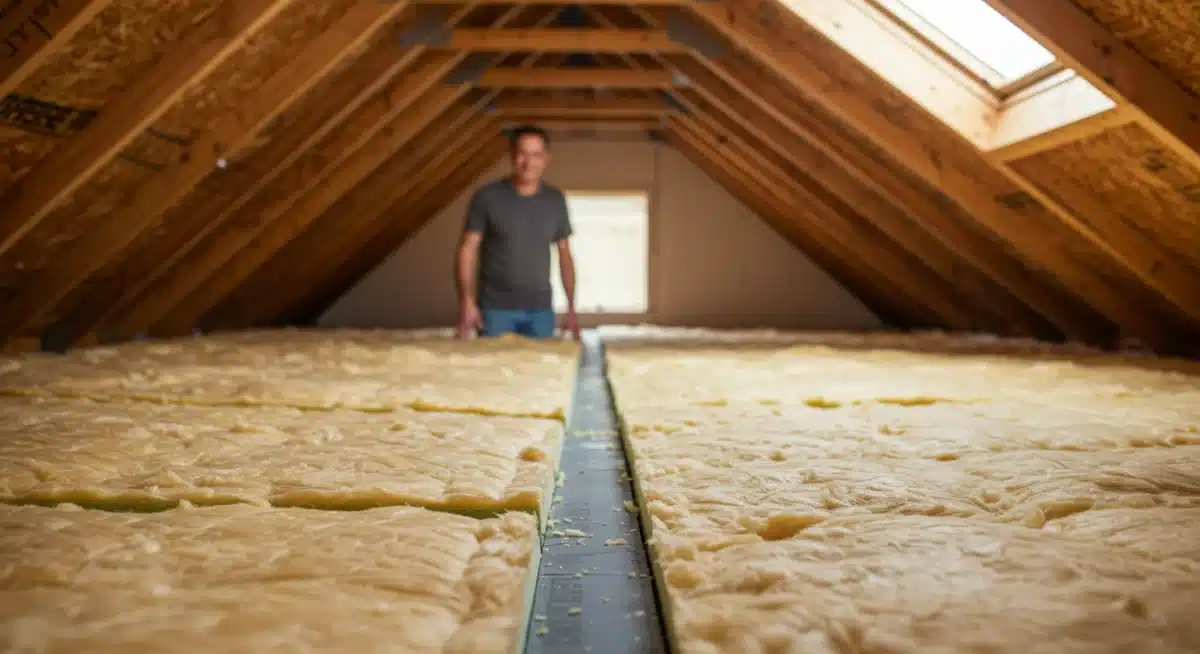
 Upgrading your attic insulation is one of the most impactful ways to enhance your home’s energy efficiency, offering substantial savings of up to 20% on annual heating and cooling expenses.
Are you tired of high energy bills that seem to climb higher each year? The solution might be closer than you think, right above your head. Learning to insulate your attic and save up to 20% on heating and cooling costs is not just a smart financial move, it’s a fundamental step towards a more comfortable and sustainable home.
The Hidden Drain: Why Your Attic Matters So Much
Many homeowners overlook the attic when considering energy efficiency, yet it often represents the largest source of heat loss in winter and heat gain in summer.
Understanding the dynamics of heat transfer in your home reveals why the attic plays such a critical role in maintaining comfortable indoor temperatures and, consequently, your energy expenditure.
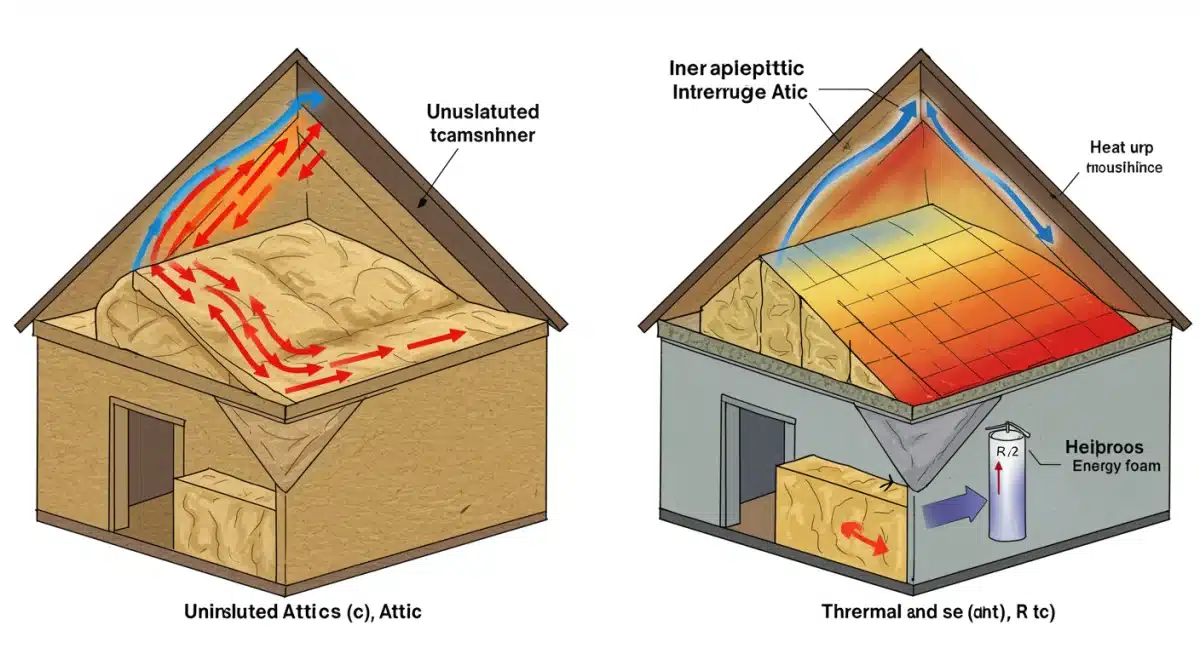
Heat naturally moves from warmer areas to cooler areas. In winter, the warm air generated by your heating system rises and escapes through an inadequately insulated attic.
Conversely, in summer, the scorching heat from the sun beats down on your roof, transferring heat into your home through the ceiling if your attic lacks proper insulation. This constant battle against heat transfer forces your HVAC system to work overtime, consuming more energy and driving up your utility bills.
Understanding R-Value and Its Importance
The effectiveness of insulation is measured by its R-value, which indicates its resistance to heat flow. A higher R-value means greater insulating power.
Different regions of the United States have recommended R-values for attics, primarily based on climate zones. Choosing the correct R-value for your area is crucial for maximizing energy savings and ensuring optimal comfort.
R-value definition: A measure of thermal resistance. The higher the R-value, the better the insulation’s ability to prevent heat transfer.
Climate zones: Recommended R-values vary significantly across the U.S., from R-30 in warmer southern states to R-60 in colder northern regions.
Factors affecting R-value: Type of insulation material, thickness, and density all contribute to its overall R-value.
Investing in the right insulation for your attic is more than just a home improvement project; it’s a strategic decision that pays dividends in comfort and savings.
By creating a robust thermal barrier, you reduce the workload on your heating and cooling systems, leading to substantial reductions in energy consumption and a noticeable drop in your monthly utility statements. It’s a foundational step for any homeowner aiming for genuine energy independence.
Identifying Your Attic Insulation Needs
Before embarking on any insulation project, it’s essential to assess your current attic situation. Many older homes, or even some newer ones, may have insufficient or improperly installed insulation.
A thorough inspection can reveal gaps, compressed areas, or the wrong type of insulation, all of which compromise its effectiveness.
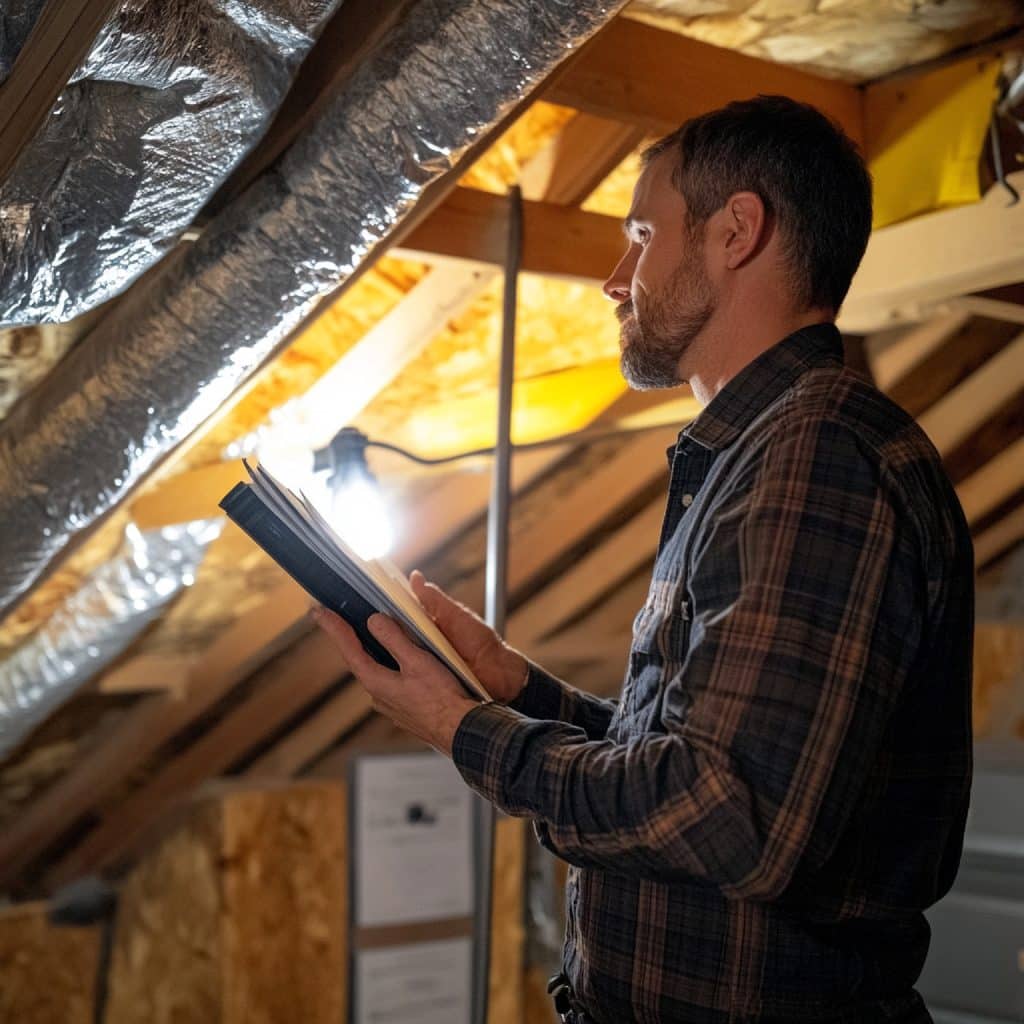
Start by safely accessing your attic. Look for uniform coverage across the entire attic floor. If you can easily see the tops of your ceiling joists, it’s a strong indicator that you don’t have enough insulation.
Also, check for signs of moisture, mold, or pest infestations, as these issues need to be addressed before adding new insulation.

Common Signs of Inadequate Insulation
There are several tell-tale signs that your attic insulation might not be up to par, costing you money and comfort. Recognizing these can prompt you to take action before your energy bills escalate further.
Uneven home temperatures: Some rooms are noticeably warmer or colder than others.
High energy bills: Consistently higher heating and cooling costs compared to similar homes in your area.
Drafts: Feeling drafts, especially near ceilings or walls adjacent to the attic.
Ice dams: In colder climates, ice dams on your roof can indicate heat escaping from your attic, melting snow which then re-freezes at the eaves.
A simple visual inspection combined with an understanding of these symptoms can provide a clear picture of your attic’s insulation status. Don’t hesitate to consult with an energy auditor if you’re unsure, as they can provide a detailed assessment and recommendations tailored to your home’s specific needs.
Choosing the Right Insulation Material
The market offers a variety of insulation materials, each with its own R-value, cost, and installation considerations. Selecting the best option for your attic involves weighing these factors against your budget, climate zone, and any existing insulation.
Common types include fiberglass batts or rolls, blown-in cellulose, and spray foam. Each has distinct advantages and disadvantages, making it important to understand their properties before making a decision.
For instance, fiberglass is widely available and relatively inexpensive, while spray foam offers superior air sealing capabilities but comes at a higher cost.
Popular Attic Insulation Options
Understanding the characteristics of each material will help you make an informed choice that aligns with your energy-saving goals and home structure.
Fiberglass Batts/Rolls: Easy to install for DIY enthusiasts, affordable, and good for standard joist spacing. Can be itchy and requires proper protective gear.
Blown-in Cellulose: Made from recycled paper, excellent for filling irregular spaces and around obstructions, offering good sound dampening. Can settle over time, reducing R-value.
Blown-in Fiberglass: Similar to cellulose in application but doesn’t settle as much. Good for adding to existing insulation.
Spray Foam (Open-cell and Closed-cell): Provides superior air sealing and high R-value per inch. More expensive and typically requires professional installation.
Consider the ease of installation, especially if you plan to tackle the project yourself. Some materials, like spray foam, are best left to professionals due to the specialized equipment and expertise required. Ultimately, the best material for you will balance performance, cost, and practicality for your specific attic conditions.
The Installation Process: DIY vs. Professional
Installing attic insulation is one of the most impactful upgrades you can make for your home’s energy efficiency—but the success of the project depends heavily on proper installation. Even the highest-quality materials will underperform if gaps, compression, or ventilation issues are overlooked. Before starting, it’s important to evaluate whether a DIY approach fits your skills and timeline or if hiring a professional will deliver better long-term results.
For straightforward projects, many homeowners feel confident tackling attic insulation themselves. Materials such as fiberglass batts or rolls are particularly DIY-friendly because they come pre-cut and are designed to fit between standard joist spacing.
With careful measurements, protective gear, and attention to manufacturer guidelines, you can create an effective thermal barrier that immediately improves indoor comfort.
However, preparation is just as important as the installation itself. Before adding insulation to your attic, inspect the space for moisture problems, roof leaks, mold, or pest activity.
Addressing these issues first prevents costly repairs later and protects the performance of your new attic insulation. It’s also essential to confirm that your attic has proper ventilation—blocking soffit vents or airflow channels can trap heat and humidity, reducing efficiency and potentially damaging your roof.
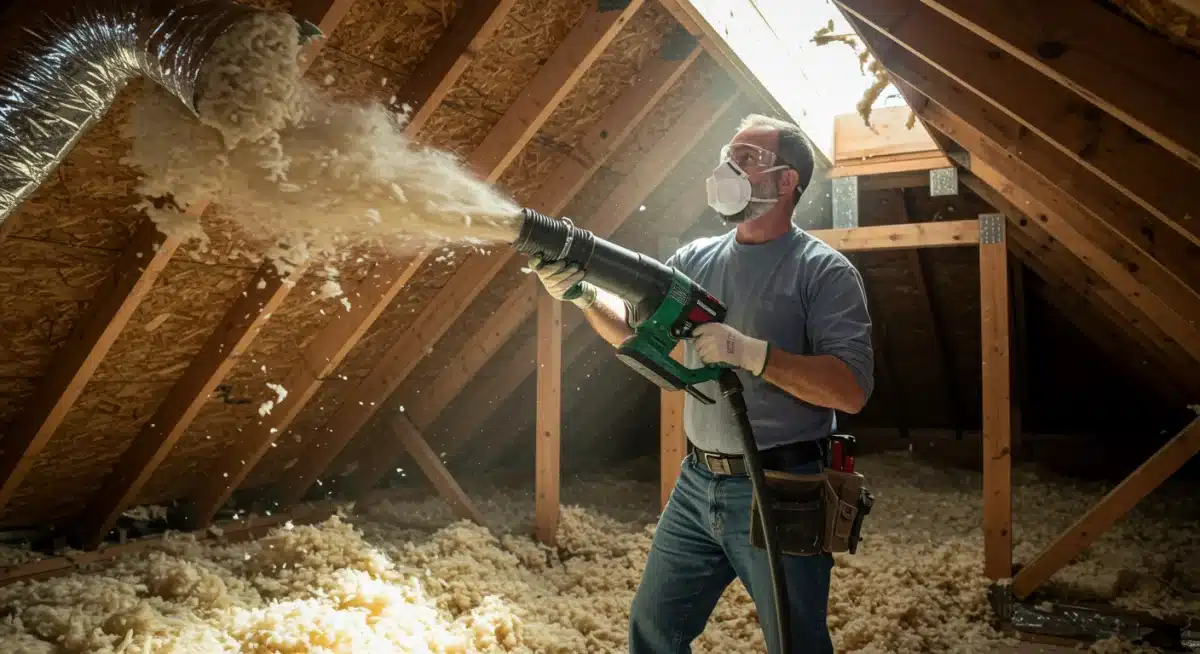
Blown-in insulation is another popular option for upgrading an attic, especially when covering irregular spaces or layering over existing insulation. While the process may appear simple, it typically requires a blowing machine, which many home improvement stores rent. This makes it a realistic DIY project for homeowners comfortable handling equipment and working in tight spaces. The advantage is excellent coverage that fills small gaps where air might otherwise escape.
On the other hand, spray foam insulation almost always calls for professional installation. Applying spray foam in an attic involves specialized tools, precise mixing of chemical components, and strict safety protocols. When installed correctly, it creates an exceptional air seal and delivers one of the highest insulation performance ratings available. Because mistakes can be expensive and difficult to correct, professional expertise is usually the smartest investment.
Safety should remain a top priority regardless of which route you choose. Working in an attic often means navigating limited headroom, exposed beams, dust particles, and high temperatures. Wearing gloves, goggles, long sleeves, and a certified respirator helps protect against irritation and airborne fibers. Proper lighting and stable walking boards can also prevent accidents.
Ultimately, the choice between DIY and professional attic insulation comes down to balancing cost, confidence, and complexity. A DIY project may save money upfront, but professional installation can provide peace of mind, faster completion, and optimized performance. Either way, when your attic is insulated correctly, you’ll enjoy lower energy bills, improved comfort, and a home that stays efficient for years to come.
Key Steps for a Successful DIY Installation
If you opt for a DIY approach, careful preparation and execution are paramount. Safety should always be your top priority.
Safety first: Wear protective gear including a respirator, gloves, long sleeves, and eye protection.
Seal air leaks: Before adding insulation, seal any gaps or cracks in the attic floor around light fixtures, pipes, and wiring with caulk or expanding foam.
Ventilation: Ensure attic ventilation is not blocked by insulation. Use baffles to keep insulation away from soffit vents.
Consistent coverage: Aim for uniform thickness across the entire attic floor to prevent cold spots and maximize R-value.

If you’re unsure about any aspect of the installation, it’s always best to consult with or hire a professional. Incorrectly installed insulation can lead to reduced efficiency, moisture problems, or even fire hazards. A professional installer can ensure the job is done right, providing peace of mind and guaranteed savings.
Maximizing Savings Beyond Insulation
While insulating your attic is a monumental step toward energy efficiency, it works best as part of a broader, whole-home energy strategy. Your attic plays a critical role in regulating indoor temperatures, but to truly maximize savings and comfort, it should be supported by complementary upgrades that reduce energy loss throughout the entire house.
Start by sealing air leaks connected to the attic, such as gaps around ceiling light fixtures, attic hatches, plumbing vents, and duct penetrations. Even a well-insulated attic can underperform if conditioned air escapes through small openings. Air sealing ensures that the insulation in your attic performs at its full potential, preventing wasted energy and unnecessary HVAC strain.
Next, consider improving insulation and efficiency in adjacent areas. Walls, floors, and crawl spaces all interact with the attic to form your home’s thermal envelope. Upgrading weatherstripping on doors and improving window insulation can dramatically reduce heat transfer, reinforcing the benefits of a properly insulated attic.
Energy-efficient appliances and smart home technologies can further amplify attic-related savings. High-efficiency HVAC systems, smart thermostats, and energy-saving lighting reduce overall demand, allowing your insulated attic to maintain stable indoor temperatures with less effort. This synergy leads to lower utility bills and a more responsive, comfortable living space.
Finally, think of your home as a complete energy system where the attic serves as the foundation of thermal control. By addressing ventilation, airflow, appliance efficiency, and insulation together, you create a holistic approach to energy savings. The result is a home that not only costs less to operate but also delivers consistent comfort, improved air quality, and a reduced carbon footprint for years to come.
Complementary Energy-Saving Measures
A few simple additions or upgrades can make a substantial difference in your home’s overall energy consumption, working in tandem with your attic insulation.
Air sealing: Sealing air leaks around windows, doors, and utility penetrations prevents conditioned air from escaping and unconditioned air from entering.
Window upgrades: Replacing old, single-pane windows with energy-efficient double or triple-pane windows can drastically reduce heat transfer.
HVAC maintenance: Regular maintenance of your heating, ventilation, and air conditioning system ensures it runs at peak efficiency.
Smart thermostats: Programmable or smart home thermostats allow you to optimize heating and cooling schedules, reducing energy use when you’re away or asleep.
By combining these strategies, you create a comprehensive energy-saving plan that goes beyond just the attic. The synergy between a well-insulated attic and other efficiency upgrades can lead to an even more comfortable home and significantly lower utility bills, making your investment in insulation even more valuable.
Long-Term Benefits and Return on Investment
The decision to insulate your attic goes far beyond short-term energy savings—it’s a strategic, long-term investment in your home’s efficiency, comfort, and resale value. Among all home improvement projects, attic insulation consistently delivers one of the highest returns on investment (ROI), often paying for itself within just a few years through reduced heating and cooling costs.
A well-insulated attic minimizes heat loss in winter and heat gain in summer, which significantly lowers the workload on your HVAC system.
This not only translates into lower monthly utility bills but also extends the lifespan of your heating and cooling equipment, reducing future maintenance and replacement expenses. Over time, these cumulative savings can be substantial.
Beyond the financial aspect, proper attic insulation creates a more stable and comfortable indoor environment. By reducing drafts, hot spots, and cold zones, your home maintains a consistent temperature year-round. This improved comfort enhances everyday living and can make upper floors more usable, especially during extreme weather.
From a real estate perspective, an energy-efficient attic is a strong selling point. Modern buyers are increasingly focused on energy efficiency, sustainability, and long-term operating costs. A properly insulated attic signals a well-maintained home and can increase market appeal, speed up the selling process, and even justify a higher asking price.
Finally, insulating your attic contributes to a smaller environmental footprint. Reduced energy consumption means lower greenhouse gas emissions, making this upgrade not only smart for your wallet but also beneficial for the planet. In short, attic insulation is a rare home improvement that delivers comfort, savings, sustainability, and value—all at once.
Financial and Environmental Advantages
The benefits extend beyond your wallet, impacting your daily life and the broader environment. These advantages underscore why attic insulation is such a recommended upgrade.
Increased home value: Energy-efficient homes are highly attractive to potential buyers, increasing your property’s market value.
Reduced carbon footprint: Lower energy consumption directly translates to reduced greenhouse gas emissions, contributing to a healthier planet.
Enhanced comfort: A more consistent indoor temperature means fewer hot spots in summer and cold drafts in winter.
Quieter home: Insulation can also help dampen outside noise, creating a more peaceful living environment.
Considering the rising costs of energy and the growing emphasis on sustainable living, insulating your attic offers a clear path to both financial security and environmental responsibility. It’s an upgrade that pays for itself over time, providing continuous benefits for years to come.
| Key Aspect | Brief Description |
|---|---|
| Energy Savings | Reduce heating and cooling costs by up to 20% annually. |
| R-Value Importance | Higher R-value means greater thermal resistance and better insulation performance. |
| Insulation Types | Fiberglass, cellulose, and spray foam offer varying costs and performance. |
| Installation | DIY is possible for some materials; professionals ensure proper application and safety. |
Frequently asked questions about attic insulation
Homeowners can typically save between 10% and 20% on their annual heating and cooling bills by properly insulating their attic. Actual savings depend on your existing insulation, climate, and energy habits. This upgrade is recognized as one of the most cost-effective home improvements for energy efficiency.
Recommended R-values for attics vary by climate zone across the United States. Generally, the Department of Energy suggests R-values between R-30 and R-60. It’s crucial to check local building codes or consult an energy audit for the specific recommendation for your region to maximize efficiency.
Installing fiberglass batts or blown-in cellulose can be a DIY project for many homeowners, provided they follow safety guidelines and proper installation techniques. However, spray foam insulation or complex attic layouts often require professional installation to ensure optimal performance, safety, and proper air sealing.
The lifespan of attic insulation varies by type. Fiberglass and mineral wool can last 80-100 years or more, while cellulose insulation might last 20-30 years before potential settling. Spray foam insulation typically maintains its effectiveness for the lifetime of the home. Regular inspections can identify any issues requiring attention.
Yes, many federal, state, and local programs offer rebates, tax credits, or incentives for homeowners who upgrade their insulation. The Inflation Reduction Act of 2022, for example, provides tax credits for energy-efficient home improvements. Check with your local utility company or government websites for available programs.
Conclusion
In conclusion, the decision to insulate your attic is one of the most effective and financially rewarding home improvement projects you can undertake.
By understanding the critical role the attic plays in your home’s thermal envelope, choosing the right insulation material, and ensuring proper installation, you can significantly reduce your energy consumption and enjoy substantial savings of up to 20% on your heating and cooling costs.
Beyond the financial benefits, an insulated attic contributes to a more comfortable, quieter, and environmentally friendly home, enhancing its overall value and your quality of life. It’s a smart investment that continues to pay dividends for years to come, solidifying your home’s energy efficiency for the long haul.