Build a Coffee Table for Under $50: DIY Living Room Upgrade
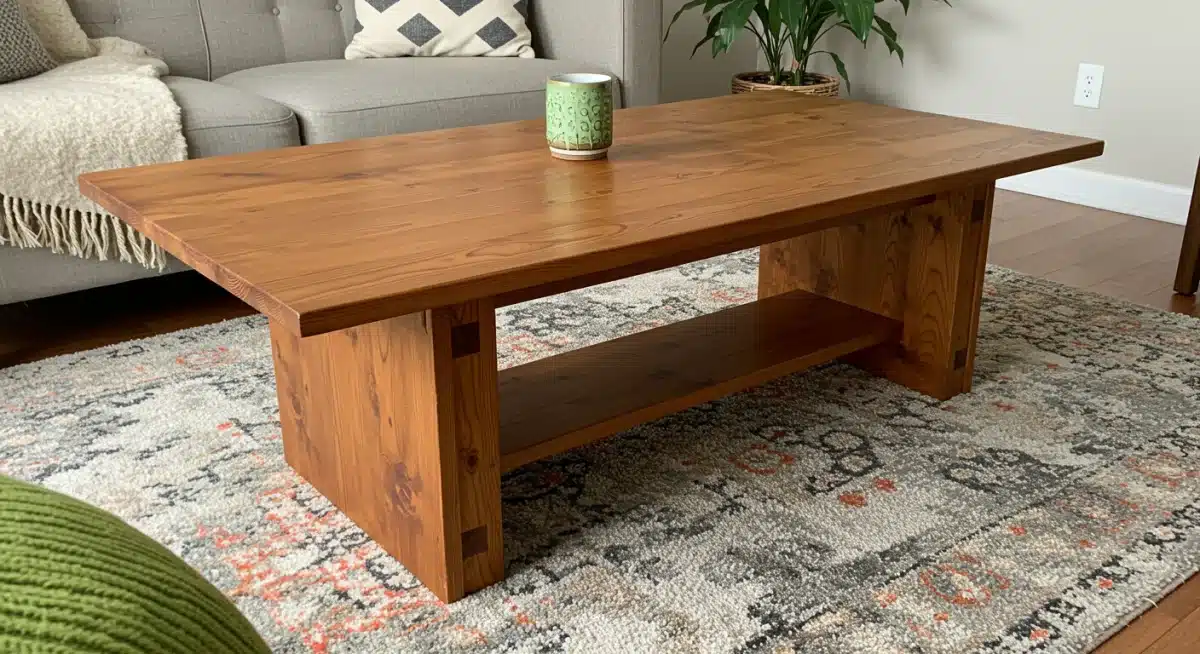
 Building a coffee table for under $50 is an accessible DIY project that allows you to customize your living space with a unique, handcrafted piece without breaking the bank.
Are you dreaming of a stylish, functional coffee table that perfectly complements your living room, but hesitant about the high price tags in furniture stores? What if you could not only save money but also infuse your personality into a piece of furniture?
This guide will show you how to build a coffee table for under $50, adding a unique, custom touch to your home that will impress guests and provide immense satisfaction. It’s a project that combines practicality with creative expression, proving that great design doesn’t have to come with a hefty cost.
Why DIY Your Coffee Table? The Benefits of Budget Building
Embarking on a DIY coffee table project offers a multitude of advantages beyond just cost savings. It’s an opportunity to create something truly unique, tailored to your specific taste and needs, which mass-produced furniture simply cannot provide.
The satisfaction of building something with your own hands is unparalleled, fostering a sense of accomplishment and pride every time you look at your finished piece.
Furthermore, DIY projects like this allow for complete control over materials and design. You can choose eco-friendly options, repurpose existing items, or select specific wood types that align with your home’s aesthetic.
This level of customization ensures your coffee table isn’t just a functional item, but a genuine reflection of your personal style and values. It’s also an excellent way to dip your toes into woodworking or home improvement, developing new skills along the way.
Unleashing Creativity and Personalization
When you build your own coffee table, you’re not limited by what’s available in stores. You can experiment with different finishes, paint colors, and even incorporate unique elements like reclaimed wood or industrial pipes.
This creative freedom allows you to design a piece that perfectly fits your living space, whether you’re aiming for a rustic farmhouse look, a sleek modern design, or something entirely eclectic.
Custom Dimensions: Tailor the table’s height, width, and length to fit your sofa and living area perfectly.
Material Choices: Select materials that match your existing decor, from untreated pine to repurposed pallets.
Unique Finishes: Apply stains, paints, or sealants that create a one-of-a-kind appearance.
Personal Touches: Add decorative details like stencils, carvings, or even embedded objects.
The process of designing and building your own coffee table is an engaging journey. It’s about more than just saving money; it’s about investing your time and effort into creating a piece that truly feels like home. This hands-on approach connects you more deeply with your living environment, making your space feel more personal and inviting.
Gathering Your Materials: Smart Choices for Under $50
The key to successfully building a coffee table for under $50 lies in strategic material selection and smart shopping. You don’t need expensive hardwoods or specialized tools to create a beautiful and durable piece.
Instead, focus on readily available, budget-friendly options that can be transformed with a little creativity and effort.
Start by exploring local hardware stores, lumberyards, and even salvage yards. Often, you can find quality wood scraps, discarded pallets, or affordable pine boards that are perfect for this project. Don’t underestimate the power of repurposing;
old crates, robust planks, or even sturdy boxes can serve as excellent foundations for your table. The goal is to maximize your budget without compromising on the structural integrity or aesthetic appeal of your coffee table.
Essential Supplies for Your Budget Build
To keep costs down, prioritize essential materials and tools. You’ll need basic woodworking supplies that are often inexpensive or might already be in your garage.
Think about the core components: the tabletop, the legs, and the necessary fasteners. Simple designs often translate to fewer materials and easier construction, which is ideal for a budget project.
Wood: Look for pine boards, plywood scraps, or reclaimed wood from pallets. These are generally the most affordable options.
Fasteners: Wood screws, nails, and wood glue will be crucial for sturdy construction.
Finish: A basic wood stain, paint, or clear sealant to protect and beautify your table.
Legs: You can buy inexpensive furniture legs, use cut wood pieces, or even repurpose metal pipes for an industrial look.
Remember to factor in the cost of sandpaper for smoothing surfaces and any safety equipment like gloves and eye protection.
By meticulously planning your material list and sourcing wisely, staying under the $50 budget becomes entirely achievable. It’s about being resourceful and making smart choices at every step.
Basic Tools You’ll Need: Equipping Your DIY Workshop
You don’t need a professional workshop filled with high-end machinery to build a coffee table. Many DIY projects, especially those on a budget, can be completed with a few fundamental hand tools and perhaps one or two power tools. The key is to have the right tools for the job, ensuring both efficiency and safety during construction.
Before you begin, gather your tools and make sure they are in good working order. A dull saw or a stripped screwdriver can quickly turn a simple project into a frustrating ordeal.
If you don’t own some of these tools, consider borrowing them from a friend or checking if local community workshops offer tool rental services. This can help keep your initial investment low while still allowing you to tackle the project effectively.
Must-Have Tools for the Job
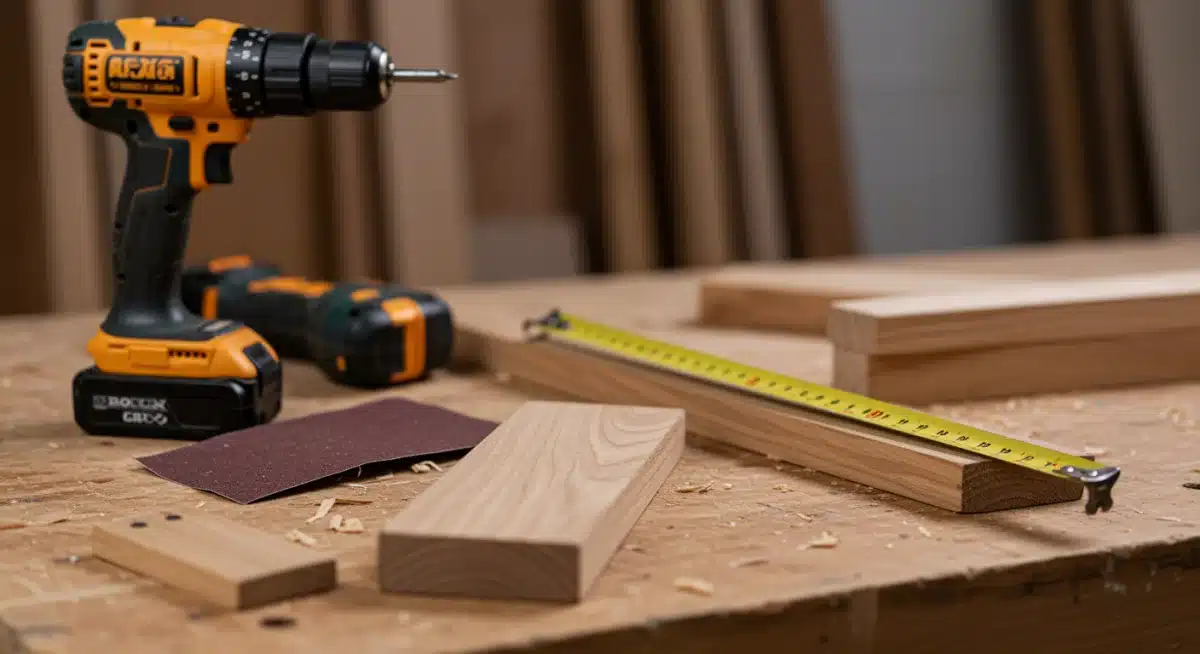
Even for a simple coffee table, certain tools are indispensable. These will help you measure accurately, cut precisely, assemble securely, and finish your piece professionally. Investing in basic, good-quality tools will serve you well for many future DIY endeavors.
Measuring Tape: Essential for accurate dimensions and cuts.
Saw: A hand saw, miter saw, or circular saw for cutting wood to size.
Drill: For pre-drilling holes and driving screws.
Screwdriver/Impact Driver: For securing screws firmly.
Sander/Sandpaper: For smoothing surfaces and preparing for finish.
Clamps: To hold pieces together while glue dries or during assembly.
Having these tools on hand will streamline your building process considerably. While more advanced tools can make certain tasks easier, they are not strictly necessary for a basic coffee table project, especially when sticking to a tight budget. Focus on mastering the basics with what you have.
Step-by-Step Construction: Bringing Your Design to Life
Once you have your materials and tools ready, it’s time to dive into the construction phase. This is where your design starts to take physical form. Breaking the project down into manageable steps will make the process less daunting and more enjoyable. Remember to always prioritize safety; wear appropriate protective gear and follow tool instructions carefully.
Start by cutting all your wood pieces to the precise dimensions outlined in your plan. Accuracy here is crucial for a stable and aesthetically pleasing end product. Even slight discrepancies can lead to wobbly legs or uneven surfaces. Take your time with each cut, measuring twice and cutting once. This diligence will pay off in the final assembly.
Cutting and Assembling the Base
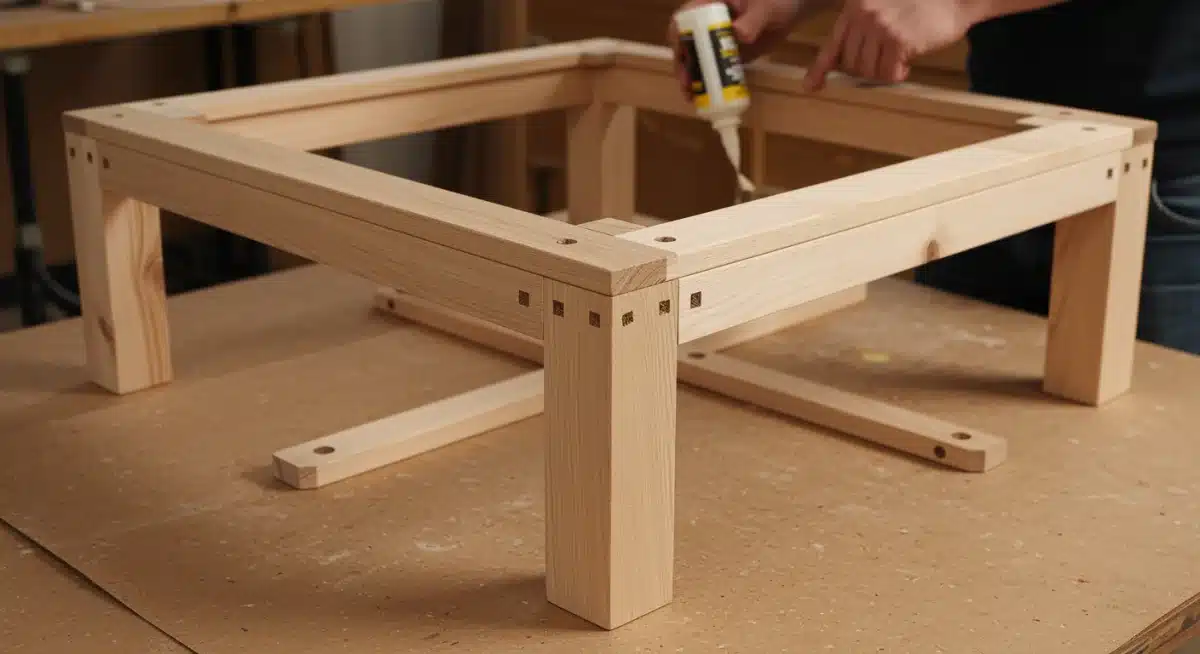
The base is the foundation of your coffee table, providing stability and support. Depending on your design, this might involve constructing a simple box frame or attaching individual legs to a central support. Wood glue, combined with screws, will create strong, lasting joints.
Measure and Cut: Precisely cut all pieces for the legs and the frame that will support the tabletop.
Pre-Drill Holes: Always pre-drill pilot holes to prevent wood from splitting, especially near edges.
Apply Glue: Apply a generous amount of wood glue to all joining surfaces before fastening with screws.
Secure Joints: Use clamps to hold pieces firmly in place while the glue sets and you drive screws.
After the base is assembled, ensure it is square and level. Any adjustments needed are far easier to make at this stage than when the entire table is put together. A sturdy base is paramount for the longevity and functionality of your coffee table.
Attaching the Top and Finishing Touches
With the base constructed, the next step is to attach the tabletop and then move on to the finishing touches that will transform your raw materials into a polished piece of furniture. This stage involves careful alignment, secure fastening, and meticulous sanding and finishing to achieve a professional look.
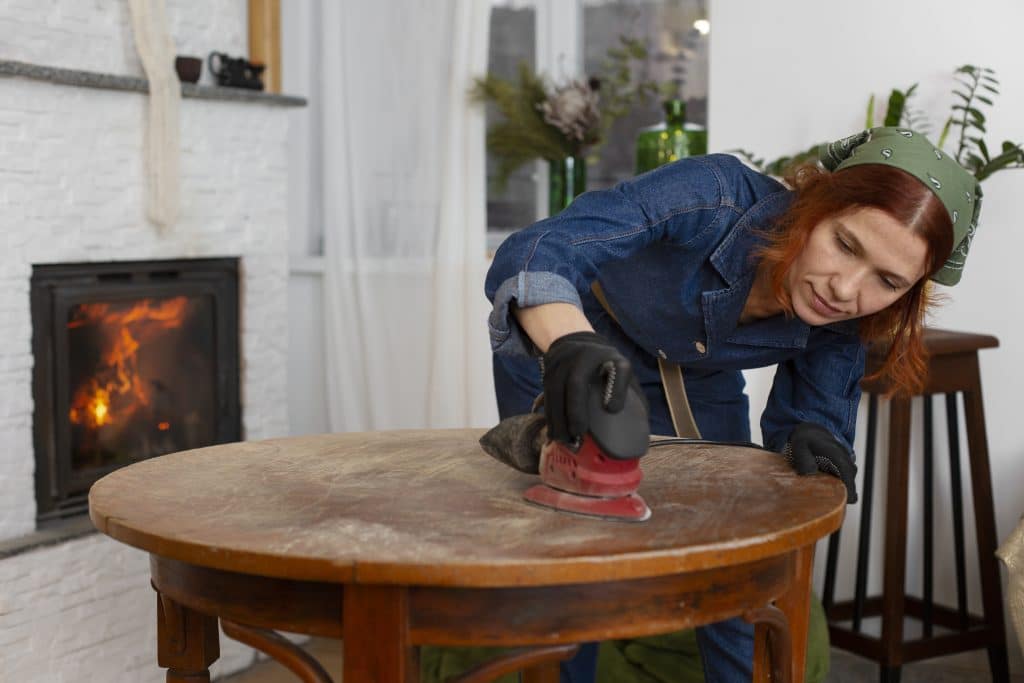
Before attaching the top, give all surfaces a thorough sanding. Start with a coarser grit sandpaper to remove any rough spots or imperfections, then move to a finer grit for a smooth, ready-to-finish surface. This attention to detail will significantly enhance the final appearance and feel of your coffee table.
Securing the Top and Applying Finish
Attaching the tabletop securely is crucial. Use screws from underneath the frame to avoid visible fasteners on the top surface. Once the top is firmly in place, it’s time to apply your chosen finish, which will protect the wood and bring out its natural beauty or add a pop of color.
Align and Attach: Carefully center the tabletop on the base and secure it with screws from the underside.
Final Sanding: Perform a final light sanding with very fine-grit sandpaper after assembly, especially on the tabletop.
Clean Surface: Wipe down all surfaces with a tack cloth to remove any dust or debris before applying finish.
Apply Finish: Apply your chosen stain, paint, or sealant according to the product instructions, using thin, even coats.
Allow ample drying time between coats and for the final finish to cure completely. This ensures durability and a lasting, beautiful surface. The finishing process is where your coffee table truly comes alive, showcasing your craftsmanship and personal style.
Creative Design Ideas to Inspire Your Project
Building a coffee table for under $50 doesn’t mean sacrificing style. In fact, the budget constraint often sparks incredible creativity, leading to unique and personalized designs that stand out. Think outside the traditional rectangular wood table; consider different shapes, materials, and functionalities that can elevate your living space.
Explore ideas like using stacked crates for a modular design, incorporating industrial-style pipe legs with a reclaimed wood top, or even creating a minimalist hairpin leg table with a plywood surface. The beauty of DIY is that you’re only limited by your imagination and a bit of practical planning. Research different styles online, gather inspiration, and adapt concepts to fit your budget and skill level.
Unique Concepts for Your Custom Coffee Table
To help spark your imagination, here are a few popular and budget-friendly design ideas that you can adapt for your own project. Each offers a distinct aesthetic and can be achieved with readily available materials.
Industrial Chic: Combine a sanded and stained plywood top with black iron pipes for legs. The pipes can be cut to size and assembled with fittings.
Rustic Farmhouse: Use reclaimed pallet wood for both the top and a simple box frame base. Distress the wood and apply a matte sealant for an authentic look.
Modern Minimalist: A sleek, smooth plywood top with simple, straight wooden legs or even affordable hairpin legs purchased online. Paint it a solid, bold color.
Storage Solution: Build a coffee table with an open shelf underneath, or even a lift-top mechanism for hidden storage, using basic pine boards.
These ideas demonstrate that a low budget can still yield high-impact results. Focus on clean lines, thoughtful material combinations, and a finish that enhances your chosen style. Your handmade coffee table will not only be functional but also a conversation piece, reflecting your ingenuity and design sensibility.
Maintaining Your Handmade Coffee Table for Longevity
Once you’ve put in the effort to build a beautiful and affordable coffee table, proper maintenance is key to ensuring its longevity and keeping it looking great for years to come.
Handmade furniture, especially pieces built from budget-friendly materials, benefits greatly from regular care and attention. This doesn’t require extensive effort, just consistent habits.
The type of finish you applied will largely determine the specific maintenance routine. A waxed finish will need occasional reapplication, while a polyurethane coat offers more robust protection against spills and scratches.
Regardless of the finish, protecting your table from excessive moisture, heat, and direct sunlight is universally important.
Simple Care Tips to Preserve Your Investment
Adopting a few simple habits can significantly extend the life and beauty of your DIY coffee table. These practices are easy to integrate into your daily routine and will prevent common issues like water rings, scratches, and fading.
Use Coasters: Always place coasters under drinks to prevent water rings and condensation damage.
Wipe Spills Immediately: Promptly clean up any spills with a soft, damp cloth to avoid staining or warping.
Avoid Harsh Cleaners: Use mild soap and water or specialized wood cleaner. Harsh chemicals can strip finishes.
Protect from Heat: Place trivets or pads under hot dishes or bowls to prevent scorch marks.
Dust Regularly: Use a soft, dry cloth to dust the surface, preventing abrasive particles from scratching the finish.
Occasional Polishing/Waxing: Depending on your finish, periodic polishing or waxing can restore shine and offer added protection.
By following these straightforward maintenance tips, your handmade coffee table will continue to be a cherished and functional piece in your living room for many years. It’s a testament to the value of thoughtful craftsmanship and consistent care, proving that budget-friendly doesn’t mean disposable.
| Key Point | Brief Description |
|---|---|
| Budget Materials | Utilize affordable pine, plywood, or reclaimed wood to keep costs under $50. |
| Essential Tools | Basic tools like a saw, drill, measuring tape, and sander are sufficient for construction. |
| Step-by-Step Build | Follow a logical sequence: cut, assemble base, attach top, then finish for best results. |
| Creative Customization | Personalize design with unique finishes, colors, or repurpose items for distinct style. |
Frequently Asked Questions About DIY Coffee Tables
For a budget-friendly coffee table, excellent wood choices include pine boards, plywood, and reclaimed wood from pallets or old furniture. These materials are inexpensive, easy to work with, and can be transformed with stains or paints to match any decor style.
Absolutely! Many simple coffee table designs are perfect for beginners. Focus on basic shapes, clear instructions, and take your time with each step. The key is careful measuring, secure fastening, and a willingness to learn basic woodworking techniques.
You’ll need a measuring tape, a saw (hand or circular), a drill, wood glue, screws, and sandpaper. These fundamental tools are often affordable or can be borrowed, making your project feasible even with a limited tool collection.
Stability comes from accurate cuts, strong joints, and proper fastening. Use wood glue in addition to screws or nails for all connections. Ensure the base is square before attaching the tabletop, and choose appropriate fasteners for your wood type.
Consider wood stains for a natural look, chalk paint for a distressed finish, or bold acrylic paints for a modern pop. You can also add stencils, use decoupage with interesting paper, or apply a clear polyurethane coat for protection without altering the wood’s color.
Conclusion
Building your own coffee table for under $50 is more than just a home improvement project; it’s an empowering journey into creativity and resourcefulness.
You not only save money but also gain a unique piece of furniture that tells a story and perfectly suits your living space. From selecting budget-friendly materials to applying those crucial finishing touches, every step offers an opportunity for personalization.
The satisfaction of crafting something beautiful and functional with your own hands is a reward that far outweighs the minimal financial investment. Embrace the challenge, enjoy the process, and soon you’ll be admiring a custom coffee table that truly makes your living room feel like home, proving that style and individuality don’t require a hefty price tag.