DIY Home Decor: Stylish Accent Pieces Under $50
 Are you yearning to refresh your living space but find yourself constrained by a tight budget? The good news is that achieving a stylish and personalized home doesn’t require a hefty investment.
With a little creativity and some readily available materials, you can embark on exciting DIY home decor projects that yield impressive accent pieces, all for under $50 each.
The allure of DIY: personalizing your space on a budget
There’s an undeniable satisfaction that comes with crafting something with your own hands, especially when it transforms your living environment.
DIY home decor projects offer a unique opportunity to infuse your personality into every corner of your home, creating spaces that truly reflect who you are.
Beyond the aesthetic appeal, the financial savings are often substantial, allowing you to achieve a high-end look without the designer price tag.
Many perceive home decorating as an expensive endeavor, a realm reserved for those with ample disposable income.
However, this misconception often overlooks the vast potential of DIY. By shifting focus from ready-made, mass-produced items to handcrafted alternatives, you unlock a world of possibilities.
It’s about smart shopping, repurposing, and a willingness to get a little creative. The beauty of DIY lies in its accessibility; anyone, regardless of their crafting experience, can find projects that fit their skill level and budget, turning everyday items into extraordinary decor.
Unlocking creativity with everyday materials
The foundation of successful budget DIY decor often lies in reimagining common materials. Items you might already have around your house, or those found at dollar stores, thrift shops, and hardware stores, can become the building blocks for stunning accent pieces.
This approach not only saves money but also promotes sustainable living by reducing waste.
Reclaimed wood: Old pallets, fence posts, or even discarded furniture pieces can be transformed into shelves, picture frames, or unique wall art.
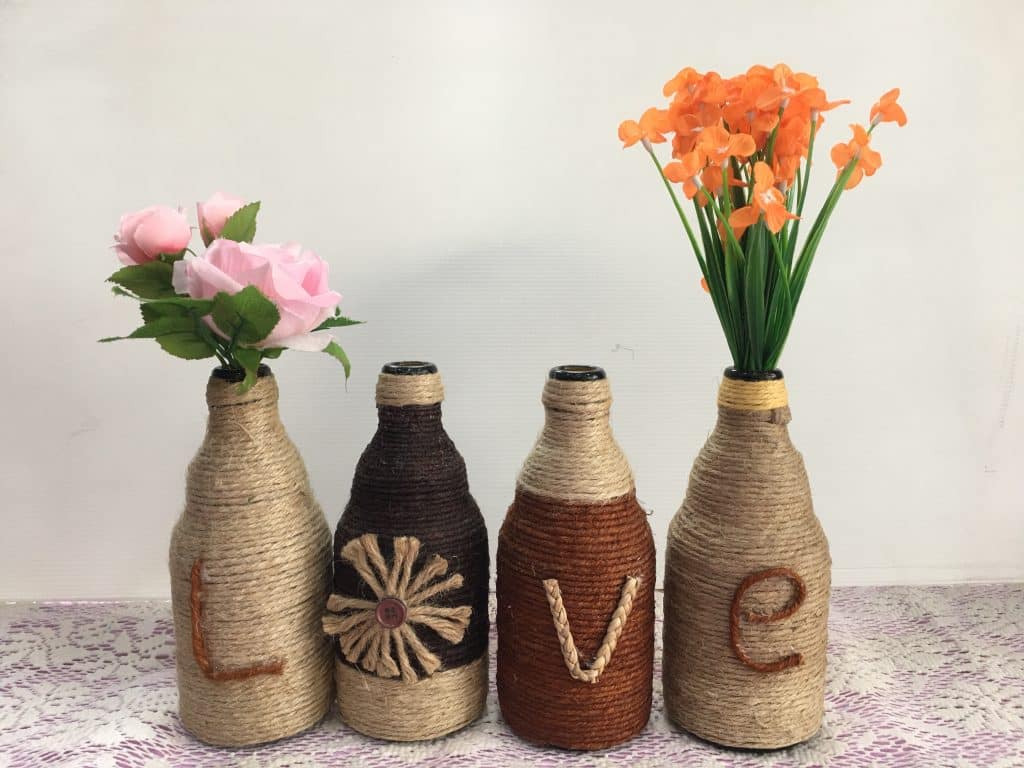
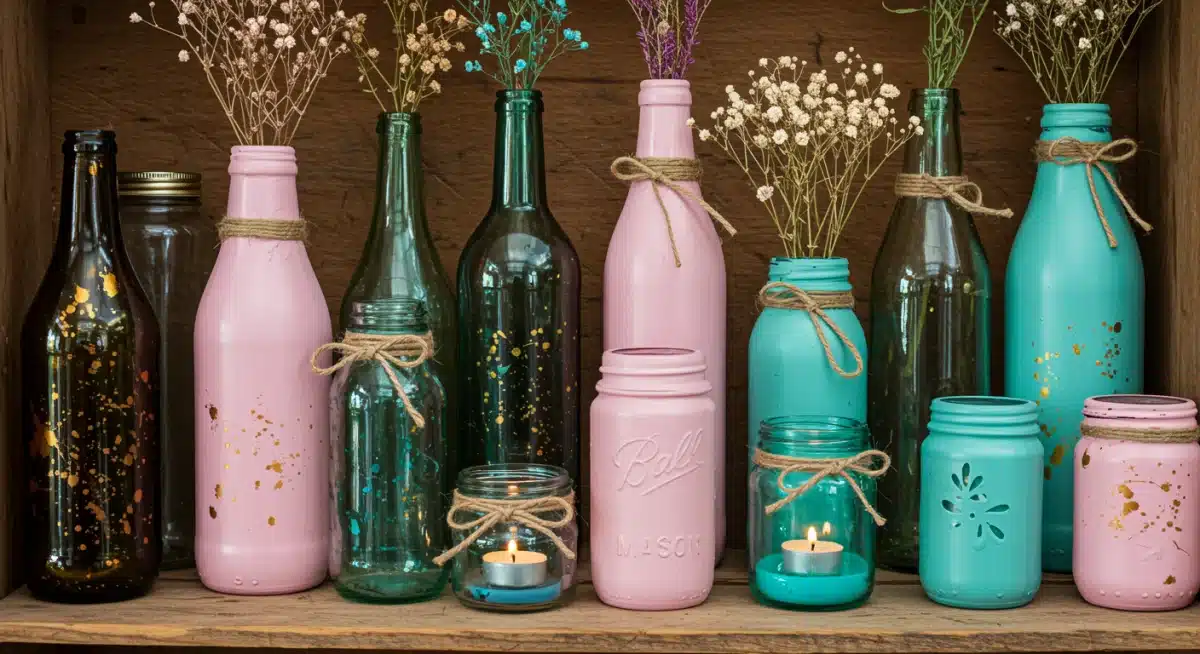
Glass jars and bottles: With a coat of paint, some twine, or simple embellishments, these can become elegant vases, candle holders, or organizers.
Fabric scraps: Leftover fabric can be used for pillow covers, framed art, or to add texture to existing decor.
Cardboard: Believe it or not, sturdy cardboard can be cut, painted, and assembled into surprisingly sophisticated geometric sculptures or functional storage boxes.
By learning to see the potential in overlooked items, you open the door to endless creative projects. This mindful approach to decorating not only personalizes your home but also instills a sense of pride in your environment.
The economic and environmental benefits
Beyond personal expression, choosing DIY home decor offers tangible benefits for both your wallet and the planet. The cost savings are often immediate and significant, allowing you to stretch your decorating budget further.
Instead of spending hundreds on a single store-bought item, you can create multiple unique pieces for a fraction of the cost.
Environmentally, DIY encourages upcycling and repurposing, reducing the demand for new products and minimizing waste destined for landfills.
It’s a conscious choice to consume less and create more, contributing to a more sustainable lifestyle.
This mindful approach aligns with a growing desire among consumers to make choices that are both economically sound and environmentally responsible, proving that beautiful decor doesn’t have to come at the expense of the planet.
Stylish wall art that won’t break the bank
Wall art is an essential element in defining the character of a room, but gallery-quality pieces can often be prohibitively expensive. Fortunately, there are countless DIY options that allow you to create captivating wall decor for under $50, adding personality and flair without compromising your budget.
From abstract paintings to intricate textile art, the possibilities for DIY wall decor are vast. The key is to think outside the box and consider materials that are affordable and easy to work with.
These projects not only result in unique pieces but also offer a rewarding creative outlet, allowing you to express your artistic side directly onto your walls.
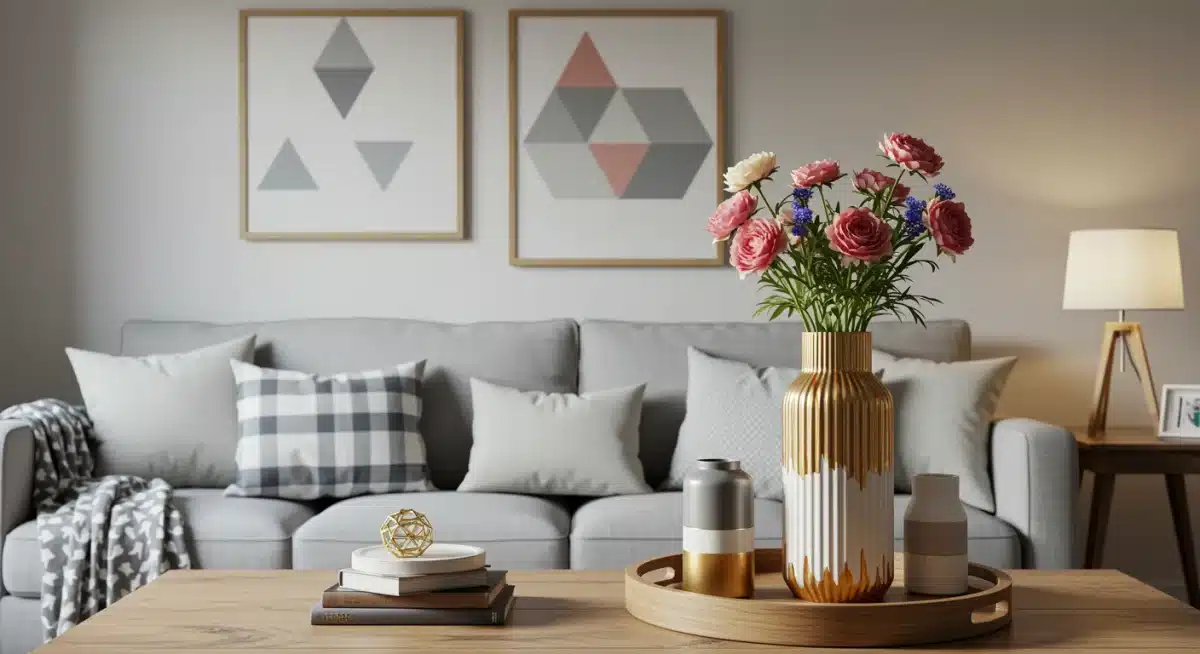
Geometric painted canvases
Creating modern geometric art is surprisingly simple and requires minimal materials. All you need are blank canvases (often found for a few dollars at craft stores), painter’s tape, and a selection of acrylic paints.
By taping off different sections and painting them in contrasting or complementary colors, you can achieve a sophisticated, abstract look.
Materials: Canvas, painter’s tape, acrylic paints, paintbrushes.
Process: Tape geometric patterns onto the canvas, paint sections, let dry, and carefully peel off tape.
Cost: Typically under $20 for materials, depending on canvas size and paint quantity.
This method allows for endless variations in design and color, ensuring that your artwork perfectly matches your existing decor.
The crisp lines and bold shapes can add a contemporary edge to any room, making a significant visual impact for a very small investment.
DIY macrame wall hangings
Macrame, the art of knotting cord into decorative patterns, has seen a resurgence in popularity, and for good reason.
These textural pieces add warmth and bohemian charm to any space. While store-bought macrame can be pricey, making your own is a rewarding and affordable project.
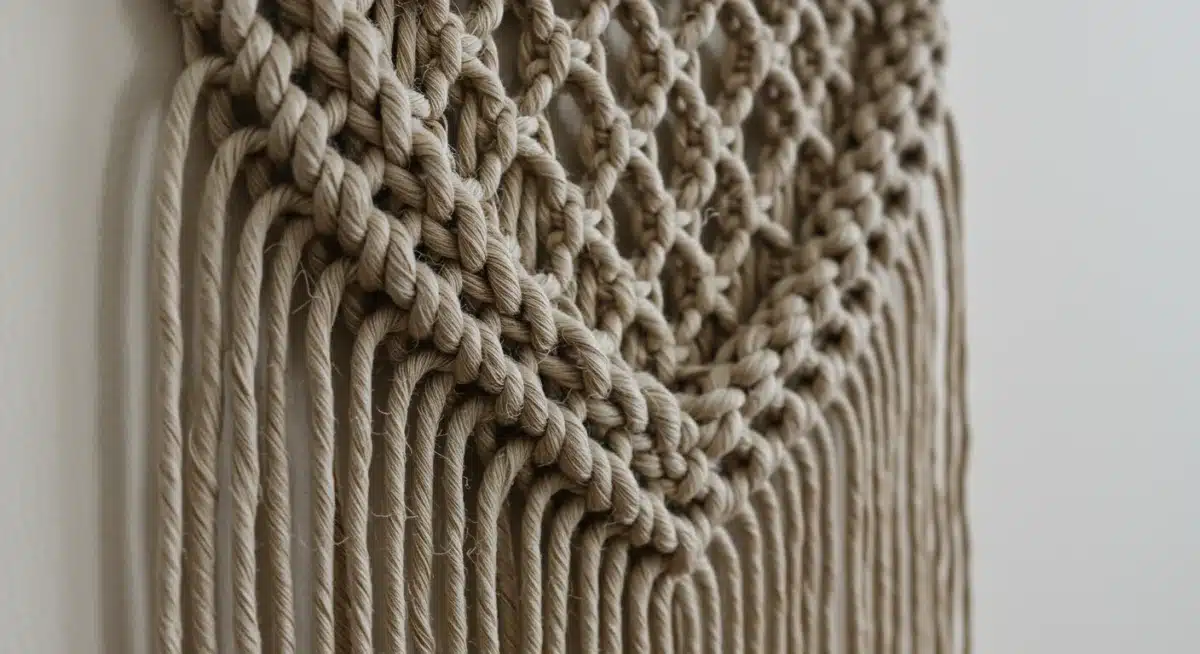
You’ll need macrame cord (natural cotton cord is often preferred) and a dowel or a sturdy branch. There are numerous free tutorials online that guide you through various knotting techniques, from simple to more complex designs.
Even a beginner can create a beautiful piece in just a few hours, transforming a plain wall into a focal point with handcrafted elegance.
Framed pressed botanicals
Bring the beauty of nature indoors with framed pressed botanicals. This elegant decor idea is incredibly budget-friendly, often costing only the price of frames and a little time spent foraging.
Collect leaves, flowers, and ferns, press them between heavy books for a few weeks, and then arrange them artfully in simple frames.
The result is a timeless piece of art that adds a touch of natural sophistication to your home. You can create a single large statement piece or a gallery wall of smaller, complementary frames.
This project connects you with nature and provides a unique, organic aesthetic that is both calming and visually appealing, proving that some of the most beautiful decor comes from the simplest sources.
Elevate your space with custom decorative accents
Beyond wall art, small decorative accents play a crucial role in tying a room together and making it feel lived-in and inviting.
These are the details that add character, texture, and color. Creating your own custom pieces ensures they perfectly match your style and narrative, all while keeping costs well under $50.
From unique planters to personalized trays, these DIY projects allow for immense creativity. They are often quick to complete, making them perfect for a weekend craft session.
The impact of these small touches should not be underestimated; they can significantly enhance the overall aesthetic and feel of your home, moving it from generic to genuinely personal.
Upcycled vase and planter transformations
Give new life to old glass bottles, jars, or even tin cans by transforming them into stylish vases and planters.
A simple coat of spray paint in a matte finish, a glossy metallic, or even a textured stone-effect can instantly elevate these humble items.
For added interest, experiment with different painting techniques like dip-dyeing or creating stripes with painter’s tape.
Materials: Old bottles/jars/cans, spray paint, twine/ribbon (optional).
Process: Clean and dry items, apply spray paint evenly, add embellishments if desired.
Cost: Nearly free if repurposing; spray paint costs around $5-$10 per can.
These revamped vessels can hold fresh flowers, faux botanicals, or even serve as standalone decorative objects.
The transformation is dramatic, showcasing how a small amount of effort and a minimal budget can yield truly stunning results. This approach highlights the power of repurposing, turning what might be considered waste into cherished decor.
Personalized decorative trays
Decorative trays are incredibly versatile; they can organize coffee table clutter, serve drinks, or simply act as a stylish base for other decor items.
Crafting your own allows for complete customization. Start with an inexpensive wooden tray (from a craft store or thrift shop) or even a sturdy piece of plywood cut to size.
You can paint it, stencil a design, decoupage it with interesting paper, or even add mosaic tiles. Attach cabinet handles to the sides for a functional and polished look.
This project offers an opportunity to incorporate specific colors, patterns, or textures that might be missing from your current decor scheme, creating a cohesive and well-styled space without overspending.
Custom throw pillow covers
Throw pillows are a quick and effective way to add color, pattern, and comfort to a sofa or bed. Instead of buying new pillows, which can be surprisingly expensive, consider making custom pillow covers.
If you have basic sewing skills, this is a straightforward project using fabric remnants or inexpensive textiles.
Look for fabric sales or utilize old tablecloths, curtains, or even scarves with appealing patterns. You can create simple envelope closures or add zippers for a more professional finish.
This allows you to update your decor seasonally or whenever you crave a change, providing a fresh look without the commitment or cost of new furniture. It’s a testament to how small fabric details can make a significant design statement.
Smart storage solutions that double as decor
In any home, organization is key, but storage doesn’t have to be purely utilitarian. With a creative approach, you can design and build storage solutions that are both highly functional and aesthetically pleasing.
These DIY projects help declutter your space while adding visual interest, all for under $50.
The beauty of DIY storage is its adaptability. You can tailor each piece to fit specific needs and spaces, a luxury often unavailable with mass-produced items.
This personalized approach ensures your storage not only works efficiently but also complements your existing decor, enhancing the overall harmony of your home.
Tiered jewelry or trinket organizers
Keep your jewelry, keys, or other small trinkets organized and beautifully displayed with a tiered organizer. This project can be made from a few inexpensive plates (ceramic, wood, or even plastic) and a metal or wooden dowel.
Drill a hole through the center of each plate, stack them with spacers (like small wooden blocks or nuts), and secure them with a central rod.
Materials: Plates (2-3), threaded rod/dowel, nuts/washers, drill.
Process: Drill holes, stack plates with spacers, secure with rod.
Cost: Often under $30, depending on plate and hardware selection.
Paint the plates or rod for a cohesive look. This elegant solution keeps small items tidy and visible, turning clutter into a decorative feature.
It’s a prime example of how everyday items can be repurposed into sophisticated and functional decor, adding a touch of bespoke charm to any dresser or vanity.
Woven rope baskets for stylish storage
Baskets are indispensable for storing everything from blankets to magazines, but store-bought options can be pricey.
Create your own stylish woven rope baskets using thick cotton rope and a hot glue gun. Start by coiling the rope to form the base, then continue coiling upwards, securing each layer with hot glue.
You can experiment with different rope thicknesses and even add color by dyeing sections of the rope before assembly or painting the finished basket.
These handmade baskets add a lovely textural element to a room and provide practical, attractive storage.
They embody the rustic-chic aesthetic and demonstrate how simple materials can create durable and beautiful home essentials, perfectly blending function and form.
Customized magazine or book holders
Tame your literary clutter with customized magazine or book holders. Old cereal boxes or sturdy cardboard can be transformed into chic storage solutions.
Cut the boxes diagonally, cover them with decorative paper, fabric, or paint, and add labels for organization.
For a more robust option, consider using inexpensive wooden crates. Sand them smooth, paint or stain them, and stack them creatively to form modular shelving units.
These solutions not only keep your reading materials neat but also contribute to the overall aesthetic of your room, proving that even the most mundane items can be integrated into a stylish decor scheme, making organization an art form.
Lighting fixtures with a DIY glow
Lighting is crucial for setting the mood and enhancing the functionality of any room. While designer light fixtures can be a significant investment, DIY projects offer creative and affordable ways to illuminate your space with unique, personalized pieces.
For under $50, you can craft lamps and light covers that add warmth and character.
These projects often involve repurposing existing fixtures or building new ones from scratch using readily available components.
The impact of custom lighting cannot be overstated; it can transform the ambiance of a room, highlighting architectural features or creating cozy nooks. With DIY lighting, you gain control over both aesthetics and atmosphere, making your home truly shine.
Mason jar pendant lights
Mason jars are incredibly versatile and can be transformed into charming pendant lights. You’ll need a basic pendant light kit (which includes wiring, a socket, and a cord) and a large mason jar.
Carefully drill a hole in the lid of the jar to accommodate the light socket, then assemble according to the kit’s instructions.
Materials: Mason jar, pendant light kit, drill.
Process: Drill hole in lid, assemble light kit, screw into jar.
Cost: Typically $15-$30 for kit and jar.
These lights are perfect for kitchens, dining areas, or even outdoor patios, emitting a warm, inviting glow. You can customize them further by painting the jars or adding decorative elements.
This project is a testament to the charm of industrial-chic design, proving that functional lighting can be both stylish and incredibly budget-friendly, adding a touch of rustic elegance.
Fabric-covered lampshades
Give an old or plain lampshade a complete makeover with fabric. Find an inexpensive lampshade (thrift stores are great for this) and a piece of fabric with a pattern or texture you love.
Using spray adhesive or fabric glue, carefully wrap and secure the fabric around the lampshade, trimming any excess.
This simple project can dramatically change the look of a lamp, allowing you to match it perfectly with your room’s decor.
It’s an excellent way to introduce new patterns or colors without investing in a completely new lamp. The transformation is often striking, breathing new life into an outdated item and demonstrating the power of textile accents in home decor.
DIY concrete base lamps
For a contemporary, minimalist look, consider crafting a lamp with a concrete base. This project is surprisingly straightforward and results in a sturdy, stylish fixture. You’ll need quick-setting concrete mix, a mold (such as a plastic container or milk carton), and a simple lamp kit with a socket, cord, and plug.
Pour the concrete into the mold, embedding the lamp kit’s threaded pipe before it sets. Once cured, remove the mold, and you’ll have a unique, industrial-style lamp base. Pair it with a simple bulb or a custom fabric lampshade for an elevated look.
This project showcases the versatility of common building materials in creating sophisticated, modern decor, proving that raw elements can be incredibly elegant.
Textural elements: blankets, pillows, and rugs on a dime
Texture is a vital component of interior design, adding depth, warmth, and visual interest to a space. While high-quality textiles can be expensive, there are numerous DIY approaches to incorporate rich textures into your home for under $50.
These projects often involve repurposing, simple crafting techniques, or smart material sourcing.
The tactile quality of a room significantly influences its comfort and appeal. By strategically adding textural elements through DIY projects, you can transform a flat, uninviting space into one that feels cozy, luxurious, and visually engaging.
It’s about creating a multi-sensory experience that enhances the overall atmosphere of your home.
No-sew fleece tie blankets
For a cozy and incredibly easy project, create a no-sew fleece tie blanket. All you need are two pieces of fleece fabric (different patterns or colors work well) and a pair of sharp scissors.
Lay the two pieces of fabric together, trim the edges to make them even, and then cut 1-inch wide, 4-inch deep fringes along all four sides.
Materials: Two pieces of fleece fabric, scissors.
Process: Trim fabric, cut fringes, tie corresponding fringes together.
Cost: Under $30-$40 for fleece, depending on size and sales.
Tie the corresponding fringes from the top and bottom layers together with double knots. This simple technique results in a soft, warm blanket perfect for snuggling on the sofa.
It’s a fantastic way to add a pop of color and a lot of warmth to your living room or bedroom, demonstrating that comfort and style can be achieved with minimal effort and expense.
DIY chunky knit throws
Chunky knit throws are incredibly popular for their luxurious texture and inviting appearance. While store-bought versions can be costly, you can create your own using arm knitting or giant knitting needles with chunky yarn. Look for sales on super bulky yarn or consider repurposing old sweaters by unraveling them.
Arm knitting is particularly beginner-friendly, requiring no needles at all, just your arms and a few skeins of yarn.
The result is a wonderfully soft and substantial throw that adds a touch of high-end comfort and visual weight to any sofa or bed. This project allows you to introduce a significant textural element that instantly elevates the perceived value and coziness of your space.
Stenciled or painted rugs
Area rugs can be expensive, but you can create a custom, patterned rug for a fraction of the cost by stenciling or painting a plain jute or outdoor rug.
Purchase an inexpensive natural fiber rug (often available for under $30) and a stencil with a design you love, along with some fabric paint or exterior latex paint.
Secure the stencil and apply the paint evenly. You can create geometric patterns, abstract designs, or even replicate a mosaic look.
This DIY rug project allows you to introduce bold patterns and colors into your room without a huge financial commitment, creating a unique focal point that defines your space and adds a layer of sophisticated texture underfoot.
Greenery and natural elements: bringing the outdoors in
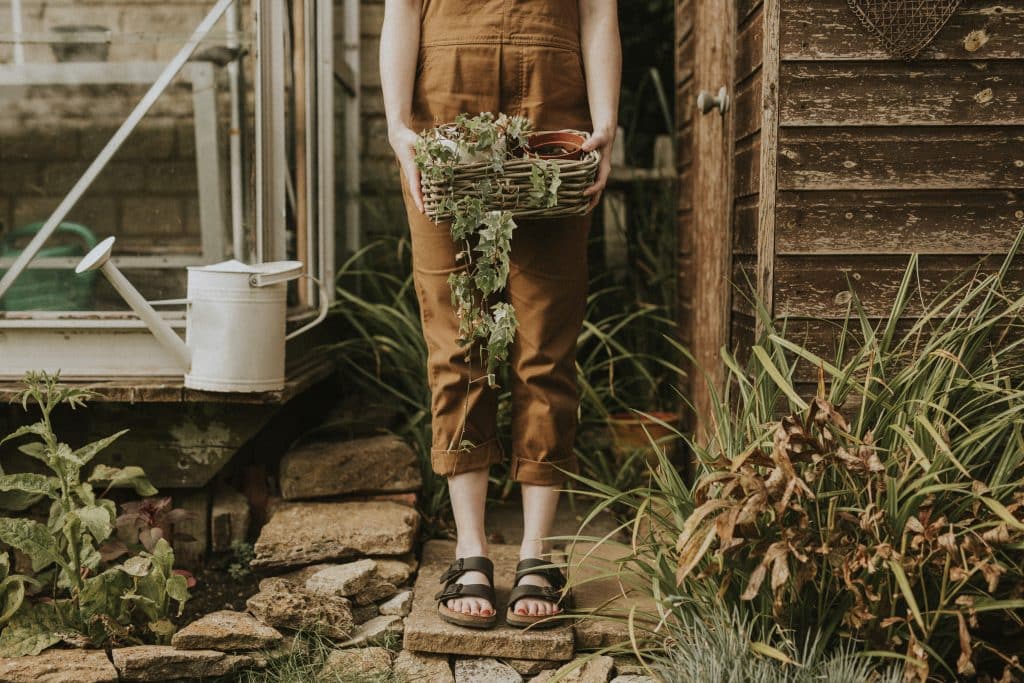
Incorporating greenery and natural elements is one of the quickest and most effective ways to make a home feel fresh, vibrant, and alive.
Plants improve air quality and add a soothing aesthetic. While exotic plants and designer planters can be expensive, there are many DIY ways to bring the outdoors in for under $50.
Connecting with nature indoors has numerous psychological benefits, from reducing stress to boosting creativity.
By embracing DIY approaches to plant decor, you not only beautify your home but also foster a healthier, more tranquil living environment. It’s about creating a sanctuary that feels grounded and harmonious, reflecting the calming power of the natural world.
DIY vertical herb gardens
If you have limited space but love fresh herbs, a DIY vertical herb garden is an ideal solution. You can construct one using reclaimed wood pallets, old plastic bottles, or even a simple hanging shoe organizer. Paint or decorate your chosen base, then fill small pots or cut sections with soil and your favorite herbs.
Materials: Pallet/plastic bottles/shoe organizer, soil, herb plants, paint (optional).
Process: Prepare base, plant herbs, hang in a sunny spot.
Cost: Often under $40, depending on plant selection and materials.
This project not only adds a lush green element to your kitchen or patio but also provides fresh ingredients for your culinary adventures.
It’s a functional and beautiful way to integrate living decor into your home, proving that even small spaces can accommodate a thriving indoor garden, blending utility with natural beauty.
Terrariums and succulent arrangements
Terrariums and succulent arrangements are low-maintenance ways to introduce miniature gardens into your home.
You can create stunning displays using inexpensive glass containers (old fishbowls, large jars, or even clear plastic boxes), small succulents or air plants, pebbles, and decorative moss.
Layer the bottom of the container with pebbles for drainage, add a thin layer of activated charcoal (optional, for odor control), then fill with succulent-specific potting mix.
Arrange your plants, adding decorative elements like small stones or figurines. These mini ecosystems are perfect for desks, shelves, or windowsills, bringing a touch of serene nature indoors with minimal fuss, creating living art that requires little intervention.
Floating shelves for plant displays
Maximize your vertical space and create an eye-catching display for your plants with DIY floating shelves.
You can construct these using inexpensive planks of wood (pine or common board are affordable) and hidden shelf brackets. Sand, stain, or paint the wood to match your decor.
Install the shelves in a staggered pattern or a clean line, then adorn them with potted plants, trailing vines, or small decorative items.
Floating shelves create an illusion of lightness and modernity, drawing the eye upwards and making your space feel larger.
They are an elegant solution for showcasing your greenery and enhancing the architectural interest of your walls, transforming simple boards into dynamic display areas.
Repurposing and upcycling: creative transformations
The art of repurposing and upcycling lies at the heart of budget-friendly DIY home decor. It involves taking items that have outlived their original purpose or are destined for the trash and transforming them into something new, useful, and beautiful.
This approach not only saves money but also fosters a unique, eclectic style that tells a story.
Embracing repurposing means seeing potential where others see waste. It’s about challenging conventional notions of what decor should be and instead, celebrating the ingenuity of giving objects a second life.
By diverting items from landfills, you contribute to a more sustainable planet while simultaneously creating one-of-a-kind pieces that add character and charm to your home.
Old ladder transformed into a blanket rack
An old wooden ladder, perhaps found at a flea market or antique store, can be beautifully repurposed into a stylish blanket rack or towel holder.
Clean the ladder thoroughly, sand any rough spots, and then paint or stain it to match your home’s aesthetic. Lean it against a wall in your living room or bedroom.
Materials: Old wooden ladder, sandpaper, paint/stain (optional).
Process: Clean, sand, paint/stain, lean against wall.
Cost: Often under $20 for a ladder, plus paint/stain.
The rungs provide perfect hanging space for throws, quilts, or even magazines, adding a rustic yet chic touch to your decor.
This functional piece not only keeps textiles organized but also serves as a sculptural element, injecting vintage charm and practical elegance into your space.
It’s a wonderful example of how forgotten objects can find new purpose in a modern home.
Suitcase side table or storage chest
Vintage suitcases possess an inherent charm and can be creatively repurposed into unique side tables or storage chests.
Stack a few suitcases of varying sizes to create a whimsical side table next to a sofa or bed. For added stability, you can secure them together with straps or adhesive.
Alternatively, a single large vintage suitcase can be cleaned, lined with fabric, and used as a stylish storage chest for blankets, books, or seasonal decor.
These pieces add a sense of history and adventure to a room, serving as conversation starters and practical solutions. They embody a bohemian or eclectic style, showcasing how travel relics can become cherished home elements.
Pallet coffee table with hidden storage
Wooden pallets are incredibly versatile and can be transformed into robust and stylish furniture pieces, such as a coffee table with hidden storage.
Acquire a few clean pallets (ensure they are heat-treated, not chemically treated), sand them smooth, and then stack them to your desired height. You can add caster wheels for mobility.
By arranging the pallets strategically, you can create cubbies or open spaces perfect for storing magazines, remote controls, or small blankets.
Paint or stain the pallets for a finished look, and consider adding a glass or plywood top for a smooth surface. This project offers a sturdy, industrial-chic furniture piece that is both functional and a testament to sustainable design, making a bold statement with repurposed materials.
The joy of creating: beyond the finished product
While the goal of DIY home decor is to create stylish accent pieces, the process itself offers immense value.
The act of planning, designing, and physically crafting something for your home is a deeply rewarding experience. It fosters a sense of accomplishment, boosts creativity, and provides a welcome break from the digital world.
The satisfaction derived from pointing to a piece in your home and proudly saying, ‘I made that,’ is immeasurable.
It’s more than just saving money; it’s about investing your time and energy into making your home uniquely yours. This personal connection to your surroundings creates a more meaningful and inviting living space, filled with stories and memories.
Building skills and confidence
Each DIY project, no matter how small, offers an opportunity to learn new skills. From mastering basic woodworking techniques to experimenting with different paints and textures, you’ll gradually build a repertoire of crafting abilities.
This continuous learning process notually makes future projects easier but also instills a greater sense of confidence in your capabilities.
Woodworking basics: Learning to cut, sand, and join wood for shelves or frames.
Painting techniques: Experimenting with different finishes, stenciling, and color mixing.
Textile crafts: Developing skills in sewing, knotting, or even simple weaving.
Problem-solving: Adapting designs and materials to overcome challenges during a project.
The confidence gained from successfully completing a DIY project often extends beyond crafting, influencing other areas of your life.
It empowers you to tackle new challenges and approach problems with a creative, can-do attitude, proving that DIY is not just about home decor, but personal growth.
A sustainable and mindful approach to living
Choosing DIY home decor aligns perfectly with a sustainable and mindful approach to living. By repurposing, upcycling, and creating items yourself, you actively participate in reducing waste and minimizing your environmental footprint.
This conscious consumption contrasts sharply with the fast-paced, disposable culture that often dominates the retail market.
Moreover, the act of making something with your hands encourages mindfulness. It requires focus, patience, and attention to detail, drawing you into the present moment.
This meditative aspect of crafting can be incredibly therapeutic, offering a peaceful escape from daily stressors. It’s a holistic approach to home and self, where every created piece contributes to a more thoughtful and eco-conscious lifestyle, fostering a deeper appreciation for your possessions.
| Key Decor Project | Budget-Friendly Idea |
|---|---|
| Wall Art | Geometric painted canvases or macrame hangings. |
| Decorative Accents | Upcycled vases, personalized trays, custom pillow covers. |
| Storage Solutions | Tiered organizers, woven rope baskets, customized book holders. |
| Natural Elements | Vertical herb gardens, terrariums, floating plant shelves. |
Frequently asked questions about DIY home decor
For beginners, projects like painting geometric patterns on canvases, transforming glass jars into vases with spray paint, or crafting no-sew fleece tie blankets are excellent starting points.
They require minimal tools, basic skills, and offer immediate, satisfying results, building confidence for more complex endeavors.
Affordable materials can be found at dollar stores, thrift shops, hardware stores, and craft stores (especially during sales).
Don’t overlook repurposing items you already own, like old bottles, fabric scraps, or even cardboard. Online marketplaces and local free sections can also yield hidden gems.
To achieve a high-end look, focus on clean lines, quality finishes (smooth sanding, even paint coats), and a cohesive color palette. Less is often more; avoid over-embellishing. Pay attention to details like hardware and proper sealing. Inspiration from designer pieces can guide your aesthetic choices.
Always prioritize safety. Wear protective gear like gloves and eye protection, especially when using power tools, strong adhesives, or spray paints. Ensure proper ventilation when working with chemicals. Read instructions for all materials and tools carefully. If unsure about electrical projects, consult a professional.
Absolutely. By making items yourself, you significantly reduce costs compared to purchasing retail. The initial investment in tools can be amortized over many projects.
Furthermore, learning to repurpose and upcycle reduces the need to buy new, fostering a more sustainable and economically savvy approach to home decorating.
Conclusion
Embarking on DIY home decor projects is a fulfilling journey that extends far beyond merely saving money. It’s an empowering way to infuse your living space with personal style, creativity, and a sense of accomplishment.
By embracing the principles of repurposing, smart material sourcing, and hands-on crafting, you can transform your home with unique and stylish accent pieces, all while keeping your budget firmly under $50 per item.
The joy of creating, the skills gained, and the sustainable impact make DIY a powerful tool for anyone looking to cultivate a truly personalized and inviting home environment without compromise.