Improve Your Heart Health in 2026: Simple Steps

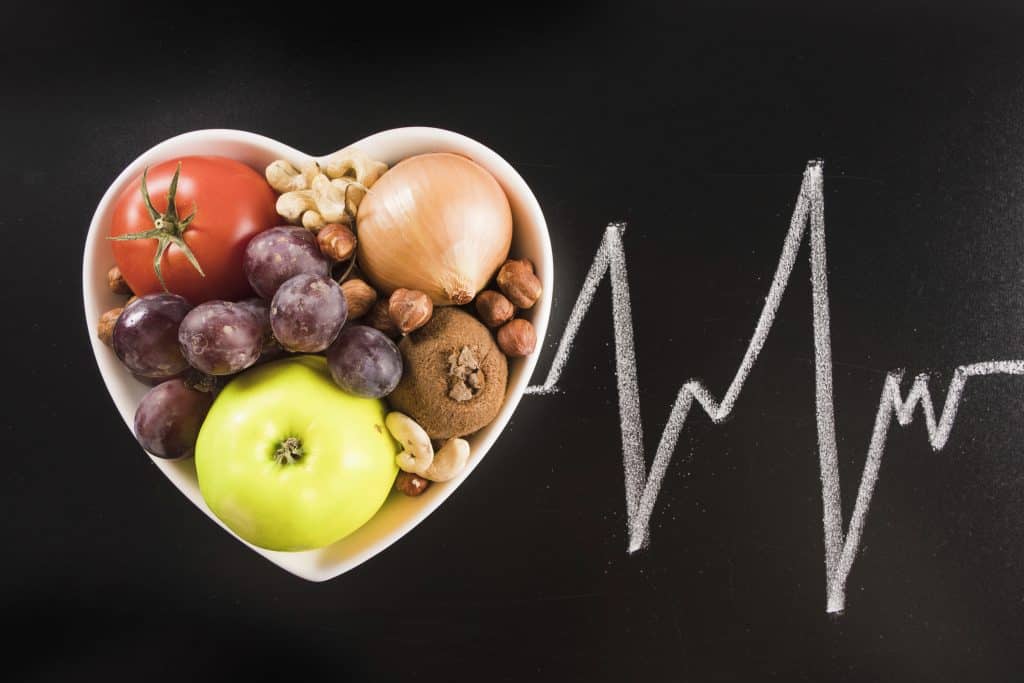 As we step into 2026, many of us are setting new goals, and for good reason, prioritizing our well-being is paramount. One of the most impactful resolutions you can make is to improve your heart health.
Your heart is the engine of your body, and nurturing it through simple, consistent lifestyle changes can lead to a longer, more vibrant life. This guide will walk you through practical, actionable steps you can start implementing today to foster a stronger, healthier heart.
Nourishing Your Heart: The Power of a Balanced Diet
The food we consume plays a monumental role in our cardiovascular health. What you put on your plate directly impacts your blood pressure, cholesterol levels, and overall heart function.
Making smart dietary choices is not about deprivation, but rather about embracing a rich, varied diet that supports your heart’s optimal performance. Small, consistent changes can yield significant benefits over time, transforming your health from the inside out.
Embrace Whole Foods
Processed foods, often high in sodium, unhealthy fats, and added sugars, are detrimental to heart health. Shifting your focus to whole, unprocessed foods is a cornerstone of a heart-healthy diet. These foods retain their natural nutrients, fiber, and beneficial compounds that protect your cardiovascular system.
Fruits and Vegetables: Aim for a colorful array of fresh produce. Berries, leafy greens, citrus fruits, and cruciferous vegetables are packed with antioxidants and fiber.
Whole Grains: Choose whole grains like oats, brown rice, quinoa, and whole-wheat bread over refined grains. They provide sustained energy and help manage cholesterol.
Lean Proteins: Incorporate sources like fish (especially fatty fish rich in omega-3s), poultry without skin, beans, lentils, and nuts.
Beyond individual food groups, consider the overall pattern of your eating. Diets like the Mediterranean diet, rich in olive oil, nuts, seeds, fruits, vegetables, and fish, have consistently been linked to lower risks of heart disease.
These patterns emphasize fresh, natural ingredients and healthy fats, which are crucial for maintaining healthy arteries and blood flow. It’s about creating a sustainable eating style that you enjoy and that naturally supports your heart’s needs.
Ultimately, nourishing your heart through a balanced diet means making conscious choices that prioritize nutrient-dense foods. It’s a journey of discovery, finding delicious and healthy ways to fuel your body, reduce inflammation, and guard against cardiovascular issues.
By focusing on whole foods and thoughtful preparation, you can significantly improve your heart health and overall vitality for 2026 and beyond.
Moving Your Body: The Benefits of Regular Physical Activity
Physical activity is a powerful tool in your arsenal to improve heart health. It strengthens your heart muscle, improves circulation, and helps manage weight, blood pressure, and cholesterol.
You don’t need to become an elite athlete to reap the rewards; even moderate, consistent exercise can make a significant difference. The key is to find activities you enjoy and integrate them into your daily routine, making movement a natural part of your life.
Finding Your Rhythm: Types of Exercise
Variety is the spice of life, and it’s also beneficial for your fitness regimen. Combining different types of exercise can offer comprehensive benefits for your cardiovascular system and overall well-being. Listen to your body and gradually increase intensity and duration as you get fitter.
Aerobic Exercise: Activities like brisk walking, jogging, swimming, cycling, and dancing get your heart rate up and improve cardiovascular endurance. Aim for at least 150 minutes of moderate-intensity aerobic activity per week.
Strength Training: Lifting weights or using resistance bands builds muscle mass, which helps burn calories more efficiently and supports a healthy metabolism. Include strength training sessions two or more days a week.
Flexibility and Balance: Yoga, Pilates, and stretching improve flexibility, posture, and balance, reducing the risk of injuries and enhancing overall physical function.
Even small bursts of activity throughout the day add up. Take the stairs instead of the elevator, park further away, or go for a short walk during your lunch break. Consistency is more important than intensity, especially when you’re starting.
The goal is to make physical activity a habit, something you look forward to rather than dread. Engaging in activities with friends or family can also enhance enjoyment and adherence, turning exercise into a social and rewarding experience.
Regular physical activity is not just about burning calories; it’s about investing in the long-term health of your heart. It reduces your risk of heart disease, stroke, type 2 diabetes, and certain cancers, while also boosting your mood and energy levels. By committing to move your body regularly, you are actively working to improve your heart health and build a foundation for a healthier, more active life in 2026.
Managing Stress for a Healthier Heart
In our fast-paced world, stress has become an almost constant companion for many. While some stress is unavoidable, chronic stress can have detrimental effects on your heart health. It can lead to increased blood pressure, irregular heart rhythms, and even damage to artery walls over time. Learning effective stress management techniques is not a luxury, but a necessity for a strong, resilient heart.
Techniques for Calming Your Mind and Body
There are numerous ways to manage stress, and what works for one person may not work for another. The key is to explore different techniques and find what resonates with you, creating a personalized stress-relief toolkit. Consistency in these practices can significantly lower your stress response and protect your cardiovascular system.
Mindfulness and Meditation: Dedicate a few minutes each day to quiet your mind. Apps, guided meditations, or simply focusing on your breath can be incredibly effective.
Deep Breathing Exercises: Simple breathing techniques can quickly calm your nervous system. Practice slow, deep breaths, inhaling deeply through your nose and exhaling slowly through your mouth.
Yoga and Tai Chi: These practices combine physical movement with mindfulness and controlled breathing, offering a holistic approach to stress reduction and physical well-being.
Beyond structured practices, engaging in hobbies you enjoy, spending time in nature, or connecting with loved ones can also be powerful stress relievers. Ensure you are getting adequate sleep, as sleep deprivation can exacerbate stress and negatively impact heart health. Consider setting healthy boundaries in your personal and professional life to prevent burnout and reduce feelings of overwhelm. Sometimes, simply acknowledging and accepting that you are stressed is the first step towards managing it effectively.
Effectively managing stress is a proactive step towards safeguarding your cardiovascular health. It’s about creating a balance in your life that allows for periods of rest and rejuvenation, preventing the chronic activation of your body’s stress response.
By integrating stress-reducing practices into your daily routine, you are not only improving your heart health but also enhancing your overall quality of life in 2026.
The Importance of Quality Sleep for Cardiovascular Health
Sleep is often underestimated in its profound impact on our health, especially our heart. During sleep, your body repairs itself, and your cardiovascular system gets a much-needed rest.
Chronic sleep deprivation or poor sleep quality can increase the risk of high blood pressure, diabetes, and obesity, all of which are major risk factors for heart disease. Prioritizing quality sleep is a non-negotiable component of any strategy to improve heart health.
Cultivating a Restorative Sleep Environment
Creating an optimal sleep environment and adopting consistent sleep habits can dramatically improve your sleep quality. It’s about signaling to your body that it’s time to wind down and prepare for rest. Small adjustments to your evening routine can lead to significant improvements in how well you sleep and, consequently, how well your heart functions.
Consistent Sleep Schedule: Go to bed and wake up at the same time each day, even on weekends, to regulate your body’s natural sleep-wake cycle.
Comfortable Sleep Environment: Ensure your bedroom is dark, quiet, and cool. Invest in a comfortable mattress and pillows that support good posture.
Limit Screen Time: Avoid electronic devices an hour or two before bed, as the blue light emitted can interfere with melatonin production, a hormone essential for sleep.
Beyond these environmental factors, consider your pre-sleep habits. Avoid heavy meals, caffeine, and alcohol close to bedtime, as these can disrupt sleep. Instead, opt for relaxing activities like reading a book, taking a warm bath, or practicing gentle stretching.
If you consistently struggle with sleep, it’s important to consult a healthcare professional, as underlying conditions like sleep apnea can significantly impact heart health and require medical intervention. Addressing sleep issues is a vital step in your journey to improve heart health.
By making quality sleep a priority, you are actively working to reduce inflammation, regulate hormones, and lower your risk of cardiovascular disease.
Think of sleep as a daily tune-up for your heart and entire body. Investing in good sleep habits in 2026 will not only leave you feeling more energized and focused but will also provide a strong foundation for long-term heart health and overall well-being.
Maintaining a Healthy Weight: A Cornerstone of Heart Health

Achieving and maintaining a healthy weight is one of the most effective ways to improve heart health and reduce the risk of cardiovascular disease. Excess body weight, particularly around the abdomen, puts additional strain on your heart, increases blood pressure, and negatively impacts cholesterol and blood sugar levels.
Even a modest weight loss can lead to significant improvements in these vital markers, offering profound benefits for your long-term health.
Strategies for Sustainable Weight Management
Sustainable weight management is not about quick fixes or extreme diets; it’s about adopting a holistic approach that combines balanced nutrition with regular physical activity.
It requires a consistent commitment to healthy habits that you can maintain over time, focusing on gradual progress rather than rapid results. Understanding your body’s needs and making informed choices are crucial steps.
Balanced Diet: Focus on whole, unprocessed foods, lean proteins, and plenty of fruits and vegetables. Control portion sizes and be mindful of caloric intake.
Regular Exercise: Incorporate both aerobic and strength training into your routine. Physical activity helps burn calories, build muscle, and boost metabolism.
Mindful Eating: Pay attention to hunger and fullness cues. Eat slowly, savoring your food, and avoid distractions like screens during meals.
Beyond diet and exercise, other factors contribute to weight management. Adequate sleep helps regulate hormones that control appetite and metabolism, while effective stress management can prevent emotional eating.
Seeking support from a healthcare professional, a registered dietitian, or a fitness expert can also provide valuable guidance and accountability. Remember that weight loss is a personal journey, and celebrating small victories along the way can help maintain motivation and commitment to your goals. The focus should be on adopting a healthier lifestyle, not just hitting a number on the scale.
By actively working to maintain a healthy weight, you are directly reducing the burden on your heart and lowering your risk of chronic diseases. This commitment to your body’s well-being is a powerful step towards improving your heart health in 2026 and ensuring a healthier future. It’s an investment that pays dividends in energy, vitality, and longevity.
Regular Health Screenings and Doctor Consultations

While lifestyle changes are fundamental to improving heart health, regular health screenings and consultations with your doctor are equally crucial. These check-ups provide vital insights into your cardiovascular status, allowing for early detection of potential issues and timely interventions. Don’t wait for symptoms to appear; proactive monitoring is key to preventing serious heart problems and maintaining optimal health.
Understanding Key Health Metrics
During your regular check-ups, your doctor will likely monitor several key health metrics that are directly linked to heart health. Understanding these numbers and what they mean can empower you to take a more active role in your health management. Don’t hesitate to ask questions and discuss any concerns you might have about your results.
Blood Pressure: High blood pressure (hypertension) is a major risk factor for heart disease. Regular monitoring helps ensure it stays within a healthy range.
Cholesterol Levels: High levels of LDL (bad) cholesterol and low levels of HDL (good) cholesterol can increase plaque buildup in arteries.
Blood Sugar: Elevated blood sugar levels can damage blood vessels and nerves, increasing the risk of heart disease, especially if you have diabetes.
Beyond these standard screenings, your doctor may recommend additional tests based on your age, family history, and other risk factors. These could include an electrocardiogram (ECG), stress tests, or more advanced imaging.
It’s also important to discuss your lifestyle habits openly and honestly with your physician. They can offer personalized advice, help you set realistic goals, and provide referrals to specialists like dietitians or exercise physiologists if needed. Building a strong, trusting relationship with your healthcare provider is an essential component of a comprehensive heart health strategy.
Regular health screenings and open communication with your doctor are indispensable for a proactive approach to heart health. T
hey serve as an early warning system, allowing you to address risk factors before they escalate into serious conditions. By staying informed and engaged with your healthcare team, you are taking a crucial step to improve your heart health and ensure a vibrant, healthy future in 2026 and beyond.
Building a Supportive Environment for Heart Health
Improving your heart health is not just an individual endeavor; it’s often more successful when supported by your environment and community.
Surrounding yourself with positive influences, sharing your goals with loved ones, and seeking out resources that promote healthy living can significantly boost your chances of success. A supportive environment makes healthy choices easier and more sustainable, reinforcing your commitment to a stronger heart.
Leveraging Your Social Network and Resources
Your social connections and the resources available to you can play a pivotal role in maintaining a heart-healthy lifestyle. Whether it’s a workout buddy or a community health program, external support can provide motivation, accountability, and valuable insights. Don’t underestimate the power of shared goals and collective encouragement in your health journey.
Engage with Loved Ones: Share your heart health goals with family and friends. Their understanding and support can make a big difference in sticking to your new habits.
Join Support Groups or Classes: Whether online or in person, connecting with others who share similar health goals can provide encouragement, tips, and a sense of community.
Utilize Community Resources: Look for local parks with walking trails, community centers offering fitness classes, or farmers’ markets for fresh produce.
Beyond personal connections, consider how your home and work environments can be optimized for heart health. Stock your pantry with nutritious foods and reduce the availability of unhealthy snacks. If possible, advocate for healthier options in your workplace cafeteria or encourage walking meetings. Even small changes in your surroundings can reduce temptation and make healthy choices the default. Remember, creating a heart-healthy lifestyle is a continuous process, and having a strong support system can help you navigate challenges and celebrate successes.
By consciously building a supportive environment, you are creating a scaffold for your heart health journey. This network of people and resources acts as a buffer against setbacks and a catalyst for progress, making it easier to sustain positive changes. In 2026, let your community and surroundings be a source of strength as you work to improve your heart health and embrace a life of vitality and well-being.
| Key Aspect | Brief Description |
|---|---|
| Balanced Diet | Focus on whole foods, lean proteins, fruits, and vegetables to manage cholesterol and blood pressure. |
| Regular Exercise | Engage in aerobic activities and strength training to strengthen the heart and improve circulation. |
| Stress Management | Utilize mindfulness, meditation, and relaxation techniques to reduce chronic stress’s impact on the heart. |
| Quality Sleep | Prioritize 7-9 hours of restorative sleep nightly to support cardiovascular repair and hormone regulation. |
Frequently Asked Questions About Heart Health
Focus on a diet rich in fruits, vegetables, whole grains, and lean proteins. Limit processed foods, red meat, sugary drinks, and unhealthy fats. Adopting a Mediterranean-style diet is particularly beneficial for cardiovascular well-being.
Adults should aim for at least 150 minutes of moderate-intensity aerobic activity or 75 minutes of vigorous-intensity aerobic activity per week. Incorporate muscle-strengthening activities at least two days a week for comprehensive benefits.
Yes, chronic stress can significantly impact heart health by increasing blood pressure, heart rate, and inflammation. Practicing stress-reduction techniques like meditation, deep breathing, and yoga is crucial for cardiovascular protection.
Quality sleep allows your heart and blood vessels to rest and repair. Insufficient sleep can elevate blood pressure, increase inflammation, and contribute to weight gain, all of which are risk factors for heart disease.
Regular check-ups allow for monitoring key indicators like blood pressure, cholesterol, and blood sugar. Early detection of risk factors enables timely intervention and personalized guidance, preventing potential heart problems before they become severe.
Conclusion
As we navigate 2026, the opportunity to significantly improve your heart health is within reach through consistent, mindful lifestyle changes. From nourishing your body with a balanced diet and staying active, to effectively managing stress and prioritizing quality sleep, each step contributes to a stronger, more resilient cardiovascular system.
Remember, small, sustainable adjustments yield the most profound and lasting results. By embracing these habits and maintaining regular health screenings, you are not just preventing disease; you are investing in a future filled with vitality, energy, and a heart that beats strong for years to come. Make 2026 the year you truly commit to your heart’s well-being.