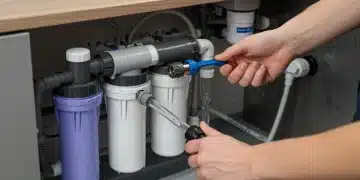
DIY Water Damage Prevention: 4 Crucial Steps for Rainy Season 2026

 Protecting your home from water damage is paramount, and proactive DIY water damage prevention before the rainy season 2026 can save thousands in repairs by addressing vulnerabilities like clogged gutters and compromised seals.
As the rainy season of 2026 approaches, many homeowners in the United States begin to consider the potential for water damage. Taking proactive steps for DIY water damage prevention is not just about avoiding costly repairs; it’s about securing your peace of mind.
This guide will walk you through four crucial steps you can take right now to protect your home from the elements.
Understanding the Risks of Water Damage
Water damage can manifest in various insidious ways, often starting subtly before escalating into major structural issues. Before diving into prevention, it’s vital to understand the common culprits and potential consequences.
From leaky roofs to compromised foundations, water can exploit any weakness in your home’s defenses, leading to mold growth, weakened building materials, and even electrical hazards. Recognizing these risks is the first step in effective DIY water damage prevention.
The impact of water damage extends beyond immediate structural concerns. It can devalue your property, create unhealthy living conditions due to mold and mildew, and necessitate extensive, expensive remediation efforts.
Many homeowners underestimate the cumulative effect of small leaks or persistent dampness, which can erode materials over time. Being informed about these dangers empowers you to take decisive action before the rainy season truly sets in.
Common Entry Points for Water
Water finds its way into homes through several common avenues. Identifying these vulnerabilities is key to a successful prevention strategy. Understanding where your home is most susceptible allows for targeted interventions, making your prevention efforts more efficient and effective.
Roofing issues: Missing shingles, cracked flashing, and deteriorated sealants create direct pathways for water.
Foundation cracks: Even hairline fractures can allow groundwater to seep into basements or crawl spaces.
Window and door seals: Worn-out caulk or weather stripping can fail under heavy rain, leading to leaks.
Clogged gutters and downspouts: Overflowing gutters direct water directly against the foundation, often causing basement flooding.
Long-Term Consequences of Neglect
Ignoring minor water issues can lead to significant long-term problems. What might seem like a small drip today could become a major structural compromise tomorrow. The cost of addressing these issues escalates dramatically when they are left unaddressed, often requiring professional intervention that could have been avoided with simple DIY measures.
Beyond the visible damage, hidden issues like mold growth can pose serious health risks to occupants. Mold thrives in damp environments and can spread rapidly, compromising indoor air quality and triggering allergies or respiratory problems.
Therefore, timely DIY water damage prevention is not just about property maintenance; it’s about safeguarding your family’s health.
In conclusion, a thorough understanding of water damage risks and entry points is foundational to any effective prevention plan.
By recognizing these vulnerabilities, homeowners can prioritize their efforts and implement targeted solutions that truly protect their property from the impending rainy season. This foundational knowledge sets the stage for the practical steps that follow.
Step 1: Inspect and Clear Your Gutters and Downspouts

One of the most critical steps in DIY water damage prevention involves your home’s gutter system. Gutters and downspouts are designed to channel rainwater away from your roof and foundation.
When they become clogged with leaves, twigs, and other debris, they can’t perform their job effectively. This oversight can lead to a cascade of problems, from overflowing gutters that drench your home’s siding to water pooling around the foundation, potentially seeping into your basement or crawl space.
Regular inspection and cleaning are not just recommendations; they are essential maintenance tasks that every homeowner should undertake, especially before a predicted heavy rainy season. Neglecting this simple task can result in significant and costly water damage repairs, making it a cornerstone of any robust prevention strategy.
The Importance of Clean Gutters
Clean gutters are your home’s first line of defense against rainwater. Without them functioning properly, water can overflow, saturate the ground around your foundation, and even cause erosion. This can compromise the structural integrity of your home over time. Furthermore, standing water in clogged gutters can become a breeding ground for mosquitoes and other pests, adding another layer of nuisance.
Ensuring your gutters are free of obstructions allows for the unimpeded flow of water, directing it safely away from your home. This simple act can prevent a multitude of issues, from rot and decay on fascia boards to basement flooding, making it an indispensable part of your pre-rainy season checklist.
How to Effectively Clean Your Gutters
Cleaning gutters is a straightforward task that most homeowners can tackle. Safety is paramount, so always use a sturdy ladder and have someone spot you. Wear gloves to protect your hands from debris and potential sharp objects. For stubborn clogs, a small trowel or a garden hose can be invaluable.
Gather your tools: Sturdy ladder, heavy-duty gloves, a small trowel or scoop, and a bucket for debris.
Clear large debris: Start by removing large clumps of leaves and twigs by hand.
Flush with water: Use a garden hose to flush out any remaining smaller debris and ensure water flows freely through the downspouts.
Check for damage: While cleaning, inspect gutters for cracks, rust, or loose fasteners that might need repair.
After clearing, ensure downspouts extend at least several feet away from your foundation. If they don’t, consider adding extensions to effectively divert water. This final step ensures that the water collected by your clean gutters is directed to a safe distance, preventing it from pooling near your home’s base.
In summary, a clean and functional gutter system is non-negotiable for effective DIY water damage prevention. By regularly inspecting and clearing your gutters and downspouts, you create a robust defense against the rainy season’s onslaught, protecting your home from potential harm and saving you from future headaches and expenses.
Step 2: Inspect Your Roof and Exterior Walls for Vulnerabilities
Beyond your gutter system, your roof and exterior walls are primary barriers against water intrusion. A thorough inspection of these areas is paramount for comprehensive DIY water damage prevention.
Even small cracks, loose shingles, or deteriorating sealant can become significant entry points for water during heavy rains. Addressing these vulnerabilities before the rainy season arrives can prevent extensive internal damage and maintain the structural integrity of your home.
This inspection should be more than a cursory glance; it requires attention to detail and an understanding of common weak points. Proactive identification and repair of these issues are far less costly and disruptive than dealing with the aftermath of a leak, making this step a critical investment in your home’s protection.
Roof Inspection Essentials
Your roof is constantly exposed to the elements, making it susceptible to wear and tear. A visual inspection from the ground with binoculars can reveal many issues, but a closer look, if safely possible, is always better. Look for signs of damage or deterioration that could compromise its water resistance.
Missing or cracked shingles: These are obvious entry points for water. Replace them promptly.
Loose or damaged flashing: Flashing around chimneys, skylights, and vents must be secure and intact.
Sagging areas: A sagging roof could indicate structural damage or water accumulation.
Granule loss: Excessive shingle granules in gutters suggest the roof is nearing the end of its lifespan.
Exterior Wall and Foundation Checks
Just as important as the roof are your home’s exterior walls and foundation. Cracks, gaps, or deteriorating materials here can allow water to seep into your home’s structure. Pay close attention to areas where different materials meet, such as around windows, doors, and utility penetrations.
Examine your foundation for any visible cracks, no matter how small. These can expand over time, especially with freeze-thaw cycles, creating pathways for water.
Ensure that any exterior paint or siding is in good condition, as these also act as protective layers against moisture. Reapplying caulk around windows and doors is a simple yet highly effective measure for DIY water damage prevention.
A comprehensive inspection of your roof and exterior walls is a non-negotiable step in preparing for the rainy season. By carefully scrutinizing these critical areas and making necessary repairs, you significantly reduce the risk of water intrusion. This proactive approach not only saves you money but also preserves the longevity and safety of your home, reinforcing its defenses against the harshest weather.
Step 3: Ensure Proper Landscape Grading and Drainage
Even with a perfectly maintained roof and sealed exterior, improper landscape grading and drainage can undermine all your DIY water damage prevention efforts.
The ground around your home should slope away from the foundation, directing rainwater naturally to a safe distance. If the grade slopes towards your house, water will collect against the foundation, increasing the risk of basement flooding, foundation damage, and moisture issues in crawl spaces.
Addressing grading and drainage issues is often a significant but worthwhile investment in protecting your home. It’s about working with nature, not against it, to ensure that water is managed effectively at ground level. This step is crucial for long-term structural integrity and preventing persistent dampness problems.
Evaluating Your Property’s Grade
Begin by simply observing how water behaves around your home during a rain shower. Does it pool near the foundation? Does it flow towards your house instead of away? These are clear indicators of poor grading. Ideally, the ground should drop at least six inches for every ten feet away from the foundation. This gentle slope is usually sufficient to direct surface water away.
If you identify areas where water collects, consider regrading the soil. This might involve adding soil to raise the level closest to your house and then sloping it downwards. For more severe issues, or if you’re unsure, consulting a landscaping professional can provide valuable insights and solutions tailored to your property.
Implementing Effective Drainage Solutions
Beyond simple grading, various drainage solutions can enhance your home’s protection. These can range from minor DIY projects to more extensive installations, depending on the severity of your drainage challenges. Each solution aims to divert water away from critical areas, especially your foundation.
French drains: These subsurface drains collect groundwater and direct it away. They involve a trench filled with gravel and a perforated pipe.
Catch basins: Installed in low spots where water tends to collect, catch basins gather surface water and direct it into a drainage system.
Rain gardens: These aesthetically pleasing features are depressions planted with water-loving vegetation, designed to absorb and filter rainwater runoff.
Downspout extensions: As mentioned earlier, ensuring downspouts extend far enough from the foundation is a simple yet effective drainage measure.
Proper landscape grading and effective drainage are fundamental components of a comprehensive DIY water damage prevention strategy.
By ensuring that water flows away from your home, you significantly reduce the risk of foundation problems, basement flooding, and other moisture-related issues. This step requires a thoughtful approach to your property’s topography but yields substantial benefits in protecting your home from the rainy season’s challenges.
Step 4: Maintain and Inspect Your Sump Pump (If Applicable)
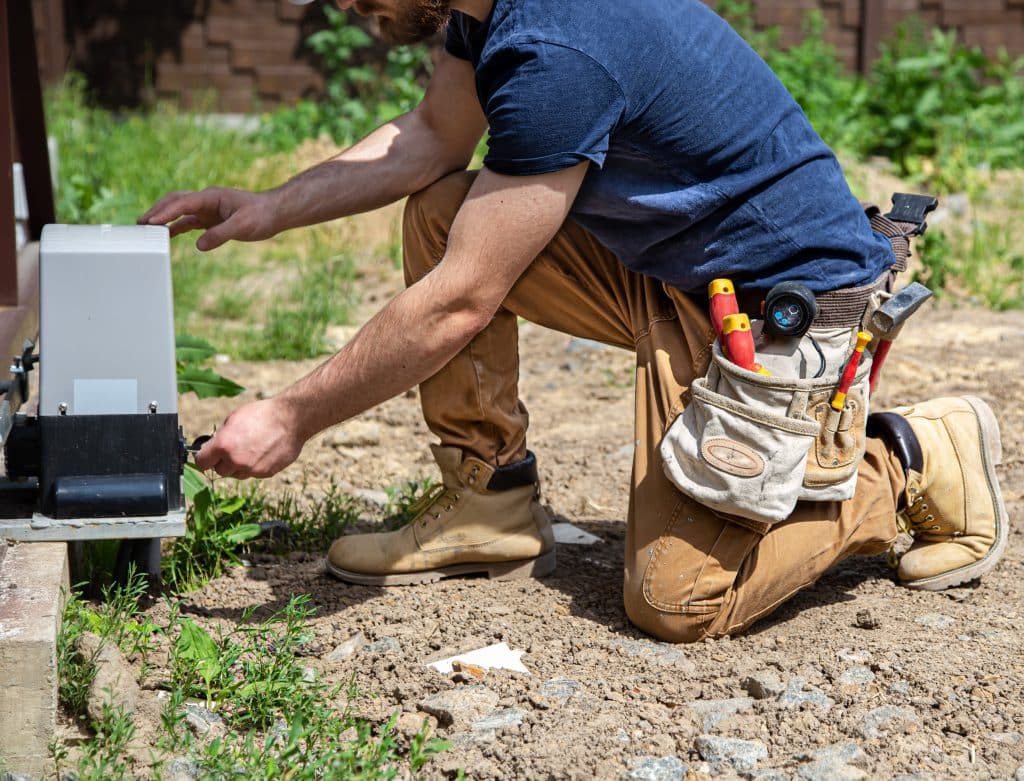
For homes with basements or crawl spaces, a sump pump is a critical piece of equipment for DIY water damage prevention. It acts as an automatic defense system, collecting excess groundwater that seeps into a sump pit and pumping it away from your foundation.
A malfunctioning sump pump can quickly lead to a flooded basement, causing extensive damage and significant remediation costs. Regular maintenance and inspection are therefore not optional but essential for its reliable operation.
Even if your area doesn’t typically experience severe flooding, a heavy rainy season can overwhelm drainage systems, making a well-maintained sump pump an invaluable asset. Proactive checks ensure it’s ready to perform when you need it most, preventing potential disasters.
Testing Your Sump Pump Regularly
Testing your sump pump is a simple process that should be done at least once a year, and ideally, before the heavy rainy season. This ensures that the pump activates correctly and that water is expelled efficiently. A quick test can identify potential issues before they become emergencies.
Unplug and clean: Disconnect power, remove any debris from the sump pit, and clean the pump screen.
Pour water into the pit: Slowly pour a bucket of water into the sump pit. The pump should activate, remove the water, and then shut off automatically.
Check the discharge pipe: Ensure water is being discharged away from your home and that the pipe is not clogged or leaking.
Considering a Battery Backup System
A common vulnerability of electric sump pumps is their reliance on household power. During severe storms that cause power outages, your sump pump may cease to function precisely when it’s needed most. This is where a battery backup system becomes an indispensable component of advanced DIY water damage prevention.
A battery backup ensures that your sump pump continues to operate even if the main power supply is interrupted, providing continuous protection against flooding. Installing one offers an additional layer of security, giving you peace of mind during the most challenging weather conditions. It’s a relatively simple upgrade that can prevent catastrophic damage.
Maintaining and regularly inspecting your sump pump, and considering a battery backup, are vital steps for homeowners in flood-prone areas or those with basements.
These measures provide a crucial last line of defense against water intrusion, ensuring that your home remains dry and protected throughout the rainy season. Don’t overlook this critical aspect of your overall water damage prevention strategy.
Advanced Water Damage Prevention Strategies
While the four crucial steps cover many common vulnerabilities, taking DIY water damage prevention to the next level involves considering advanced strategies.
These additional measures can provide even greater protection, particularly for homes in areas prone to heavy rainfall or those with unique structural characteristics. Implementing some of these can further fortify your home against the elements, offering enhanced peace of mind.
From smart home technology to specialized landscaping, these strategies move beyond basic maintenance to offer more robust defenses. They represent an investment in your home’s long-term resilience and can significantly mitigate the impact of unforeseen weather events. Thinking ahead and implementing these advanced techniques can make a substantial difference.
Smart Home Water Leak Detectors
Technology offers powerful tools for early detection of water leaks. Smart home water leak detectors are small, battery-operated devices that can be placed in vulnerable areas like under sinks, near water heaters, or in basements. When they detect moisture, they send an alert to your smartphone, allowing you to address the issue immediately, often before it escalates into major damage.
These devices are particularly useful for detecting slow leaks that might otherwise go unnoticed for extended periods, causing hidden damage. Their ability to provide real-time alerts makes them an excellent addition to any comprehensive DIY water damage prevention plan, offering an extra layer of vigilance even when you’re away from home.
Waterproofing Basements and Crawl Spaces
For homes with persistent moisture issues in basements or crawl spaces, more extensive waterproofing measures might be necessary. This can involve applying waterproof coatings to walls, installing interior drainage systems, or even exterior excavation and sealing. While some aspects might require professional help, many waterproofing products are available for the ambitious DIYer.
Addressing these areas proactively can prevent not only water intrusion but also common issues like mold, mildew, and musty odors that compromise indoor air quality. Investing in robust basement or crawl space waterproofing is a long-term solution that protects your home’s foundation and creates a healthier living environment.
In summary, while basic maintenance is essential, incorporating advanced water damage prevention strategies can provide superior protection.
From leveraging smart technology for early leak detection to implementing robust waterproofing solutions, these measures ensure your home is well-equipped to withstand the challenges of the rainy season, safeguarding your property and enhancing its durability for years to come.
Seasonal Checklist for Ongoing Protection
Effective DIY water damage prevention is not a one-time task but an ongoing commitment. Implementing a seasonal checklist ensures that your home remains protected year-round, adapting to the specific challenges each season presents.
While the rainy season demands immediate attention, continuous vigilance against water intrusion is key to preventing long-term structural issues and maintaining your home’s value.
By breaking down maintenance into manageable seasonal tasks, homeowners can avoid feeling overwhelmed and ensure that all critical areas are regularly inspected and addressed. This proactive approach minimizes the risk of unexpected water damage, making home ownership less stressful and more secure.
Spring and Summer Preparations
As winter gives way to spring and then summer, focus shifts to preparing for heavier rainfall and potential storms. This is the prime time to conduct thorough exterior inspections and repairs.
Clear gutters and downspouts: Remove winter debris and ensure proper flow.
Inspect roof and flashing: Check for any damage from winter weather.
Seal cracks in foundation and walls: Repair any new or existing cracks with appropriate sealants.
Check window and door seals: Replace worn weatherstripping or caulk.
Fall and Winter Maintenance
The colder months bring their own set of challenges, from freezing temperatures to heavy snow and ice. Preparing for these conditions is just as important for DIY water damage prevention.
Final gutter cleaning: Before leaves fall, ensure gutters are completely clear to prevent ice dams.
Disconnect outdoor hoses: Prevent freezing pipes and burst spigots.
Insulate exposed pipes: Protect pipes in unheated areas from freezing.
Check for drafts: Seal any gaps around windows and doors to prevent cold air and moisture from entering.
Maintaining a seasonal checklist for water damage prevention ensures that your home is continuously protected against the elements. Each season presents unique challenges, and by tailoring your maintenance efforts, you can proactively address vulnerabilities. This consistent attention to detail is the hallmark of effective home care, safeguarding your property against water damage year after year.
The Long-Term Benefits of Proactive Prevention
Engaging in diligent DIY water damage prevention before the rainy season of 2026 offers far more than just avoiding immediate repair costs; it’s an investment in the long-term health, safety, and value of your home.
The cumulative benefits of proactive maintenance extend to every aspect of homeownership, creating a more secure and pleasant living environment. Thinking strategically about prevention now can yield significant dividends down the line.
From preserving structural integrity to enhancing indoor air quality, the advantages of a well-protected home are undeniable. This final section underscores why these efforts are not merely tasks but essential practices for any responsible homeowner looking to safeguard their most significant asset.
Financial Savings and Property Value
The most immediate and tangible benefit of preventing water damage is the significant financial savings. Repairing water damage can range from hundreds to tens of thousands of dollars, depending on the extent and location of the damage. Proactive measures, often costing very little or requiring only your time, can avert these substantial expenses.
Furthermore, a home free from water damage maintains its property value. Potential buyers are often deterred by signs of past or present water issues, which can significantly impact resale value. By consistently protecting your home, you ensure it remains an attractive and sound investment.
Health and Safety Benefits
Beyond financial considerations, preventing water damage directly contributes to a healthier and safer home environment. Water intrusion creates ideal conditions for mold and mildew growth, which can trigger allergies, asthma, and other respiratory problems. Eliminating these damp conditions protects your family’s health.
Water damage can also compromise electrical systems, posing fire and electrocution hazards. By preventing water from entering your home, you safeguard against these serious safety risks, ensuring that your living space remains secure for everyone.
In conclusion, the long-term benefits of proactive DIY water damage prevention are extensive and far-reaching. From protecting your finances and property value to ensuring the health and safety of your household, the effort invested in these preventive steps pays off immensely.
As the rainy season of 2026 approaches, taking these crucial steps is not just a recommendation; it’s a wise and necessary commitment to your home’s enduring well-being.
| Key Prevention Step | Brief Description |
|---|---|
| Clean Gutters & Downspouts | Ensure clear channels for rainwater to flow away from the foundation. |
| Inspect Roof & Walls | Check for cracks, loose shingles, or deteriorating seals that allow water entry. |
| Proper Landscape Grading | Ensure ground slopes away from the foundation to prevent water pooling. |
| Sump Pump Maintenance | Regularly test and maintain sump pumps to prevent basement flooding. |
Frequently Asked Questions About Water Damage Prevention
For optimal DIY water damage prevention, gutters should be cleaned at least twice a year: once in late spring after tree pollen and seeds fall, and again in late fall after all leaves have dropped. If you have many trees nearby, more frequent cleaning might be necessary to prevent clogs.
Absolutely. Improper landscape grading, where the ground slopes towards your house, is a major contributor to foundation water damage and basement flooding. Ensuring the ground slopes away from your home by at least six inches over ten feet is crucial for effective water diversion.
Signs of a failing sump pump include unusual noises during operation, visible rust or corrosion, continuous running without water present, or failure to activate when the pit fills with water. Regular testing by pouring water into the pit is the best way to confirm its functionality.
Yes, smart water leak detectors are a valuable investment. They provide early warnings of leaks, often before significant damage occurs, by sending alerts to your phone. This proactive notification can save thousands in repair costs and prevent mold growth by allowing for immediate intervention.
You can perform a preliminary roof inspection from the ground using binoculars. Look for missing, cracked, or curled shingles, loose flashing around chimneys and vents, or any visible sagging. While not as thorough as a direct inspection, it can help identify obvious issues needing attention.
Conclusion: Securing Your Home Against the Rainy Season 2026
As the rainy season of 2026 draws near, the importance of proactive DIY water damage prevention cannot be overstated. By diligently inspecting and clearing your gutters, scrutinizing your roof and exterior walls for vulnerabilities, ensuring proper landscape grading, and maintaining your sump pump, you build a robust defense against water intrusion.
These four crucial steps, combined with advanced strategies and a seasonal maintenance checklist, provide a comprehensive framework for protecting your home. Investing your time and effort now will safeguard your property, preserve its value, and ensure a healthier, safer living environment for years to come. Don’t wait for the first downpour; take action today to secure your peace of mind.